
How Seahorses Thrive: Interactions with Their Environment Explained
Seahorses interact with their environment primarily through camouflage, highly specialized feeding strategies, and unique reproductive behaviors, making them particularly sensitive to habitat changes.

Introduction: The Enigmatic Seahorse
Seahorses, those charming, almost mythical creatures of the sea, captivate our imagination with their peculiar equine form and gentle demeanor. But beneath their whimsical appearance lies a fascinating story of adaptation and interaction with the marine world. How do seahorses interact with their environment? Their existence is a delicate dance of camouflage, predatory behavior, and a reproductive strategy unlike any other fish. Understanding these interactions is crucial for appreciating the fragility of their existence and the importance of conservation efforts.
Camouflage and Habitat

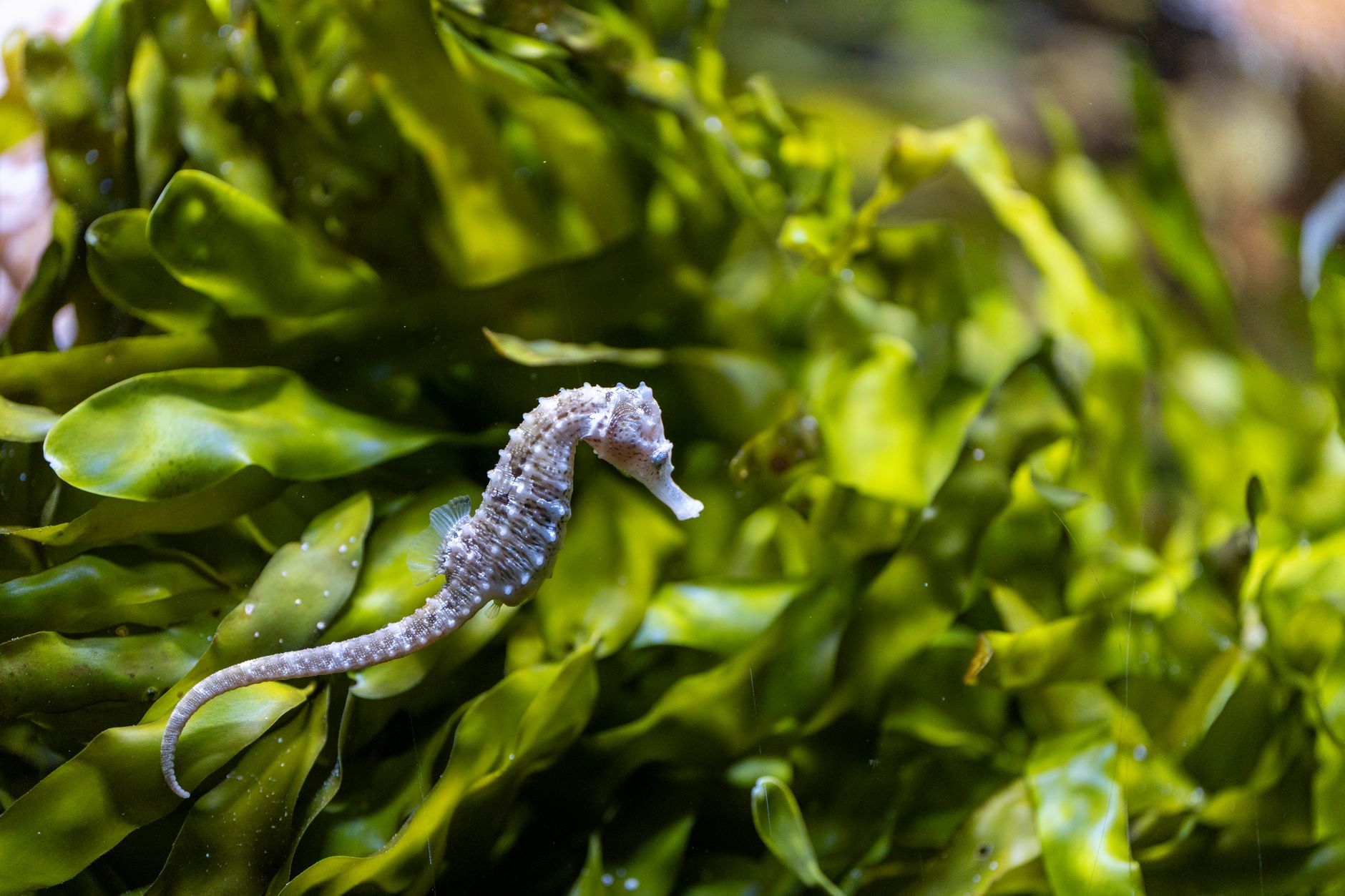
Seahorses are masters of disguise, blending seamlessly into their surroundings to evade predators and ambush prey. Their ability to change color, a skill honed over millennia, is central to how seahorses interact with their environment.
- They inhabit a variety of marine environments, including seagrass beds, mangrove forests, coral reefs, and even floating sargassum rafts.
- Their coloration often matches the dominant hues of their chosen habitat, providing excellent camouflage.
- Some species even develop elaborate skin filaments and appendages to further mimic the textures and shapes of their surroundings.
This camouflage is not merely a passive defense. It allows them to lie in wait, almost invisible, for unsuspecting crustaceans to wander within striking distance.
Feeding Strategies: A Patient Predator
Unlike most fish, seahorses lack teeth. Instead, they rely on a highly specialized snout to suck up small crustaceans like copepods, amphipods, and larval shrimp. Their feeding strategy is a slow, deliberate process that relies heavily on camouflage and precise movements.
- Ambush Predator: Seahorses are primarily ambush predators, waiting patiently for prey to come within range.
- Snout Suction: They use their snouts to create a powerful suction, quickly drawing prey into their mouths.
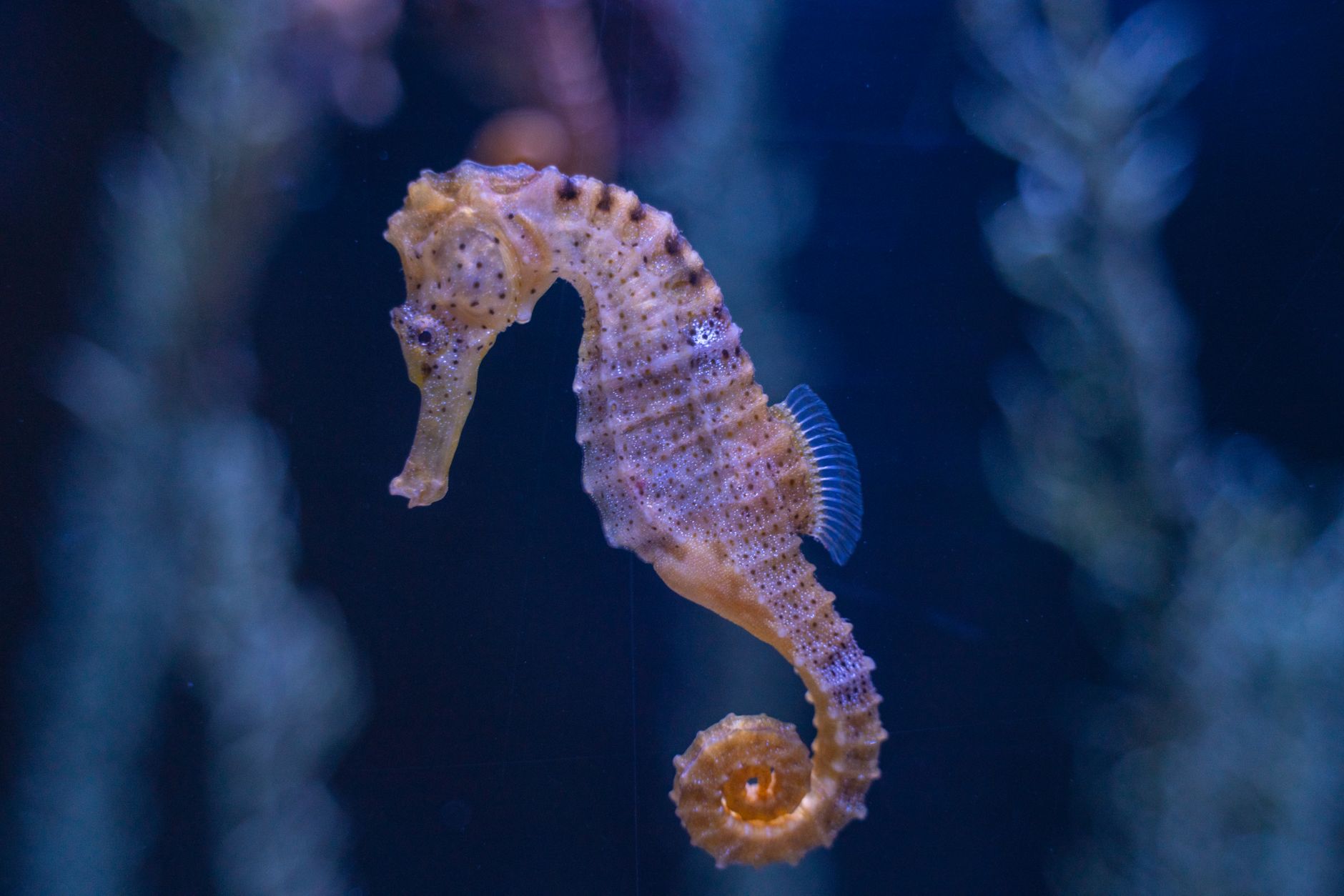
- Limited Mobility: Their poor swimming abilities necessitate a close-range hunting style. They often anchor themselves to seagrass or coral using their prehensile tails.
- Continuous Eating: Because their digestive system is simple and inefficient, seahorses must eat almost constantly to survive.
Their unique feeding mechanisms demonstrate another vital aspect of how seahorses interact with their environment.
Reproduction: A Male’s Burden
Perhaps the most remarkable aspect of seahorse behavior is their unique reproductive strategy. The male seahorse takes on the role of carrying and incubating the eggs in a specialized pouch located on his abdomen. This is a key element in understanding how seahorses interact with their environment, particularly in terms of species survival.
- Courtship Rituals: Before mating, seahorses engage in elaborate courtship rituals that can last for several days. These rituals involve synchronized swimming, color changes, and tail interlocking.
- Egg Transfer: The female deposits her eggs into the male’s pouch, where they are fertilized.
- Male Incubation: The male incubates the eggs for several weeks, providing them with oxygen and nutrients.
- Live Birth: Finally, the male gives birth to hundreds or even thousands of tiny seahorse fry.
This unusual division of labor underscores the importance of the male seahorse’s role in the species’ reproductive success.
Threats to Seahorses
Seahorses face a multitude of threats, primarily due to human activities. Habitat destruction, overfishing, and the aquarium trade are all contributing to their decline. Understanding these threats is crucial for mitigating their impact and ensuring the survival of these remarkable creatures.
- Habitat Destruction: Seagrass beds, mangrove forests, and coral reefs, which are vital seahorse habitats, are being destroyed by pollution, coastal development, and destructive fishing practices.
- Bycatch: Seahorses are often caught as bycatch in shrimp trawls and other fishing gear.
- Traditional Medicine and Aquarium Trade: Seahorses are used in traditional Chinese medicine and are also popular in the aquarium trade, leading to overexploitation.
- Climate Change: Rising ocean temperatures and ocean acidification are also posing significant threats to seahorse populations.
Addressing these threats requires a concerted effort from governments, conservation organizations, and individuals.
Conservation Efforts
Protecting seahorses requires a multi-faceted approach, including habitat restoration, sustainable fishing practices, and regulations on the aquarium trade.
- Habitat Restoration: Restoring and protecting seagrass beds, mangrove forests, and coral reefs is crucial for providing seahorses with the habitat they need to survive.
- Sustainable Fishing Practices: Implementing sustainable fishing practices, such as reducing bycatch and regulating trawling, can help to minimize the impact of fishing on seahorse populations.
- Regulations on Trade: Regulating the trade in seahorses, both for traditional medicine and the aquarium trade, can help to prevent overexploitation.
- Education and Awareness: Raising awareness about the threats facing seahorses and the importance of conservation can help to promote responsible behavior.
FAQs: Delving Deeper into Seahorse Ecology
What is the main diet of seahorses?
Seahorses primarily feed on small crustaceans, such as copepods, amphipods, and larval shrimp. Their diet is essential for their survival and directly influences their interactions within their environment. They are opportunistic predators relying on camouflage.
How do seahorses protect themselves from predators?
Seahorses rely heavily on camouflage to avoid predators. They can change color to match their surroundings and often inhabit areas with dense vegetation or coral to provide cover. Their slow movement also makes them less conspicuous.
Why do male seahorses carry the eggs?
Male seahorses carrying the eggs is an adaptation that potentially allows females to produce more eggs and increase the species’ reproductive rate. This unique reproductive strategy is a defining characteristic of seahorses.
Where do seahorses typically live?
Seahorses inhabit a variety of marine environments, including seagrass beds, mangrove forests, coral reefs, and estuaries. They prefer shallow, sheltered waters with plenty of vegetation or structure to cling to.
Are seahorses good swimmers?
Seahorses are not strong swimmers. They lack caudal fins and rely on their dorsal fin for propulsion, which makes them relatively slow and inefficient. This is why they often anchor themselves to objects using their prehensile tails.
What are the biggest threats to seahorse populations?
The biggest threats to seahorse populations include habitat destruction, overfishing (especially as bycatch), the aquarium trade, and traditional medicine. These factors are causing significant declines in seahorse populations worldwide.
How can I help protect seahorses?
You can help protect seahorses by supporting sustainable seafood choices, reducing your carbon footprint, and avoiding the purchase of seahorses as pets or for traditional medicine. You can also support organizations working to protect seahorse habitats.
Do seahorses change color?
Yes, seahorses can change color. While not as dramatic as chameleons, they can adjust their coloration to match their surroundings for camouflage or to communicate during courtship.
How long do seahorses live?
The lifespan of seahorses varies depending on the species, but most live for 1 to 4 years in the wild. Factors such as habitat quality, predation, and disease can influence their longevity.
What is a seahorse’s tail used for?
A seahorse’s tail is prehensile, meaning it can grasp objects. They use their tails to anchor themselves to seagrass, coral, or other structures, preventing them from being swept away by currents.
How small are baby seahorses?
Baby seahorses, also known as fry, are incredibly small, typically measuring only a few millimeters in length. They are vulnerable to predation and require a constant supply of tiny food sources.
How do seahorses contribute to their ecosystem?
Seahorses contribute to their ecosystem by controlling populations of small crustaceans and serving as a food source for larger predators. They are also indicators of ecosystem health, as their presence often indicates a healthy and diverse marine environment. Understanding how seahorses interact with their environment is therefore key to maintaining ecological balance.