
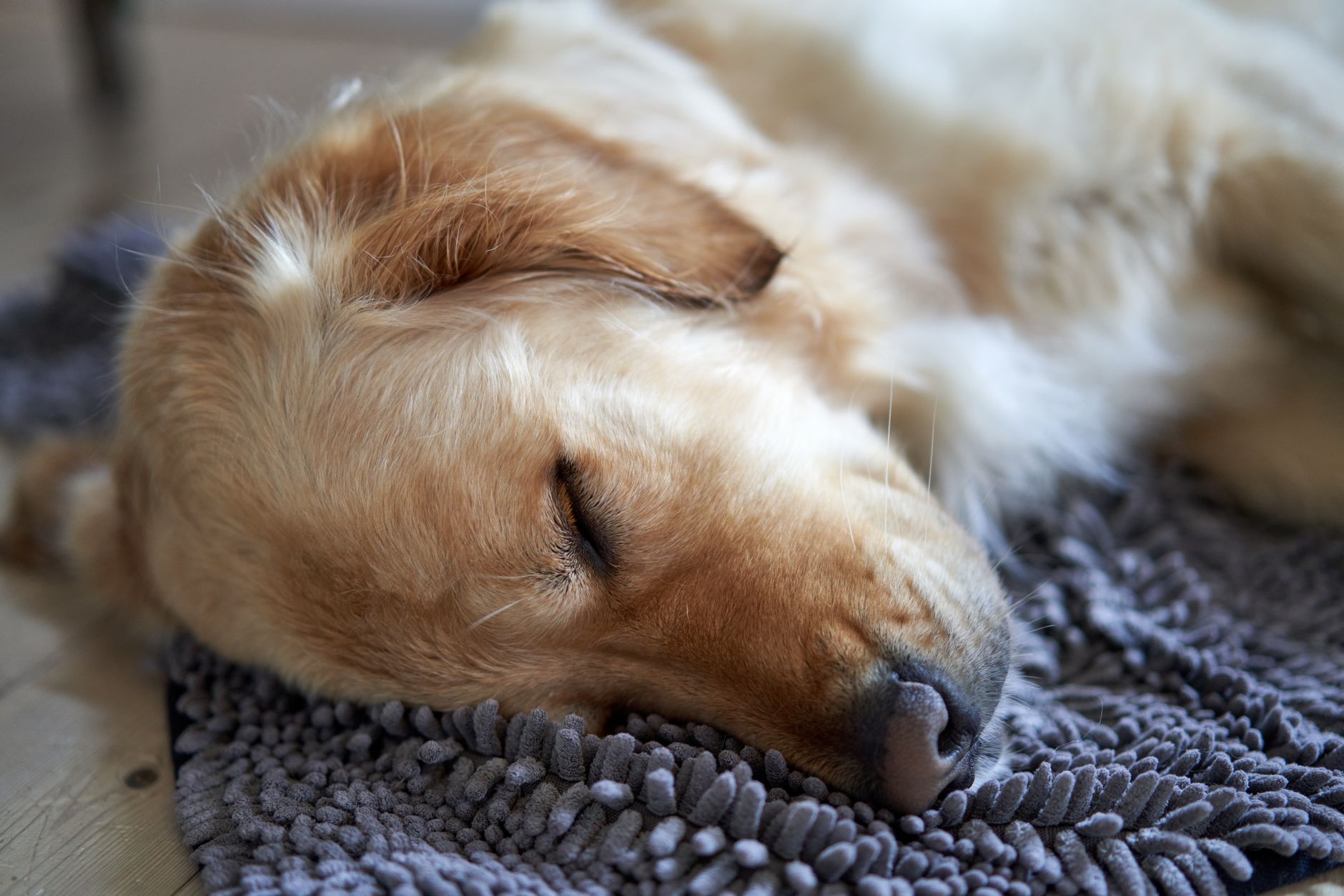
How Do I Make My Dog Sleep? Creating a Calming Bedtime Routine
Want a peaceful night’s rest? The key to how do I make my dog sleep? lies in establishing a consistent routine, providing ample exercise, and addressing any underlying anxieties or health issues. This article will guide you through proven strategies for achieving a restful slumber for your furry friend.

Introduction: The Importance of Sleep for Your Dog
Sleep is just as crucial for dogs as it is for humans. A well-rested dog is happier, healthier, and better behaved. Insufficient sleep can lead to irritability, anxiety, decreased cognitive function, and a weakened immune system. Understanding the factors that contribute to a dog’s sleep patterns and learning how do I make my dog sleep? effectively are essential for responsible pet ownership. Just as humans need their rest, ensuring your canine companion enjoys quality sleep improves their overall well-being and strengthens the bond you share.
Understanding Your Dog’s Sleep Needs
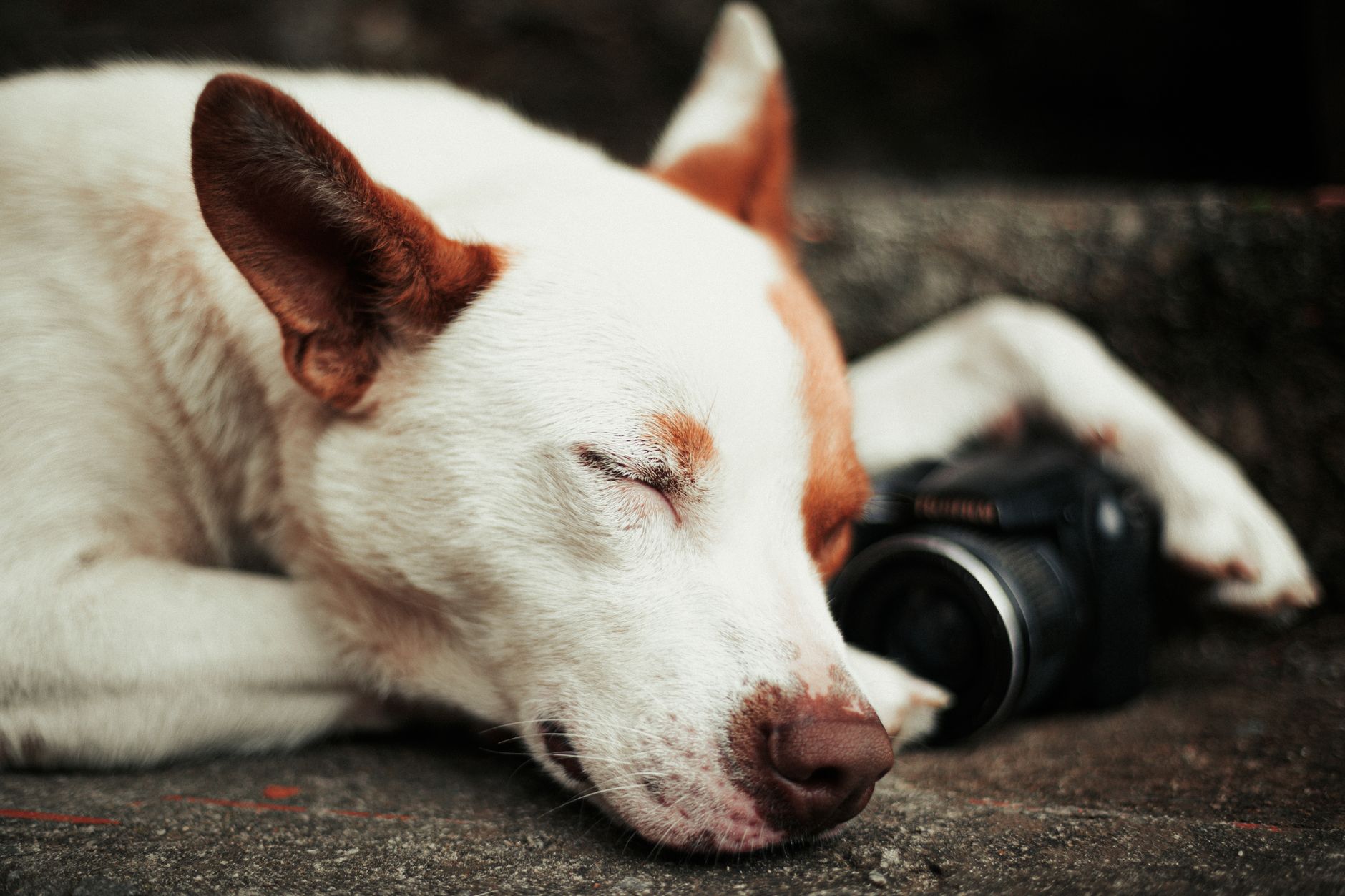
The amount of sleep a dog needs varies depending on age, breed, health, and activity level. Puppies typically require significantly more sleep than adult dogs, sometimes up to 18-20 hours a day, as they are still growing and developing. Adult dogs usually sleep between 12-14 hours, while senior dogs may need even more rest due to reduced energy levels and potential health issues. Certain breeds, especially larger ones, are prone to joint problems and may sleep longer to ease discomfort. Observing your dog’s behavior can help you determine if they are getting enough rest.
Creating a Calming Bedtime Routine
A consistent bedtime routine can signal to your dog that it’s time to wind down and prepare for sleep. This routine can include:
- Evening walk: A short, gentle walk before bed can help your dog burn off any excess energy and relieve themselves.
- Quiet playtime: Engage in calming activities like gentle petting or soft toy play, avoiding stimulating games that could excite them.
- Designated sleep area: Ensure your dog has a comfortable and safe space to sleep, such as a bed, crate, or blanket.
- Consistent bedtime: Try to put your dog to bed at the same time each night to regulate their internal clock.
- White noise: A fan, white noise machine, or calming music can help mask distracting sounds and promote relaxation.
Exercise and Mental Stimulation
Adequate physical activity and mental stimulation during the day are vital for a good night’s sleep. A tired dog is more likely to sleep soundly. Make sure your dog gets enough exercise according to their breed and energy level. This can include:
- Daily walks: Regular walks provide both physical exercise and mental stimulation through exposure to new sights and smells.
- Playtime: Engaging in games like fetch or tug-of-war can help burn off excess energy.
- Training sessions: Short training sessions can mentally stimulate your dog and tire them out.
- Puzzle toys: These toys require your dog to solve a problem to get a treat, providing mental enrichment and entertainment.
Addressing Anxiety and Stress
Anxiety and stress can significantly impact a dog’s sleep. Identifying and addressing the root cause of their anxiety is crucial. Common causes include:
- Separation anxiety: Some dogs become anxious when left alone.
- Noise phobias: Loud noises like fireworks or thunderstorms can trigger anxiety.
- Past trauma: Previous negative experiences can lead to anxiety.
Strategies for managing anxiety include:
- Desensitization and counter-conditioning: Gradually exposing your dog to the source of their anxiety while associating it with positive experiences.
- Safe space: Providing a comfortable and secure space where your dog can retreat when feeling anxious.
- Pheromone diffusers or collars: These products release calming pheromones that can help reduce anxiety.
- Consultation with a veterinarian or certified dog behaviorist: For severe anxiety, professional guidance may be necessary.
The Importance of a Comfortable Sleeping Environment
A comfortable and safe sleeping environment is essential for promoting restful sleep. Consider the following factors:
- Bed type: Choose a bed that is the right size and provides adequate support for your dog’s weight and breed. Orthopedic beds are particularly beneficial for older dogs with joint problems.
- Temperature: Ensure the sleeping area is neither too hot nor too cold.
- Noise level: Minimize distractions and create a quiet environment.
- Location: Place the bed in a safe and comfortable location where your dog feels secure.
Diet and Nutrition’s Effect on Sleep
A healthy and balanced diet plays a role in your dog’s sleep patterns. Avoid feeding your dog a large meal right before bedtime, as this can disrupt their sleep. Ensure your dog has access to fresh water at all times. Consult with your veterinarian about the best diet for your dog’s individual needs and consider:
- Limiting sugary treats before bed: These can cause a surge in energy.
- Consistent feeding schedule: This helps regulate their digestive system and can contribute to a more predictable sleep pattern.
- High-quality food: Ensuring their diet provides all the necessary nutrients can positively impact their overall well-being, including sleep.
When to Seek Veterinary Advice
If your dog is experiencing persistent sleep problems, it’s essential to consult with a veterinarian. Underlying medical conditions can sometimes interfere with sleep. These conditions can include:
- Arthritis: Joint pain can make it difficult to get comfortable and stay asleep.
- Cognitive dysfunction syndrome (CDS): Similar to Alzheimer’s in humans, CDS can disrupt sleep patterns.
- Heart disease: Can cause coughing and difficulty breathing, impacting sleep.
- Thyroid problems: Can affect energy levels and sleep.
Your veterinarian can perform a physical exam, run diagnostic tests, and recommend appropriate treatment options.
Common Mistakes to Avoid
Understanding common mistakes people make when trying to get their dog to sleep is also key to finding the answer to, How do I make my dog sleep?
- Giving in to attention-seeking behaviors: Ignoring whining or barking can be difficult, but giving in can reinforce these behaviors.
- Inconsistent routines: Maintaining a consistent schedule is crucial for regulating your dog’s internal clock.
- Failing to address underlying anxiety: Ignoring the root cause of anxiety will not solve the problem.
- Overfeeding before bedtime: Can lead to digestive discomfort and disrupt sleep.
- Lack of exercise and mental stimulation: A bored or energetic dog is less likely to sleep soundly.
- Using your bed as a punishment zone: It should be a space of comfort and relaxation.
Advanced Techniques for Persistent Sleeplessness
If the above steps aren’t enough, there are more advanced techniques to consider:
- Melatonin: This natural hormone can help regulate sleep cycles. Consult with your vet for proper dosage.
- CBD oil: Some owners find CBD helpful for reducing anxiety and promoting relaxation. Talk to your veterinarian before administering.
- Tryptophan supplements: An amino acid that can promote calmness and relaxation.
- Professional dog training: If behavior issues are disrupting sleep, a certified dog trainer can help.
| Technique | Description | Considerations |
|---|---|---|
| Melatonin | Natural hormone that regulates sleep cycles | Consult with your vet for appropriate dosage; can cause drowsiness. |
| CBD Oil | May reduce anxiety and promote relaxation | Talk to your veterinarian before use; ensure you buy a high-quality product from a reputable source. |
| Tryptophan | Amino acid that promotes calmness | Ensure your vet approves of tryptophan supplementation. |
| Professional Training | Addresses behavioral issues disrupting sleep | Find a certified and experienced dog trainer who uses positive reinforcement methods. |
Conclusion: Achieving Peaceful Nights
Teaching a dog how do I make my dog sleep? is all about creating the right environment, addressing anxieties, and establishing routines that promote rest. By implementing the strategies discussed in this article, you can significantly improve your dog’s sleep quality and enjoy more peaceful nights together. Remember to consult with your veterinarian if you have any concerns about your dog’s sleep patterns or overall health.

Frequently Asked Questions (FAQs)
How much sleep should my dog be getting each day?
The amount of sleep a dog needs varies based on age, breed, and activity level. Puppies generally require 18-20 hours, adult dogs need 12-14 hours, and senior dogs may need even more. Pay attention to your dog’s individual needs and consult with your veterinarian if you have concerns.
My dog is panting at night. What could be causing this?
Panting at night can be caused by several factors, including high room temperature, anxiety, pain, or underlying medical conditions. If your dog is panting excessively or showing other signs of discomfort, consult with your veterinarian promptly.
Why does my dog pace at night?
Pacing at night can be a sign of anxiety, cognitive dysfunction, or physical discomfort. Make sure your dog is getting enough exercise and mental stimulation during the day. If the pacing is persistent, consult with your veterinarian to rule out any underlying medical conditions.
How do I help my anxious dog sleep through the night?
Creating a safe and comfortable environment, establishing a consistent bedtime routine, and using calming aids like pheromone diffusers or calming music can help. For severe anxiety, consult with a veterinarian or certified dog behaviorist for guidance.
Is it okay to give my dog melatonin to help them sleep?
Melatonin can be helpful for promoting sleep in some dogs, but it’s essential to consult with your veterinarian before administering it. They can determine the appropriate dosage and ensure it’s safe for your dog’s individual health condition.
My older dog is restless at night. What can I do?
Older dogs may experience restlessness due to arthritis, cognitive dysfunction, or other age-related health issues. Provide a comfortable orthopedic bed, ensure they’re getting enough exercise during the day, and consult with your veterinarian about pain management or other appropriate treatments.
Can I use human sleep aids to help my dog sleep?
Never give your dog human sleep aids without consulting with your veterinarian. Many human medications are toxic to dogs and can cause serious health problems.
My dog wakes me up every night. How can I stop this?
Determine the reason why your dog is waking you up. Is it for attention, to go outside, or because they are anxious? Establishing a consistent bedtime routine, addressing underlying needs, and ignoring attention-seeking behaviors can help.
What are some natural ways to help my dog sleep better?
Regular exercise, a consistent bedtime routine, a comfortable sleeping environment, and calming aids like pheromone diffusers or white noise machines are natural ways to promote better sleep.
Is it normal for my dog to snore?
Some snoring is normal, especially in brachycephalic breeds (dogs with short noses). However, excessive or loud snoring can be a sign of underlying health issues like obesity, allergies, or respiratory problems. Consult with your veterinarian if you have concerns.
How can I tire my dog out before bedtime?
Engage in physical activity and mental stimulation during the day. A long walk, a play session, or a training session can help tire your dog out before bedtime. Avoid stimulating activities right before bed.
Why won’t my puppy sleep through the night?
Puppies often have smaller bladders and need to go outside more frequently. They may also be experiencing separation anxiety or adjusting to their new environment. Establish a consistent bedtime routine, provide a comfortable sleeping space, and take them out for potty breaks as needed.