

How Do I Know If My Mother Cat Is Producing Milk?
Wondering if your nursing cat is producing enough milk for her kittens? How do I know if my mother cat is producing milk? The easiest way to tell is by observing her nipples for swelling and the appearance of small droplets of milk and, most importantly, observing the kittens for signs of contentment and weight gain.

Understanding Feline Lactation
The lactation period is a crucial time for both the mother cat (queen) and her newborn kittens. Providing sufficient milk is essential for the kittens’ survival and healthy development. Successfully ensuring your cat is producing milk involves understanding the process and recognizing the telltale signs. Knowing how do I know if my mother cat is producing milk? is paramount to ensuring the health of the litter.
Early Signs: Preparing for Milk Production

Before actual milk production (lactation) begins, there are subtle signs to watch for. These signs usually manifest in the days leading up to and immediately following the birth of the kittens.
- Mammary Gland Development: The queen’s mammary glands (teats) will become enlarged and more prominent. This swelling indicates preparation for milk production.
- Nipple Changes: The nipples themselves may appear redder and slightly swollen. This is due to increased blood flow to the area.
- Pre-Labor Behavior: Some cats may exhibit nesting behavior and become more affectionate or restless as they approach labor.
Direct Observation: Signs of Milk Production
The most reliable indicators of milk production involve direct observation of the queen and her kittens. You must be observant and patient.
- Visible Milk: Gently examine the queen’s nipples. You may see small droplets of milk present, especially after the kittens have nursed. Be gentle; the area can be sensitive.
- Engorgement: The mammary glands should feel firm and slightly swollen to the touch. This indicates they are full of milk. Be careful not to press too hard, as this can be uncomfortable for the cat.
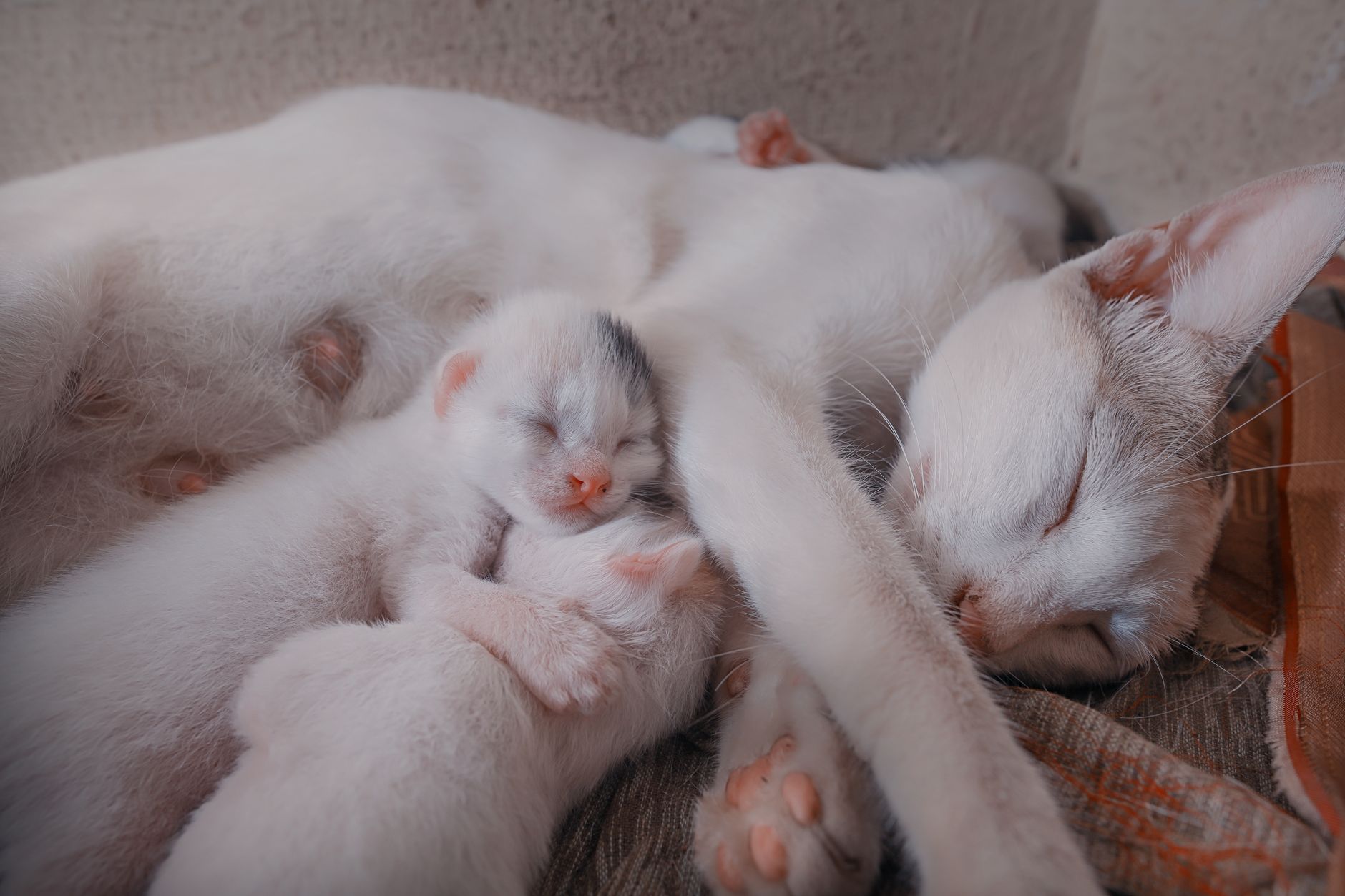
- Kitten Nursing: Observe the kittens actively nursing. You should be able to see them suckling vigorously and hear them making small nursing sounds. This is a good sign they are getting milk.
Kitten Behavior: Indicators of Sufficient Milk Intake
The behavior and physical condition of the kittens provide valuable clues about whether the queen is producing enough milk. Remember, knowing how do I know if my mother cat is producing milk? is not just about observing the mother, but also the kittens.
- Contentment: Well-fed kittens are generally quiet and sleepy after nursing. Constant crying or restlessness can indicate hunger.
- Weight Gain: Kittens should gain weight steadily in the first few weeks of life. Weigh them daily to monitor their progress. A healthy weight gain is around 0.5 to 1 ounce (14 to 28 grams) per day.
- Hydration: Check for signs of dehydration, such as dry gums or sunken eyes. Healthy kittens will have moist gums and bright eyes.
Troubleshooting: What to Do if Milk Production Is Insufficient
If you suspect the queen is not producing enough milk, take immediate action.
- Veterinary Consultation: Consult with your veterinarian. They can diagnose the underlying cause and recommend appropriate treatment.
- Supplemental Feeding: If necessary, supplement the kittens’ diet with kitten milk replacer (KMR). Follow the product instructions carefully.
- Stimulate Milk Production: Your vet may suggest medications or techniques to stimulate milk production in the queen.
- Nutrition for the Queen: Ensure the queen is receiving a high-quality diet formulated for lactating cats. This will help support milk production.
Monitoring and Record Keeping
Keeping detailed records of the kittens’ weight, behavior, and nursing habits can help you track their progress and identify any potential problems early on.
- Daily Weight Logs: Track each kitten’s weight daily to ensure they are gaining weight appropriately.
- Nursing Observations: Note how often and how long the kittens nurse each day.
- Queen’s Condition: Monitor the queen’s overall health and appetite. Any changes could indicate a problem with milk production.
| Monitoring Aspect | Frequency | What to Look For |
|---|---|---|
| Kitten Weight | Daily | Consistent weight gain |
| Nursing Behavior | Several Times a Day | Active suckling, contentment |
| Queen’s Appetite | Daily | Healthy appetite, good body condition |
Common Mistakes: Pitfalls to Avoid
Several common mistakes can interfere with successful lactation and kitten care. Avoid these pitfalls.
- Inadequate Nutrition: Failing to provide the queen with enough food and water is a common mistake. Lactating cats require significantly more calories than non-lactating cats.
- Premature Weaning: Weaning the kittens too early can deprive them of essential nutrients and antibodies.
- Stressful Environment: Creating a stressful environment for the queen can inhibit milk production. Provide a quiet, safe, and comfortable space for her and her kittens.
Now, let’s tackle some common questions. How do I know if my mother cat is producing milk? is a question on many new cat owners’ minds.
FAQ:
How Often Should Kittens Nurse?
Newborn kittens should nurse every 2-3 hours in the first few weeks of life. This frequent nursing stimulates milk production and ensures they receive adequate nutrition.
What Should I Do If a Kitten Isn’t Nursing?
If a kitten isn’t nursing, gently encourage it to latch onto the nipple. If it still refuses, consult your veterinarian immediately. There may be an underlying health issue.
Can Stress Affect Milk Production in Cats?
Yes, stress can significantly impact milk production. Provide a calm and quiet environment for the queen and her kittens to minimize stress.
How Long Does the Lactation Period Last?
The lactation period typically lasts 6-8 weeks. By this time, the kittens should be fully weaned and eating solid food.
Is It Normal for the Queen to Lose Weight During Lactation?
It is normal for the queen to lose some weight during lactation, but she should still maintain a healthy body condition. Ensure she is eating enough to meet her increased caloric needs.
What Kind of Food Should I Feed a Lactating Cat?
Feed a high-quality kitten food or a food specifically formulated for lactating cats. These foods are rich in the nutrients and calories she needs to produce milk.
Can I Handle the Kittens?
Yes, you can handle the kittens, but be gentle and wash your hands thoroughly beforehand. The queen may become protective, so approach her and her kittens calmly and respectfully.
When Should I Start Weaning the Kittens?
Start introducing solid food to the kittens around 3-4 weeks of age. Gradually increase the amount of solid food and decrease the amount of nursing as they get older.
How Do I Know If a Kitten is Dehydrated?
Signs of dehydration include dry gums, sunken eyes, and decreased skin elasticity. If you suspect a kitten is dehydrated, consult your veterinarian immediately.
What are Signs of Mastitis in a Lactating Cat?
Mastitis is an infection of the mammary glands. Signs include redness, swelling, pain, and discharge from the nipples. It requires immediate veterinary treatment.
Can a Mother Cat Reject Her Kittens?
In rare cases, a mother cat may reject her kittens. This can be due to various factors, such as illness, stress, or inexperience. If a queen rejects her kittens, consult your veterinarian for guidance.
What if I Don’t See Any Milk, but the Kittens Seem Healthy?
It’s possible the kittens are nursing effectively and the queen is producing just enough milk. If the kittens are gaining weight and seem content, it may be sufficient. However, still monitor closely and consult a vet if you have any concerns, understanding how do I know if my mother cat is producing milk? is a key aspect of responsible cat ownership.