

How to Tell if Your Cat Has Accepted Another Cat: Decoding Feline Relationships
Determining if your cat has accepted a new feline housemate requires careful observation; positive signs include relaxed body language, mutual grooming, playing together, and sharing resources, while negative signs involve hissing, swatting, and avoidance. If you’re asking “How do I know if my cat has accepted another cat?“, understanding feline communication is crucial for a harmonious multi-cat household.
Understanding Feline Social Dynamics
Introducing a new cat into an established feline territory is a delicate process. Cats are naturally territorial creatures, and their initial interactions can range from cautious curiosity to outright aggression. Successfully integrating two cats requires patience, understanding, and a keen eye for feline body language. It’s vital to remember that cats don’t necessarily “like” each other in the same way humans do; acceptance often manifests as tolerance and peaceful co-existence.
Key Indicators of Acceptance
The million-dollar question: “How do I know if my cat has accepted another cat?” The answer lies in observing their behavior. Here are some positive signs:
- Relaxed Body Language: Look for relaxed postures, slow blinks, and soft purrs when they are near each other. Tense muscles, flattened ears, or dilated pupils indicate stress or fear.
- Mutual Grooming (Allogrooming): This is a strong sign of bonding and acceptance. Cats that groom each other are comfortable and trust one another.
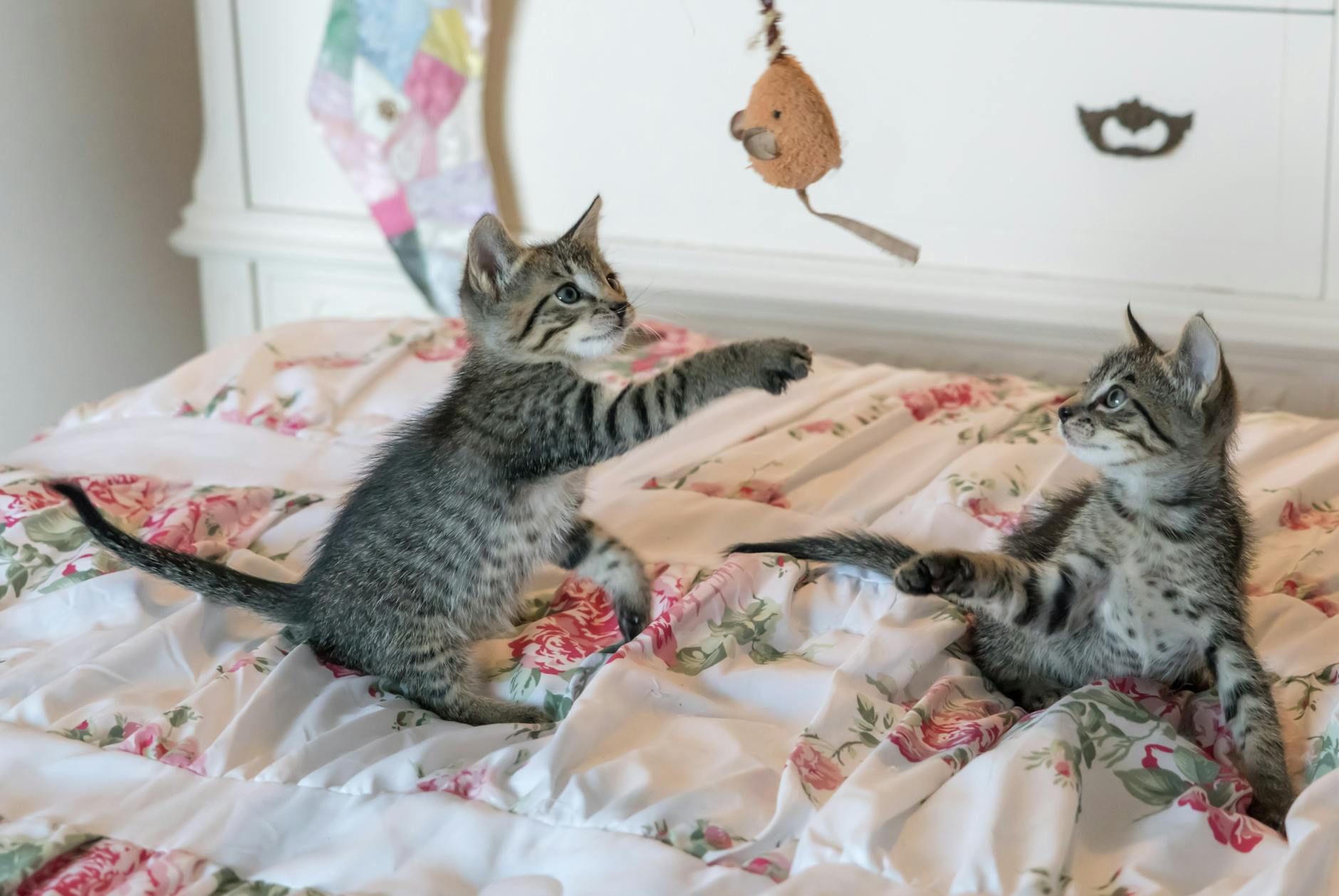
- Playing Together: Chasing, pouncing, and engaging in playful activities demonstrates a positive relationship.
- Sharing Resources: Cats that can eat, drink, and use the litter box near each other without conflict are generally accepting of one another.
- Sleeping Near Each Other: Proximity during sleep signifies comfort and trust.
Signs of Rejection and Conflict
Conversely, negative signs indicate that your cats are not getting along and may require intervention. These include:
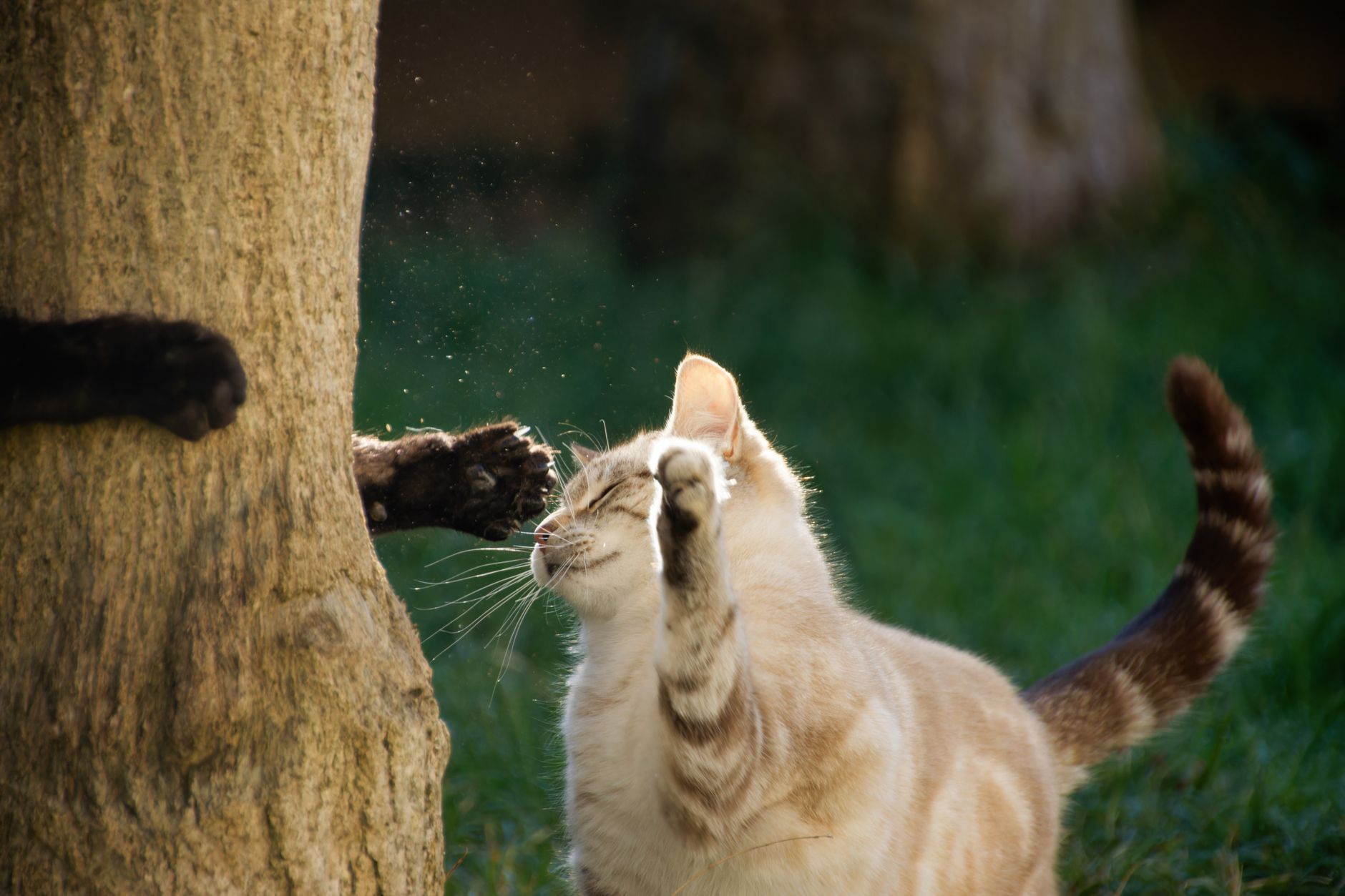
- Hissing and Swatting: Overt aggression is a clear indication of conflict.
- Staring and Stalking: Predatory behavior can create a stressful environment.
- Blocking Access: Preventing the other cat from accessing resources is a form of dominance.
- Excessive Vocalization: Constant meowing, growling, or yowling can signal anxiety or territorial disputes.
- Avoiding Each Other: Complete avoidance can indicate that one or both cats feel threatened.
A Gradual Introduction Process
A slow and controlled introduction is essential for minimizing stress and fostering a positive relationship. Here’s a suggested approach:
- Separate Rooms: Keep the cats separated initially, allowing them to adjust to each other’s scent.
- Scent Swapping: Rub a towel on each cat and then place the towels near the other cat’s feeding area.
- Controlled Visual Access: Allow short, supervised visual interactions through a cracked door or a pet gate.
- Supervised Interactions: Gradually increase the time they spend together under your watchful eye.
- Positive Reinforcement: Reward calm and friendly behavior with treats and praise.
Common Mistakes to Avoid
- Rushing the Introduction: Rushing the process can lead to increased stress and conflict.
- Forcing Interactions: Never force the cats to interact if they are showing signs of stress.
- Insufficient Resources: Ensure that you have enough litter boxes, food bowls, water bowls, and scratching posts to prevent competition.
- Ignoring Warning Signs: Pay attention to subtle signs of stress and intervene early to prevent escalation.
- Punishment: Never punish your cats for fighting; this will only increase their anxiety and fear.
Using Technology to Monitor and Aid Introduction
Modern technology can also aid in understanding and managing multi-cat dynamics. Consider these tools:
- Pet Cameras: Monitor interactions when you aren’t present.
- Scent Diffusers (Feliway): Mimic natural feline pheromones to reduce stress.
- Automatic Feeders: Schedule meals to reduce resource guarding.
Here’s a table summarizing the key signs of acceptance and rejection:
| Indicator | Acceptance | Rejection |
|---|---|---|
| Body Language | Relaxed, slow blinks | Tense, flattened ears, dilated pupils |
| Grooming | Mutual grooming (allogrooming) | No grooming, self-grooming only |
| Play | Chasing, pouncing, playful swatting | Stalking, predatory behavior |
| Resource Sharing | Eating, drinking, litter box near each other | Blocking access, guarding resources |
| Sleeping Proximity | Sleeping near each other | Complete avoidance, sleeping far apart |
| Vocalization | Soft purrs | Hissing, growling, yowling, excessive meowing |
FAQs on Cat Acceptance
How long does it typically take for cats to accept each other?
The timeframe varies greatly depending on the cats’ individual personalities and past experiences. Some cats may adjust within a few weeks, while others may take several months. Patience and consistency are key.
What if my cats continue to fight despite my best efforts?
If fighting persists, consult with a veterinarian or a certified cat behaviorist. They can help identify underlying issues and recommend appropriate interventions, such as medication or behavior modification techniques.
Is it possible for cats to live together peacefully without ever becoming “friends”?
Yes, it’s entirely possible. Acceptance doesn’t always equate to friendship. Cats can co-exist peacefully by respecting each other’s space and resources, even if they don’t engage in affectionate behaviors.
My older cat seems depressed after the new cat arrived. What should I do?
Provide extra attention and enrichment to your older cat. Ensure that they have their own safe space where they can retreat when they need a break. Consult with your veterinarian to rule out any underlying medical issues.
Should I separate my cats permanently if they can’t get along?
Separation should be a last resort. Before making that decision, explore all other options, such as behavior modification, environmental enrichment, and medication. Consider the well-being of both cats before making a final decision.
What role does scent play in cat acceptance?
Scent is crucial in feline communication. Cats use scent to mark their territory and identify other cats. Scent swapping can help cats become more familiar with each other and reduce territorial aggression.
How important is it to have multiple litter boxes?
Having enough litter boxes is essential for preventing litter box aversion and resource guarding. A general rule of thumb is to have one litter box per cat, plus one extra.
Can I use pheromone diffusers to help my cats get along?
Pheromone diffusers, such as Feliway, can help reduce stress and anxiety in cats. These diffusers release synthetic feline pheromones that mimic natural calming signals.
What are the signs of stress in cats during the introduction process?
Signs of stress include hiding, decreased appetite, increased vocalization, changes in litter box habits, and excessive grooming. Pay close attention to these signs and adjust the introduction process as needed.
Should I let my cats “work things out” on their own?
While it’s important to allow cats to establish their hierarchy, it’s crucial to intervene if fighting becomes aggressive or causes injury. Unsupervised fighting can escalate and create a negative association between the cats.
What if one cat is much more dominant than the other?
Ensure that the more submissive cat has access to safe spaces where they can escape the dominant cat. Provide vertical spaces, such as cat trees, to allow the submissive cat to feel more secure.
Is it possible to reintroduce cats that had a bad initial introduction?
Yes, it’s possible, but it may require a more gradual and controlled approach. Start from scratch, separating the cats completely and reintroducing them slowly using scent swapping and supervised interactions. You’ll be looking for the answer to “How do I know if my cat has accepted another cat?“, even after a rocky start.
By carefully observing your cats’ behavior and implementing a gradual introduction process, you can increase the chances of a harmonious multi-cat household. Remember that patience and understanding are key to helping your cats accept each other.