

How to Evict Your Bathtub Frogs: A Comprehensive Guide
Discover how to quickly and effectively remove frogs from your bathtub with this step-by-step guide, focusing on humane solutions and preventative measures. How do I get rid of frogs in my bathtub? becomes much easier with the right knowledge and approach.

Introduction: An Unexpected Amphibian Encounter
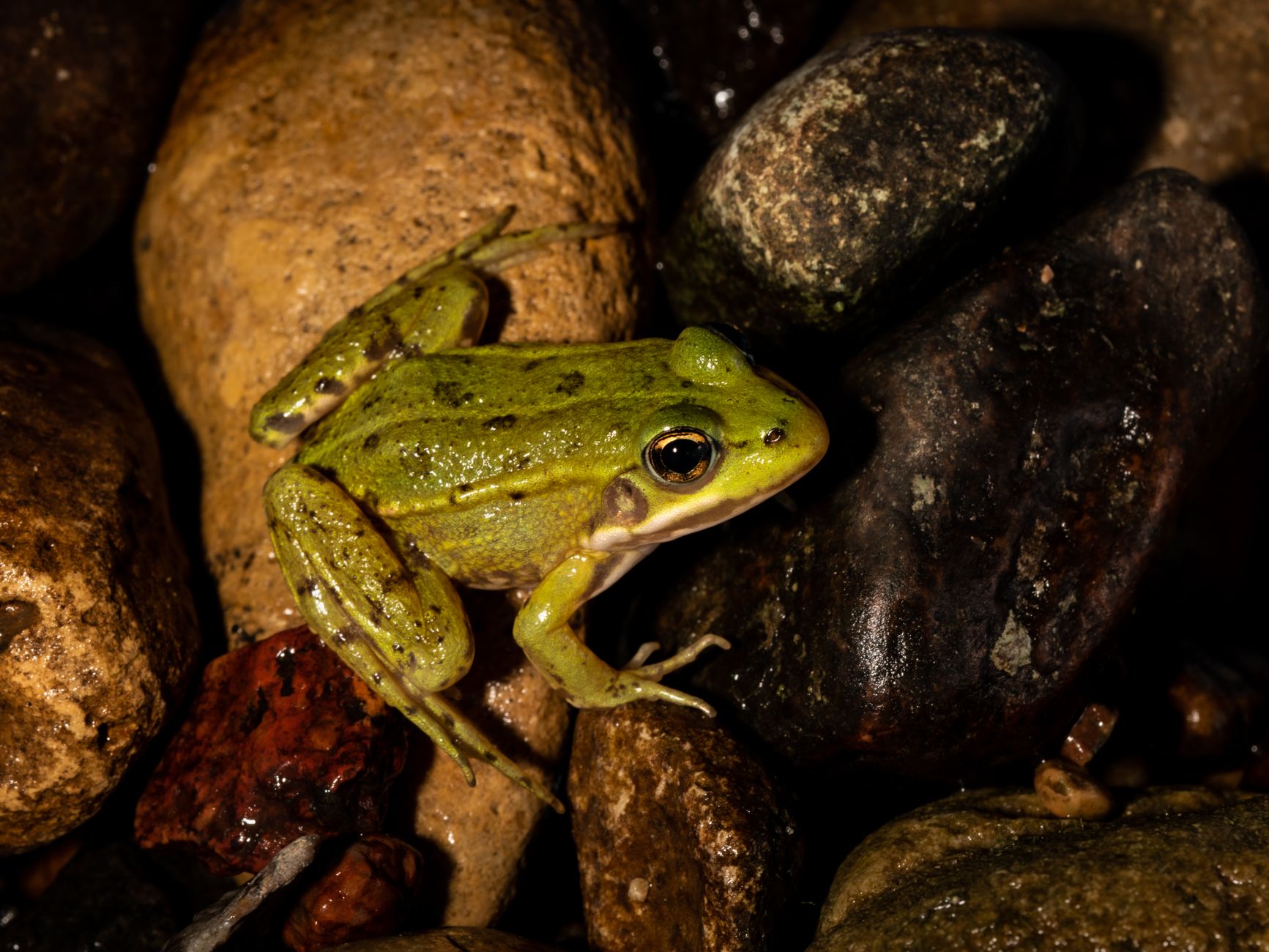
Finding a frog in your bathtub can be unsettling, even humorous. While these amphibians are generally harmless and even beneficial to your garden ecosystem, their presence indoors is undesirable. The question, “How do I get rid of frogs in my bathtub?,” is a common one, and the answer often lies in understanding why they’re there in the first place. Frogs typically seek out cool, damp environments, and your bathtub provides the perfect habitat – particularly if you live in an area with a large frog population, especially during mating season.
Understanding Why Frogs Choose Your Bathtub

Before learning how do I get rid of frogs in my bathtub?, you should understand the appeal it holds for them. Several factors might contribute to this unusual invasion:
- Moisture: Frogs need moisture to survive. Bathtubs, especially those with lingering dampness, offer a readily available source of hydration.
- Coolness: Bathrooms, particularly those located in basements or with poor ventilation, often provide a cool respite from the heat, which is attractive to frogs.
- Access: Small gaps or openings around windows, doors, or pipes can serve as entry points for curious frogs.
- Prey: Although less common, frogs might enter a bathtub in search of insects or other small prey.
The Humane Approach to Frog Removal
The key to successfully and ethically addressing How do I get rid of frogs in my bathtub? is prioritizing the frog’s well-being. Avoid harsh chemicals or methods that could harm the amphibian.
Here’s a gentle and effective removal method:
- Preparation: Put on gloves (optional, but recommended for hygiene). Gather a large container (bucket or plastic tub) and a small scoop or net.
- Approach Calmly: Avoid sudden movements that might startle the frog.
- Capture: Gently scoop or guide the frog into the container. Avoid grabbing the frog directly, as this can cause injury.
- Relocation: Release the frog outside, ideally near a pond, stream, or other suitable habitat away from your house.
Preventative Measures: Keeping Frogs Out for Good
Removing the frog is just the first step. To prevent future encounters, you need to address the underlying reasons why they’re entering your home.
Here are some preventative measures to consider:
- Seal Entry Points: Inspect your bathroom for cracks, gaps, or openings around windows, doors, and pipes. Seal them with caulk or weather stripping.
- Reduce Moisture: Ensure your bathroom is well-ventilated. Repair any leaks promptly. Use a dehumidifier if necessary to reduce humidity levels.
- Remove Standing Water: Eliminate any sources of standing water in and around your property, such as bird baths, clogged gutters, or old tires.
- Manage Outdoor Lighting: Bright outdoor lights can attract insects, which in turn attract frogs. Consider using motion-sensor lights or switching to yellow “bug lights.”
- Maintain Your Yard: Keep your lawn mowed and remove piles of leaves or debris that can provide shelter for frogs.
- Clean Regularly: Regularly clean your bathroom to remove potential food sources (insects).
Common Mistakes to Avoid
When dealing with frogs in your bathtub, avoid these common mistakes:
- Using Harmful Chemicals: Never use bleach, detergents, or other cleaning chemicals directly on a frog. These substances can be toxic.
- Rough Handling: Avoid squeezing or grabbing the frog roughly, as this can cause injury or death.
- Releasing the Frog Far Away: Relocate the frog to a suitable habitat near your property, but not too far away from its original territory.
- Ignoring the Root Cause: Simply removing the frog without addressing the underlying reasons why it entered your home will only lead to future encounters.
Table: Comparison of Frog Removal Methods
| Method | Description | Pros | Cons |
|---|---|---|---|
| Hand Catching | Gently capturing the frog with your hands (while wearing gloves) and relocating it. | Quick, effective, no equipment needed. | Risk of injury to the frog if not handled carefully. |
| Container Scoop | Using a bucket or container to scoop up the frog and relocate it. | Safe for the frog, easy to implement. | Requires a suitable container. |
| Netting | Using a small net to gently capture the frog. | Can be effective for agile frogs, minimizes direct contact. | Netting material can potentially harm the frog if not used carefully. |
| Chemical Repellent | Using store bought frog repellent. | Generally effective, discourages frogs from returning. | Chemicals may be harmful to plants or other animals if not applied safely. |
FAQ: Addressing Your Frog-Related Concerns
What kind of frog is most likely to be in my bathtub?
The type of frog you find depends on your geographic location. In North America, common species include the American Green Tree Frog, the Gray Tree Frog, and the Spring Peeper. Knowing the species can help you understand its natural habitat and provide a suitable release location.
Are frogs in the bathtub dangerous?
Frogs are generally not dangerous to humans. They are not poisonous to touch, although some species secrete mildly irritating substances. However, it’s always best to wash your hands after handling a frog.
How can I tell if the frog is injured?
Signs of injury in a frog might include: limping, difficulty moving, open wounds, or unusual lethargy. If you suspect the frog is injured, consider contacting a local wildlife rehabilitator.
What should I do if I can’t catch the frog?
If you’re having trouble catching the frog, try dimming the lights and waiting for it to become less active. You can also try gently guiding it towards the container with a piece of cardboard or a soft cloth.
Is it okay to use tap water to fill the container for the frog?
Tap water contains chlorine, which can be harmful to frogs. If possible, use dechlorinated water (available at pet stores) or let tap water sit out for 24 hours to allow the chlorine to dissipate.
What is the best time to release the frog?
The best time to release the frog is in the evening, when temperatures are cooler and the frog is more likely to find a safe hiding place.
What if the frog keeps coming back?
If you repeatedly find frogs in your bathtub, it’s crucial to thoroughly inspect your property for entry points and address any underlying issues that are attracting them, such as moisture or food sources.
Can I keep the frog as a pet?
While it might be tempting to keep the frog, it’s generally not recommended. Wild frogs are adapted to their natural environment and may not thrive in captivity. Furthermore, keeping certain species may be illegal in some areas.
What plants attract frogs to my yard?
Plants like hostas, ferns, and elephant ears provide cool, moist hiding places that attract frogs to your yard. While this is beneficial for your garden’s ecosystem, it can also increase the likelihood of them entering your home.
What do frogs eat?
Frogs are primarily insectivores, feeding on flies, mosquitoes, moths, and other small invertebrates.
How can I encourage frogs in my garden without them entering my home?
Create a frog-friendly habitat in your yard away from your house. A small pond, a rock pile, and dense vegetation can provide shelter and attract frogs to your garden.
Is there a professional I can hire to remove frogs?
If you are uncomfortable or unable to remove the frogs yourself, contact a local pest control company that specializes in humane wildlife removal.
By following these tips, you can effectively address How do I get rid of frogs in my bathtub? and create a more harmonious environment for both you and the amphibians.