

How to Entice Your Pond Fish to Eat: A Comprehensive Guide
Is your pond looking lifeless because your fish aren’t eating? Don’t worry! This guide provides expert advice on how to get your pond fish to eat again by diagnosing the problem and implementing proven solutions. We will explore several reasons a fish may stop eating and offer effective strategies to stimulate their appetite and ensure their health and vitality.
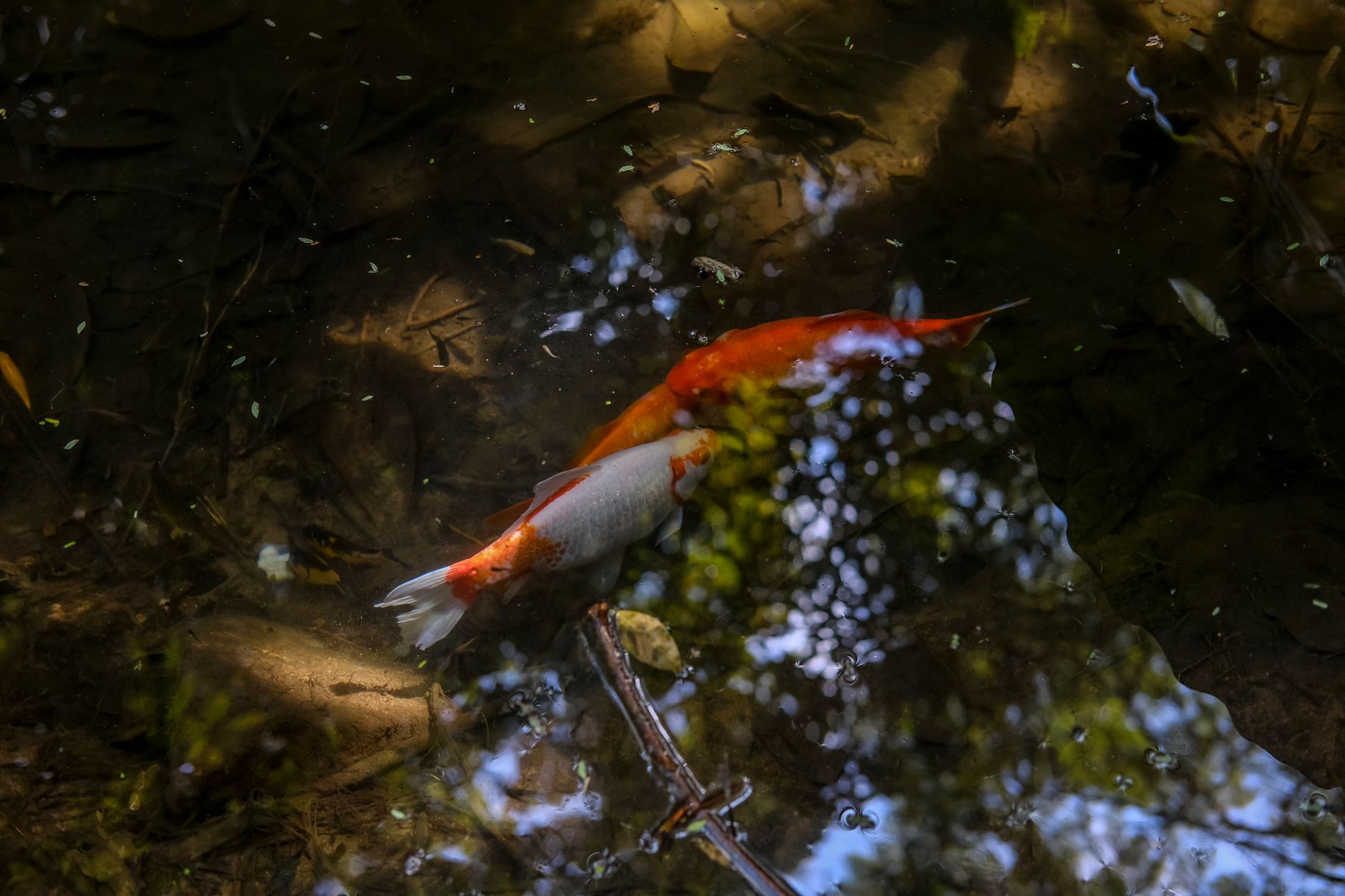
Understanding Why Your Pond Fish Aren’t Eating
Pond fish, like any other pet, can sometimes refuse to eat. Understanding the reasons behind their loss of appetite is crucial for effective intervention. Several factors can contribute to this issue, and addressing them promptly is vital to maintaining a healthy and thriving pond ecosystem.
Water Quality: The Foundation of a Healthy Appetite

Poor water quality is often the primary culprit behind a fish’s refusal to eat. Fish are highly sensitive to their environment, and imbalances in water parameters can quickly lead to stress and decreased appetite.
- Ammonia and Nitrite Levels: Elevated levels of these toxins, resulting from decaying organic matter or an inefficient filter, can irritate the fish’s gills and suppress their appetite.
- pH Imbalance: Drastic fluctuations in pH can stress fish, affecting their metabolism and feeding habits. Maintaining a stable pH range appropriate for your fish species is crucial.
- Low Oxygen Levels: Fish need oxygen to thrive. Low oxygen levels, especially in warmer months, can cause lethargy and a loss of appetite.
Temperature Fluctuations and Seasonal Changes
Fish are cold-blooded, meaning their body temperature is directly affected by the surrounding water temperature.
- Cold Weather: As water temperatures drop in the fall and winter, fish become less active and their metabolism slows down. They require less food and may even stop eating altogether. This is a natural process, and you shouldn’t force them to eat during this period.
- Sudden Temperature Changes: Rapid temperature fluctuations, often caused by heavy rainfall or drastic weather shifts, can shock fish and temporarily suppress their appetite.
Stress and Illness
Stress can severely impact a fish’s health and appetite.
- Overcrowding: Too many fish in a small pond can lead to stress, competition for resources, and poor water quality.
- Predators: The presence of predators, such as herons or raccoons, can frighten fish and make them hesitant to surface for food.
- Introduction of New Fish: Adding new fish to an established pond can disrupt the existing social hierarchy and cause stress for both the new and existing inhabitants. Quarantine new fish before introduction to avoid spreading disease.
- Parasites and Diseases: Various parasites and bacterial or fungal infections can cause internal discomfort and loss of appetite. Look for signs of illness such as lethargy, fin rot, or abnormal behavior.
Dietary Issues: The Importance of Variety and Quality
Even in a perfect pond environment, improper feeding practices can lead to a fish’s refusal to eat.
- Poor Quality Food: Expired or poorly stored fish food loses its nutritional value and can even become contaminated with mold. Always choose high-quality fish food that is appropriate for your fish species.
- Lack of Variety: Feeding the same food day after day can lead to nutritional deficiencies and boredom. Offer a varied diet that includes different types of pellets, flakes, and even occasional live or frozen treats.
- Overfeeding: Overfeeding can lead to poor water quality and digestive problems. Offer only as much food as your fish can consume within a few minutes.
Solutions: How do I get my pond fish to eat?
Once you’ve identified the potential causes of your fish’s lack of appetite, you can implement specific strategies to encourage them to eat.
-
Improve Water Quality:
- Test your water regularly using a reliable test kit.
- Perform partial water changes (10-20%) weekly to remove accumulated toxins.
- Ensure your filter is appropriately sized for your pond and is functioning efficiently.
- Consider adding beneficial bacteria to help break down organic waste.
-
Manage Temperature:
- Provide shade during hot summer months to prevent the water from overheating.
- Use a pond heater in the winter to prevent the pond from freezing completely.
- Gradually acclimate fish to temperature changes by slowly adding pond water to the bag they are transported in before releasing them into the pond.
-
Reduce Stress:
- Ensure your pond is adequately sized for the number of fish you have.
- Provide hiding places, such as plants or rocks, for fish to retreat to when feeling threatened.
- Protect your pond from predators with netting or fencing.
-
Optimize Diet:
- Choose high-quality fish food that is specifically formulated for pond fish.
- Offer a variety of foods, including floating pellets, sinking pellets, flakes, and live or frozen treats like bloodworms, daphnia, or brine shrimp.
- Feed your fish at the same time each day to establish a routine.
- Adjust the amount of food you offer based on water temperature. Feed less in cooler months.
-
Address Illness:
- Isolate any sick fish in a quarantine tank to prevent the spread of disease.
- Consult with a veterinarian or experienced pond specialist to diagnose and treat any illnesses.
- Follow all medication instructions carefully.
Summary of key steps to follow
- Water Quality Check: Test pH, ammonia, nitrite, and nitrate levels.
- Temperature Check: Monitor and manage pond temperature, especially during seasonal changes.
- Stress Assessment: Identify and mitigate sources of stress (overcrowding, predators, etc.).
- Diet Review: Ensure high-quality, varied food sources.
- Health Assessment: Look for signs of illness and isolate sick fish.
- Adjust Feeding Habits: Feed at consistent times and adjust amounts based on temperature.

Frequently Asked Questions (FAQs)
How often should I feed my pond fish?
Generally, you should feed your pond fish once or twice a day. The key is to offer only as much food as they can consume within about 5 minutes. Avoid overfeeding, as this can lead to water quality problems. Reduce feeding frequency as water temperatures decrease.
What kind of food should I feed my pond fish?
Choose a high-quality fish food that is specifically formulated for pond fish. Look for foods that are rich in protein, vitamins, and minerals. Vary their diet with live or frozen treats like bloodworms or daphnia occasionally.
My fish are only eating at the bottom of the pond. Is this normal?
Some fish species naturally feed at the bottom of the pond, while others prefer to feed at the surface. If you’re feeding floating pellets and your fish aren’t coming to the surface, it could indicate they are feeling unwell or are stressed. Consider offering sinking pellets as well to ensure all fish are getting fed.
What do I do if my fish stop eating in the winter?
It’s normal for fish to eat less or not at all during the winter months when water temperatures drop significantly. Their metabolism slows down, and they require less food. Do not force-feed them during this time.
How do I know if my fish are sick?
Look for signs of illness such as lethargy, fin rot, skin ulcers, abnormal swimming behavior, or a loss of appetite. Isolate any sick fish in a quarantine tank and consult with a veterinarian or pond specialist for diagnosis and treatment.
How can I prevent algae blooms in my pond?
Algae blooms can negatively impact water quality and contribute to fish stress. Prevent algae blooms by ensuring adequate filtration, limiting sunlight exposure, and maintaining proper water chemistry. Regular water changes and the addition of aquatic plants can also help.
How do I introduce new fish to my pond?
Quarantine new fish for several weeks before introducing them to your pond. This will help prevent the spread of diseases and parasites. Gradually acclimate the fish to the pond water temperature by floating the bag they came in for about 30 minutes. Then, slowly add pond water to the bag before releasing the fish.
What is the ideal pH level for my pond?
The ideal pH level for a pond depends on the species of fish you have. Generally, a pH between 6.5 and 8.5 is suitable for most pond fish. Test your water regularly and make adjustments as needed to maintain a stable pH.
Can I feed my fish bread?
While fish might eat bread, it’s not a healthy food choice for them. Bread is low in nutritional value and can contribute to water pollution. Avoid feeding bread to your fish and stick to high-quality fish food.
How do I deal with predators like herons?
Protect your pond from predators like herons with netting, fencing, or decoys. You can also provide hiding places for your fish, such as plants or rocks. Motion-activated sprinklers can also deter predators.
What are the best aquatic plants for my pond?
The best aquatic plants for your pond depend on your local climate and the needs of your fish. Some popular choices include water lilies, water hyacinth, and duckweed. Aquatic plants can help improve water quality by absorbing excess nutrients and providing oxygen.
Is it OK to use tap water in my pond?
Tap water can be used in your pond, but it’s important to dechlorinate it first. Chlorine is toxic to fish. Use a dechlorinator product to remove chlorine and chloramine from the water before adding it to your pond.