

How to Help Your Dog Adjust to Spending Time Outside Alone
The key to successfully acclimating your dog to being outside alone involves gradual desensitization, positive reinforcement, and ensuring a safe and stimulating environment. Learn how do I get my dog used to being outside alone? with these expert-backed techniques and considerations.

Understanding the Importance of Gradual Acclimation
Many dogs experience anxiety when left alone, a reaction known as separation anxiety. Throwing them into the deep end – forcing them to be outside alone for extended periods without preparation – can exacerbate this anxiety and lead to behavioral problems. A gradual and patient approach is crucial for success.
The Benefits of Outdoor Time for Your Dog
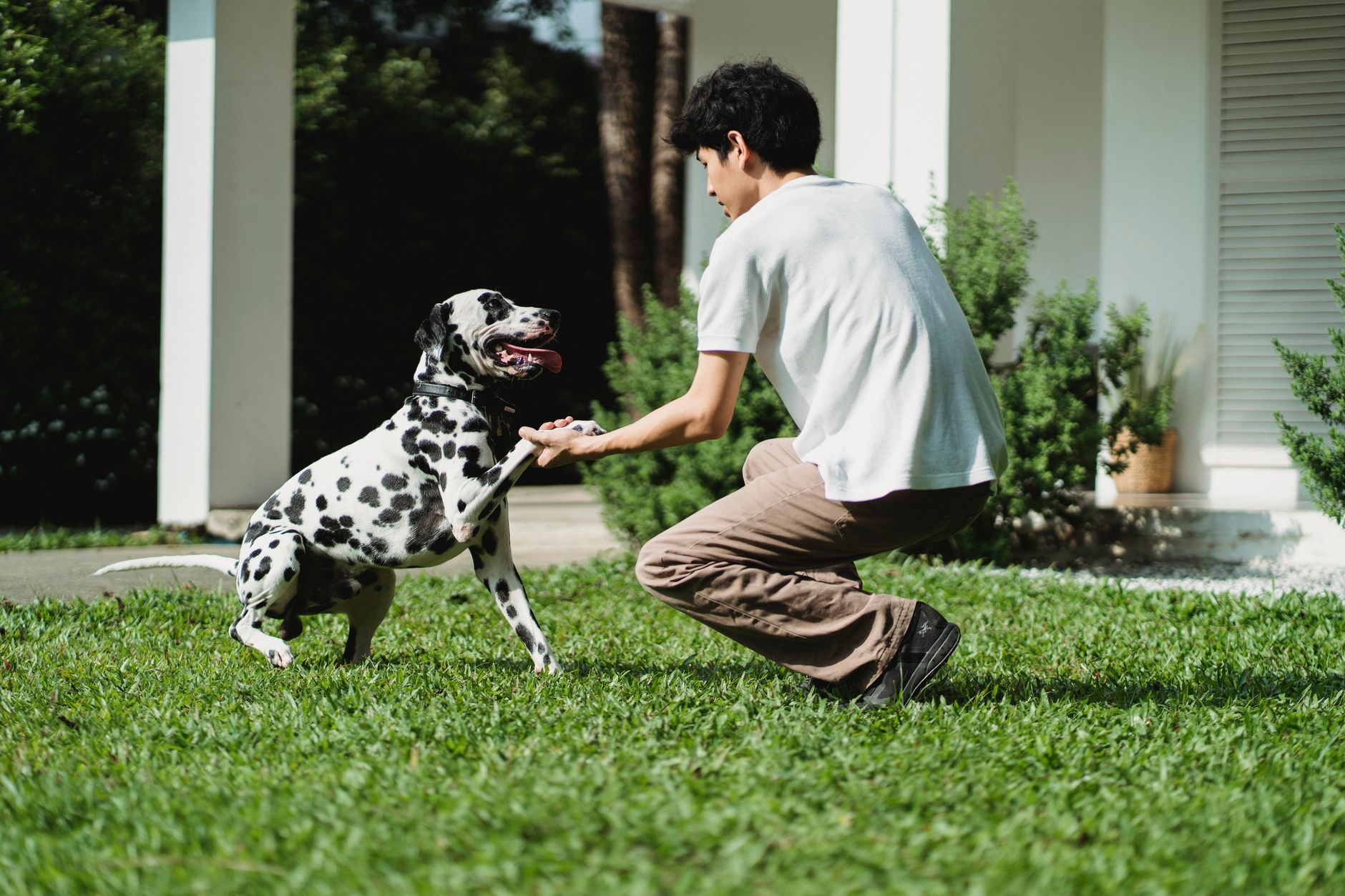
Spending time outside offers numerous benefits for your dog’s physical and mental well-being.
- Physical exercise: Outdoor time allows dogs to run, play, and explore, contributing to their physical fitness and preventing obesity.
- Mental stimulation: New sights, sounds, and smells provide mental enrichment and prevent boredom.
- Socialization (if applicable): Supervised interactions with other dogs and people can improve social skills.
- Vitamin D production: Sunlight helps dogs produce vitamin D, essential for bone health.
- Potty breaks: Provides a designated and appropriate space for eliminating waste.
Creating a Safe and Comfortable Outdoor Environment
Before you start leaving your dog outside alone, ensure the environment is safe and comfortable.
- Secure fencing: The enclosure must be escape-proof, preventing your dog from running away or encountering hazards. Fences should be high enough to prevent jumping and dig-proof to prevent tunneling.
- Shelter: Provide adequate shelter from the sun, rain, and wind. A dog house or covered porch is essential.
- Fresh water: Always have a readily available source of fresh, clean water. Use a tip-proof bowl to prevent spills.
- Comfortable resting area: Offer a comfortable bed or blanket for your dog to relax on.
- Hazard-free zone: Remove any potentially dangerous items, such as toxic plants, sharp objects, or electrical cords.
The Step-by-Step Process of Desensitization
Here’s a step-by-step approach to help your dog get used to being outside alone:
- Start with short intervals: Begin by leaving your dog outside alone for just a few minutes at a time.
- Gradually increase the duration: As your dog becomes more comfortable, slowly increase the amount of time they spend outside alone. Add a few minutes each day.
- Positive reinforcement: When you return, reward your dog with praise, treats, or a favorite toy.
- Stay calm: Avoid making a big deal out of leaving or returning. A calm demeanor will help your dog feel more secure.
- Provide distractions: Give your dog a chew toy or puzzle toy to keep them entertained while you’re away.
- Vary the timing: Leave your dog outside alone at different times of the day to help them adapt to different routines.
- Monitor your dog’s behavior: Watch for signs of anxiety, such as barking, whining, pacing, or destructive behavior. If you notice these signs, reduce the duration of the outdoor time and proceed more slowly.
- Use technology to monitor (optional): Consider using a pet camera to monitor your dog while you’re away, allowing you to intervene if necessary.
Common Mistakes to Avoid
- Leaving your dog outside for too long too soon: This can lead to anxiety and fear.
- Ignoring signs of distress: Pay attention to your dog’s body language and adjust the training accordingly.
- Failing to provide a safe and comfortable environment: A secure and comfortable space is essential for your dog’s well-being.
- Punishing your dog for anxiety-related behaviors: Punishment will only worsen the problem.
- Inconsistency: Consistency is key to success. Follow the training plan consistently to help your dog learn.
Here’s a simple table illustrating how to progressively increase the duration:
| Day | Duration (Minutes) | Notes |
|---|---|---|
| 1-3 | 5 | Observe for signs of anxiety; adjust if needed. |
| 4-6 | 10 | If comfortable, increase by 5 minutes. |
| 7-9 | 15 | Continue monitoring for any signs of stress. |
| 10-12 | 20 | Gradual increases are essential to a dog’s comfort. |
| 13+ | Continue increasing | Increase gradually, depending on your dog’s tolerance and comfort level. |
Frequently Asked Questions (FAQs)
What are the signs that my dog is anxious when left outside alone?

Signs of anxiety can include excessive barking or whining, pacing, digging, destructive chewing (especially around escape routes), trembling, excessive drooling, and self-harm (such as licking or biting themselves excessively). If you observe any of these behaviors, it’s crucial to re-evaluate your training approach and proceed more slowly.
How long should I leave my dog outside alone each day?
The appropriate amount of time varies depending on your dog’s breed, age, temperament, and energy level. Start with short intervals and gradually increase the duration as your dog becomes more comfortable. Some dogs may only tolerate short periods, while others can enjoy several hours outdoors. Always prioritize their safety and well-being.
Is it okay to leave my puppy outside alone?
Leaving a puppy outside alone requires careful consideration. Puppies are more vulnerable to temperature extremes, predators, and accidents. They also require more frequent potty breaks. Never leave a very young puppy unattended for long periods. Supervise them closely and provide a safe, enclosed space within the yard.
My dog barks excessively when left outside alone. What should I do?
Excessive barking often indicates anxiety or boredom. Try providing more enrichment, such as puzzle toys or chew toys. Ensure your dog is getting enough exercise. If the barking persists, consult with a professional dog trainer or behaviorist to address the underlying cause. It’s also worthwhile to consider whether neighbor proximity is a factor in the barking.
What kind of toys are best for dogs left outside alone?
Durable chew toys, puzzle toys, and treat-dispensing toys are great options. Avoid toys that can be easily destroyed and ingested, as these pose a choking hazard. Rotate toys regularly to keep your dog interested.
How can I make sure my dog doesn’t escape from the yard?
Inspect your fence regularly for any weak spots or gaps. Consider adding a dig-proof barrier along the bottom of the fence. Make sure the gate is secure and cannot be opened by your dog. Microchipping your dog is essential in case they do manage to escape.
What if my dog is afraid of being outside alone?
If your dog is genuinely afraid, start with very short intervals and gradually increase the duration. Use positive reinforcement to reward calm behavior. You may also want to consult with a veterinary behaviorist to rule out any underlying medical conditions.
Should I leave food out for my dog when they are outside alone?
It is generally not recommended to leave food out, especially during warmer months, as it can attract pests and spoil. Instead, use treat-dispensing toys or provide a designated feeding time. Always ensure fresh water is available.
What are the dangers of leaving my dog outside alone in hot weather?
Dogs can overheat quickly, leading to heatstroke. Provide plenty of shade and fresh water. Avoid leaving your dog outside during the hottest part of the day. If the temperature is excessively high or humid, keep your dog indoors.
What are the dangers of leaving my dog outside alone in cold weather?
Dogs can suffer from hypothermia and frostbite in cold weather. Provide adequate shelter and insulation. Limit outdoor time during extreme cold. If the temperature is extremely low, keep your dog indoors.
My dog seems bored when left outside alone. What can I do?
Provide plenty of enrichment, such as puzzle toys, chew toys, and a variety of scents. Consider hiding treats around the yard for your dog to find. Rotate toys regularly to maintain interest. You could even install a secure sandbox for digging.
How do I know if my dog is ready to be left outside alone for longer periods?
Your dog is ready when they consistently display calm and relaxed behavior while outside alone. They should not exhibit signs of anxiety, such as barking, whining, or pacing. Observe their body language and gradually increase the duration, always prioritizing their well-being.