
How to Cultivate a More Affectionate Canine Companion: Building a Stronger Bond
Struggling to connect with your furry friend? Learn how to get your dog to be more affectionate towards you through positive reinforcement, understanding their individual needs, and strengthening the bond you share. This guide provides actionable steps to unlock a deeper connection with your beloved pet.
Understanding Canine Affection
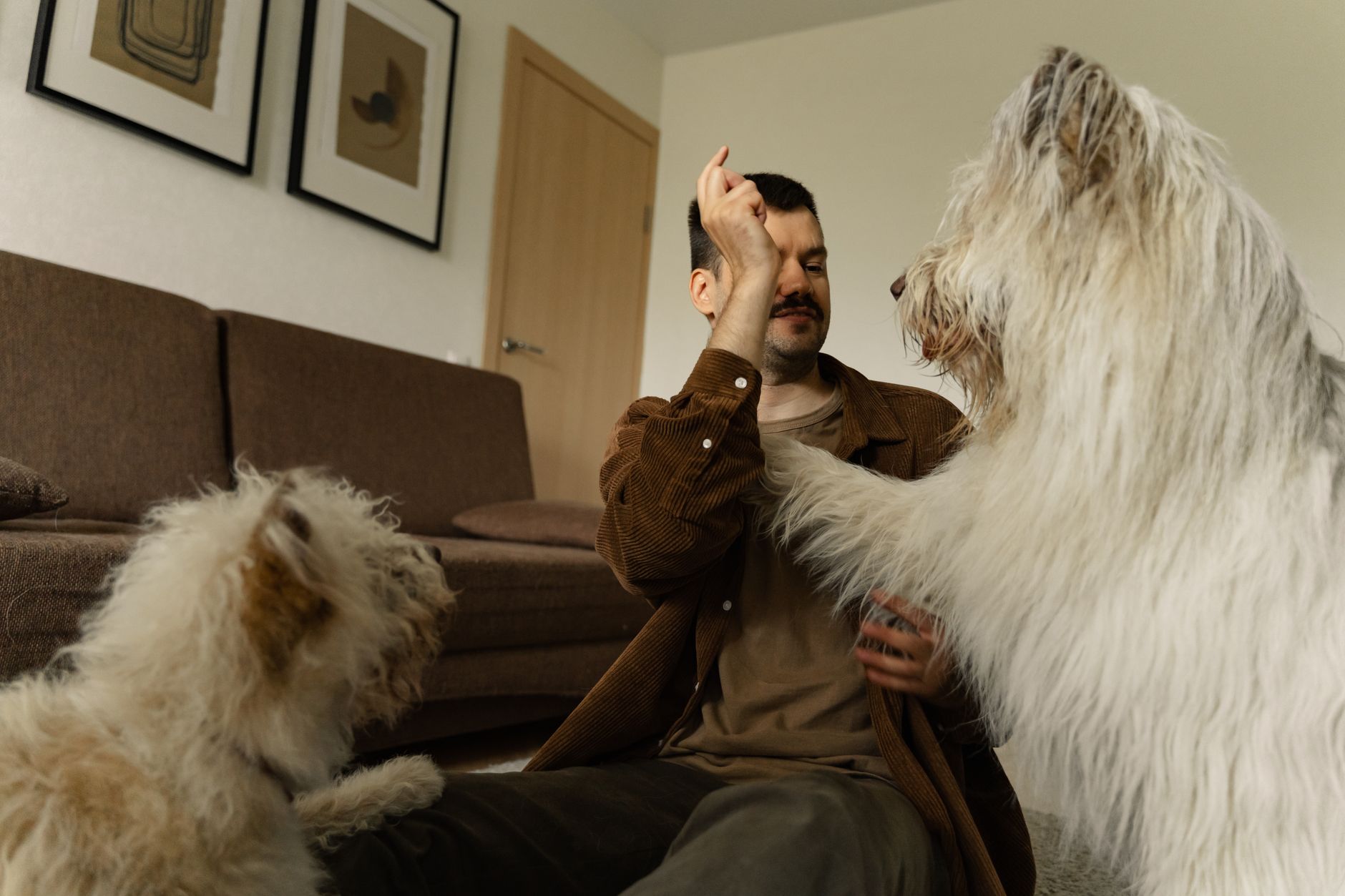
Affection in dogs isn’t a one-size-fits-all concept. Some breeds are naturally more demonstrative than others, and individual personalities play a significant role. Understanding your dog’s baseline behavior is crucial before attempting to increase their displays of affection. A dog who isn’t overtly cuddly can still be deeply bonded to you.
The Benefits of a Stronger Bond
A more affectionate dog isn’t just about receiving more cuddles. A strong bond provides significant benefits:
- Improved obedience: Dogs are more likely to listen to and cooperate with someone they trust and feel connected to.
- Reduced anxiety: A secure attachment can alleviate anxiety and insecurity, leading to calmer and more well-adjusted behavior.
- Enhanced communication: Understanding each other’s cues becomes easier, leading to a more harmonious relationship.
- Increased enjoyment of activities: Shared activities become more rewarding when based on a solid foundation of affection and trust.
The Process: Building a Foundation of Trust and Affection
How do I get my dog to be more affectionate towards me? It begins with a multi-faceted approach focused on building trust, positive association, and understanding.
- Meet Their Basic Needs: Ensuring your dog’s fundamental needs are met is paramount. This includes:
- High-quality food and fresh water.
- Regular exercise tailored to their breed and age.
- Consistent veterinary care, including vaccinations and parasite prevention.
- Safe and comfortable shelter.
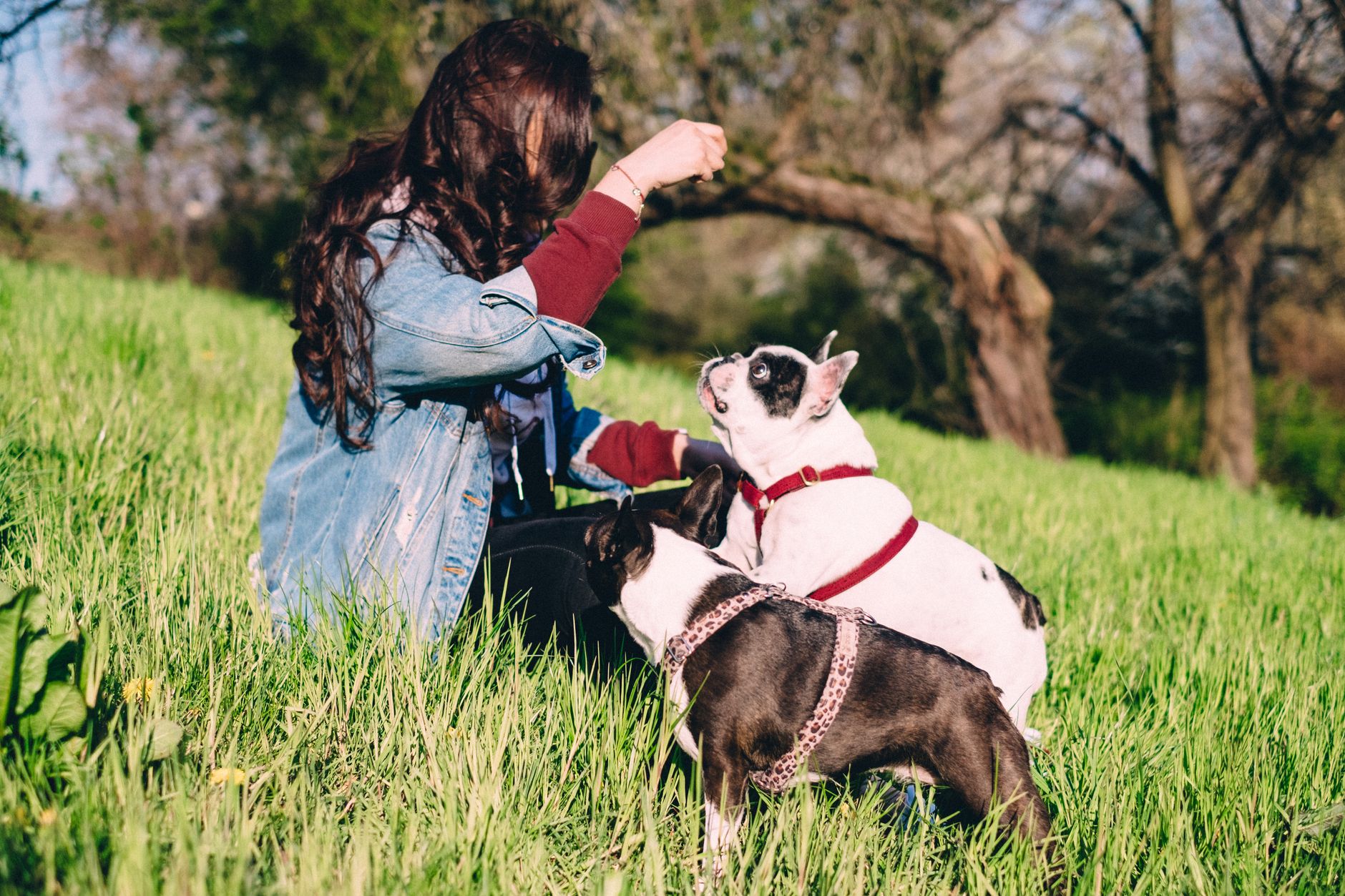
- Positive Reinforcement is Key: Reward affectionate behaviors. When your dog leans against you, licks your hand, or seeks physical contact, immediately offer praise, a treat, or a gentle scratch. Consistency is vital.
- Spend Quality Time Together: Engage in activities your dog enjoys. This could include:
- Playing fetch or tug-of-war.
- Going for walks or hikes.
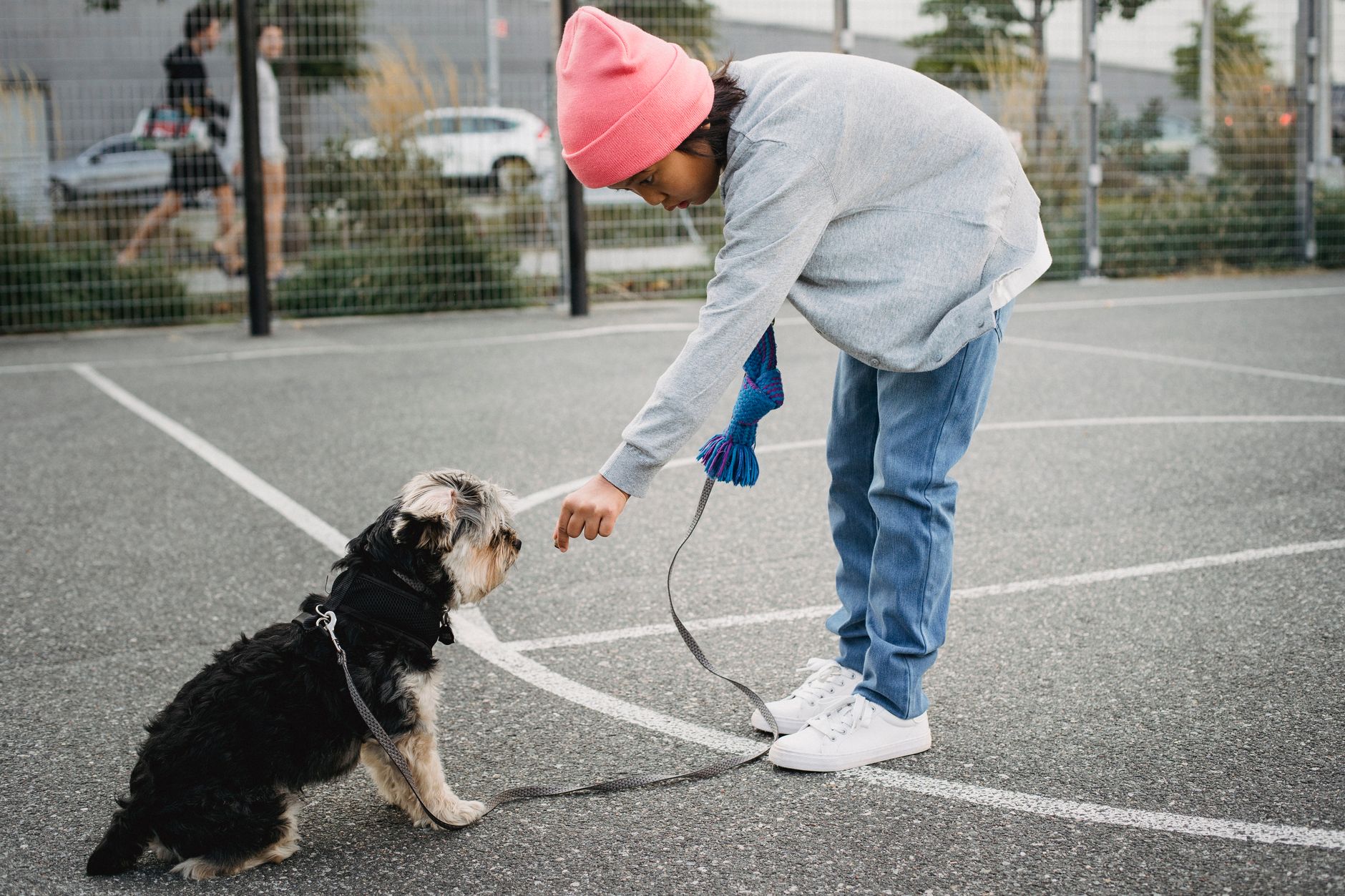
- Participating in training sessions.
- Simply relaxing together on the couch.
- Learn Their Body Language: Pay close attention to your dog’s body language. Recognize signs of stress, anxiety, or discomfort. Forcing affection when your dog is uncomfortable can be counterproductive.
- Respect Their Boundaries: Not all dogs enjoy being hugged or kissed. Observe your dog’s reactions and adjust your behavior accordingly.
- Use Calming Signals: Dogs use calming signals (e.g., yawning, lip licking, turning their head away) to communicate discomfort. Recognizing these signals can help you avoid pushing your dog beyond their comfort zone.
- Create Positive Associations: Associate your presence with positive experiences. Offer treats, toys, or praise whenever you approach your dog.
- Avoid Punishment: Punishment can damage your relationship and create fear and distrust. Focus on positive reinforcement and redirecting unwanted behaviors.
- Practice Patience: Building a strong bond takes time and consistency. Don’t get discouraged if you don’t see results immediately.
Common Mistakes to Avoid
- Forcing Affection: Pushing your dog to be affectionate when they’re not receptive can create negative associations and damage your bond.
- Ignoring Body Language: Failing to recognize signs of discomfort or stress can lead to anxiety and resistance.
- Inconsistency: Sporadic attempts at building affection will be less effective than consistent effort.
- Using Punishment: Punishment can create fear and distrust, hindering the development of a positive relationship.
- Ignoring Individual Preferences: Every dog is different. Tailor your approach to your dog’s unique personality and preferences.
Understanding Breed Differences
Some breeds are genetically predisposed to be more affectionate than others. For instance, Labrador Retrievers and Golden Retrievers are generally known for their affectionate nature. However, even within breeds, individual personalities vary greatly. Do your research to understand breed tendencies, but remember that your dog is an individual.
Creating a Safe and Comfortable Environment
A dog who feels safe and secure is more likely to express affection. Ensure your dog has a comfortable bed, access to fresh water, and a consistent routine. Reduce potential stressors in their environment, such as loud noises or unpredictable interactions.
How do I get my dog to be more affectionate towards me? Considering Underlying Health Issues
Sometimes, a lack of affection can be a sign of an underlying health problem. Pain or discomfort can make a dog less likely to seek physical contact. If your dog’s behavior suddenly changes, consult with your veterinarian to rule out any medical causes.

FAQs: Delving Deeper into Canine Affection
Why doesn’t my dog cuddle with me like other dogs?
Some dogs simply aren’t naturally cuddly. Breed, personality, and past experiences all contribute to a dog’s level of affection. Don’t force it; instead, focus on building a strong bond through other means, such as playing games or going for walks.
Is it possible to make a non-affectionate dog more affectionate?
Yes, it is often possible. However, it requires patience, consistency, and understanding. Focus on building trust and positive associations, respecting their boundaries, and celebrating small victories.
What are some signs that my dog is showing affection?
Affection can manifest in various ways, including leaning against you, licking your hand, bringing you toys, following you around, making eye contact, and wagging their tail. Pay attention to subtle cues.
My dog used to be affectionate, but now they’re not. What could be the reason?
Changes in behavior can indicate a medical issue, stress, or a change in their environment. Consult with your veterinarian to rule out any underlying health problems and address any potential stressors.
How can I use training to build a stronger bond with my dog?
Training provides an opportunity for positive interaction and communication. Use positive reinforcement methods to reward desired behaviors and build trust.
What types of toys are best for bonding with my dog?
Interactive toys, such as puzzle toys or toys you can play fetch with, are excellent for strengthening your bond. Choose toys your dog enjoys and use them during playtime.
Is it okay to give my dog treats to encourage affection?
Yes, using treats as positive reinforcement is perfectly acceptable. However, ensure you’re using healthy treats and not overfeeding your dog.
How often should I try to interact with my dog to build affection?
Consistency is key. Aim for multiple short interactions throughout the day rather than one long session. Even a few minutes of focused attention can make a difference.
My dog gets anxious when I try to cuddle them. What should I do?
Respect their boundaries and avoid forcing affection. Gradually introduce physical contact by starting with gentle petting and observing their reaction. If they show signs of anxiety, back off and try again later.
How important is it to speak to my dog in a loving tone of voice?
Your tone of voice plays a significant role in how your dog perceives your intentions. Use a calm and soothing tone when interacting with them to create a positive association.
Can introducing a new pet affect my dog’s affection towards me?
Yes, introducing a new pet can disrupt the existing dynamic. Ensure your dog receives plenty of individual attention and affection to prevent feelings of jealousy or insecurity.
How do I know if I’m making progress in getting my dog to be more affectionate towards me?
Look for subtle signs of progress, such as increased eye contact, more frequent tail wags, or a willingness to be closer to you. Celebrate these small victories and continue to reinforce positive behaviors.