

How Humans Protect Lions: Ensuring the Survival of the King
Humans protect lions through a multi-faceted approach involving bold habitat preservation, bold anti-poaching efforts, bold community engagement, and bold scientific monitoring, all aimed at safeguarding the future of this iconic species. Ultimately, how do humans protect lions comes down to minimizing threats and promoting sustainable coexistence.
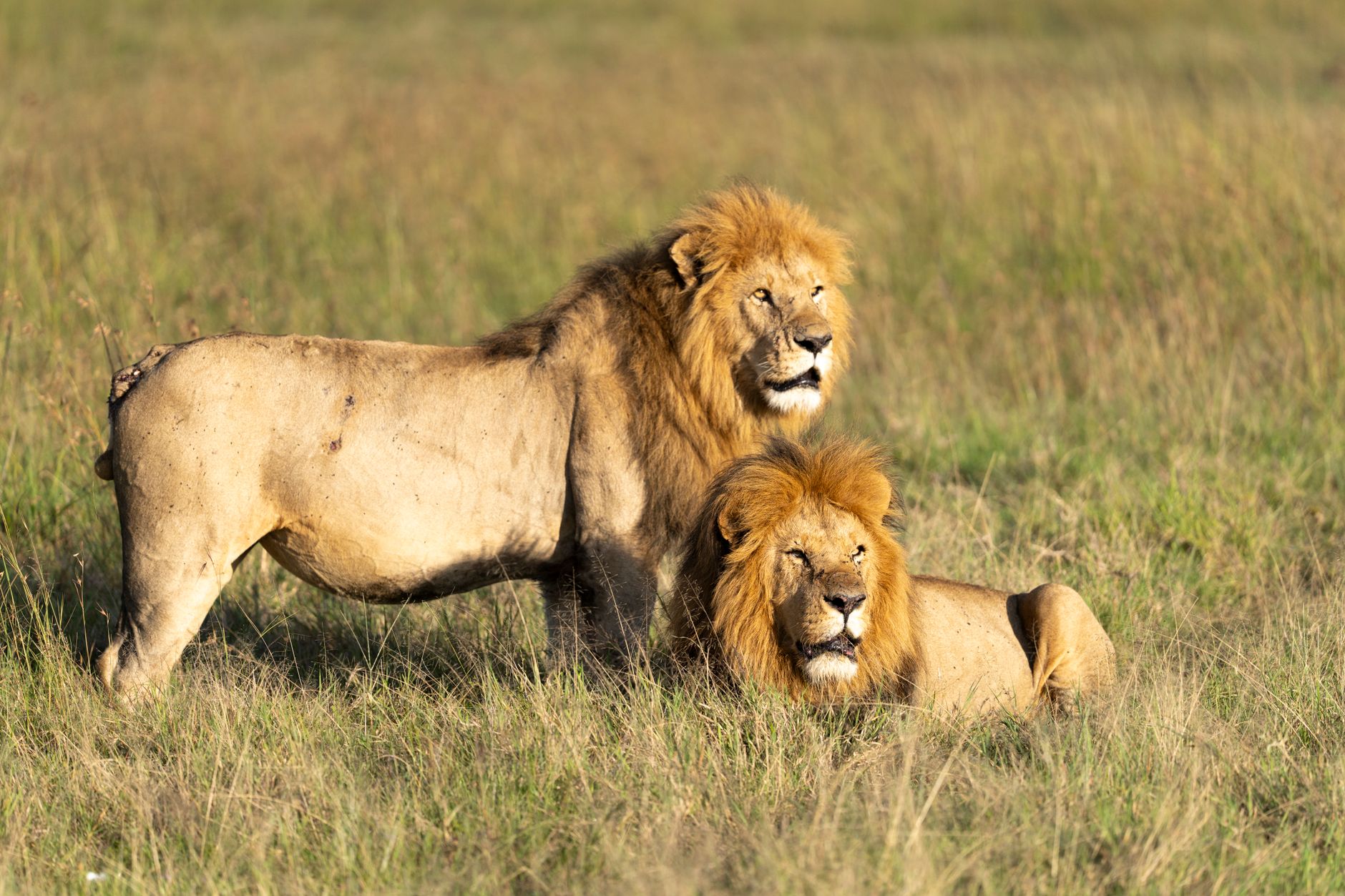
The Lion’s Plight: A Species in Decline
Lions, the majestic apex predators of the African savanna, face an increasingly precarious future. Their populations have plummeted over the past century due to a complex interplay of factors, including habitat loss, human-wildlife conflict, prey depletion, and poaching. Understanding the threats they face is crucial to implementing effective conservation strategies. How do humans protect lions is a question born from a responsibility to reverse this decline.
Habitat Preservation: Securing the Lion’s Domain

The most fundamental aspect of lion conservation is protecting their habitat. This involves:
- Establishing and managing protected areas: National parks, game reserves, and conservancies provide safe havens for lions and their prey.
- Combating deforestation and land conversion: Protecting forests and grasslands from being converted into farmland or settlements is critical.
- Creating wildlife corridors: These corridors connect fragmented habitats, allowing lions to move freely and maintain genetic diversity.
- Promoting sustainable land use practices: Encouraging responsible agriculture and livestock management can minimize the impact on lion habitats.
Anti-Poaching Efforts: Combating Illegal Hunting
Poaching poses a significant threat to lion populations. Anti-poaching efforts are essential to deter illegal hunting and protect lions from being killed for their body parts or as retaliation for livestock depredation.
- Deploying anti-poaching patrols: Trained rangers patrol protected areas to detect and deter poachers.
- Using technology to monitor lion populations: GPS tracking collars and camera traps provide valuable data on lion movements and population dynamics.
- Strengthening law enforcement: Prosecuting poachers and imposing strict penalties is crucial to deter future illegal activities.
- Working with local communities: Engaging local communities in anti-poaching efforts can enhance surveillance and provide valuable intelligence.
Community Engagement: Fostering Coexistence
Lion conservation is most effective when local communities are actively involved. Engaging communities in conservation efforts can:
- Reduce human-wildlife conflict: Implementing strategies to prevent lions from preying on livestock, such as providing livestock enclosures and compensation schemes, can reduce retaliatory killings.
- Promote sustainable livelihoods: Supporting community-based tourism and other income-generating activities that benefit local communities from lion conservation can create incentives for coexistence.
- Raise awareness about lion conservation: Educating communities about the importance of lions and the benefits of protecting them can foster a sense of ownership and responsibility.
- Supporting community-led conservation initiatives: Empowering local communities to manage their own natural resources can lead to more sustainable conservation outcomes.
Scientific Monitoring: Tracking Lion Populations and Health
Scientific monitoring is crucial for assessing the effectiveness of conservation efforts and identifying emerging threats.
- Conducting population surveys: Regular population surveys provide data on lion abundance and distribution.
- Monitoring lion health and disease: Veterinary care and disease surveillance are essential to protect lion populations from outbreaks of infectious diseases.
- Studying lion behavior and ecology: Research on lion behavior and ecology provides insights into their habitat needs and social dynamics.
- Analyzing data to inform conservation decisions: Data collected through scientific monitoring is used to inform conservation strategies and adjust management practices.
Translocation and Reintroduction Programs: Expanding Lion Ranges
In some cases, boldtranslocation and boldreintroduction programs are used to establish new lion populations or augment existing ones. These programs require careful planning and monitoring to ensure success.
- Selecting suitable release sites: Release sites should have sufficient prey, minimal human disturbance, and be free of existing lion populations to avoid conflict.
- Acclimating lions to their new environment: Lions are typically kept in enclosures for a period of time to allow them to adjust to their new surroundings.
- Monitoring lion movements and survival rates: Post-release monitoring is essential to track lion movements, survival rates, and reproductive success.
- Addressing potential conflicts with local communities: Working with local communities to mitigate potential conflicts is crucial for the long-term success of translocation and reintroduction programs.
Benefits of Protecting Lions
Protecting lions provides a range of benefits, including:
- Ecological benefits: Lions play a crucial role in maintaining the health and balance of ecosystems by regulating prey populations.
- Economic benefits: Lion-based tourism generates significant revenue for local communities and national economies.
- Cultural benefits: Lions are a symbol of strength, courage, and majesty and hold cultural significance for many people.
- Ethical considerations: Protecting lions is a moral imperative, as we have a responsibility to ensure the survival of all species.
Common Mistakes in Lion Conservation
Despite the progress that has been made in lion conservation, there are still some common mistakes that can undermine conservation efforts. These include:
- Failing to address the root causes of human-wildlife conflict: Focusing solely on mitigating the symptoms of conflict without addressing the underlying causes can lead to unsustainable solutions.
- Neglecting the needs of local communities: Conservation efforts that do not benefit local communities are unlikely to be successful in the long term.
- Lack of coordination among stakeholders: Effective lion conservation requires collaboration among government agencies, conservation organizations, local communities, and other stakeholders.
- Inadequate funding: Insufficient funding can limit the effectiveness of conservation efforts.

Frequently Asked Questions (FAQs)
Why are lion populations declining?
Lion populations are declining due to a combination of factors including bold habitat loss, bold human-wildlife conflict, bold prey depletion, and bold poaching. These threats are often interconnected and require comprehensive conservation strategies to address them effectively.
What role does habitat loss play in the decline of lion populations?
Habitat loss is a major driver of lion population decline as it bold reduces the amount of space available for lions to live and hunt, leading to increased competition for resources and greater vulnerability to human-wildlife conflict. Protecting and restoring lion habitats is crucial for their long-term survival.
How does human-wildlife conflict impact lion populations?
Human-wildlife conflict, particularly the bold killing of lions in retaliation for livestock depredation, is a significant threat to lion populations. Implementing strategies to prevent lion attacks on livestock and compensate farmers for losses can help reduce retaliatory killings.
What are the main drivers of poaching of lions?
Poaching of lions is driven by the bold demand for lion body parts, which are used in traditional medicine and as trophies. Strengthening law enforcement and reducing the demand for lion products are essential to combat poaching.
How can local communities benefit from lion conservation?
Local communities can benefit from lion conservation through bold tourism revenue, bold employment opportunities, and bold access to natural resources. Involving local communities in conservation efforts can create incentives for coexistence and ensure the long-term sustainability of conservation programs.
What is the role of protected areas in lion conservation?
Protected areas, such as national parks and game reserves, play a vital role in lion conservation by providing bold safe havens for lions and their prey. Effective management of protected areas is essential to maintain their ecological integrity and prevent human encroachment.
How does climate change affect lions?
Climate change can bold exacerbate existing threats to lions, such as habitat loss and prey depletion, by altering rainfall patterns, increasing temperatures, and causing more frequent droughts. Mitigating climate change and adapting to its impacts are crucial for lion conservation.
What is the importance of scientific monitoring for lion conservation?
Scientific monitoring provides bold valuable data on lion populations, behavior, and health, which is essential for assessing the effectiveness of conservation efforts and identifying emerging threats. Data-driven decision-making is crucial for successful lion conservation.
How do humans protect lions through eco-tourism?
Ecotourism that is ethical and well managed provides bold economic incentives to protect lions and their habitats, offering an alternative revenue stream to communities that might otherwise be tempted to kill lions for their body parts or as perceived threats. Revenue from tours pays for conservation efforts.
What is the role of international collaboration in lion conservation?
International collaboration is essential for lion conservation as it bold facilitates the exchange of knowledge, resources, and expertise among countries and organizations. Addressing transboundary threats, such as poaching and habitat loss, requires coordinated efforts at the international level.
How can I get involved in lion conservation?
You can get involved in lion conservation by bold supporting conservation organizations, bold raising awareness about the threats facing lions, and bold making sustainable choices that reduce your impact on the environment. Every action, no matter how small, can make a difference.
What is the long-term outlook for lion populations?
The long-term outlook for lion populations depends on bold continued and intensified conservation efforts. By addressing the threats they face, promoting coexistence with local communities, and ensuring their long-term security, we can secure a future for lions in the wild. The answer to how do humans protect lions will ultimately determine their survival.