
How Did the Neolithic Revolution Transform Our Relationship with the Environment?

The Neolithic Revolution irrevocably altered humanity’s relationship with the environment, shifting us from passive hunter-gatherers dependent on nature’s bounty to active managers and shapers of the landscape through agriculture and domestication. This profound transition, characterized by sedentary lifestyles and burgeoning populations, initiated a trajectory of environmental impact that continues to this day.

The Dawn of Domestication: A Paradigm Shift
The Neolithic period, beginning around 10,000 BCE in the Near East and spreading across the globe over millennia, marks a pivotal point in human history. Prior to this, Paleolithic humans lived a nomadic existence, foraging for wild plants and hunting animals. Their environmental impact, while present, was relatively minimal and dispersed. The Neolithic Revolution witnessed the development of agriculture, the deliberate cultivation of crops, and the domestication of animals, bringing about a dramatic change.
From Hunter-Gatherer to Farmer: The Sedentary Revolution
The transition to agriculture wasn’t immediate or uniform. It involved a gradual process of experimentation, observation, and adaptation. However, its consequences were far-reaching. Sedentary lifestyles became the norm, as people settled in fixed locations to tend their crops. This led to the development of permanent settlements, villages, and eventually, cities. The concentration of human populations in specific areas meant a more localized and intensified impact on the surrounding environment.
Landscape Modification: Reshaping the Earth
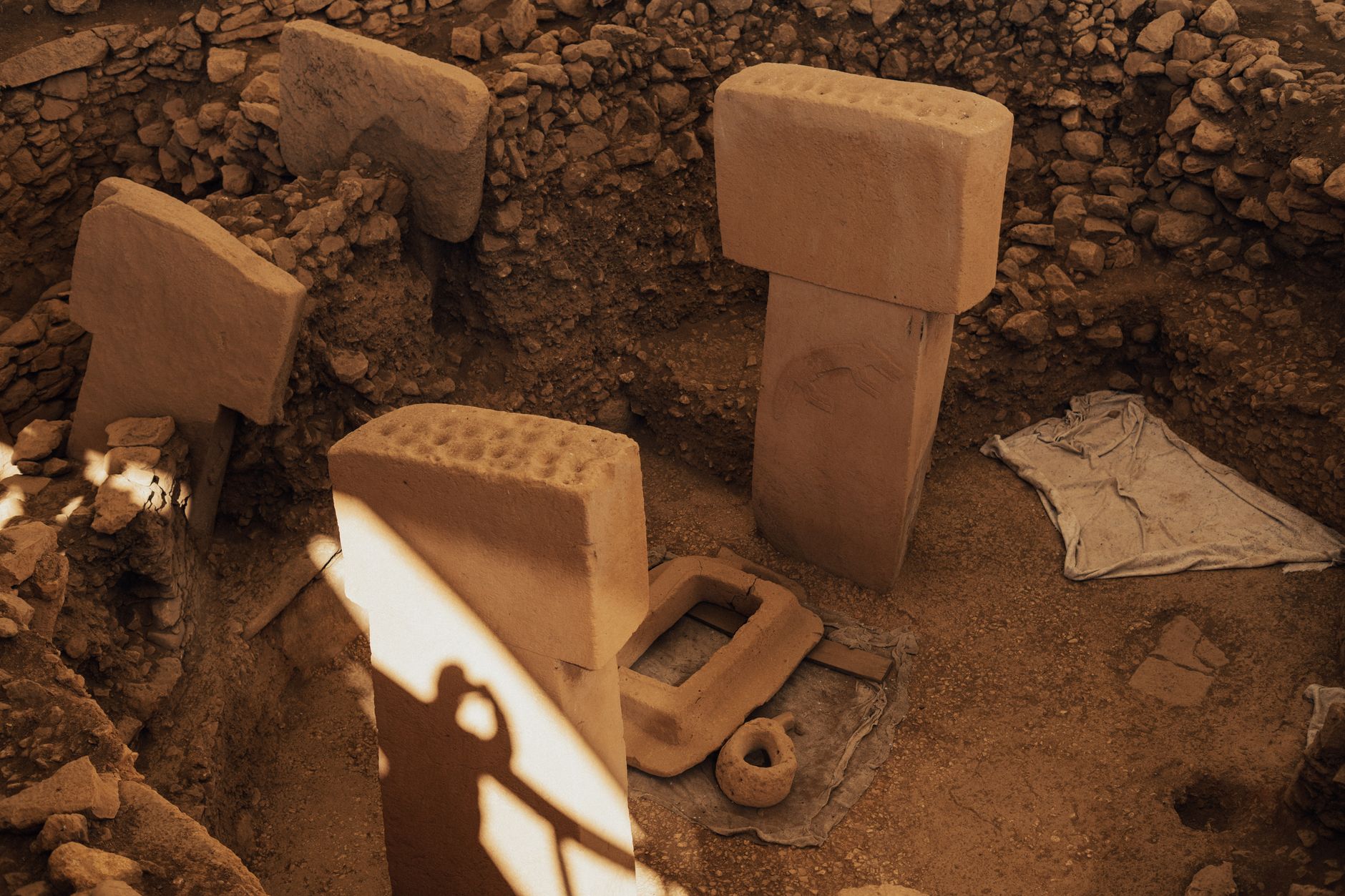
One of the most significant environmental changes brought about by the Neolithic Revolution was landscape modification. Forests were cleared to create fields for planting, wetlands were drained, and irrigation systems were developed to manage water resources. These activities, while enabling increased food production, also resulted in deforestation, soil erosion, and habitat loss. The deliberate manipulation of the natural world marked a new chapter in the human-environment relationship.
Environmental Consequences: A Double-Edged Sword
While agriculture provided a more reliable food supply and allowed for population growth, it also came with a host of environmental problems.
Deforestation and Habitat Loss
The clearing of forests for agriculture had a devastating impact on biodiversity. As forests were replaced with cultivated fields, the habitats of countless plant and animal species were destroyed, leading to species extinction and ecosystem disruption. The loss of tree cover also contributed to soil erosion, as the land became more vulnerable to the elements.
Soil Degradation and Erosion
Intensive agriculture practices, such as repeated planting of the same crops, led to soil depletion and a decline in soil fertility. The lack of fallow periods and the absence of natural vegetation cover exposed the soil to erosion by wind and water. This resulted in the loss of valuable topsoil, reducing agricultural productivity and contributing to land degradation.
Water Management and Pollution
The development of irrigation systems, while essential for agriculture in arid regions, also had negative environmental consequences. The diversion of water from rivers and streams reduced downstream flows, impacting aquatic ecosystems. Furthermore, the use of fertilizers and pesticides in agriculture led to water pollution, contaminating both surface and groundwater resources.
Increased Carbon Dioxide Levels
The burning of forests for agriculture and the cultivation of rice paddies contributed to an increase in atmospheric carbon dioxide levels. Deforestation reduced the capacity of the land to absorb carbon dioxide, while rice cultivation released methane, a potent greenhouse gas. These factors contributed to climate change, albeit on a smaller scale than modern industrial activities.

Frequently Asked Questions (FAQs)
Q1: What were the primary crops domesticated during the Neolithic period?
The primary crops domesticated during the Neolithic period varied by region. In the Near East, wheat, barley, lentils, and peas were among the first crops to be cultivated. In East Asia, rice and millet were domesticated. In the Americas, maize, beans, and squash were important crops.
Q2: What animals were first domesticated, and what were they used for?
Dogs were likely the first animals domesticated, pre-dating the Neolithic period. Following that, sheep, goats, pigs, and cattle were domesticated. These animals provided meat, milk, wool, and labor for plowing and transportation.
Q3: Did the Neolithic Revolution occur simultaneously across the globe?
No, the Neolithic Revolution did not occur simultaneously. It began independently in different regions, with the Near East being one of the earliest centers. The spread of agriculture and domestication varied depending on geographical factors, climate, and the availability of suitable plants and animals.
Q4: How did the Neolithic Revolution impact human population sizes?
The Neolithic Revolution led to a significant increase in human population sizes. Agriculture provided a more reliable and abundant food supply, which supported larger populations. Sedentary lifestyles also allowed for shorter birth intervals and increased fertility rates.
Q5: What types of tools were developed during the Neolithic period?
The Neolithic period saw the development of a wide range of tools, including polished stone axes for felling trees, hoes for tilling the soil, sickles for harvesting crops, and grinding stones for processing grains. Pottery was also invented for storing and cooking food.
Q6: How did the Neolithic Revolution affect social structures?
The Neolithic Revolution led to more complex social structures. Sedentary lifestyles and increased population densities resulted in the development of villages and, eventually, cities. This led to social stratification, specialization of labor, and the emergence of leadership roles.
Q7: What is the Fertile Crescent, and what is its significance in the Neolithic Revolution?
The Fertile Crescent is a region in the Middle East encompassing parts of modern-day Iraq, Syria, Turkey, and Iran. It is considered one of the cradles of agriculture and the Neolithic Revolution. The region’s fertile soil, abundant water resources, and diverse plant and animal life made it ideal for the development of agriculture and domestication.
Q8: What are some of the negative health consequences associated with the Neolithic Revolution?
While agriculture improved food security, it also had some negative health consequences. Increased reliance on a limited range of crops led to nutritional deficiencies. Denser populations facilitated the spread of infectious diseases. Furthermore, the physically demanding work of agriculture led to musculoskeletal problems.
Q9: How did the Neolithic Revolution contribute to the development of warfare?
The Neolithic Revolution indirectly contributed to the development of warfare. Increased population densities and competition for resources led to territorial disputes and conflicts between communities. The accumulation of surplus food and valuable resources also made settled communities targets for raids and attacks.
Q10: Is there any evidence of environmental awareness or sustainable practices during the Neolithic period?
While the overall environmental impact of the Neolithic Revolution was significant, there is some evidence of environmental awareness and sustainable practices in certain regions. For example, some communities practiced crop rotation to maintain soil fertility, while others managed water resources sustainably through careful irrigation practices. However, these practices were not always widespread or effective.
Q11: What is the difference between domestication and taming?
Taming involves reducing an animal’s fear of humans, often on an individual level. Domestication is a broader process that involves genetically altering a species over generations to make it more amenable to human control. Domesticated animals exhibit behavioral and physical traits that distinguish them from their wild ancestors.
Q12: What lessons can we learn from the environmental impact of the Neolithic Revolution that are relevant to today’s environmental challenges?
The Neolithic Revolution provides valuable lessons about the long-term consequences of human actions on the environment. It highlights the importance of sustainable land management practices, biodiversity conservation, and responsible water resource management. By understanding the environmental impacts of the Neolithic Revolution, we can make more informed decisions about how to address today’s pressing environmental challenges, such as climate change, deforestation, and biodiversity loss. We must strive for a more balanced and sustainable relationship with the planet.