
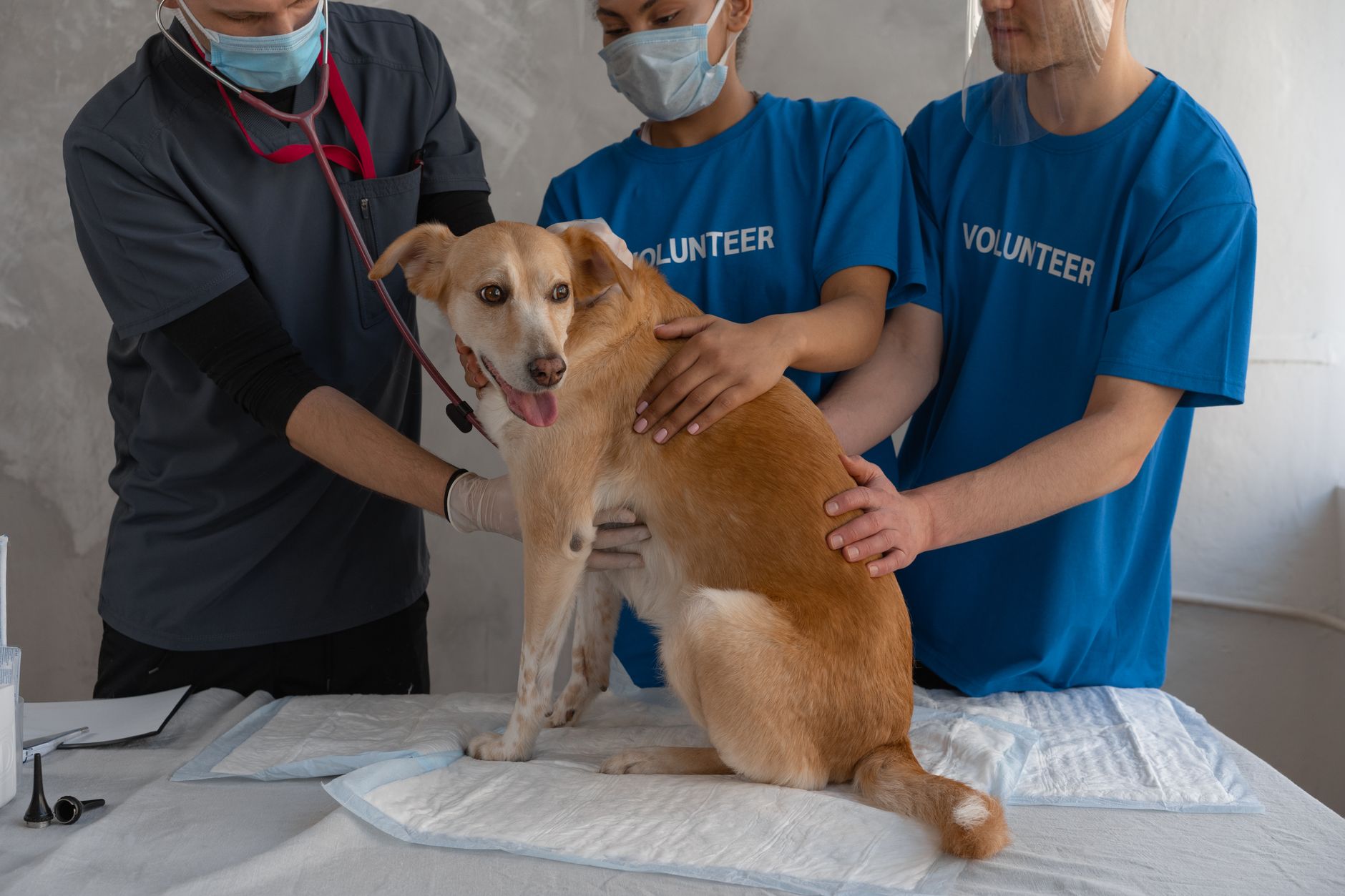
How Can You Tell If Your Dog Is Unwell?
Knowing how to tell if your dog is unwell is crucial for responsible pet ownership. This guide provides insights into recognizing subtle changes in behavior and physical condition that indicate your furry friend may need veterinary attention.

Introduction: Your Dog’s Silent Signals
Our canine companions are masters at masking pain and illness. This instinct, honed over millennia, helps them avoid appearing vulnerable to predators. However, it also means that as loving pet parents, we must be vigilant observers, tuning into the subtle signs that indicate something isn’t quite right. Learning how can you tell if your dog is unwell? is not just about spotting obvious symptoms; it’s about understanding your dog’s baseline behavior and recognizing deviations from it. This article will provide the knowledge and tools you need to become a proactive advocate for your dog’s health.
Understanding Normal Dog Behavior
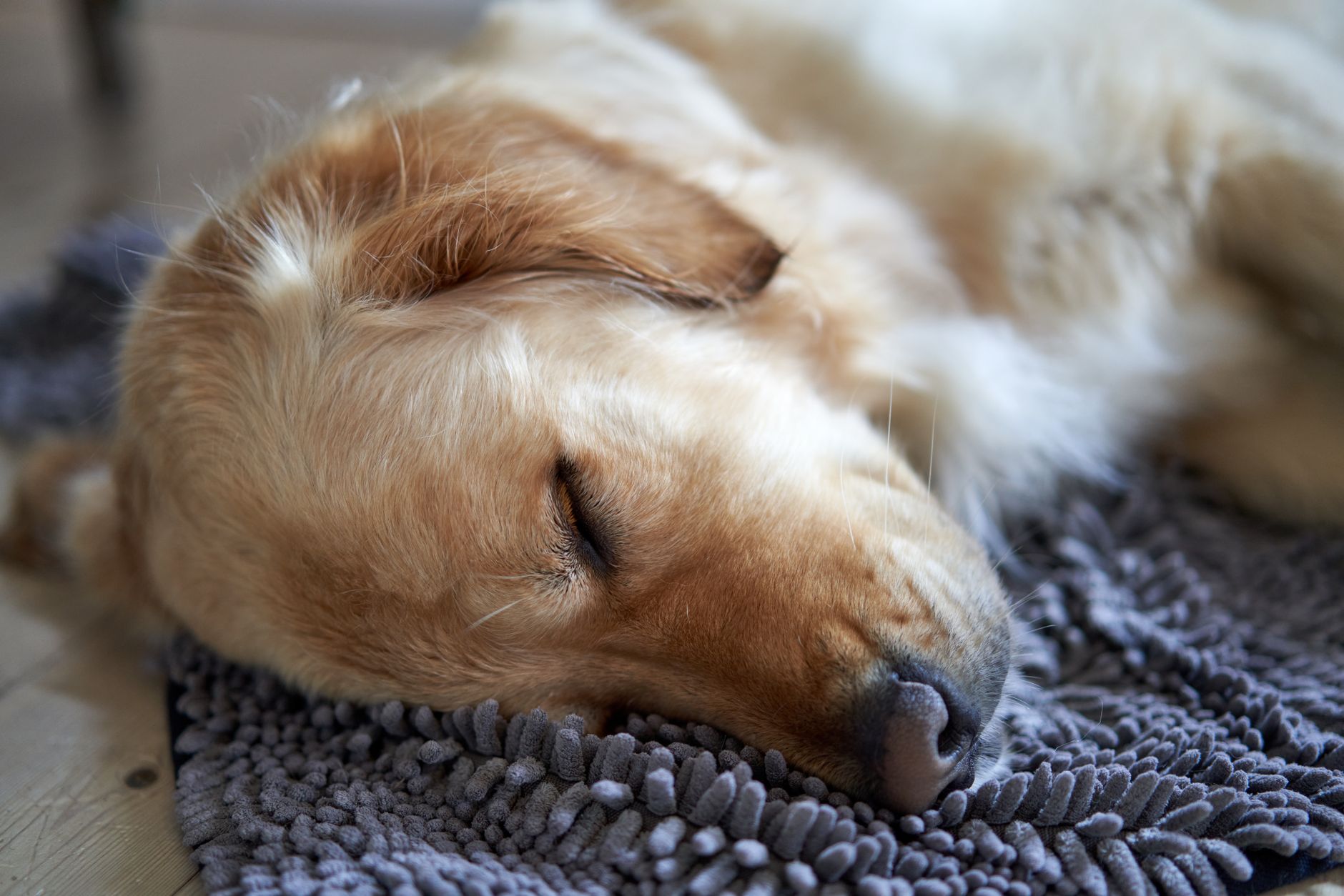
Before you can identify abnormal behavior, it’s essential to understand what constitutes “normal” for your dog. This will vary based on breed, age, personality, and overall health.
- Appetite and Thirst: Note how much your dog typically eats and drinks. Changes in appetite or increased thirst can signal underlying issues.
- Activity Level: Is your dog usually energetic and playful, or more laid-back? A sudden decrease in activity level can be a red flag.
- Sleep Patterns: Pay attention to how much your dog sleeps and where they prefer to rest. Changes in these patterns can indicate discomfort or illness.
- Elimination Habits: Monitor the frequency and consistency of your dog’s urination and bowel movements. Any changes in these areas should be noted.
- Grooming Habits: Most dogs groom themselves regularly. A sudden lack of grooming or excessive grooming in a specific area can indicate a problem.
Physical Signs of Illness
Beyond behavioral changes, there are several physical signs that can indicate your dog is unwell. Being familiar with these signs is key to understanding how can you tell if your dog is unwell?.
- Changes in Breathing: Rapid, labored, or shallow breathing can indicate respiratory problems or pain.
- Coat and Skin Changes: Dull, dry fur, excessive shedding, skin lesions, or lumps and bumps can be signs of underlying health issues.
- Eye and Nose Discharge: Discharge from the eyes or nose can indicate infection or allergies.
- Vomiting and Diarrhea: While occasional vomiting or diarrhea may be normal, frequent or severe episodes require veterinary attention.
- Limping or Stiffness: Difficulty walking, limping, or stiffness can indicate pain or joint problems.
- Weight Loss or Gain: Unexplained weight loss or gain can be a sign of various underlying conditions.
- Oral Health: Bad breath, excessive drooling, or bleeding gums can indicate dental problems.
Behavioral Changes That Indicate Illness
Dogs often communicate their discomfort through changes in behavior. These subtle shifts are crucial to observe and understand.
- Lethargy: A decrease in energy levels or a lack of interest in activities they usually enjoy.
- Loss of Appetite: Refusal to eat or a decreased interest in food.
- Changes in Temperament: Irritability, aggression, or withdrawal.
- Excessive Panting: Panting even when not hot or after minimal exertion.
- Hiding: Seeking secluded places and avoiding interaction.
- Increased Vocalization: Excessive barking, whining, or howling.
Using a Checklist for Monitoring Your Dog’s Health
A checklist can be a valuable tool for regularly assessing your dog’s health and detecting changes early on. Consider creating a simple checklist that includes the following:
- Appearance: Coat condition, skin condition, eye and nose discharge, body weight.
- Behavior: Activity level, appetite, thirst, elimination habits, sleep patterns, grooming habits, temperament.
- Physical Examination: Palpate the body for lumps or bumps, check gums and teeth, listen to breathing.
Using a checklist weekly, or even daily, can provide a good overview of your dog’s health status.
When to Seek Veterinary Care
Knowing when to seek veterinary care is critical. While minor changes may not warrant immediate attention, certain symptoms demand prompt action.
- Severe Vomiting or Diarrhea: Especially if accompanied by blood or weakness.
- Difficulty Breathing: Any sign of labored or rapid breathing requires immediate attention.
- Loss of Consciousness: Even brief episodes of unconsciousness require immediate veterinary care.
- Seizures: Seizures are a serious medical emergency.
- Severe Pain: Signs of extreme pain, such as whimpering, guarding, or aggression when touched.
- Suspected Poisoning: If you suspect your dog has ingested something poisonous, contact your veterinarian or a pet poison helpline immediately.
Table: Urgent vs. Non-Urgent Veterinary Situations
| Symptom | Urgency Level | Action |
|---|---|---|
| Severe Vomiting | Urgent | Seek immediate veterinary care. |
| Minor Vomiting | Non-Urgent | Monitor; withhold food for 12 hours. If persistent, see vet. |
| Difficulty Breathing | Urgent | Seek immediate veterinary care. |
| Mild Coughing | Non-Urgent | Monitor; if persistent, see vet. |
| Sudden Weakness | Urgent | Seek immediate veterinary care. |
| Slight Lethargy | Non-Urgent | Monitor; if persistent, see vet. |
| Suspected Poisoning | Urgent | Contact vet or poison control immediately. |
Frequently Asked Questions (FAQs)
How often should I take my dog to the vet for a check-up?
Annual check-ups are recommended for most adult dogs. Senior dogs (typically 7 years or older, depending on breed) often benefit from bi-annual check-ups to detect age-related health issues early. Your veterinarian can advise on the best schedule for your dog’s specific needs.
What are the common signs of a urinary tract infection (UTI) in dogs?
Common signs of a UTI include frequent urination, straining to urinate, blood in the urine, and accidents in the house. If you notice any of these symptoms, consult your veterinarian promptly.
Can allergies cause changes in my dog’s behavior?
Yes, allergies can definitely affect your dog’s behavior. Skin allergies, in particular, can cause intense itching, leading to anxiety, restlessness, and excessive licking or scratching. Food allergies can also cause gastrointestinal upset, leading to changes in appetite and behavior.
How can I check my dog’s temperature at home?
The most accurate way to check your dog’s temperature is rectally using a digital thermometer. Lubricate the thermometer with petroleum jelly and gently insert it about one inch into the rectum. A normal temperature for dogs is between 101°F and 102.5°F.
What should I do if my dog suddenly stops eating?
If your dog misses one meal but is otherwise acting normally, it’s often not cause for concern. However, if your dog refuses to eat for 24 hours or more, or if it’s accompanied by other symptoms like vomiting, diarrhea, or lethargy, you should seek veterinary attention.
How can I tell if my dog is in pain?
Signs of pain in dogs can be subtle. Look for changes in behavior, such as decreased activity, reluctance to be touched, hiding, whimpering, panting, or aggression. A change in posture or gait can also indicate pain.
What are some common causes of vomiting in dogs?
Vomiting in dogs can be caused by a variety of factors, including eating something they shouldn’t, food allergies, infections, parasites, or underlying medical conditions. If your dog vomits frequently or if the vomiting is severe, consult your veterinarian.
What are the signs of canine cognitive dysfunction (CCD) or dog dementia?
CCD is a condition that affects older dogs and is similar to Alzheimer’s disease in humans. Symptoms may include disorientation, confusion, changes in sleep patterns, loss of house training, and decreased social interaction.
How can I prevent my dog from getting sick?
Preventative care is key to keeping your dog healthy. This includes regular vaccinations, parasite prevention, a balanced diet, regular exercise, and routine veterinary check-ups.
What are the common signs of kennel cough?
Kennel cough is a highly contagious respiratory infection in dogs. Common signs include a dry, hacking cough, sneezing, runny nose, and mild fever. It’s often likened to a “goose honk” cough.
Is it normal for my dog to have bad breath?
While some dogs naturally have slightly stronger breath than others, excessive bad breath is often a sign of dental disease. Regular dental care, including brushing your dog’s teeth and professional cleanings, is essential for maintaining good oral health.
How important is it to monitor my dog’s poop?
Monitoring your dog’s poop is crucial because it can offer early warning signs of digestive upset or other health problems. Healthy dog poop should be firm, moist, and easy to pick up. Changes in color, consistency, or frequency can indicate a problem.