
How Can We Save the Environment?

Saving the environment requires a multifaceted, global commitment to sustainable practices, moving beyond short-term economic gains to prioritize the long-term health of our planet and its ecosystems. This transformation demands a shift in mindset, coupled with impactful actions at individual, corporate, and governmental levels, focusing on reducing our environmental footprint, promoting ecological restoration, and fostering a circular economy.

Understanding the Crisis: A Deep Dive
Our planet is facing unprecedented environmental challenges, from climate change and biodiversity loss to pollution and resource depletion. Understanding the urgency and interconnectedness of these issues is the first step towards effective solutions. Climate change, driven primarily by greenhouse gas emissions, is causing rising global temperatures, extreme weather events, and sea-level rise. Biodiversity loss, largely due to habitat destruction and overexploitation, threatens the delicate balance of ecosystems. Pollution, in its various forms (air, water, soil), contaminates our environment and poses significant health risks. And resource depletion, driven by unsustainable consumption patterns, is straining the Earth’s finite resources.
The Interconnected Web of Environmental Issues
These challenges are not isolated incidents but rather interconnected strands in a complex web. For instance, deforestation contributes to both climate change (by reducing carbon sequestration) and biodiversity loss (by destroying habitats). Plastic pollution, often ending up in our oceans, not only harms marine life but also releases harmful chemicals into the water. Recognizing these connections is crucial for developing holistic and effective solutions.
Solutions: A Call to Action
The path towards a sustainable future requires a concerted effort across all sectors of society. Here are some key areas where action is needed:
Transitioning to Renewable Energy
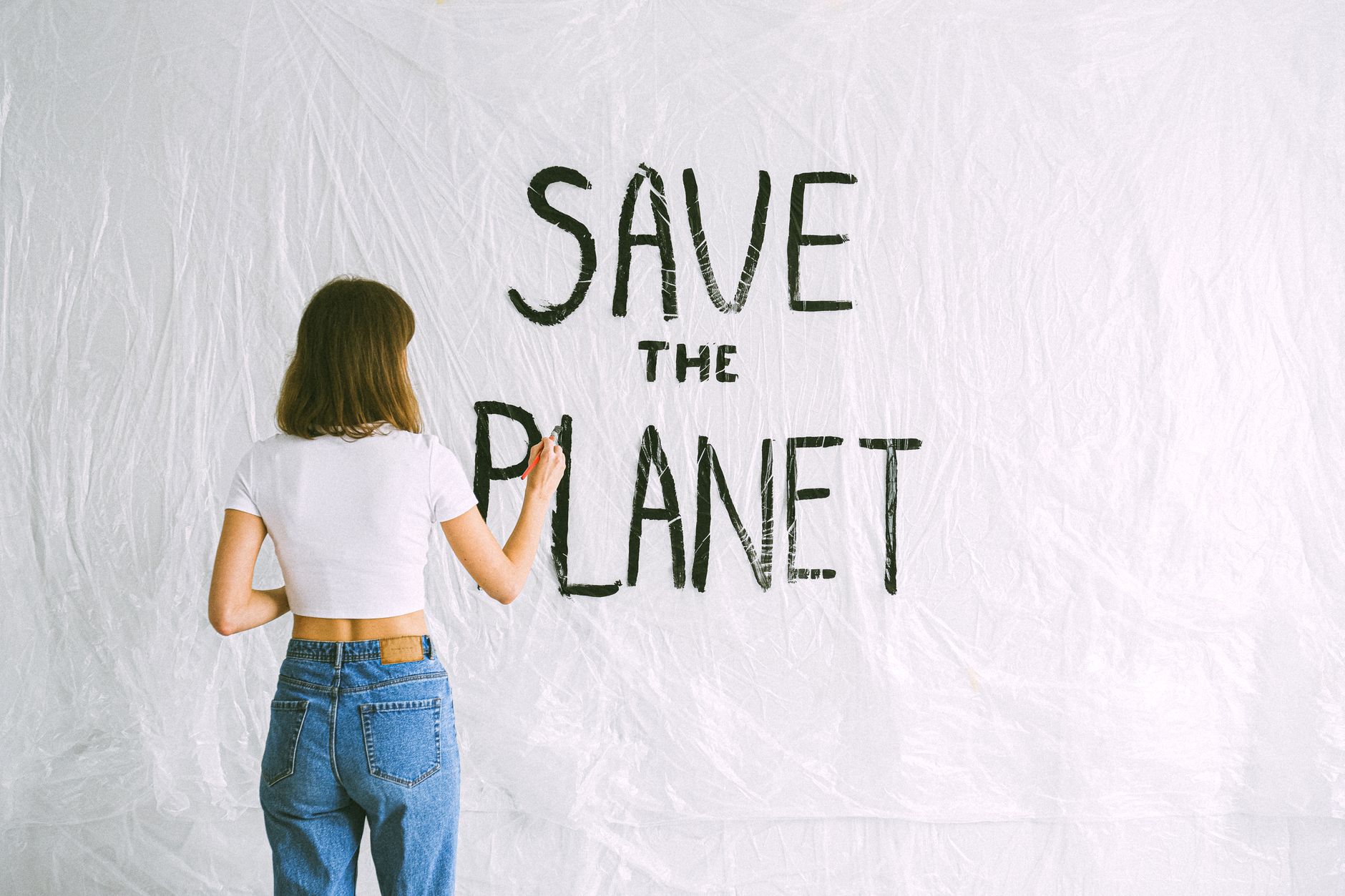
Shifting away from fossil fuels and embracing renewable energy sources such as solar, wind, hydro, and geothermal power is paramount. This transition requires significant investments in renewable energy infrastructure, coupled with supportive policies and incentives.
Promoting Energy Efficiency
Reducing our energy consumption through energy-efficient technologies and sustainable practices is equally important. This includes improving building insulation, using energy-efficient appliances, and adopting smart energy management systems.
Protecting and Restoring Ecosystems
Conserving existing forests, restoring degraded lands, and protecting biodiversity are essential for maintaining the health of our planet. This requires implementing effective conservation strategies, combating deforestation, and promoting sustainable agriculture and forestry practices.
Reducing Waste and Promoting a Circular Economy
Moving towards a circular economy where resources are reused and recycled, rather than discarded, is crucial for minimizing waste and pollution. This involves reducing consumption, promoting recycling and composting, and designing products for durability and recyclability.
Sustainable Agriculture and Food Systems
Adopting sustainable agriculture practices that minimize environmental impacts and promote biodiversity is essential for ensuring food security while protecting the environment. This includes reducing pesticide and fertilizer use, promoting crop rotation, and supporting local and organic food systems.
Responsible Consumption and Lifestyle Choices
Making conscious consumption choices and adopting more sustainable lifestyles can significantly reduce our environmental footprint. This includes reducing meat consumption, choosing sustainable transportation options, and minimizing our use of single-use plastics.

Frequently Asked Questions (FAQs)
1. What is the most significant threat to the environment right now?
The most significant threat is arguably climate change, due to its pervasive and long-lasting impacts on all aspects of the environment, from rising sea levels and extreme weather events to disruptions in ecosystems and agriculture.
2. How can individuals make a real difference in saving the environment?
Individuals can make a difference through conscious consumption, reducing energy use (e.g., switching to LED lighting, using public transport), supporting sustainable businesses, advocating for environmental policies, and educating themselves and others about environmental issues.
3. What role do governments play in environmental protection?
Governments play a crucial role in enacting and enforcing environmental regulations, investing in renewable energy infrastructure, providing incentives for sustainable practices, and participating in international agreements on climate change and environmental conservation.
4. Is recycling truly effective, or is it just a feel-good activity?
Recycling is effective, but its effectiveness depends on proper sorting, processing infrastructure, and market demand for recycled materials. It reduces landfill waste, conserves resources, and lowers energy consumption compared to producing new materials. Focusing on reducing and reusing is even more effective than recycling.
5. What are the key benefits of transitioning to renewable energy sources?
The key benefits include reduced greenhouse gas emissions, improved air quality, increased energy security, and the creation of new jobs in the renewable energy sector. It also diminishes reliance on finite fossil fuel reserves.
6. How does deforestation contribute to climate change?
Deforestation contributes to climate change by releasing stored carbon dioxide into the atmosphere and reducing the planet’s capacity to absorb CO2 through photosynthesis. It also alters local climate patterns and reduces biodiversity.
7. What is the concept of a “circular economy,” and why is it important?
A circular economy aims to eliminate waste and pollution by keeping products and materials in use for as long as possible. It’s important because it reduces resource depletion, minimizes environmental impact, and promotes sustainable economic growth.
8. What are some practical ways to reduce our carbon footprint?
Practical ways include reducing meat consumption, using public transportation or cycling instead of driving, improving home energy efficiency (insulation, energy-efficient appliances), flying less, and supporting businesses committed to sustainability.
9. How can we ensure that sustainable agriculture practices are adopted on a wider scale?
This can be achieved through government subsidies and incentives, farmer education programs, promoting research and development in sustainable agriculture technologies, and creating consumer demand for sustainably produced food.
10. What are some of the biggest challenges facing efforts to protect biodiversity?
The biggest challenges include habitat loss, pollution, climate change, invasive species, and overexploitation of natural resources. Addressing these challenges requires integrated conservation strategies and international cooperation.
11. How can technology help us solve environmental problems?
Technology can play a significant role by developing renewable energy technologies, improving energy efficiency, monitoring environmental conditions, creating innovative waste management systems, and developing sustainable agriculture techniques.
12. What is the role of education in promoting environmental sustainability?
Education is crucial for raising awareness, promoting environmental literacy, and empowering individuals to make informed decisions and take action to protect the environment. It fosters a sense of responsibility and encourages sustainable behaviors.
The Future is in Our Hands
Saving the environment is not just an environmental issue; it’s a societal, economic, and ethical imperative. The solutions are within our reach, but their implementation requires a global commitment to sustainable development, a shift in mindset, and collective action. By embracing these solutions and working together, we can create a healthier, more sustainable future for ourselves and generations to come. The time to act is now.