

How to Safeguard Bird Nests: Shielding Avian Homes from Predators
How can we protect the bird nests from predators? The key lies in a combination of habitat modification, nest site selection assistance, and targeted deterrence, focusing on reducing predator access and making nests less attractive while ensuring minimal impact on the birds themselves.

Understanding the Threat: Why Bird Nests Need Protection
Bird nests are vulnerable targets. They represent a significant investment of time and energy for breeding birds, and their destruction can have devastating consequences for local bird populations. Predators, driven by hunger and instinct, pose a constant threat. Understanding the types of predators in your area and their hunting strategies is the first step in effective nest protection.
Identifying Common Nest Predators
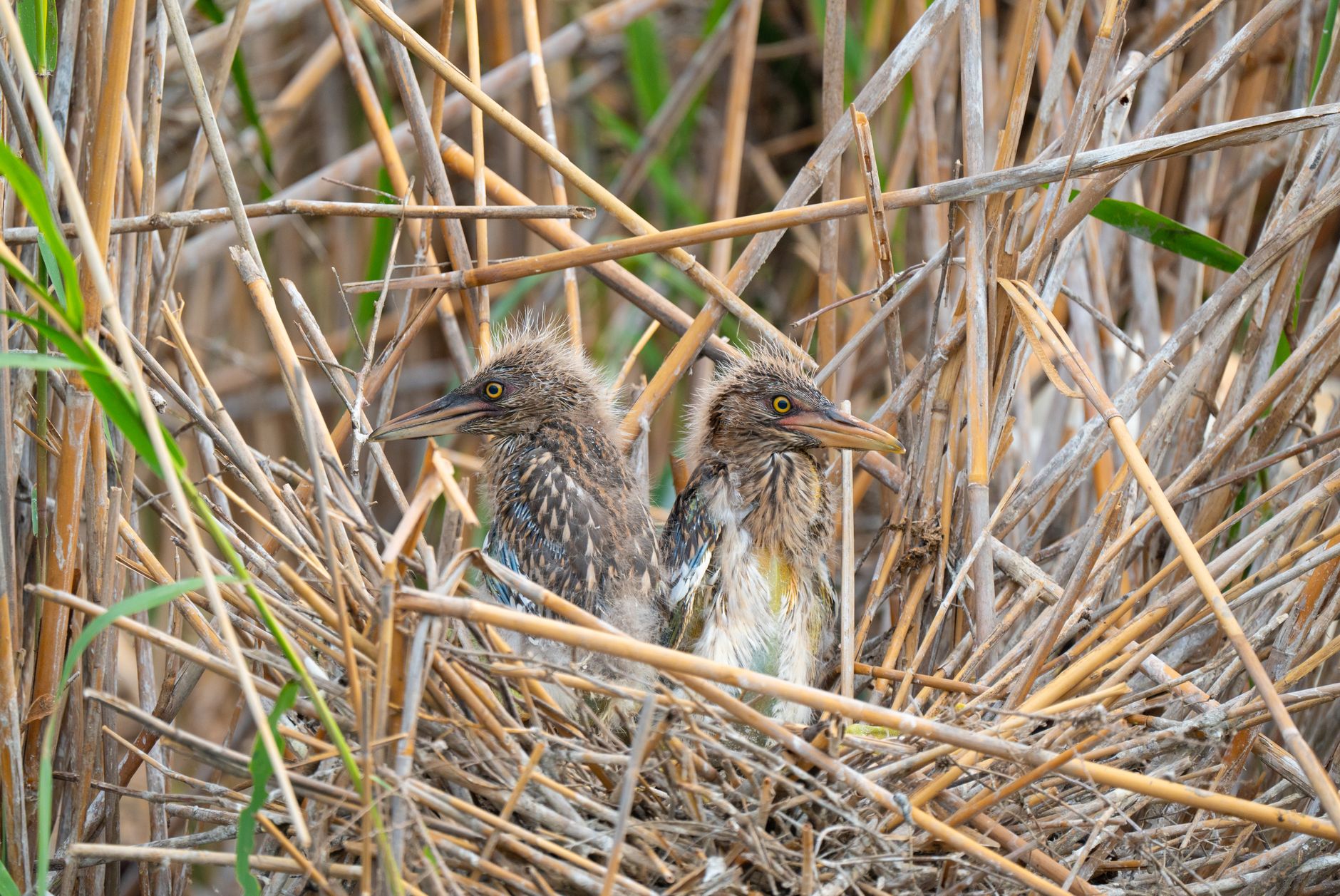
A wide range of animals predate on bird nests, and the specific species vary greatly depending on geographic location and habitat type. Some of the most common culprits include:
- Mammals: Raccoons, squirrels, opossums, foxes, skunks, weasels, feral cats, and even rodents can raid nests for eggs and nestlings.
- Birds: Crows, jays, magpies, hawks, owls, and shrikes are known to prey on the nests of other birds.
- Reptiles: Snakes, particularly rat snakes and king snakes, are notorious nest predators.
- Insects: Ants, particularly fire ants, can overwhelm and kill nestlings, especially in warmer climates.
Strategies for How can we protect the bird nests from predators?
Protecting bird nests requires a multifaceted approach, combining preventative measures and targeted interventions.
-
Habitat Modification:
- Remove Brush Piles: Dense vegetation provides cover for predators. Reducing these areas near nesting sites can decrease predator access.
- Manage Food Sources: Limiting access to food scraps, pet food, and other attractants can reduce the overall predator population in the area.
- Maintain Lawns and Gardens: Keep lawns mowed and gardens weeded to minimize hiding places.
-
Nest Site Selection Assistance:
- Provide Nest Boxes: Properly designed and placed nest boxes can provide a safer nesting location compared to natural cavities. Boxes should be made of durable materials and regularly cleaned. Consider predator guards around the entrance hole.
- Offer Nesting Materials: Supplying birds with suitable nesting materials such as twigs, feathers, and plant fibers can encourage them to build nests in safer locations.
-
Targeted Deterrence:
- Predator Guards: These physical barriers, such as sheet metal collars or inverted cones, can be placed around trees or poles supporting nests to prevent climbing predators from accessing the nest.
- Nets and Cages: In some situations, covering nests with mesh netting or building a small cage around the nest can provide effective protection, but careful monitoring is crucial to ensure the birds can still access the nest and that the netting doesn’t become entangled.
- Motion-Activated Sprinklers: These can deter some predators, especially mammals, but their effectiveness may be limited.
Best Practices and Ethical Considerations
When implementing nest protection strategies, it’s crucial to prioritize the well-being of the birds and avoid causing them unnecessary stress or harm.
- Monitor Nests Regularly: Check nests frequently to ensure that the birds are healthy and that the protection measures are working effectively.
- Avoid Disturbing Nests: Minimize disturbance to nests, especially during the critical egg-laying and incubation periods.
- Use Non-Lethal Methods: Focus on preventative and deterrent measures rather than lethal control methods.
- Consult Experts: If you’re unsure about the best way to protect bird nests in your area, consult with local wildlife experts or ornithologists.
Table: Comparing Nest Protection Methods
| Method | Description | Pros | Cons | Best Suited For |
|---|---|---|---|---|
| Habitat Modification | Altering the surrounding environment to reduce predator access. | Relatively low cost, long-term effectiveness. | Can be time-consuming, may require significant changes to landscaping. | General backyard bird conservation. |
| Nest Boxes | Providing artificial nesting cavities that are designed to be predator-resistant. | Controlled environment, increased nesting success. | Requires maintenance, may not be suitable for all bird species. | Species that readily use nest boxes. |
| Predator Guards | Physical barriers placed around trees or poles to prevent climbing predators from reaching nests. | Highly effective against climbing predators. | May not be effective against birds or snakes, requires proper installation and maintenance. | Nests in trees or on poles, areas with climbing predators. |
| Nets and Cages | Mesh barriers placed around nests to physically exclude predators. | Can be very effective in preventing predation. | Requires careful monitoring, can impede bird access, potential for entanglement. | Specific, high-risk nests. |
How can we protect the bird nests from predators? Implementing a Community Approach
Nest protection is most effective when implemented on a community-wide scale. Educating neighbors about the importance of bird conservation and encouraging them to adopt bird-friendly practices can significantly reduce predator pressure in the area. Organize workshops, share information on social media, and work with local organizations to promote responsible pet ownership and habitat management.
Frequently Asked Questions (FAQs)
What are the legal implications of interfering with bird nests?
In many countries, including the United States and much of Europe, it is illegal to intentionally destroy or disturb active bird nests under laws like the Migratory Bird Treaty Act. Before implementing any nest protection measures, it’s crucial to understand and comply with local laws and regulations. Contact your local wildlife agency for specific guidance.
How do I choose the right nest box for my backyard?
The ideal nest box depends on the specific bird species you’re trying to attract. Consider the size of the entrance hole, the dimensions of the box, and the type of habitat the bird prefers. The Cornell Lab of Ornithology provides excellent resources on nest box design and placement for various species.
How often should I clean a nest box?
It’s generally recommended to clean nest boxes once a year, ideally after the nesting season has ended. This helps remove old nesting material, parasites, and debris, making the box more attractive to birds the following year. Wear gloves and a mask when cleaning nest boxes.
What if I find an abandoned bird nest?
If you find a nest that appears to be abandoned, observe it for a few days to confirm that the parents are not returning. If the nest is truly abandoned, you can remove it or leave it in place. However, it is illegal to remove an active nest unless you have a permit from the appropriate wildlife agency.
How do I deter cats from preying on bird nests?
Keeping cats indoors is the most effective way to prevent them from preying on birds. If cats are allowed outdoors, bell collars or reflective bibs can help alert birds to their presence. You can also try creating barriers around nesting areas to make it more difficult for cats to access the nests.
Are there any plants that can help protect bird nests?
Thorny bushes and shrubs can provide natural protection for bird nests, making it more difficult for predators to access them. Planting native species that offer dense cover can also create a safer nesting environment. Examples include Hawthorns, Roses and some types of berry bushes.
How do I deal with snakes that are preying on nests?
Snake control can be challenging. Removing potential food sources for snakes, such as rodents, can help. You can also try creating barriers around nesting areas to prevent snakes from accessing the nests. In some cases, professional snake removal may be necessary.
Can I use ultrasonic devices to deter predators?
The effectiveness of ultrasonic devices in deterring predators is questionable. While some studies suggest that these devices may have a temporary effect, others have found no significant impact. Furthermore, ultrasonic devices can potentially disturb other wildlife and even pets.
How can I protect bird nests from fire ants?
Fire ants are a serious threat to nestlings, particularly in warmer climates. Treating ant mounds near nesting areas with appropriate insecticides can help control fire ant populations. Be sure to use products that are safe for birds and follow the manufacturer’s instructions carefully.
What is the best way to install a predator guard?
The specific type of predator guard and installation method will depend on the type of nest and the predators you’re trying to deter. Sheet metal collars are effective for trees, while inverted cones can be used on poles. Make sure the guard is large enough to prevent predators from climbing around it and that it is securely attached.
How do I prevent squirrels from raiding bird nests?
Squirrels can be persistent nest predators. Providing alternative food sources for squirrels, such as squirrel feeders, can sometimes distract them from bird nests. You can also try using predator guards or netting to prevent squirrels from accessing nests.
What should I do if I find an injured bird near a nest?
If you find an injured bird near a nest, contact a local wildlife rehabilitator or veterinarian for assistance. Do not attempt to care for the bird yourself, as this can often do more harm than good. The rehabilitator can assess the bird’s injuries and provide appropriate treatment.