
How to Help Your Dog With Parvo: A Comprehensive Guide
If your dog has parvo, immediate action is crucial. Helping your dog with parvo involves intensive veterinary care, focusing on preventing dehydration, controlling secondary infections, and boosting their immune system to fight the virus.
Introduction: Understanding Canine Parvovirus
Canine parvovirus, commonly known as parvo, is a highly contagious and potentially fatal viral disease that primarily affects puppies but can also affect unvaccinated adult dogs. It attacks the gastrointestinal tract, leading to severe vomiting, diarrhea, and dehydration. Understanding the severity of parvo and the urgency of treatment is the first step in helping your dog survive this devastating illness. Early diagnosis and aggressive supportive care are critical for a successful outcome. Without prompt intervention, parvo can lead to septic shock and death.
Recognizing the Signs of Parvo

The initial signs of parvo are often subtle but quickly escalate. Being able to recognize these symptoms early allows for prompt veterinary intervention. Key signs include:
- Lethargy: A noticeable decrease in energy and activity.
- Loss of Appetite: Refusal to eat or drink.
- Vomiting: Frequent vomiting, often progressing to contain blood.
- Diarrhea: Severe diarrhea, often bloody and foul-smelling.
- Fever or Hypothermia: Fluctuating body temperature, either high or low.
- Dehydration: Sunken eyes, dry gums, and loss of skin elasticity.
If you observe any of these signs, especially in a puppy or unvaccinated dog, seek immediate veterinary attention.
Veterinary Treatment: The Core of Parvo Care
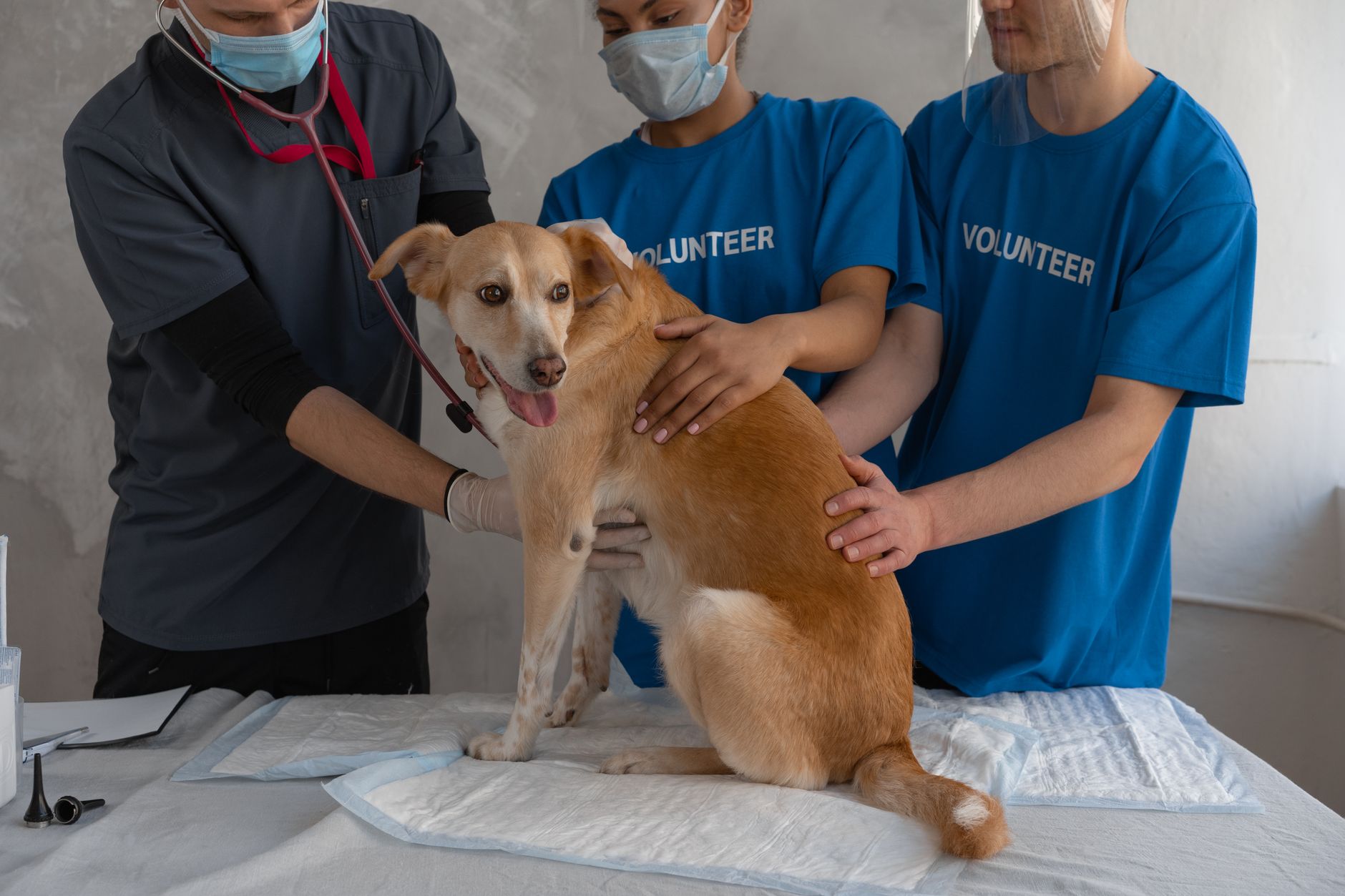
The primary approach to helping your dog with parvo revolves around intensive veterinary care. Since there is no cure for the virus itself, treatment focuses on providing supportive care to manage symptoms and prevent secondary complications. This typically involves:
- Intravenous Fluids: Administered to combat dehydration and maintain electrolyte balance.
- Anti-Emetics: Medications to control vomiting.
- Antibiotics: To prevent or treat secondary bacterial infections.
- Nutritional Support: Often provided through a feeding tube if the dog is unable to eat on its own.
- Pain Management: Medications to alleviate discomfort and pain.
- Blood Transfusions: In severe cases, to replace lost blood and improve oxygen delivery.
- Antiviral Medications: While not always effective, some veterinarians may use antiviral drugs like Tamiflu to try to combat the virus.
Hospitalization is almost always necessary for dogs with parvo, as they require constant monitoring and intensive care. The length of hospitalization can vary depending on the severity of the infection and the dog’s response to treatment.
Home Care: What You Can Do (With Veterinary Guidance)
While the majority of parvo treatment must be performed by a veterinarian, there are a few things you can do at home, only under the strict guidance of your vet, to support your dog’s recovery. This includes:
- Administering Medications: If your veterinarian prescribes medications to be given at home, follow their instructions carefully.
- Providing a Clean and Comfortable Environment: Keep your dog’s bedding clean and dry. Provide a quiet, warm, and draft-free space.
- Offering Small Amounts of Bland Food: Once your veterinarian approves, offer small, frequent meals of bland, easily digestible food, such as boiled chicken and rice.
- Monitoring Hydration: Observe your dog for signs of dehydration and contact your veterinarian if you notice any concerning changes.
- Preventing Spread: Parvo is highly contagious. Thoroughly disinfect any areas where your dog has been, using a bleach solution (1 part bleach to 32 parts water). Keep your dog isolated from other dogs, especially unvaccinated ones.
Important Note: Home care should never be a substitute for professional veterinary care. Always follow your veterinarian’s recommendations.
Preventing Parvo: Vaccination is Key
Prevention is always better than cure, and vaccination is the most effective way to protect your dog from parvo. Puppies should receive a series of parvo vaccinations, starting at 6-8 weeks of age, with boosters every 3-4 weeks until they are 16 weeks old. Adult dogs should receive booster vaccinations as recommended by their veterinarian. Proper vaccination is crucial in how you can help your dog with parvo by avoiding infection altogether.
The Importance of Isolation and Disinfection
Parvo is extremely contagious and can survive in the environment for months. To prevent the spread of the virus:
- Isolate infected dogs: Keep them away from other dogs, especially puppies and unvaccinated dogs.
- Disinfect thoroughly: Use a bleach solution (1 part bleach to 32 parts water) to clean and disinfect all surfaces that may have been contaminated with the virus, including floors, kennels, food and water bowls, and clothing.
- Wash your hands: Wash your hands thoroughly with soap and water after handling an infected dog or any potentially contaminated items.
- Avoid communal areas: Do not take your puppy to dog parks or other communal areas until they are fully vaccinated.
Common Mistakes to Avoid When Dealing With Parvo
- Delaying Veterinary Care: Waiting to see if the symptoms improve can be fatal.
- Attempting Home Remedies Without Veterinary Guidance: Many home remedies are ineffective and can even be harmful.
- Neglecting Isolation and Disinfection: Failing to prevent the spread of the virus can put other dogs at risk.
- Stopping Treatment Prematurely: Even if your dog appears to be recovering, it is important to continue treatment as directed by your veterinarian.
- Ignoring Vaccination Schedules: Not following the recommended vaccination schedule leaves your dog vulnerable to infection.
- Assuming Recovery Means Immunity: A dog can contract parvo again, so continuing with vaccination protocols is important.

Frequently Asked Questions (FAQs)
What is the survival rate for dogs with parvo?
The survival rate for dogs with parvo can vary widely depending on the severity of the infection, the dog’s age and overall health, and the promptness and quality of veterinary care. With aggressive treatment, the survival rate can be as high as 80-90%. However, without treatment, the survival rate is very low, often less than 10%.
How long does parvo last in dogs?
The acute phase of parvo typically lasts for 5-10 days. However, the virus can continue to be shed in the feces for several weeks after recovery. It is important to continue to isolate and disinfect your dog even after they appear to be better to prevent the spread of the virus.
Is parvo contagious to humans or other animals?
Canine parvovirus is not contagious to humans. However, it is highly contagious to other dogs, especially puppies and unvaccinated dogs. There are also strains of parvovirus that affect cats (feline panleukopenia), but the canine strain is not contagious to cats.
Can a dog who has recovered from parvo get it again?
While dogs that recover from parvo typically develop immunity to the specific strain of the virus that infected them, they can still be susceptible to other strains. Vaccination is still recommended even after recovery to provide broader protection.
How much does parvo treatment cost?
Parvo treatment can be expensive, ranging from several hundred to several thousand dollars, depending on the severity of the infection, the length of hospitalization, and the type of treatment required. It is crucial to discuss the costs of treatment with your veterinarian upfront.
What kind of food should I feed my dog after parvo?
After parvo, your dog needs a bland, easily digestible diet. Boiled chicken and rice is a common recommendation. Your veterinarian may also recommend a prescription diet specifically formulated for dogs with gastrointestinal issues.
How long should I isolate my dog after parvo?
Your dog should be isolated for at least two weeks after the symptoms have resolved, or as directed by your veterinarian. The virus can continue to be shed in the feces for several weeks, even after recovery.
What kind of disinfectant kills parvo?
A bleach solution (1 part bleach to 32 parts water) is the most effective disinfectant for killing parvo. It is important to thoroughly disinfect all surfaces that may have been contaminated with the virus.
Can I vaccinate my puppy at home to prevent parvo?
While it is possible to purchase vaccines online or at a feed store, it is not recommended to vaccinate your puppy at home. A veterinarian can properly administer the vaccine, ensure its efficacy, and monitor your puppy for any adverse reactions.
What are the long-term effects of parvo on dogs?
Most dogs who recover from parvo make a full recovery without any long-term effects. However, in some cases, parvo can cause permanent damage to the heart or intestines. Regular veterinary checkups are important to monitor for any potential long-term complications.
My puppy hasn’t finished his vaccinations yet. How can I protect him from parvo?
Until your puppy is fully vaccinated, limit his exposure to other dogs and public areas. Avoid dog parks, pet stores, and other places where unvaccinated dogs may congregate. Carry him instead of letting him walk on the ground in potentially contaminated areas.
How can I tell if my dog is dehydrated from parvo?
Signs of dehydration include sunken eyes, dry gums, loss of skin elasticity (when you gently pinch and lift the skin, it should snap back quickly), and decreased urination. If you suspect your dog is dehydrated, seek immediate veterinary attention.
By understanding the signs of parvo, seeking prompt veterinary care, and following preventive measures, you can significantly improve your dog’s chances of survival. Remember, helping your dog with parvo requires a proactive and informed approach.