
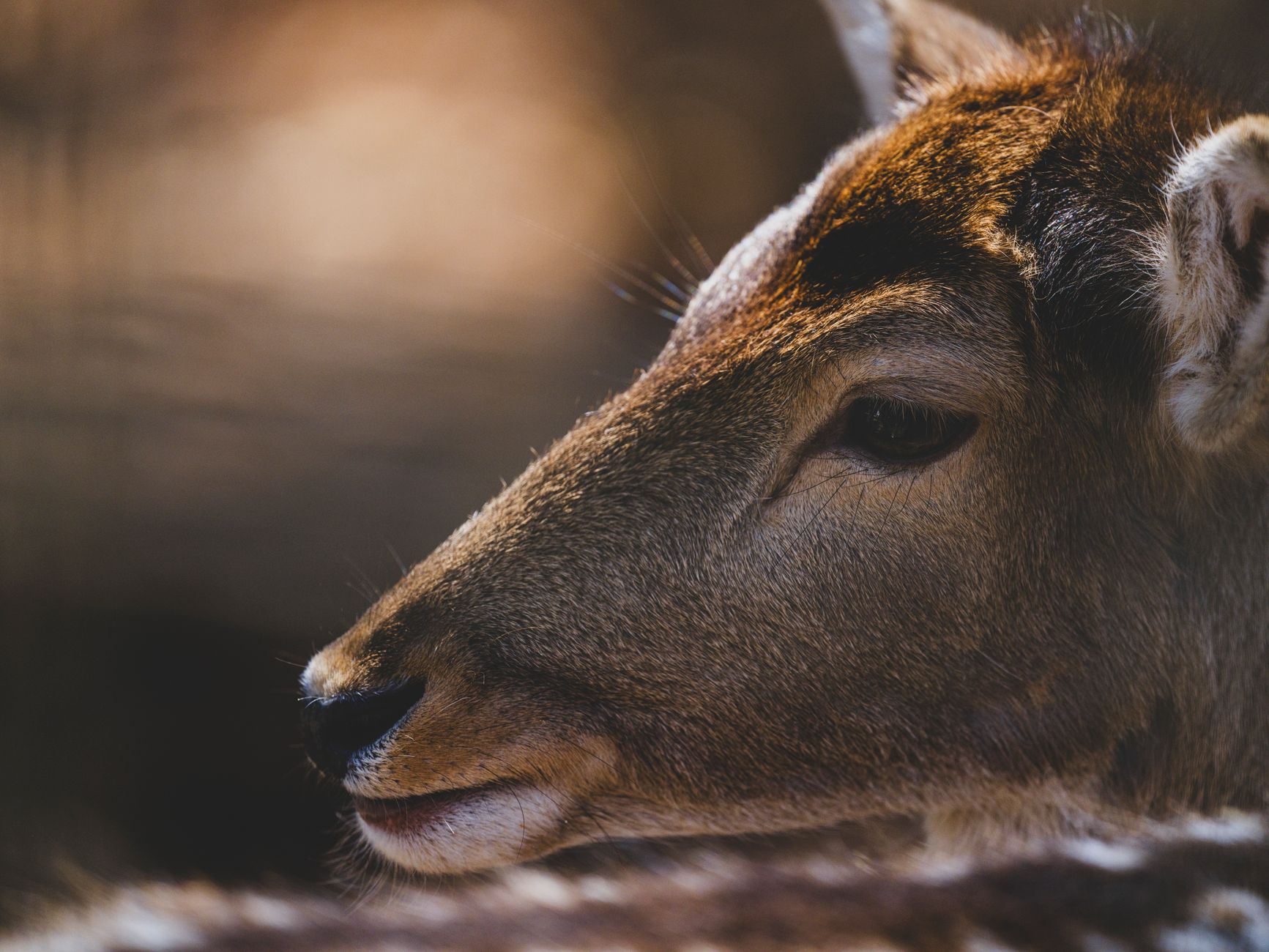
Does Smoke Smell Bother Deer? Unveiling a Hunter’s Dilemma
The answer is complex: while deer aren’t necessarily “bothered” by smoke in the way humans are, they absolutely detect it and use it as a potential cue, often leading to increased caution or avoidance in the immediate area. Understanding this nuanced relationship is crucial for hunters.

Smoke is an undeniable part of human activity, especially in rural areas and during hunting season. But does smoke smell bother deer? This seemingly simple question delves into the intricate sensory world of whitetail and other deer species, their survival instincts, and how human activities can impact their behavior. This article examines the evidence, explores the nuances, and provides valuable insights for hunters and wildlife enthusiasts alike.
Deer Olfactory Senses: A World of Scents
Deer possess an extraordinarily well-developed sense of smell, far superior to that of humans. Their noses are equipped with millions of olfactory receptors, allowing them to detect odors at incredibly low concentrations. This ability is essential for:
- Detecting predators: Deer rely heavily on scent to identify potential threats, such as coyotes, wolves, and humans.
- Finding food: Scent helps deer locate food sources, especially during periods of scarcity.
- Mate selection: Pheromones play a crucial role in attracting mates during the breeding season.
- Navigation: Deer use scent marking to establish territories and find their way around their home range.
Therefore, understanding that deer operate in a scent-centric world is paramount when considering how they react to smoke.
Smoke: A Novel and Potentially Alarming Odor

Smoke, in its various forms, presents a complex olfactory signal to deer. Whether from campfires, wood-burning stoves, or agricultural burns, smoke contains a multitude of chemical compounds that can be detected by a deer’s sensitive nose.
The key consideration isn’t whether they find the smell pleasant or unpleasant; rather, it’s how they interpret it. A sudden, strong odor like smoke can trigger:
- Increased vigilance: Deer may become more alert and cautious, scanning their surroundings for potential danger.
- Avoidance behavior: Deer may move away from the source of the smoke, seeking areas with more familiar and predictable scents.
- Altered feeding patterns: Deer may temporarily abandon feeding areas if they perceive the smoke as a threat.
However, habituation can also play a role. Deer living in areas with frequent controlled burns may become less reactive to smoke over time.

Hunting and Smoke: A Delicate Balance
For hunters, the presence of smoke can be a double-edged sword. While it can mask human scent to some extent, it can also alert deer to your presence and cause them to become more wary.
Here are some strategies to consider:
- Minimize smoke: Opt for smokeless cooking methods whenever possible.
- Consider wind direction: Position yourself downwind of your hunting area to prevent smoke from drifting towards deer.
- Use cover scents: Apply natural cover scents, such as earth or pine, to further mask your scent.
- Observe deer behavior: Pay attention to how deer are reacting to the smoke in your area. Adjust your hunting strategy accordingly.
The bottom line is that understanding how does smoke smell bother deer during hunting season is a critical element of success.
Controlled Burns and Deer Behavior: The Research
Research on the long-term effects of controlled burns on deer populations is ongoing. Some studies suggest that controlled burns can actually benefit deer by:
- Improving habitat: Burns promote the growth of new vegetation, which can provide deer with more nutritious food.
- Reducing undergrowth: Burns can clear out dense undergrowth, making it easier for deer to move around and spot predators.
- Creating edge habitat: The mosaic of burned and unburned areas creates edge habitat, which is often preferred by deer.
However, the short-term impacts of controlled burns can be negative, as deer may temporarily avoid burned areas due to the smoke and lack of cover.
| Factor | Positive Impact on Deer | Negative Impact on Deer |
|---|---|---|
| Controlled Burns | Improved habitat, new growth | Temporary avoidance, smoke |
| Hunting Smoke | Masking human scent | Increased wariness |
Frequently Asked Questions (FAQs)
Does smoke smell bother deer enough to always scare them away?
No, while deer can be alerted by the smell of smoke, it doesn’t always scare them away completely. Their response depends on various factors, including the intensity of the smoke, their previous experiences, and the availability of alternative habitat.
Is the smell of campfire smoke different to deer than other types of smoke?
Potentially. The specific chemical composition of campfire smoke may differ from that of industrial or agricultural smoke. Deer might be able to differentiate between these scents, but the primary factor is likely the concentration and suddenness of the odor.
Will using a smoke screen help me hunt deer?
The effectiveness of a smoke screen is highly debatable. While it might temporarily mask your scent, it’s more likely to alert deer to your presence. Natural cover scents are generally a better option.
Can deer get used to the smell of smoke over time?
Yes, deer can exhibit habituation to the smell of smoke if they are frequently exposed to it. This is more likely to occur in areas with regular controlled burns or industrial activity.
Do all types of deer react the same way to smoke smell?
While there isn’t extensive research specifically comparing different deer species, it’s likely there are some variations in their sensitivity to smoke. Factors such as habitat and population density could influence their reactions.
What is the best way to minimize my scent while hunting near a campfire?
The best approach is prevention. Avoid building large, smoky fires near your hunting area. Use a scent-eliminating spray and choose a location downwind from where you expect the deer to be.
How far away can a deer smell smoke?
Deer can detect odors from hundreds of yards away, depending on the wind conditions and the concentration of the scent. Smoke, being a strong odor, can travel a considerable distance.
Does the type of wood burned affect how deer react to the smoke?
Possibly. Deer may react differently to the smoke from different types of wood, but this is not well-documented. The key factor is likely the overall intensity of the smoke.
If there’s a forest fire nearby, should I cancel my hunt?
Yes, it’s highly recommended to cancel your hunt if there’s a forest fire nearby. The smoke will likely spook the deer and make hunting unproductive. More importantly, it’s dangerous.
Will using a smoker for food attract deer?
While the smell of cooked food might be appealing to deer, the presence of smoke will likely override any attraction. Deer are more likely to be wary than curious.
Is there any research on how smoke affects deer behavior long-term?
Research is ongoing, but some studies suggest that repeated exposure to smoke can lead to stress and displacement in deer populations, particularly during sensitive periods like the breeding season.
Does smoke help or hurt deer ticks?
While smoke can potentially kill ticks upon direct exposure, it’s unlikely to have a significant impact on tick populations overall. The risk of encountering ticks remains a concern regardless of the presence of smoke.