
Does Shrimp Float? Unveiling the Buoyancy of Crustaceans
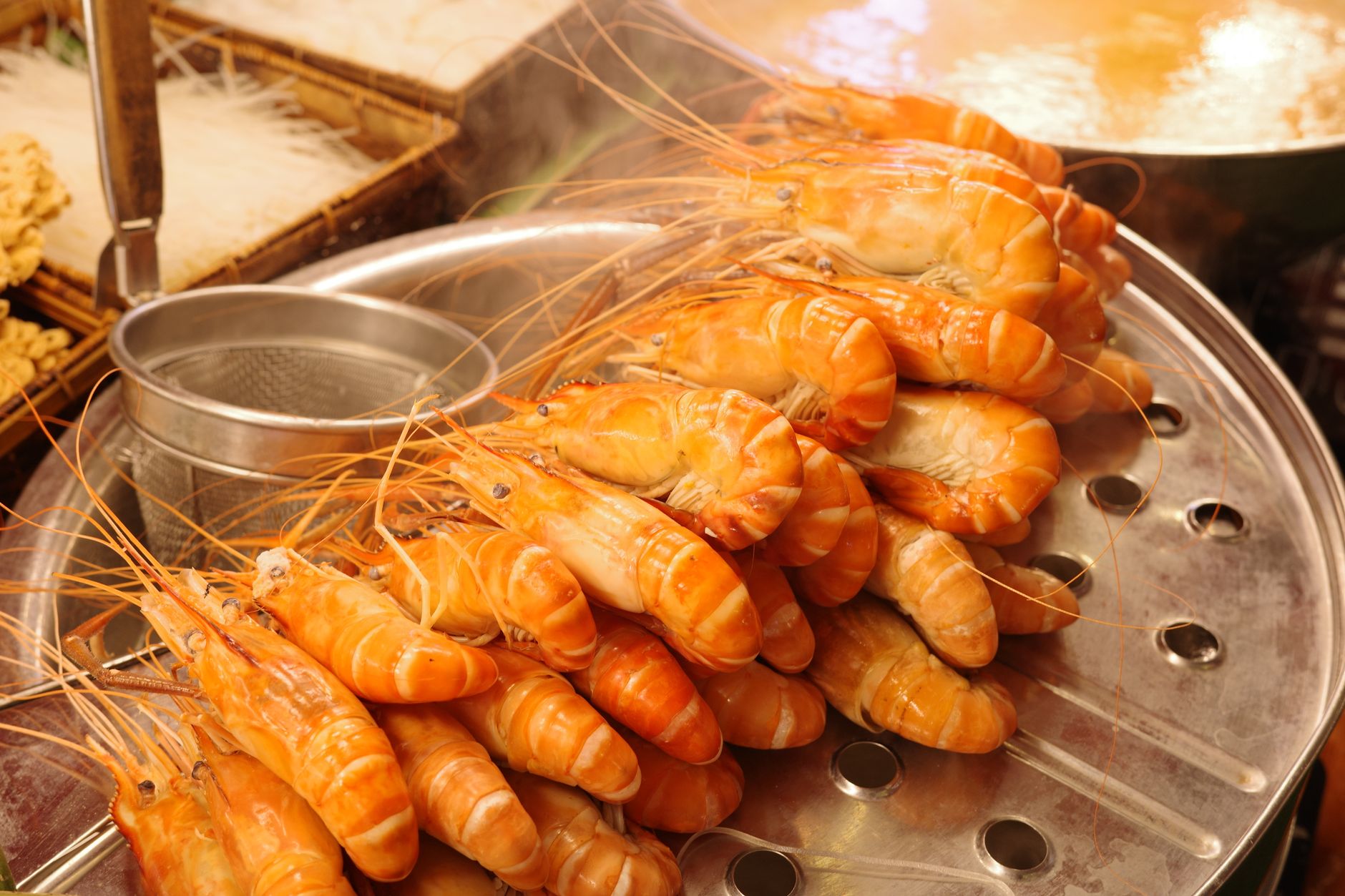
Does shrimp float? The answer is it depends, but generally, cooked shrimp floats, while raw shrimp sinks. This difference is due to changes in density that occur during the cooking process.
Introduction: A Deep Dive into Shrimp Buoyancy
The seemingly simple question of whether shrimp float opens up a fascinating exploration into the principles of buoyancy, density, and how cooking affects the physical properties of food. We often encounter cooked shrimp in dishes like shrimp cocktail, where they confidently bob on the surface. Raw shrimp, on the other hand, typically disappears beneath the water line. Understanding why this happens requires a closer look at the science behind it. This article explores the various factors that influence the buoyancy of shrimp, offering insights into the intricacies of marine biology and culinary science.
The Science of Buoyancy: Archimedes’ Principle

Buoyancy, the force that allows objects to float, is governed by Archimedes’ Principle. This principle states that the buoyant force acting on an object submerged in a fluid is equal to the weight of the fluid displaced by the object.
- If the buoyant force is greater than the object’s weight, the object floats.
- If the buoyant force is less than the object’s weight, the object sinks.
Therefore, whether an object floats or sinks depends on its density relative to the density of the fluid it’s in. Density is defined as mass per unit volume. If the object is less dense than the fluid, it floats. If it is denser, it sinks.
Density Differences: Raw vs. Cooked Shrimp
The key difference between raw and cooked shrimp lies in their density.
-
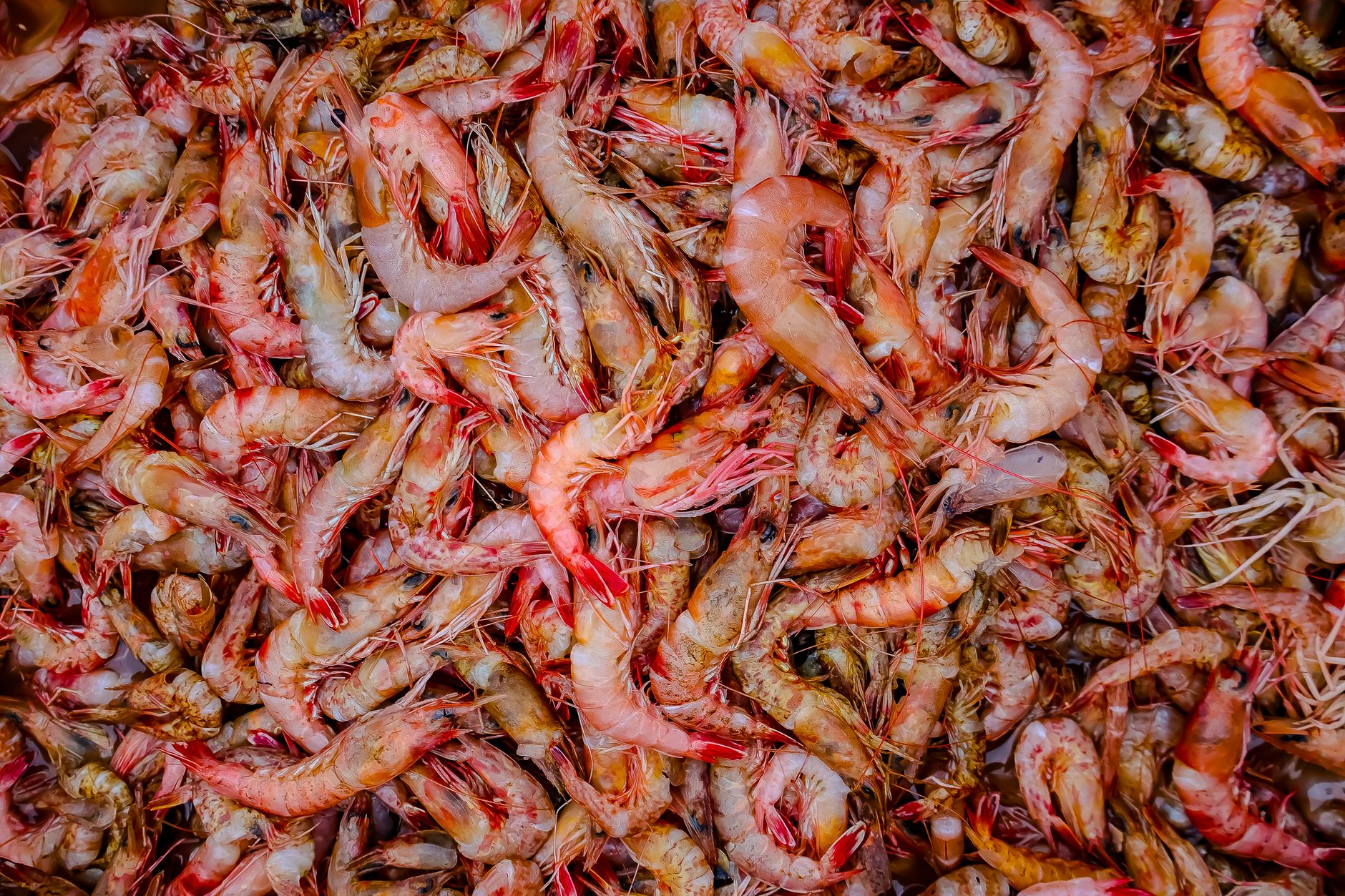
Raw Shrimp: Raw shrimp has a relatively high density. Its tissues are tightly packed with water and proteins in their natural state.
-
Cooked Shrimp: When shrimp is cooked, several changes occur that affect its density:
- Protein Denaturation: The proteins in the shrimp’s flesh denature and coagulate, expelling water. This reduces the overall mass of the shrimp.
- Air Incorporation: The cooking process often introduces air into the shrimp’s tissues. This air decreases the overall density.
- Shrinkage: Cooking also causes the shrimp to shrink in size, further reducing its volume.
Due to these changes, cooked shrimp often becomes less dense than the surrounding water, causing it to float.
Factors Affecting Shrimp Buoyancy
Several factors can influence whether a particular shrimp floats or sinks:
- Species of Shrimp: Different species of shrimp have varying densities due to differences in their tissue composition.
- Size of Shrimp: Larger shrimp may have a greater air-to-tissue ratio when cooked, potentially making them more likely to float.
- Cooking Method: How the shrimp is cooked can influence the amount of water lost and air incorporated.
- Water Salinity: The density of the water itself plays a role. Shrimp are more likely to float in saltwater than in freshwater because saltwater is denser.
The table below summarizes these factors:
| Factor | Influence on Buoyancy |
|---|---|
| Species | Varies |
| Size | Larger can float more |
| Cooking Method | Varies |
| Water Salinity | Higher salinity = floats more |
Observations in Real-World Scenarios
You’ll commonly see cooked shrimp floating in restaurant shrimp cocktails and seafood boils. This is partially due to the cooking process, and partially because these dishes often contain saltwater or briny water, further aiding buoyancy. Conversely, you are far more likely to observe raw shrimp sinking in water.

Frequently Asked Questions
Why does the cooking process affect the density of shrimp so dramatically?
The cooking process fundamentally alters the protein structure within the shrimp. As proteins denature and coagulate, they release water and create pockets of air. This combination of water loss and air incorporation significantly reduces the shrimp’s overall density, making it less dense than the surrounding water, which, in turn, causes it to float.
Does the freshness of the shrimp impact its buoyancy?
Yes, the freshness of the shrimp can indirectly impact its buoyancy. Fresher shrimp typically have more tightly packed tissues, resulting in a higher density before cooking. While both fresh and less-fresh shrimp might float when cooked, fresher shrimp may initially sink more readily in its raw state.
Can frozen shrimp float?
Frozen shrimp can float, especially after thawing and cooking. The freezing process itself can cause some cellular damage, which may lead to increased water loss during cooking and, therefore, a higher likelihood of floating.
Does the type of water (fresh vs. salt) make a difference?
Absolutely. Saltwater is denser than freshwater, so an object is more likely to float in saltwater. Therefore, shrimp is more likely to float in the ocean or in a brine than in a freshwater lake.
What happens if you overcook the shrimp?
Overcooking shrimp can further reduce its density. The more water expelled and the more air incorporated, the less dense it becomes, and the more likely it is to float, even more buoyant than properly cooked shrimp. However, overcooked shrimp will also be rubbery and less palatable.
Do all types of seafood behave the same way when cooked?
No, different types of seafood have different densities and compositions. For example, a dense fish fillet might sink even when cooked, while a delicate crab leg might float due to its air-filled shell structure. Each seafood behaves based on how its unique protein structures are altered with heat.
Is it possible for raw shrimp to float?
While uncommon, it is possible for raw shrimp to float under certain conditions. If the water is extremely salty (like the Dead Sea), the increased water density could support the weight of raw shrimp. Air trapped underneath the shrimp could also cause momentary floating.
How does the size of the shrimp relate to whether it floats?
Larger shrimp tend to have a higher surface area-to-volume ratio than smaller shrimp. During cooking, this may facilitate more water loss and air incorporation, making larger shrimp slightly more prone to floating.
If a shrimp sinks, does that mean it’s bad or unsafe to eat?
Not necessarily. Whether a shrimp floats or sinks is not a reliable indicator of its safety or edibility. It is best to rely on proper food handling and storage practices to ensure the shrimp is safe to eat. Cook it to the proper internal temperature and look for signs of spoilage, such as a foul odor or slimy texture.
Can you make raw shrimp float artificially?
Yes, you can make raw shrimp float artificially by increasing the density of the water. Adding large amounts of salt will increase the density of the water until it exceeds the density of the raw shrimp.
Why is understanding shrimp buoyancy relevant?
While seemingly trivial, understanding the buoyancy of shrimp and other seafood provides insights into fundamental scientific principles like density and buoyancy. This understanding can be applied to various fields, from marine biology to culinary arts.
Are there any culinary techniques that affect the buoyancy of cooked shrimp?
Yes, certain techniques can influence buoyancy. For example, quickly boiling shrimp can introduce more air pockets, making them float more easily. Similarly, grilling might expel more water than steaming, also affecting buoyancy.