

Does My Dog Know I Helped Him? Understanding Canine Gratitude and Recognition
The answer is nuanced but leans towards yes. Dogs possess the cognitive ability to associate actions with outcomes and recognize individuals who provide assistance, suggesting they do understand when you’ve helped them and likely experience something akin to gratitude.

Understanding Canine Cognition
The question of whether dogs truly understand human help is complex and delves into the fascinating world of canine cognition. For years, it was assumed that animals, even our beloved pets, operated primarily on instinct. However, modern research is consistently revealing a much more intricate picture of the canine mind. We’re learning that dogs possess a remarkable capacity for learning, problem-solving, and, critically, social understanding. This capacity forms the basis for recognizing and appreciating assistance.
How Dogs Perceive Help

Dogs don’t think about “help” in the same abstract way humans do. Instead, they rely on observed cause and effect. If you, for example, remove a painful thorn from their paw, they associate you with the relief that follows. This isn’t necessarily a conscious, philosophical pondering of your good deed. Instead, it’s a learned association rooted in their survival instincts:
- Association: Dogs learn to associate specific people with positive experiences.
- Benefit: The action must directly benefit the dog for the association to form. A dog might not associate you with help if you’re just watching someone else assist it.
- Timing: The closer in time your action is to the beneficial outcome, the stronger the association.
The Science Behind Canine Gratitude
While we can’t definitively claim dogs experience gratitude in the exact same way humans do, studies suggest they possess the emotional and cognitive capacity to appreciate assistance.
-
Oxytocin Release: Research shows that positive interactions with humans, including instances of assistance, trigger the release of oxytocin (the “love hormone”) in dogs. This hormone is associated with bonding and positive feelings.
-
Reciprocity: Although not fully understood, some evidence suggests dogs may exhibit behaviors that could be interpreted as reciprocal. For example, they might be more likely to approach and interact with someone who has previously helped them.
Recognizing Helpers vs. Hinderers
Studies examining dogs’ ability to discriminate between helpers and hinderers provide further evidence that they do recognize assistance. In these experiments, a dog watches two people. One person helps another person open a container; the other actively hinders the attempt. Afterward, the dog is allowed to interact with both individuals.
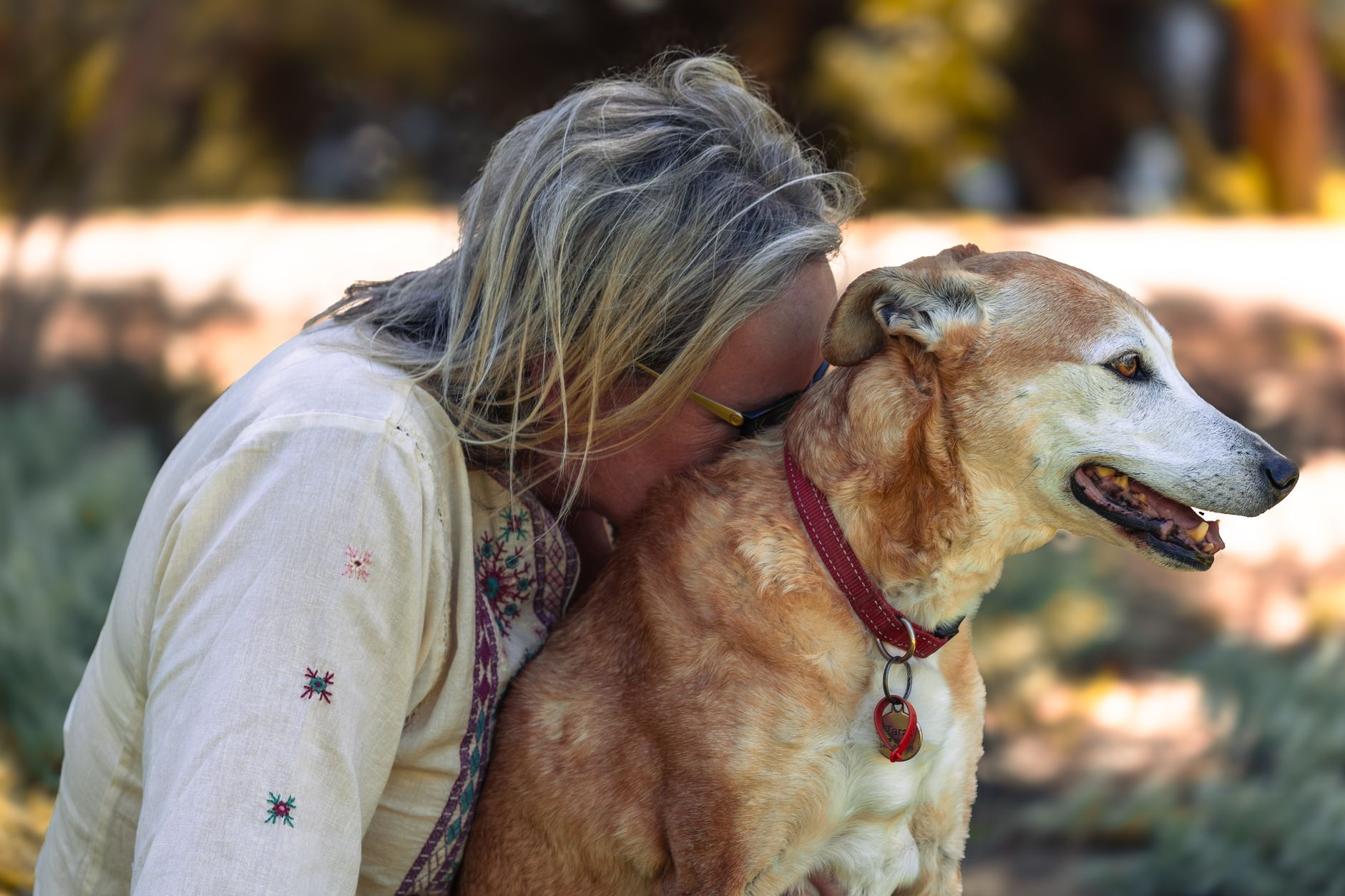
The results consistently show that dogs are more likely to approach and interact with the “helper” rather than the “hinderer.” This suggests they can discern the intent and consequences of actions and that they demonstrate a clear preference for those who provide assistance. This is powerful evidence supporting the idea that dogs know you helped them.
The Importance of Body Language
Your body language plays a critical role in communicating your intent to help your dog. Dogs are masters at reading human cues. A nervous or hesitant approach might be misinterpreted, whereas a calm and confident demeanor signals safety and trustworthiness.
- Soft Gaze: Avoid direct, prolonged eye contact, which can be perceived as a threat.
- Calm Voice: Use a soothing and reassuring tone.
- Gentle Touch: Approach slowly and use gentle, deliberate movements.
Interpreting Your Dog’s Response
While we can’t know exactly what a dog is thinking, we can observe their behavior for clues about their appreciation. Common signs that your dog knows you helped him include:
- Increased Affection: Seeking more physical contact, like leaning against you or licking your face.
- Tail Wagging: A relaxed, wagging tail is usually a sign of happiness and contentment.
- Relaxed Posture: A relaxed body posture, with ears forward and mouth slightly open.
- Following You Around: Increased attentiveness and a desire to stay close to you.
- Playfulness: Initiating play or engaging in more enthusiastic play.
Common Mistakes That Hinder Recognition
Even with the best intentions, certain actions can confuse or frighten your dog, hindering their ability to recognize your help.
- Sudden Movements: Approaching too quickly or making sudden movements can startle your dog.
- Forcing the Issue: Forcing your dog into a situation they’re uncomfortable with will create negative associations.
- Lack of Clear Communication: Not providing clear verbal cues or using inconsistent body language.
The Ongoing Research
The field of canine cognition is constantly evolving. Researchers continue to explore the depths of the canine mind, seeking to uncover the nuances of their understanding of the world. Future studies will likely delve deeper into the specific cognitive processes involved in recognizing and appreciating human help.
Frequently Asked Questions
Will my dog remember that I helped him a long time ago?
While dogs do have memories, the strength of those memories depends on the significance of the event and the frequency of reinforcement. A single instance of help may fade over time, but repeated acts of kindness and assistance will solidify the bond and recognition.
Does the type of help matter?
Yes, the type of help definitely matters. Actions that directly relieve pain or distress (like removing a thorn or administering medication) are more likely to be recognized and appreciated than more abstract forms of assistance.
Does my dog show the same appreciation to everyone who helps him?
Dogs tend to form stronger bonds with their primary caregivers and are more likely to show overt appreciation to those individuals. However, they can also recognize and appreciate help from other people, although the response may be less pronounced.
What if my dog acts scared when I try to help?
If your dog acts scared, it likely means they don’t understand that you’re trying to help or they associate the situation with something negative. It’s crucial to proceed slowly, use positive reinforcement, and consult with a professional trainer if needed.
Are some dog breeds better at recognizing help than others?
While breed-specific data is limited, intelligence and temperament can play a role. Breeds known for their trainability and social intelligence might be more adept at recognizing and appreciating assistance. However, individual personality also plays a significant role.
How can I better communicate my intent to help my dog?
Use a calm and reassuring voice, approach slowly and deliberately, and offer high-value treats as positive reinforcement. Clear and consistent communication is key to building trust and ensuring your dog understands your intentions.
Can I use training to teach my dog to associate me with help?
Yes, training can be a powerful tool. By consistently associating yourself with positive experiences and rewarding desired behaviors, you can strengthen the bond and reinforce the association between you and help.
Is it possible my dog is just reacting to the treats and not my help?
While treats can certainly influence a dog’s behavior, they don’t fully explain the depth of their recognition. Dogs are capable of forming emotional bonds and recognizing genuine acts of kindness, which go beyond simple food motivation.
My dog seems to ignore me after I help him. Does this mean he doesn’t appreciate it?
Not necessarily. Some dogs are more stoic than others and may not express their appreciation in obvious ways. Observe their overall behavior for subtle clues, such as a relaxed posture or increased attentiveness.
What if I accidentally hurt my dog while trying to help?
If you accidentally hurt your dog, immediately stop and offer reassurance. It’s crucial to rebuild trust and avoid associating yourself with pain. Use positive reinforcement and consider seeking professional guidance to address any resulting fear or anxiety.
Does Does my dog know I helped him? if I give him medication?
While your dog might not enjoy the process of taking medication, they can learn to associate you with the relief it provides. The key is to be gentle and consistent and to offer positive reinforcement after administering the medication.
What are the ethical considerations of attributing human emotions like gratitude to dogs?
It’s important to avoid anthropomorphism and to recognize that canine emotions are likely different from human emotions. However, acknowledging their capacity for appreciation and understanding assistance reflects a greater respect for their cognitive abilities. Ultimately, the question of Does my dog know I helped him? is less about whether they feel gratitude exactly as we do and more about recognizing their capacity for learning, association, and social understanding.