
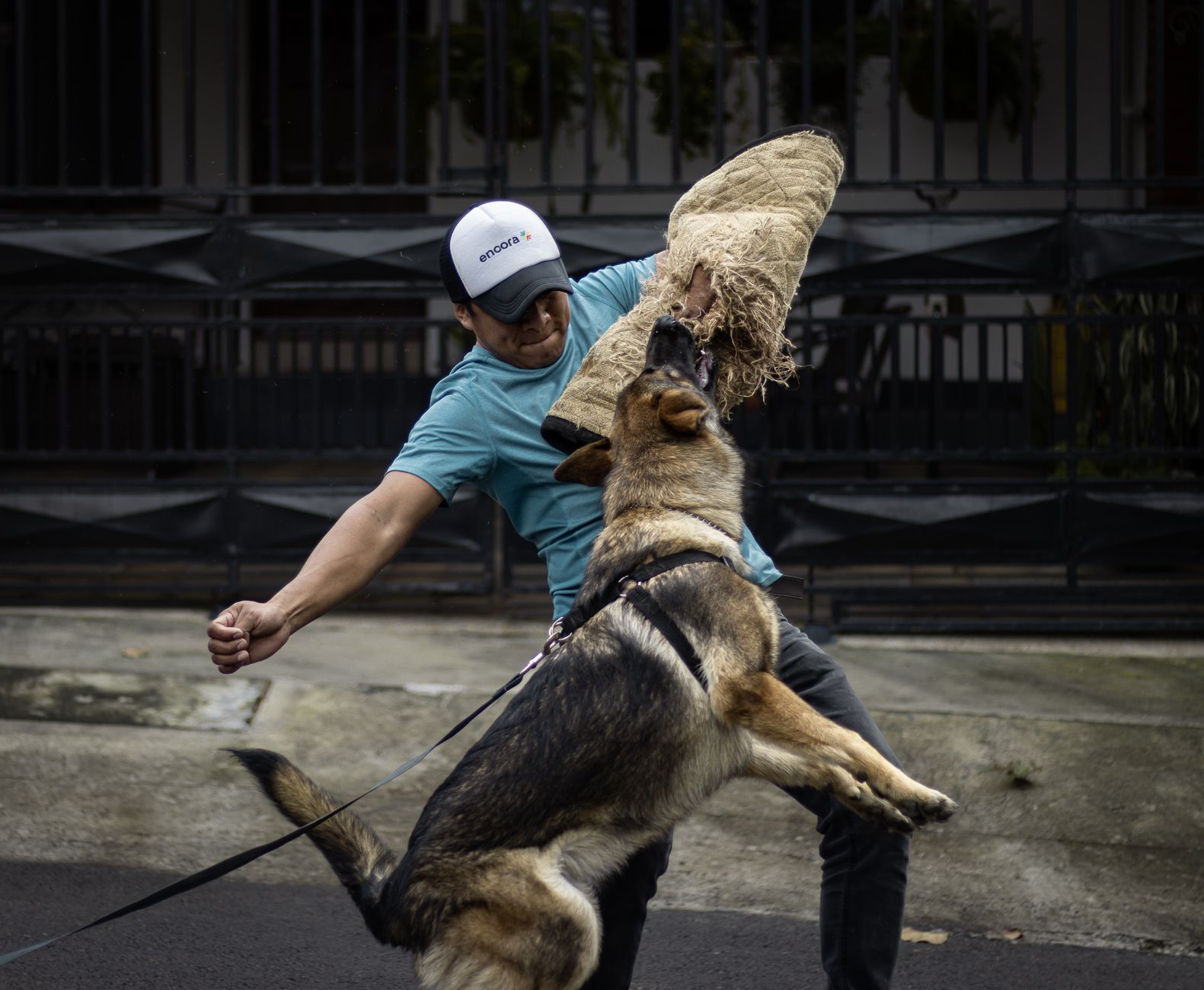
Does Homeowners Insurance Cover Dog Bite Claims?
Yes, in many cases, homeowners insurance provides coverage for dog bite claims, offering financial protection to homeowners if their dog injures someone. Understanding the extent of this coverage is crucial for both dog owners and potential victims.

Understanding Homeowners Insurance and Liability
Homeowners insurance is designed to protect homeowners from financial losses resulting from various incidents on their property. A crucial component of this protection is personal liability coverage, which extends to incidents caused by the homeowner and, often, their pets. This coverage can help pay for medical bills, legal fees, and settlements if someone is injured by your dog.
How Dog Bite Claims are Typically Handled

When a dog bite occurs, the injured party may seek compensation for medical expenses, lost wages, and pain and suffering. The process usually involves:
- Reporting the incident: The injured party or animal control may report the bite.
- Investigation: The insurance company will investigate the circumstances surrounding the bite.
- Claim filing: The injured party files a claim with the homeowner’s insurance company.
- Negotiation or lawsuit: The insurance company may negotiate a settlement with the injured party, or a lawsuit may be filed.
Exclusions and Limitations in Coverage
While homeowners insurance often covers dog bite claims, certain exclusions and limitations may apply. These can include:
- Breed-specific exclusions: Some insurance companies exclude coverage for certain dog breeds deemed inherently dangerous, such as pit bulls, Rottweilers, and Doberman Pinschers.
- Prior bite history: If a dog has a history of biting, the insurance company may deny coverage or increase premiums.
- Intentional acts: If the dog owner intentionally provoked the dog to bite someone, coverage may be denied.
- Business pursuits: Bites that occur during the course of a business, such as dog walking or guarding services, may not be covered under a standard homeowner’s policy.
Factors Influencing Coverage Decisions
Several factors influence whether a dog bite claim is covered by homeowners insurance.
- State laws: State laws vary regarding dog bite liability, and some states have strict liability laws, meaning the dog owner is liable regardless of fault.
- Local ordinances: Local ordinances may also dictate dog ownership responsibilities and potential liabilities.
- Negligence: If the homeowner was negligent in controlling the dog (e.g., failing to leash the dog in a designated area), it can strengthen a claim.
- Circumstances of the bite: The specific circumstances of the bite, such as whether the injured party provoked the dog, will be considered.
Options for Dog Owners Without Coverage
If your homeowners insurance policy excludes dog bite claims or if you own a breed considered high-risk, several options are available:
- Umbrella insurance: An umbrella policy provides additional liability coverage beyond your homeowners insurance.
- Stand-alone dog liability insurance: Some companies offer specific dog liability insurance policies.
- Dog obedience training: Enrolling your dog in obedience training can reduce the risk of bites and may improve your chances of obtaining insurance coverage.
Preventing Dog Bites: A Proactive Approach
The best way to avoid dog bite claims is to prevent bites from occurring in the first place. Here are some tips:

- Socialize your dog: Expose your dog to a variety of people and situations to reduce fear and aggression.
- Train your dog: Teach your dog basic commands and obedience.
- Supervise your dog: Always supervise your dog around children and strangers.
- Keep your dog leashed: Follow leash laws and keep your dog leashed in public areas.
- Recognize signs of aggression: Learn to recognize the signs of aggression in your dog and remove them from the situation.
Comparing Different Insurance Providers
It’s essential to compare different insurance providers to find the best coverage for your specific needs and breed of dog.
| Insurance Provider | Breed Restrictions | Coverage Limits | Additional Features |
|---|---|---|---|
| Company A | None | $100,000 – $500,000 | Free dog bite prevention resources |
| Company B | Pit Bulls, Rottweilers | $300,000 – $1,000,000 | Discount for obedience-trained dogs |
| Company C | None, but higher rates for certain breeds | $200,000 – $750,000 | Includes legal defense costs |
Frequently Asked Questions
What should I do immediately after my dog bites someone?
Immediately after a dog bite, you should ensure the safety of both the victim and your dog. Provide first aid to the victim and exchange information. Report the bite to local animal control and contact your insurance company immediately.
Does homeowners insurance always cover dog bite claims?
No, homeowners insurance does not always cover dog bite claims. Coverage can be denied due to breed restrictions, prior bite history, or other policy exclusions. Review your policy carefully and understand its limitations.
Are there specific dog breeds that are never covered by homeowners insurance?
Yes, some insurance companies have breed-specific exclusions, meaning they will not cover dog bite claims for certain breeds, such as pit bulls, Rottweilers, and Doberman Pinschers.
What happens if my insurance company refuses to cover a dog bite claim?
If your insurance company refuses to cover a dog bite claim, you may need to seek legal advice. An attorney can help you understand your options and potentially negotiate with the insurance company or pursue litigation.
How much liability coverage should I have for dog bite claims?
The amount of liability coverage you should have depends on your individual circumstances and risk tolerance. Experts generally recommend having at least $300,000 to $500,000 in coverage to protect your assets.
Will my homeowners insurance rates go up if my dog bites someone, even if there is no claim?
While a single incident without a claim might not automatically increase your rates, the insurance company could reassess your risk. Be proactive in implementing safety measures to mitigate potential risks.
What is the difference between strict liability and the “one-bite rule” in dog bite cases?
Strict liability means the dog owner is liable for damages regardless of whether they knew the dog was aggressive. The “one-bite rule” allows a dog owner one “free bite” before they are held liable for subsequent bites, as it’s assumed they had no prior knowledge of their dog’s aggression.
If a dog bites someone off my property, am I still liable?
Generally, yes, you are still liable even if the bite occurs off your property. Your responsibility as a dog owner extends beyond your property lines. The specifics depend on local and state laws.
Can I be held liable if my dog bites someone who is trespassing on my property?
The liability may be reduced or eliminated if the injured party was trespassing, particularly if “no trespassing” signs were posted. However, local laws vary significantly, and you should consult with an attorney.
Is it necessary to disclose my dog’s breed to my insurance company?
Yes, it is essential to disclose your dog’s breed to your insurance company. Failure to do so could result in denial of coverage or cancellation of your policy. Honesty and transparency are critical.
What steps can I take to reduce the risk of my dog biting someone?
To reduce the risk of your dog biting someone:
- Socialize your dog early and often.
- Provide consistent training.
- Supervise interactions with children and strangers.
- Never leave a child unattended with a dog.
- Keep your dog leashed in public areas.
- Be aware of your dog’s body language.
- Avoid situations that might trigger aggression.
Where can I find more information about does homeowners insurance cover dog bite claims and dog bite prevention?
You can find more information about does homeowners insurance cover dog bite claims and dog bite prevention from:
- Your insurance company: Contact your agent to discuss your policy’s coverage.
- The American Veterinary Medical Association (AVMA): The AVMA offers resources on dog bite prevention.
- Your local animal control agency: They can provide information on local ordinances and regulations.
- Legal professionals: An attorney specializing in personal injury can advise you on your rights and responsibilities.
By understanding your homeowners insurance policy and taking proactive steps to prevent dog bites, you can protect yourself from financial liability and ensure the safety of your community.