
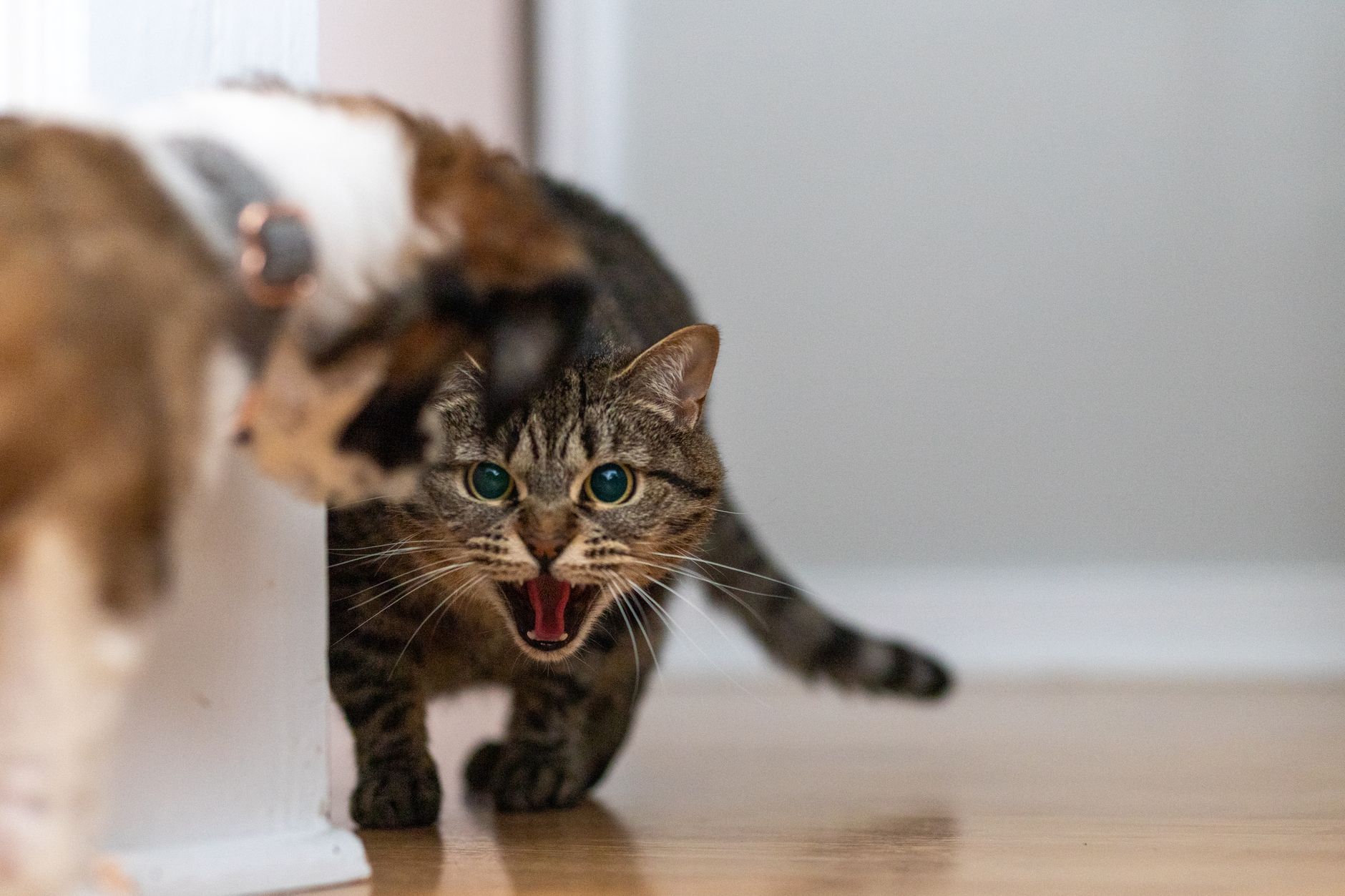
Does Gabapentin Help with Cat Aggression?
Does gabapentin help with cat aggression? Potentially, yes. Gabapentin can be a useful tool in managing some forms of feline aggression by reducing anxiety and excitability, but it’s not a cure-all and should be used under veterinary supervision as part of a comprehensive treatment plan.

Understanding Cat Aggression: A Complex Issue
Cat aggression is a multifaceted behavior with various underlying causes. It’s crucial to differentiate between normal cat behavior (play aggression, predatory behavior) and problematic aggression directed towards humans or other animals. Misdiagnosis and inappropriate treatment can worsen the situation, highlighting the importance of professional veterinary guidance. Identifying the root cause of the aggression is the first step towards effective management.
Gabapentin: A Neuropathic Pain Reliever with Behavioral Effects

Gabapentin is an anticonvulsant and neuropathic pain reliever that is commonly used in veterinary medicine to treat chronic pain, anxiety, and seizures. While not specifically designed as an anti-aggression medication, its calming and anxiolytic effects can be beneficial in managing aggression stemming from fear, anxiety, or pain. It works by modulating calcium channels in the brain, which affects the release of neurotransmitters that contribute to pain and anxiety.
How Gabapentin May Help with Cat Aggression
Does gabapentin help with cat aggression? Its calming properties can interrupt the cycle of fear and reactivity often associated with aggression. The drug’s mechanism of action indirectly addresses aggression linked to:
- Fear: By reducing anxiety and fear responses, gabapentin can make cats less likely to react aggressively to perceived threats.
- Pain: If aggression is caused by underlying pain (e.g., arthritis), gabapentin can reduce pain and improve the cat’s overall comfort, leading to decreased irritability and aggression.
- Anxiety: General anxiety can manifest as aggression. Gabapentin’s anxiolytic effects can help reduce this underlying anxiety, leading to a calmer cat.
Determining the Appropriate Dosage and Administration
The appropriate dosage of gabapentin for cats varies depending on the individual animal, the underlying cause of the aggression, and other health conditions. It is crucial to work with a veterinarian to determine the correct dosage. Gabapentin is typically administered orally, often in capsule or liquid form. Some compounding pharmacies can create flavored versions to make administration easier.
Important Considerations and Potential Side Effects
While gabapentin can be helpful, it’s important to be aware of potential side effects. Common side effects include:
- Sedation and lethargy
- Ataxia (wobbly gait)
- Vomiting
- Diarrhea
These side effects are usually mild and transient, but it’s crucial to monitor your cat closely after starting gabapentin. Always inform your veterinarian about any other medications or supplements your cat is taking, as drug interactions can occur. Does gabapentin help with cat aggression? It may, but understanding its limitations is key. Gabapentin alone might not be sufficient for all cases of feline aggression.
A Holistic Approach to Managing Cat Aggression
Medication, like gabapentin, is often most effective when combined with other strategies. A holistic approach may include:
- Behavioral modification: Working with a veterinary behaviorist to identify triggers and implement training techniques to redirect aggressive behavior.
- Environmental enrichment: Providing ample opportunities for play, scratching, and exploration to reduce boredom and stress.
- Pheromone therapy: Using synthetic feline pheromones, such as Feliway, to create a calming and secure environment.
- Dietary changes: In some cases, dietary changes may be recommended to address underlying medical conditions or sensitivities.
Monitoring Treatment Progress and Adjustments
Regularly monitor your cat’s behavior and communicate any changes to your veterinarian. The dosage of gabapentin may need to be adjusted based on your cat’s response to treatment. It’s important to understand that treatment for cat aggression is often a long-term process, requiring patience and consistency.
When Gabapentin Might Not Be the Right Choice
Gabapentin is not always the most appropriate medication for cat aggression. It is less likely to be effective for aggression that is hormonally driven (e.g., intact males) or related to territorial disputes. In some cases, other medications or behavioral interventions may be more suitable.
Documenting and Reporting
Keep a detailed record of your cat’s aggressive episodes, including the triggers, the intensity of the aggression, and any changes in behavior after starting gabapentin. This information will be valuable for your veterinarian in assessing the effectiveness of the treatment plan.
Gabapentin for Cat Aggression: Potential Benefits and Drawbacks
| Feature | Benefits | Drawbacks |
|---|---|---|
| Effectiveness | Can reduce anxiety and reactivity, potentially decreasing aggression. | May not be effective for all types of aggression. |
| Side Effects | Generally mild and transient (sedation, ataxia). | Can cause more serious side effects in some cats. |
| Administration | Oral administration, available in different forms (capsules, liquid). | Requires consistent daily administration. |
| Cost | Relatively affordable. | Ongoing medication costs. |
| Considerations | Requires veterinary prescription and monitoring. | Potential drug interactions with other medications. |
| Holistic Use | Best used in conjunction with behavioral modification and environmental enrichment. | Not a standalone solution; requires a comprehensive treatment plan. |
Exploring Alternative Medications
While gabapentin is a commonly used medication, other options may be considered depending on the specific cause of the aggression. These may include:
- Fluoxetine (Prozac): A selective serotonin reuptake inhibitor (SSRI) that can help reduce anxiety and impulsivity.
- Amitriptyline: A tricyclic antidepressant that can be used to treat anxiety and pain.
- Buspirone: An anxiolytic medication that can help reduce anxiety without causing sedation.
- Trazodone: Another anxiolytic medication that can be useful for situational anxiety, like vet visits.
Consult with your veterinarian to determine which medication is most appropriate for your cat’s individual needs.

Frequently Asked Questions about Gabapentin and Cat Aggression
Is gabapentin a cure for cat aggression?
No, gabapentin is not a cure for cat aggression. It is a management tool that can help reduce anxiety and reactivity, making cats less likely to react aggressively. It works best when combined with behavioral modification and environmental enrichment.
How long does it take for gabapentin to work on cat aggression?
The time it takes for gabapentin to show noticeable effects can vary. Some cats may show improvements within a few days, while others may take several weeks to respond. Consistent administration and ongoing monitoring are essential.
What are the signs that gabapentin is working for my cat’s aggression?
Signs that gabapentin is working may include decreased frequency and intensity of aggressive episodes, a calmer and more relaxed demeanor, and increased tolerance to triggers that previously provoked aggression.
Can I stop giving my cat gabapentin suddenly?
Never abruptly stop administering gabapentin to your cat without consulting your veterinarian. Sudden withdrawal can cause adverse effects, including seizures. Your veterinarian can advise on a gradual tapering schedule if discontinuing the medication is necessary.
What should I do if my cat misses a dose of gabapentin?
If your cat misses a dose of gabapentin, give the missed dose as soon as you remember, unless it is close to the time for the next scheduled dose. In that case, skip the missed dose and continue with the regular dosing schedule. Do not double the dose to catch up.
Is gabapentin safe for long-term use in cats?
Gabapentin is generally considered safe for long-term use in cats, but it’s crucial to have regular veterinary checkups to monitor for any potential side effects or health problems. Blood work and other diagnostic tests may be recommended to assess kidney and liver function.
Can gabapentin make my cat’s aggression worse?
In rare cases, gabapentin can paradoxically increase aggression in some cats. If you notice any worsening of aggression or other unusual behaviors after starting gabapentin, contact your veterinarian immediately.
How is gabapentin different from other medications for cat aggression?
Gabapentin is primarily an anticonvulsant and neuropathic pain reliever, while other medications, such as fluoxetine and buspirone, are specifically designed to treat anxiety and behavioral disorders. The best medication depends on the underlying cause of the aggression.
Can I give my cat human gabapentin?
You should never give your cat human gabapentin without consulting your veterinarian. Human formulations may contain ingredients that are toxic to cats. Always use a veterinary-approved formulation and dosage.
What are the best ways to administer gabapentin to a cat who hates taking pills?
If your cat hates taking pills, try using a pill pocket, compounding the medication into a flavored liquid or treat, or hiding the pill in a small amount of wet food. Consult with your veterinarian or a compounding pharmacy for alternative formulations and administration techniques.
Does gabapentin help with cat aggression to other cats?
Does gabapentin help with cat aggression towards other cats? Yes, potentially. If the aggression is fear-based or anxiety-related, gabapentin’s calming effects could mitigate these feelings. However, other interventions such as resource management and slow reintroduction may be necessary.
How much does gabapentin cost for cats?
The cost of gabapentin for cats varies depending on the dosage, the formulation (capsules, liquid), and the pharmacy. Generally, it is a relatively affordable medication. Contact your veterinarian or local pharmacies for pricing information.