
Does AC Produce Carbon Monoxide? The Truth Behind Your Cooling System

No, air conditioners do not produce carbon monoxide (CO). Carbon monoxide is a byproduct of incomplete combustion, meaning it’s created when fuels like natural gas, propane, wood, or gasoline are burned with insufficient oxygen.
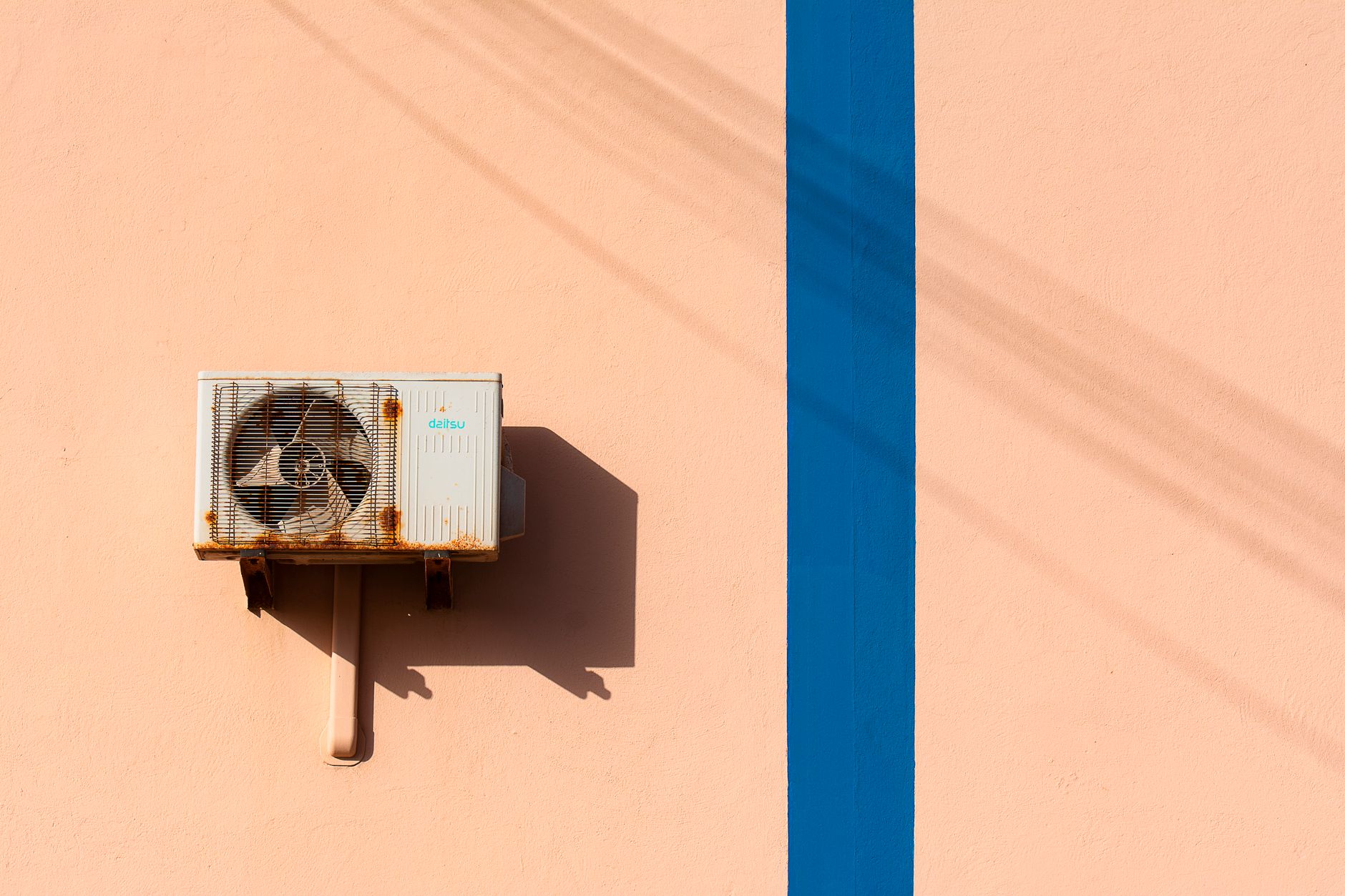
Understanding the Operation of Air Conditioners
The fundamental function of an air conditioner is to transfer heat from inside your home to the outside environment. It accomplishes this through a closed-loop system that uses a refrigerant. This refrigerant absorbs heat as it evaporates inside your home and releases heat as it condenses outside. There’s no burning of fuel involved in this process.
Air conditioners rely on electricity to power a compressor, a fan, and other components. While a faulty electrical component could potentially cause a fire, which could produce carbon monoxide, the AC unit itself does not inherently generate the gas. The risk isn’t from the air conditioner producing CO directly, but from secondary effects of malfunction.
The Real Culprit: Combustion Appliances
The primary sources of carbon monoxide in homes are combustion appliances. These include:
- Furnaces (gas, propane, or oil)
- Water heaters (gas, propane, or oil)
- Gas stoves and ovens
- Fireplaces (wood-burning or gas)
- Gas-powered generators
- Cars running in attached garages
These appliances rely on burning fuel to generate heat, and if they are not properly maintained or ventilated, they can produce dangerous levels of carbon monoxide.
The Importance of Ventilation and Maintenance
Proper ventilation is crucial to ensure that combustion byproducts, including carbon monoxide, are safely vented to the outside. Regular maintenance, including inspections and cleaning, helps to ensure that these appliances are operating efficiently and safely. Damaged or poorly maintained appliances are far more likely to produce excessive carbon monoxide.
Carbon Monoxide Detectors: Your First Line of Defense

Every home should have working carbon monoxide detectors installed on each level, especially near sleeping areas. These detectors provide an early warning system, alerting you to the presence of dangerous CO levels before they become life-threatening. Regularly test your CO detectors and replace batteries as recommended by the manufacturer.

Frequently Asked Questions (FAQs) About AC and Carbon Monoxide
1. Why do people sometimes confuse AC with carbon monoxide risks?
The confusion often arises because air conditioners and furnaces are frequently part of the same HVAC (Heating, Ventilation, and Air Conditioning) system. Since furnaces do produce carbon monoxide, the association sometimes incorrectly extends to air conditioners. Also, older homes may have a shared ventilation system which, if faulty, could circulate CO from a furnace throughout the house.
2. What are the symptoms of carbon monoxide poisoning?
Symptoms can be subtle and easily mistaken for the flu. They include:
- Headache
- Dizziness
- Weakness
- Nausea
- Vomiting
- Chest pain
- Confusion
- Loss of consciousness
Exposure to high levels of CO can be fatal.
3. Can a malfunctioning air conditioner cause a carbon monoxide leak?
No, a malfunctioning air conditioner cannot directly cause a carbon monoxide leak. However, a fire caused by electrical fault in the AC unit could produce carbon monoxide if combustible materials are burning. The CO would be a result of the fire, not a product of the AC unit’s normal operation.
4. What should I do if my carbon monoxide detector goes off?
- Immediately evacuate the house and get everyone to fresh air.
- Call 911 or your local fire department from outside the house.
- Do not re-enter the house until it has been cleared by professionals.
- Have your combustion appliances inspected by a qualified technician.
5. How often should I have my furnace inspected for carbon monoxide leaks?
It’s recommended to have your furnace inspected annually by a qualified HVAC technician. This will help ensure it’s operating efficiently and safely, reducing the risk of carbon monoxide production.
6. Does the type of air conditioner (window unit, central AC, ductless mini-split) affect the risk of carbon monoxide poisoning?
No. The type of air conditioner is irrelevant to carbon monoxide production. As mentioned previously, air conditioners don’t produce carbon monoxide regardless of their design or installation. The risk comes from other combustion appliances in the home.
7. Can I use a portable generator indoors if my AC is running?
Never use a portable generator indoors or in partially enclosed spaces, such as garages or carports, even if the doors and windows are open. Generators produce high levels of carbon monoxide, and the fumes can quickly build up to dangerous levels, regardless of whether the AC is running or not.
8. Can refrigerant leaks cause carbon monoxide poisoning?
Refrigerant leaks do not cause carbon monoxide poisoning. Refrigerant is a separate substance and doesn’t involve combustion. Refrigerant leaks can have other health effects, such as skin irritation or breathing difficulties in large concentrations, but they don’t produce CO.
9. Are there any “smart” carbon monoxide detectors available?
Yes, there are many smart carbon monoxide detectors available that connect to your home Wi-Fi network. These detectors can send alerts to your smartphone if carbon monoxide is detected, even when you’re away from home. Some also integrate with smart home systems.
10. My house feels stuffy even with the AC running. Could this be related to carbon monoxide?
While a stuffy feeling can be caused by many factors, including poor ventilation, it is unlikely to be directly related to carbon monoxide poisoning unless you also experience other symptoms of CO poisoning. A stuffy environment is more likely caused by insufficient airflow or a problem with your ventilation system. Still, if you suspect CO poisoning, err on the side of caution and test your detectors.
11. How close should a carbon monoxide detector be to a combustion appliance?
Carbon monoxide detectors should be installed according to the manufacturer’s instructions and local building codes. Generally, they should be placed near sleeping areas and on each level of the home. Some guidelines recommend placing them within 10 feet of combustion appliances, but it’s best to consult the specific instructions for your detector.
12. If I have an electric furnace, do I still need a carbon monoxide detector?
While electric furnaces don’t produce carbon monoxide during normal operation, it’s still recommended to have a carbon monoxide detector in your home. Other combustion appliances, such as gas stoves, water heaters, or fireplaces, can still produce CO. Additionally, CO can enter your home from external sources, like a neighbor’s faulty furnace or a car running in an attached garage. Therefore, having a detector provides a critical safety net.