
Does AC Cause Carbon Monoxide? The Truth and How to Stay Safe

Absolutely not. Air conditioning systems themselves do not produce carbon monoxide (CO). Carbon monoxide is a byproduct of incomplete combustion, typically arising from fuel-burning appliances such as furnaces, gas stoves, water heaters, or generators.
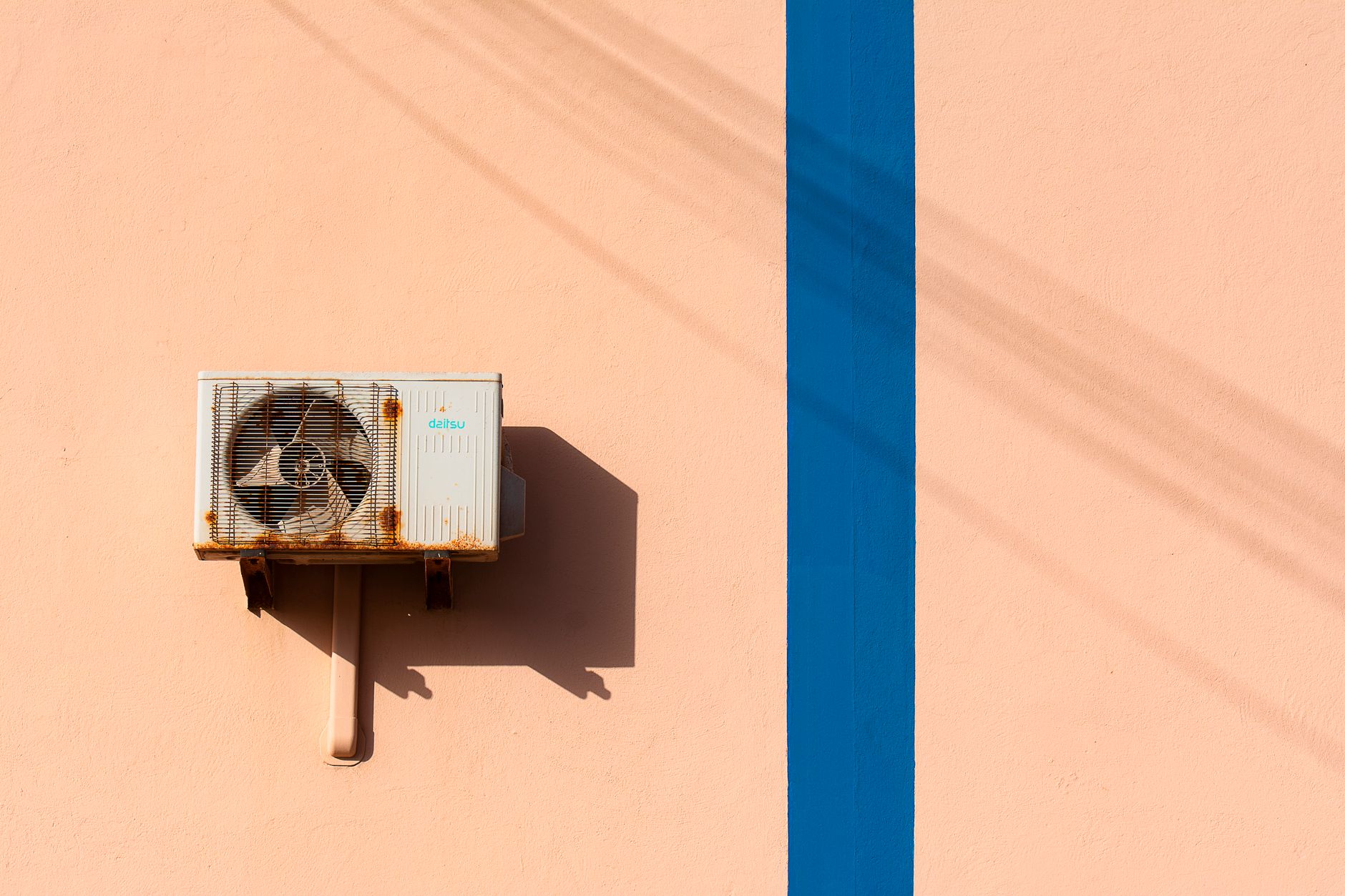
Understanding the Difference: AC vs. Fuel-Burning Appliances
It’s crucial to differentiate between air conditioning systems and appliances that burn fuel. Air conditioners are primarily refrigeration units, using refrigerants to cool the air and electricity to power the process. They don’t combust anything and therefore cannot generate carbon monoxide. The misconception often arises because both AC units and fuel-burning appliances can be found in the same home.
How Carbon Monoxide is Produced
Carbon monoxide is a colorless, odorless, and poisonous gas produced when fuels like natural gas, propane, wood, gasoline, or kerosene burn incompletely. Incomplete combustion happens when there isn’t enough oxygen present during the burning process. Faulty appliances, blocked chimneys, and running vehicles in enclosed spaces are common causes of CO poisoning.
Why the Confusion?

The link between AC and CO poisoning is indirect. A faulty furnace, which often shares the same ventilation system as the AC, can leak CO into the home. During warmer months, the furnace might not be used regularly, so a small leak may go unnoticed. When the AC is turned on, it can circulate this pre-existing CO throughout the house, leading people to mistakenly believe the AC is the source.

FAQs: Air Conditioning and Carbon Monoxide
These frequently asked questions will clarify any lingering doubts and provide practical information for homeowners.
FAQ 1: Can a Window AC Unit Produce Carbon Monoxide?
No. Window AC units are powered by electricity and do not use any combustion process. They pose absolutely no carbon monoxide risk.
FAQ 2: Can Central AC Units Produce Carbon Monoxide?
Similar to window units, central AC systems rely on electricity and refrigerants for cooling. They cannot directly produce carbon monoxide. However, as previously mentioned, their ductwork can distribute CO originating from another source, such as a faulty furnace.
FAQ 3: What are the Symptoms of Carbon Monoxide Poisoning?
Recognizing the symptoms of CO poisoning is crucial for timely intervention. Common symptoms include:
- Headache
- Dizziness
- Weakness
- Nausea
- Vomiting
- Chest pain
- Confusion
- Loss of consciousness
Severe CO poisoning can lead to brain damage and death.
FAQ 4: What Should I Do If I Suspect Carbon Monoxide Poisoning?
If you suspect CO poisoning, take these immediate steps:
- Get everyone out of the building immediately.
- Call 911 or your local emergency number from a safe location.
- Do not re-enter the building until it has been cleared by emergency personnel or a qualified technician.
- Seek medical attention immediately.
FAQ 5: How Can I Prevent Carbon Monoxide Poisoning?
Prevention is key. Here’s how to minimize your risk:
- Install carbon monoxide detectors: Place detectors on every level of your home, especially near sleeping areas.
- Test your CO detectors regularly: Ensure they are working properly by testing them monthly.
- Have your fuel-burning appliances inspected annually: Schedule professional inspections and maintenance for your furnace, water heater, and other gas appliances.
- Ensure proper ventilation: Keep chimneys and vents clear of obstructions. Never use a charcoal grill, generator, or other fuel-burning device inside a home, garage, or tent.
- Never run a vehicle inside a garage, even with the door open.
FAQ 6: Where Should I Install Carbon Monoxide Detectors?
Carbon monoxide detectors should be installed on every level of your home, including the basement. Place them outside each sleeping area so you can hear the alarm while you sleep. Follow the manufacturer’s instructions for proper placement.
FAQ 7: How Often Should I Replace My Carbon Monoxide Detectors?
Carbon monoxide detectors have a limited lifespan. Most manufacturers recommend replacing them every 5-7 years. Check the manufacturer’s instructions for specific recommendations. Don’t rely solely on the test button; even if the test works, the sensor itself might be nearing the end of its life.
FAQ 8: What Types of Fuel-Burning Appliances Can Cause Carbon Monoxide Poisoning?
Several types of fuel-burning appliances can be potential sources of CO:
- Furnaces
- Gas stoves and ovens
- Water heaters
- Fireplaces (gas or wood-burning)
- Portable generators
- Kerosene heaters
- Gas dryers
Regular inspection and maintenance of these appliances are crucial.
FAQ 9: Can Poorly Maintained Air Ducts Contribute to Carbon Monoxide Exposure?
While air ducts themselves don’t produce CO, dirty or leaky ductwork can circulate existing CO more effectively throughout the home. This is especially concerning if a faulty furnace is leaking CO into the system. Cleaning and sealing air ducts can improve air quality and prevent the widespread distribution of contaminants, including CO.
FAQ 10: Is it Possible for an Air Conditioner to Trigger a Carbon Monoxide Alarm?
Yes, but indirectly. An AC unit turning on may circulate already-present CO, causing the alarm to sound. The AC isn’t the cause of the CO, but it can be the trigger that alerts you to the problem.
FAQ 11: What Role Does the Furnace Play in Potential Carbon Monoxide Exposure?
The furnace is a primary suspect when carbon monoxide is detected in a home with central air. A cracked heat exchanger in a furnace is a common cause of CO leaks. This allows combustion gases to escape into the airstream and circulate throughout the house.
FAQ 12: What are the Key Takeaways for Staying Safe from Carbon Monoxide?
The key takeaways for staying safe from carbon monoxide are:
- Install and maintain working carbon monoxide detectors.
- Have your fuel-burning appliances inspected annually.
- Understand the symptoms of CO poisoning and act quickly if you suspect exposure.
- Ensure proper ventilation in your home.
- Don’t use fuel-burning appliances in enclosed spaces.
By understanding the difference between air conditioning systems and fuel-burning appliances, taking proactive safety measures, and being aware of the symptoms of CO poisoning, you can significantly reduce your risk and ensure a healthy and safe home environment. Remember, vigilance is key.