
Do You Have to Wash Your Hands After Touching a Hermit Crab?
Yes, you absolutely must wash your hands after touching a hermit crab. This is essential to prevent the spread of potentially harmful bacteria and parasites that these fascinating creatures may carry.
Understanding Hermit Crabs and Hygiene
Hermit crabs are captivating pets, beloved for their quirky personalities and relatively low-maintenance care. However, like all animals, they can harbor microorganisms that could pose a risk to human health. Understanding this potential risk is the first step in ensuring a safe and enjoyable experience with your hermit crab. Do you have to wash your hands after touching a hermit crab? The answer is a resounding yes, and it’s crucial to understand why.
Potential Health Risks

While hermit crabs are generally harmless, they can carry bacteria and parasites that can cause illness in humans. The most common concern is Salmonella, a bacterium known to cause food poisoning symptoms such as diarrhea, fever, and abdominal cramps. Other potential risks include:
- Bacteria: E. coli and other coliform bacteria can also be present.
- Parasites: While less common, some hermit crabs can carry parasites.
- Allergens: Some individuals may be allergic to crustaceans, including hermit crabs.
The likelihood of contracting an illness is generally low with proper hygiene, but it’s important to take precautions.
Proper Handwashing Technique
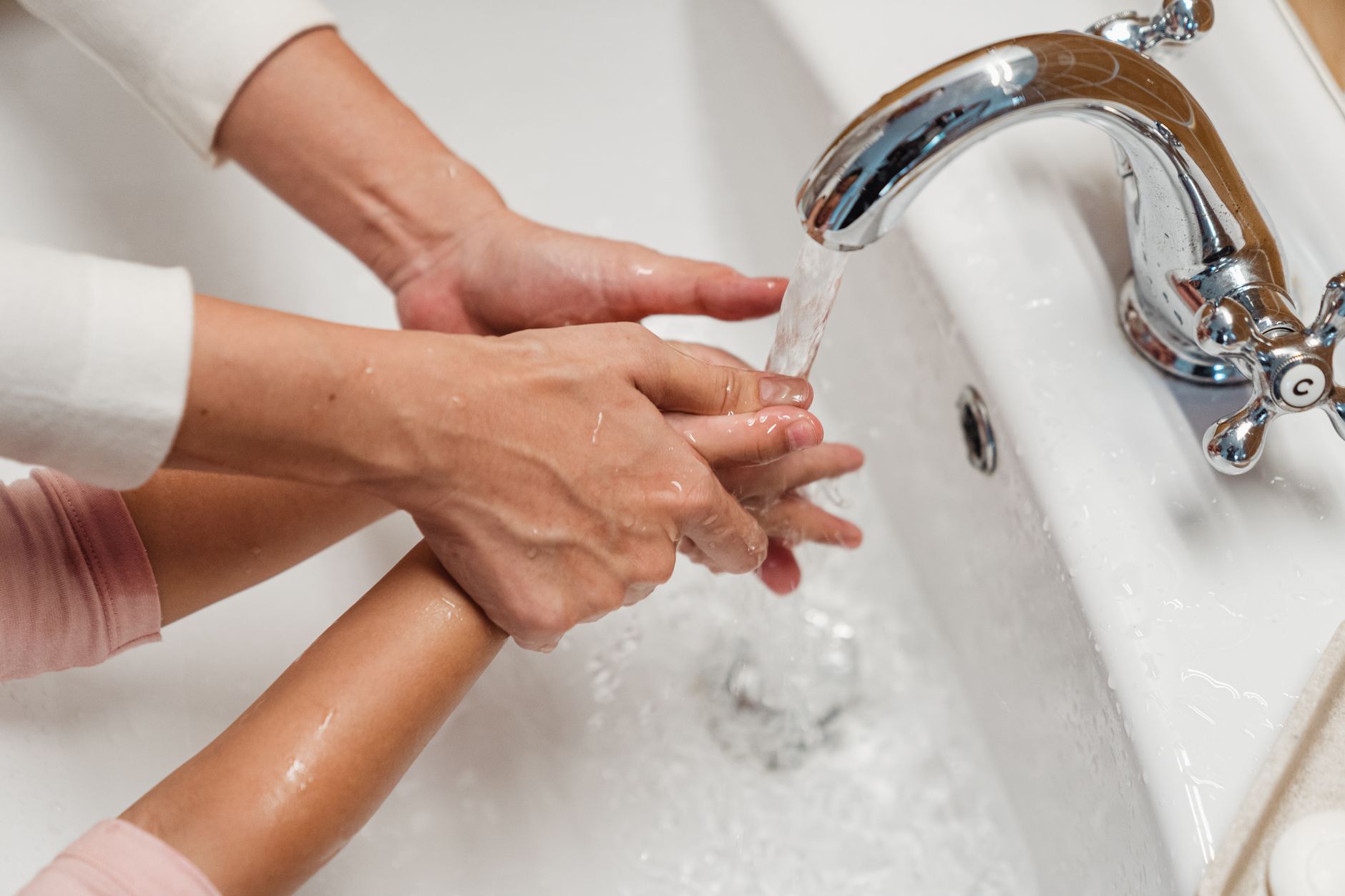
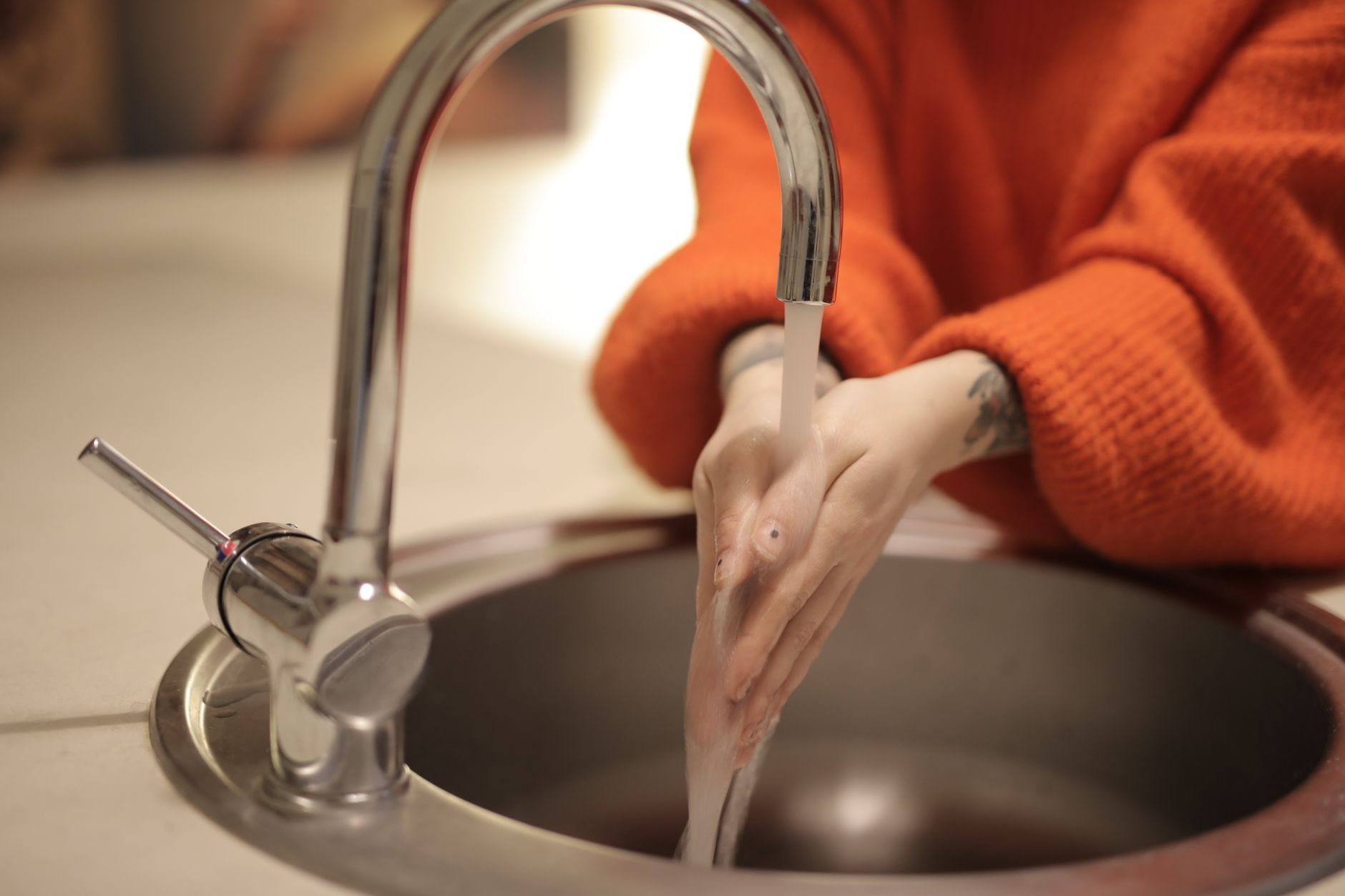
Effective handwashing is the key to preventing the spread of germs after handling hermit crabs. Follow these steps:
- Wet your hands with clean, running water (warm or cold).
- Apply soap.
- Lather your hands, making sure to get between your fingers, under your nails, and the backs of your hands.
- Scrub your hands for at least 20 seconds. A helpful trick is to hum the “Happy Birthday” song twice.
- Rinse your hands thoroughly under running water.
- Dry your hands with a clean towel or air dry them.
Additional Hygiene Practices
Beyond simply washing your hands after contact, consider these additional hygiene practices:
- Designated Area: Keep your hermit crab habitat in a designated area away from food preparation surfaces.
- Cleaning: Regularly clean and disinfect the habitat, using appropriate cleaning solutions that are safe for hermit crabs.
- Separate Utensils: Use separate utensils for cleaning the habitat and feeding your hermit crabs. Do not use these utensils for human food preparation.
- Avoid Contact with Mouth: Refrain from touching your mouth or face while handling hermit crabs or their habitat.
- Supervise Children: Closely supervise children when they are handling hermit crabs to ensure they follow proper hygiene practices. This is very important.
Choosing a Healthy Hermit Crab
Selecting a healthy hermit crab can also minimize potential risks. Look for these signs of good health:

- Active: A healthy hermit crab will be active and responsive to its environment.
- Complete Limbs: Ensure the crab has all its limbs and antennae.
- Clean Shell: The shell should be relatively clean and free of debris.
- Clear Eyes: The eyes should be clear and bright.
Who is at Higher Risk?
Certain individuals are more susceptible to infections from animals, including hermit crabs. These include:
- Children under 5 years old
- Pregnant women
- Elderly individuals
- People with weakened immune systems
These individuals should be especially diligent about handwashing and hygiene.
Table: Comparing Handwashing Methods
| Method | Effectiveness | Advantages | Disadvantages |
|---|---|---|---|
| Soap and Water | High | Readily available, effective against many germs | Requires access to water and soap |
| Hand Sanitizer | Medium | Portable, convenient | Less effective if hands are visibly dirty, doesn’t kill all germs |
| No Handwashing | Low | None | High risk of spreading germs |
Frequently Asked Questions (FAQs)
Is it safe to let my hermit crab walk on the kitchen counter?
No, it’s generally not safe to let your hermit crab walk on kitchen counters, especially food preparation surfaces. Even if the counter appears clean, the crab can transfer bacteria from its shell and feet. Always disinfect surfaces that a hermit crab has touched.
Can I get sick from a hermit crab bite?
While hermit crab bites can be painful, they are unlikely to transmit diseases. The primary risk remains the bacteria on their claws. However, you should always wash the bite area thoroughly with soap and water.
Do all hermit crabs carry Salmonella?
Not all hermit crabs carry Salmonella, but it is a common bacterium found in their environment. Therefore, it is best to assume that they do and take appropriate precautions. Do you have to wash your hands after touching a hermit crab? Yes, even if it seems clean.
What kind of soap should I use to wash my hands after handling a hermit crab?
Any soap, whether antibacterial or regular, is effective as long as you lather and scrub for at least 20 seconds. The mechanical action of scrubbing removes the germs.
Is it okay to use hand sanitizer instead of washing my hands with soap and water?
Hand sanitizer is a good alternative when soap and water are not available. However, it is not as effective as thorough handwashing, especially if your hands are visibly dirty. Soap and water should always be your first choice.
How often should I clean my hermit crab’s habitat?
The frequency of cleaning depends on the size of the habitat and the number of hermit crabs. A thorough cleaning should be done at least once a month, and spot cleaning should be done regularly to remove uneaten food and waste. A clean habitat is essential for the health of both the crabs and their human caregivers.
Can my child play with hermit crabs?
Yes, children can play with hermit crabs, but they must be closely supervised to ensure they handle them gently and wash their hands thoroughly afterward. Educate children about the importance of hygiene.
What if I accidentally touch my face after handling a hermit crab?
Wash your hands immediately with soap and water. If you develop any symptoms of illness, such as diarrhea or vomiting, contact your doctor. Prompt action is key to preventing infection.
Are wild hermit crabs more likely to carry diseases than pet hermit crabs?
Wild hermit crabs may be more likely to carry a wider variety of bacteria and parasites due to their exposure to the natural environment. However, all hermit crabs should be handled with caution.
How can I disinfect my hermit crab’s habitat?
Use a solution of diluted bleach (1 part bleach to 32 parts water) to disinfect the habitat. Make sure to rinse thoroughly with clean water and allow it to dry completely before returning the hermit crabs. Always ensure the habitat is completely dry before reintroducing the crabs.
Can I get Salmonella from the water in my hermit crab’s habitat?
Yes, the water in the habitat can be a source of Salmonella and other bacteria. Change the water regularly and always wash your hands after handling the water dish or misting the habitat. Regular water changes minimize the risk.
I forgot to wash my hands after touching my hermit crab. What should I do?
Wash your hands immediately with soap and water. Monitor yourself for any signs of illness, and contact your doctor if you develop any symptoms. It is always best to be proactive and wash your hands as soon as you remember. Do you have to wash your hands after touching a hermit crab, even after you’ve forgotten and remembered after the fact? Yes.