

Do Rat Snakes Have Red Bellies? Unveiling the Truth
While some rat snake subspecies exhibit reddish coloration, it’s generally incorrect to say that all rat snakes have red bellies. The presence and intensity of red coloration on their ventral scales is highly variable and dependent on species, subspecies, and even individual snake.

Introduction: The Diverse World of Rat Snakes
Rat snakes, members of the genus Pantherophis, are a diverse group of non-venomous snakes found throughout North America and parts of Asia. Known for their rodent-heavy diets and impressive climbing abilities, these snakes are frequently encountered in both rural and suburban environments. Their coloration, however, is far from uniform. This variation often leads to the question: Do rat snakes have red bellies? Understanding the factors that influence their appearance is crucial for accurate identification and appreciating the remarkable diversity within this group.
Color Variation in Rat Snakes: More Than Meets the Eye

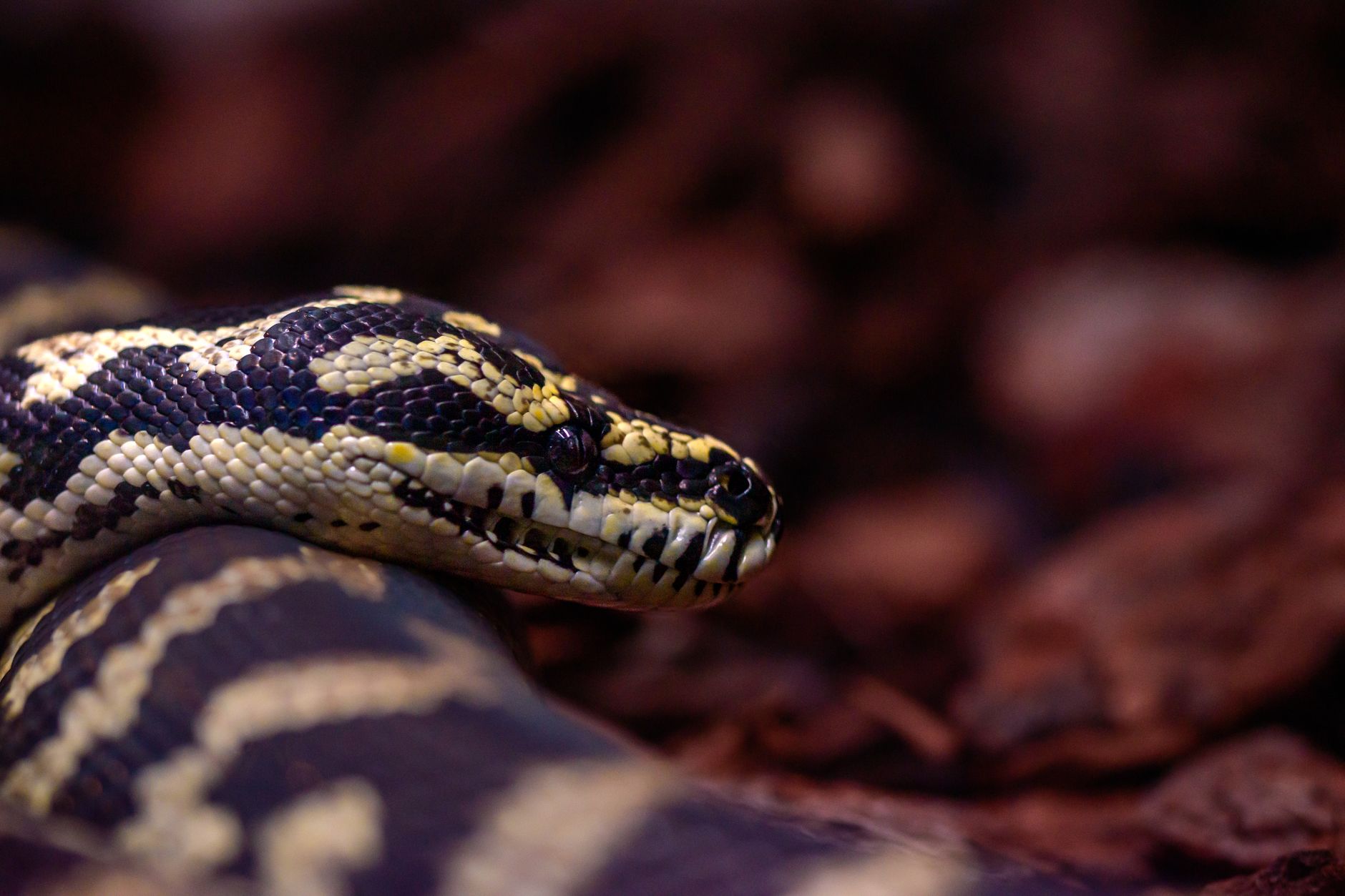
The term “rat snake” encompasses several distinct species and subspecies, each exhibiting its own unique coloration patterns. This variation extends to the belly scales, where shades ranging from white and yellow to gray, black, and yes, even red, can be observed. The geographic location, habitat, and genetic makeup of a particular rat snake significantly influence its coloration.
Here’s a breakdown of some key factors:
- Species and Subspecies: Different rat snake species have predispositions to specific belly colors. For instance, the Eastern Rat Snake ( Pantherophis alleghaniensis) often has a checkerboard pattern of black and white or grayish on its belly, while the Red Rat Snake (Pantherophis guttatus) is more likely to have reddish or orange coloration.
- Geographic Location: Snakes from different regions adapt to their environments. For example, some populations in areas with reddish soils might exhibit more intense red coloration on their bellies as a form of camouflage.
- Individual Variation: Just like humans, individual rat snakes can exhibit variations in coloration even within the same population.
Red Rat Snakes: The Exception, Not the Rule
The term “Red Rat Snake” or “Corn Snake” (Pantherophis guttatus) is often confused with the broader category of rat snakes. This species frequently exhibits orange, red, or reddish-brown blotches on its back and often has a checkered pattern of black and white or reddish hues on its belly. Because of this common association with red, people often wonder, do rat snakes have red bellies? While this species might be the source of confusion, it doesn’t apply to all rat snakes.
Distinguishing Rat Snakes from Other Species
Identifying rat snakes can be tricky, given the variety of colors and patterns they exhibit. Key characteristics that help differentiate them from other snakes include:
- Body Shape: Rat snakes are typically slender-bodied snakes with a slightly flattened profile.
- Head Shape: They have a somewhat elongated head, slightly wider than the neck.
- Scale Texture: Their scales are smooth and glossy.
- Anal Plate: The anal plate (the scale covering the vent) is divided in most rat snake species, a crucial detail in identification.
Careful observation of these features, along with knowledge of the local snake fauna, can aid in accurate identification. Remember, proper identification is crucial before attempting any interaction with a snake.
Dispelling Myths About Rat Snakes
Many myths surround rat snakes, often fueled by fear and misunderstanding. These myths can lead to unnecessary harm to these beneficial creatures. Here are a few common misconceptions:
- Myth: Rat snakes are aggressive and will bite without provocation.
- Fact: Rat snakes are generally docile and prefer to flee rather than confront humans. They will only bite if they feel threatened.
- Myth: Rat snakes are venomous.
- Fact: Rat snakes are non-venomous and pose no threat to humans.
- Myth: All rat snakes are the same color.
- Fact: As previously discussed, rat snakes exhibit a wide range of colors and patterns.
By dispelling these myths, we can promote a better understanding and appreciation for these important members of our ecosystem.
The Ecological Role of Rat Snakes
Rat snakes play a vital role in maintaining ecological balance by controlling rodent populations. Their diet consists primarily of rats, mice, and other small mammals, making them a natural form of pest control. They also consume birds and eggs, helping to regulate bird populations. Their presence in an ecosystem contributes to the overall health and stability of the environment.
| Benefit | Description |
|---|---|
| Rodent Control | Reduces populations of rats and mice, preventing crop damage and disease spread. |
| Bird Population Regulation | Helps maintain healthy bird populations by preying on eggs and young birds. |
| Ecosystem Balance | Contributes to the overall health and stability of the ecosystem. |
Conservation Concerns and Human Interaction
While rat snakes are not currently considered endangered, they face several threats, including habitat loss, road mortality, and persecution. Human activities, such as deforestation and urbanization, are reducing the availability of suitable habitat for these snakes. Vehicle traffic poses a significant threat, particularly during breeding season when snakes are more active.
Steps You Can Take to Help Rat Snakes:
- Protect natural habitats: Support conservation efforts aimed at preserving forests and wetlands.
- Drive carefully: Be aware of snakes crossing roads, especially during breeding season.
- Avoid killing snakes: Rat snakes are beneficial creatures and should not be harmed.
- Educate others: Share your knowledge about rat snakes and their importance.
Frequently Asked Questions (FAQs) About Rat Snakes and Red Bellies
Can all rat snakes climb trees?
Yes, rat snakes are renowned for their climbing abilities. Their slender bodies and keeled scales enable them to grip bark and other surfaces effectively. They often climb trees to hunt for prey, such as birds and eggs, or to escape predators. Their arboreal lifestyle is a key characteristic of the species.
Are rat snakes dangerous to pets?
While rat snakes are not venomous and generally not aggressive towards larger animals, they can pose a threat to small pets, such as rodents, birds, and reptiles. Keep small pets secured in enclosures to prevent predation.
What is the typical lifespan of a rat snake?
In the wild, rat snakes typically live for 10 to 15 years. In captivity, with proper care, they can live even longer, sometimes exceeding 20 years.
What do baby rat snakes eat?
Baby rat snakes typically feed on small rodents, lizards, and frogs. Their diet expands as they grow larger.
How do I tell the difference between a rat snake and a copperhead?
Distinguishing between a rat snake and a copperhead is crucial because copperheads are venomous. Copperheads have distinctive hourglass-shaped patterns on their bodies and a triangular head. Rat snakes lack these features. If unsure, it’s best to err on the side of caution and avoid contact.
Are rat snakes protected by law?
The legal status of rat snakes varies depending on the state and locality. In some areas, they are protected and cannot be killed or harassed. Check your local regulations before interacting with a rat snake.
What should I do if I find a rat snake in my house?
If you find a rat snake in your house, remain calm. Gently guide the snake outdoors using a broom or other long object. Avoid cornering the snake, as this may provoke it to bite.
Are rat snakes good to have around my property?
Yes, rat snakes are beneficial to have around your property because they help control rodent populations. They are a natural form of pest control.
How big do rat snakes get?
Rat snakes can grow to impressive lengths, typically ranging from 3 to 7 feet. Some individuals have been known to reach even larger sizes.
Do rat snakes hibernate?
Yes, rat snakes hibernate during the winter months to survive cold temperatures. They typically seek shelter in underground burrows, rock crevices, or other protected locations. This period of dormancy allows them to conserve energy.
How often do rat snakes shed their skin?
Rat snakes shed their skin several times a year, with the frequency decreasing as they age. Shedding is necessary for growth and to remove parasites.
Why do rat snakes rattle their tails?
Rat snakes often vibrate or rattle their tails when they feel threatened. This behavior mimics the sound of a rattlesnake and serves as a warning to potential predators.