

Do Raccoons Eat Bird Seed? A Comprehensive Guide
Yes, raccoons do eat bird seed. In fact, they find bird seed highly appealing as a readily available and energy-rich food source, particularly when other food options are scarce.
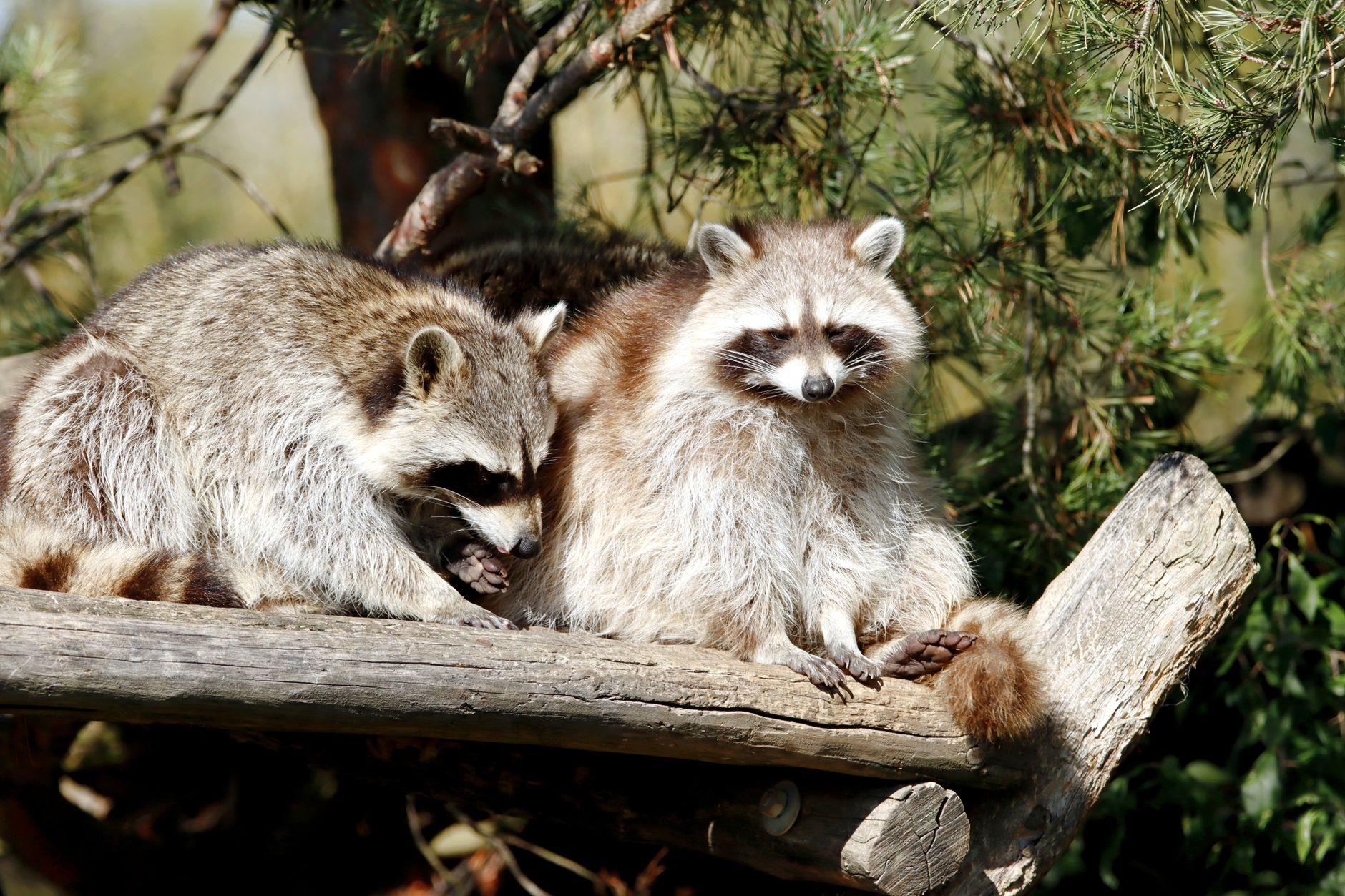
Understanding Raccoon Dietary Habits
Raccoons are opportunistic omnivores, meaning they’ll eat just about anything they can get their paws on. Their diet is highly adaptable and varies depending on their environment, the season, and the availability of different food sources. Knowing what attracts them is key to keeping them away from your bird feeders.
- Fruits and Berries: A significant part of their diet, especially in late summer and fall.
- Nuts and Seeds: A preferred food, providing essential fats and calories.
- Insects: A good source of protein, readily available in gardens and lawns.
- Small Animals: Mice, frogs, eggs, and other small creatures contribute to their carnivorous tendencies.
- Human Food: This includes garbage, pet food left outside, and, notably, bird seed.
The ease with which raccoons can access bird feeders makes them a prime target. Bird seed is essentially a buffet, offering a concentrated source of calories without the need for much effort.
Why Bird Seed Appeals to Raccoons

The appeal of bird seed to raccoons stems from several factors:
- Accessibility: Bird feeders are often placed in accessible locations, such as hanging from trees or mounted on poles, which raccoons can easily climb or reach.
- Calorie Density: Seeds are packed with calories, providing a quick and efficient energy boost.
- Variety: Bird seed mixes often contain a variety of seeds and nuts, catering to a raccoon’s diverse taste preferences.
- Seasonality: In colder months, when natural food sources are scarce, bird feeders become an even more attractive option for raccoons seeking sustenance.
- Smell: The scent of bird seed can be quite enticing, drawing raccoons in from considerable distances.
The Consequences of Raccoons Eating Bird Seed
While seemingly harmless, raccoons consuming bird seed can have several negative consequences:
- Feeder Damage: Raccoons are strong and persistent. They can damage or destroy bird feeders in their attempts to access the seed.
- Mess and Disruption: They scatter seed, creating a mess in your yard and attracting other unwanted pests.
- Increased Raccoon Presence: Once they discover a reliable food source, raccoons will return regularly, increasing their presence in your yard and potentially leading to conflicts with pets or humans.
- Disease Transmission: Raccoons can carry diseases, such as rabies and raccoon roundworm, that can be transmitted to humans and pets.
- Impact on Birds: By monopolizing the food source, raccoons can deprive birds of the nourishment they need, particularly during harsh weather conditions.
Preventing Raccoons from Accessing Bird Seed
Several strategies can be employed to deter raccoons from accessing bird seed:
- Elevate Feeders: Use tall poles and place feeders high enough that raccoons cannot reach them, typically at least 10 feet off the ground. Add smooth baffles to the poles to prevent climbing.
- Choose Raccoon-Resistant Feeders: Opt for feeders with cages or designs that make it difficult for raccoons to reach the seed.
- Clean Up Spilled Seed: Regularly sweep up any spilled seed around the base of the feeder to eliminate an easy food source.
- Bring Feeders Inside at Night: Raccoons are most active at night. Taking feeders indoors each evening can significantly reduce their access.
- Use Motion-Activated Sprinklers or Lights: These can startle raccoons and deter them from approaching the feeder.
- Consider Using Bird Seed Raccoons Dislike: Some suggest using safflower seed, which birds like but raccoons typically avoid. (Note: success varies!)
- Install Fencing: If possible, enclose the bird feeder area with a fence that raccoons cannot easily climb. Electric fencing is also an option.
Alternatives to Traditional Bird Seed
If raccoons are a persistent problem, consider alternative feeding strategies:
- Suet Feeders: Place suet feeders in areas inaccessible to raccoons. Suet is less appealing to raccoons than bird seed.
- Nectar Feeders: Hang hummingbird feeders high and out of reach. While raccoons might be attracted to the sugar water, the feeders are typically more difficult for them to access.
- Native Plants: Plant native trees, shrubs, and flowers that provide natural food sources for birds, reducing their reliance on supplemental feeding.
Summary Table: Raccoon Deterrents
| Deterrent Method | Effectiveness | Considerations |
|---|---|---|
| Tall Poles with Baffles | High, if properly installed | Requires sturdy pole and proper baffle placement |
| Raccoon-Resistant Feeders | Moderate to High, depending on the design | Some designs may be more expensive |
| Cleaning Up Spilled Seed | Moderate | Requires regular maintenance |
| Bringing Feeders Inside at Night | High | Requires daily effort |
| Motion-Activated Sprinklers | Moderate | May require adjusting to avoid spraying desired areas |
| Safflower Seed | Variable; not always effective | Birds may also dislike it |
| Fencing | High, if properly constructed and maintained | Can be expensive and require significant effort |
Conclusion
Do raccoons eat bird seed? Absolutely. Understanding their dietary habits and implementing preventative measures is crucial for protecting your bird feeders, minimizing raccoon presence, and ensuring the well-being of local bird populations. By employing a combination of the strategies outlined above, you can significantly reduce the likelihood of raccoons raiding your bird feeders and enjoy a more harmonious coexistence with these resourceful creatures.
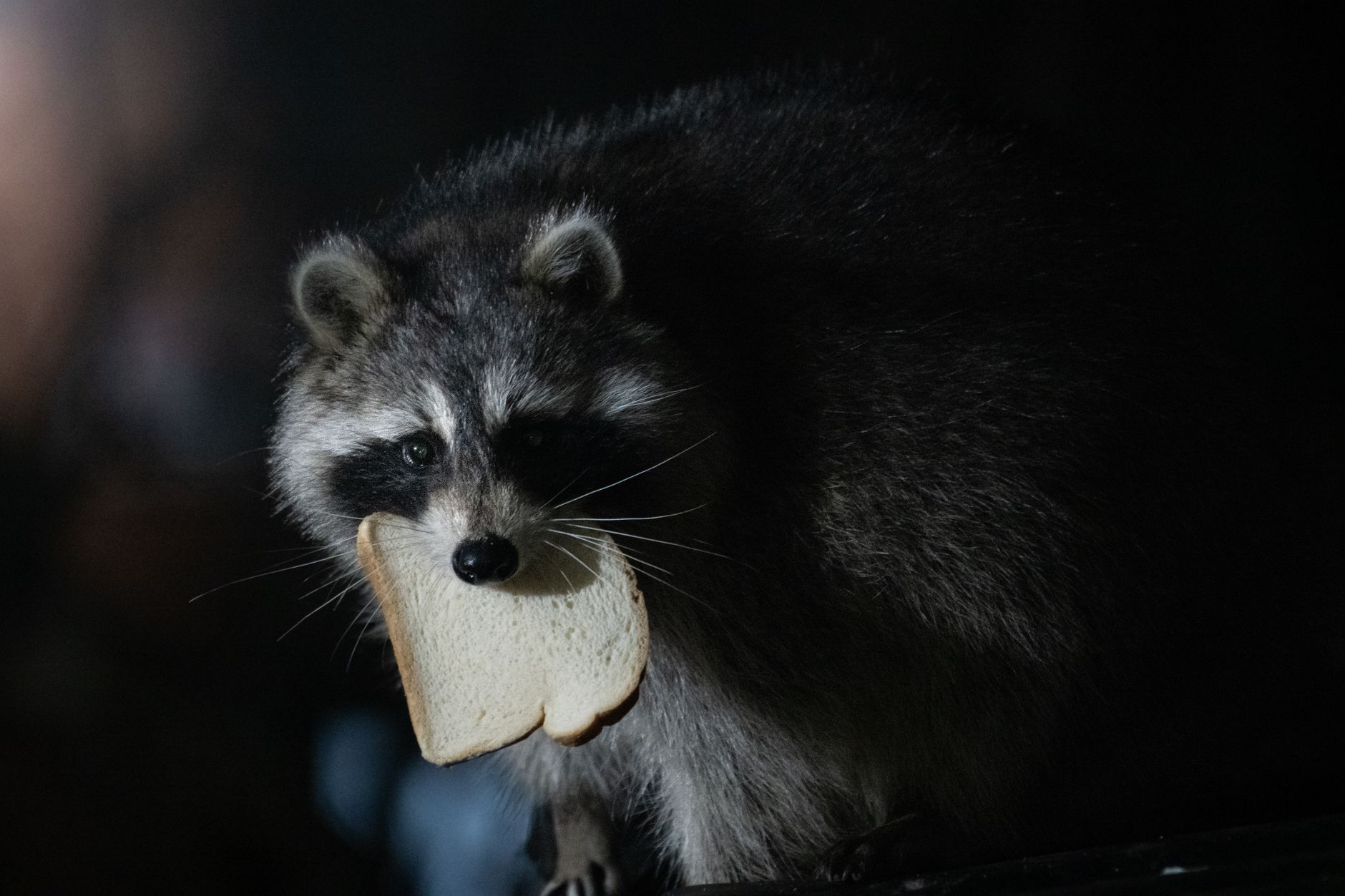
Frequently Asked Questions (FAQs)
Will raccoons eat anything else in my yard besides bird seed?
Yes, raccoons are opportunistic omnivores, meaning they will eat a wide variety of foods they find in your yard. This includes fruits, vegetables, nuts, insects, grubs, and even garbage. They are not picky and will take advantage of any readily available food source.
What time of year are raccoons most likely to target bird feeders?
Raccoons are most likely to target bird feeders in the late fall and winter when natural food sources are scarce. During these months, they are actively searching for high-calorie foods to help them survive the cold weather.
Are there certain types of bird seed that raccoons prefer?
Raccoons generally prefer seeds that are high in fat and protein, such as sunflower seeds, peanuts, and corn. They are also attracted to mixes that contain a variety of seeds and nuts.
How high should I place my bird feeder to keep raccoons away?
Ideally, bird feeders should be placed at least 10 feet off the ground to deter raccoons. It’s also essential to use a smooth baffle on the pole to prevent them from climbing.
Do motion-activated sprinklers really work to deter raccoons?
Yes, motion-activated sprinklers can be an effective deterrent for raccoons. The sudden burst of water startles them and encourages them to leave the area. However, it’s important to position the sprinkler carefully to avoid spraying desired areas.
Will providing an alternative food source for raccoons keep them away from my bird feeders?
While it may seem counterintuitive, providing an alternative food source for raccoons can sometimes backfire. It may attract even more raccoons to your property, making it harder to control their presence. It is generally not recommended.
Is it safe to trap and relocate raccoons?
Trapping and relocating raccoons is generally not recommended and may even be illegal in some areas. It can be stressful for the animal and may disrupt the local ecosystem. Additionally, relocated raccoons often struggle to survive in unfamiliar territory. Check your local laws before considering this option.
Can I use a homemade raccoon repellent to protect my bird feeders?
There are various homemade raccoon repellent recipes online, but their effectiveness is often questionable. Some common ingredients include cayenne pepper, garlic, and vinegar. While these may temporarily deter raccoons, they are unlikely to provide long-term protection.
Are raccoons dangerous to humans or pets?
Raccoons can be dangerous to humans and pets, as they can carry diseases such as rabies and raccoon roundworm. It’s important to avoid direct contact with raccoons and to keep pets vaccinated against rabies. If you suspect a raccoon is sick or aggressive, contact your local animal control.
What are the signs that raccoons are visiting my bird feeders?
Signs that raccoons are visiting your bird feeders include scattered seed, damaged feeders, overturned garbage cans, and droppings. You may also hear noises at night, such as rustling or scratching.
What can I do if I have a raccoon living in my attic or under my deck?
If you have a raccoon living in your attic or under your deck, it’s important to contact a professional wildlife removal service. They have the expertise and equipment to safely remove the raccoon and prevent it from returning.
Do raccoons eat bird eggs or baby birds?
Yes, raccoons will absolutely eat bird eggs and baby birds if they can access them. They are opportunistic predators and will take advantage of any available food source. This is another reason to deter them from your yard.