

Do Rabbits Get Lonely Without Another Rabbit? Understanding Lagomorphian Social Needs
Do rabbits get lonely without another rabbit? Yes, most rabbits thrive with companionship, and keeping them alone can lead to significant stress and behavioral issues. Providing a rabbit companion is often the best way to ensure their well-being.
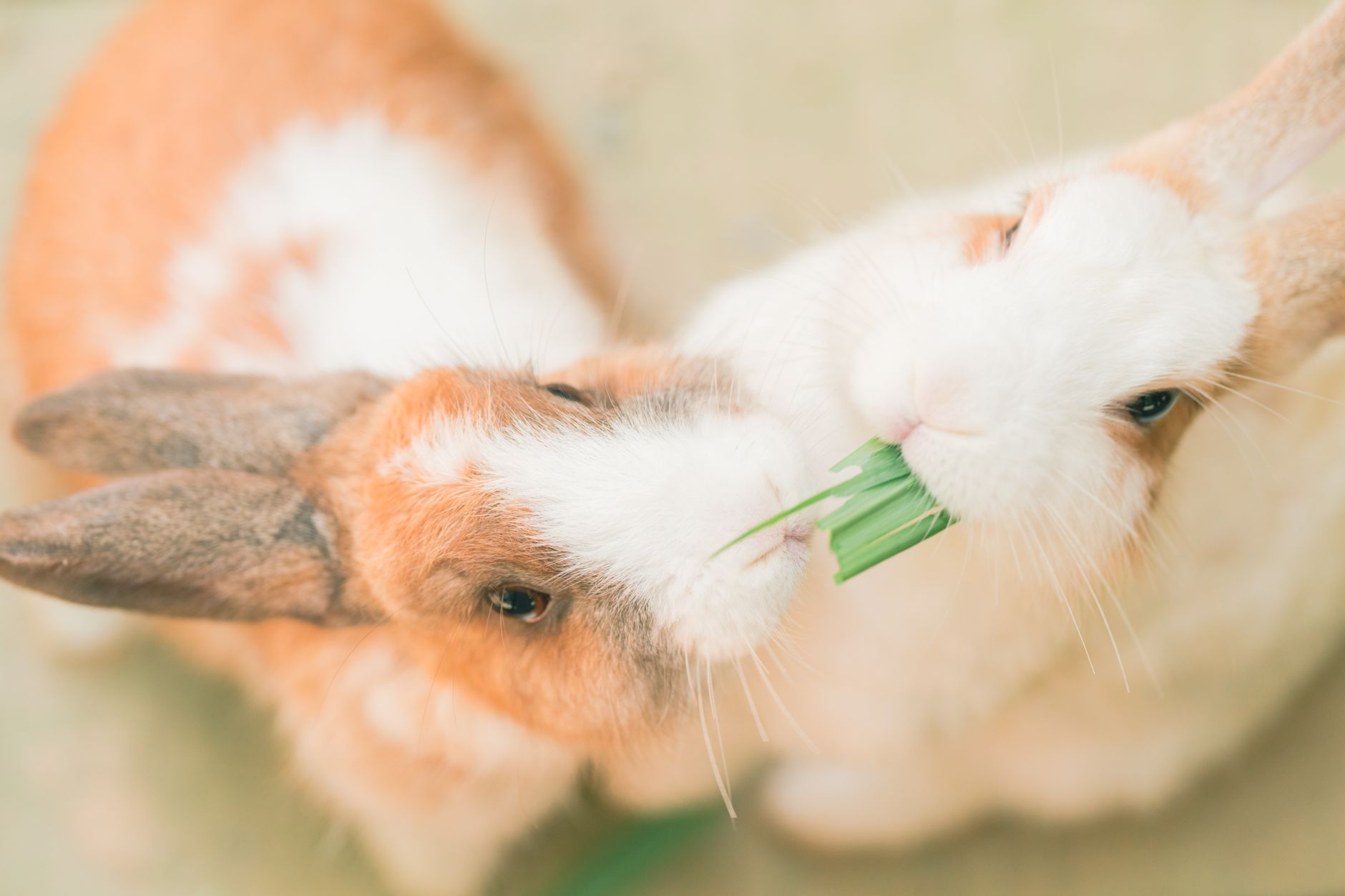
Introduction: The Social Nature of Rabbits
Rabbits are often perceived as independent creatures, happy to hop around on their own. However, this couldn’t be further from the truth. In the wild, rabbits live in complex social structures, relying on each other for safety, comfort, and companionship. Understanding the inherent social needs of these lagomorphs is crucial for providing them with the proper care and ensuring their physical and mental well-being. Do rabbits get lonely without another rabbit? The answer is a resounding yes, for the majority of rabbits.
Why Companionship Matters: The Benefits of a Bonded Pair
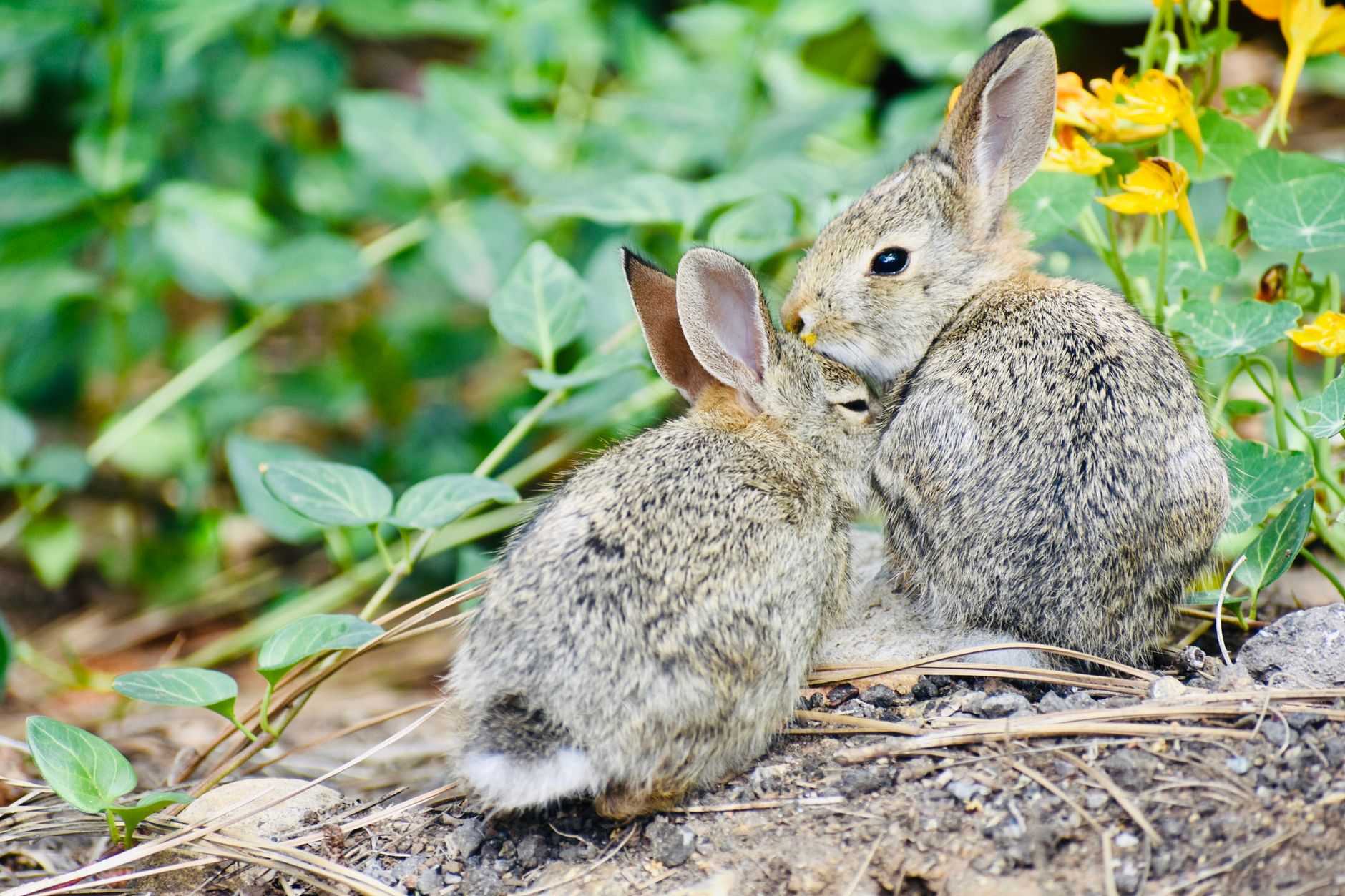
Providing a rabbit with a companion rabbit can dramatically improve its quality of life. The benefits of a bonded pair are numerous, extending beyond simple companionship:
- Reduced Stress and Anxiety: Rabbits are prey animals, and having a friend offers a sense of security. They can groom each other, alert each other to danger, and simply provide comfort through their presence.
- Increased Activity and Exercise: Bonded rabbits are more likely to engage in natural behaviors like playing, chasing, and exploring, which promotes physical health and prevents obesity.
- Improved Mental Stimulation: Interaction with another rabbit provides mental stimulation, preventing boredom and reducing the likelihood of destructive behaviors like chewing or digging.
- Enhanced Emotional Well-being: Companionship combats loneliness and isolation, leading to a happier, more well-adjusted rabbit. A happy rabbit is a healthy rabbit.
The Dangers of Isolation: Behavioral and Health Consequences
The absence of a companion can have serious consequences for a rabbit’s well-being. Some common signs of a lonely or stressed rabbit include:
- Destructive Behaviors: Chewing furniture, digging at carpets, or excessive grooming.
- Aggression: Biting, scratching, or lunging, often directed at their human caregivers.
- Lethargy and Depression: A lack of interest in activities, decreased appetite, and a general sense of apathy.
- Self-Mutilation: Excessive grooming to the point of hair loss or skin irritation.
- Changes in Eating Habits: Either overeating or loss of appetite.
These behavioral changes can be indicative of deep distress. Ignoring these signs can lead to chronic stress, which weakens the immune system and makes the rabbit more susceptible to illness.
Finding the Right Companion: The Bonding Process
Bonding rabbits can be a delicate process, requiring patience and understanding. It’s crucial to introduce rabbits gradually and in a neutral territory to minimize the risk of aggression. Here’s a general outline of the bonding process:
- Quarantine: Keep the new rabbit separate from your existing rabbit for a few weeks to ensure it is healthy and free of disease.
- Scent Exchange: Swap bedding or toys between the rabbits’ enclosures so they can get used to each other’s scent.
- Supervised Visits: Allow short, supervised visits in a neutral space, like a pen set up in a room neither rabbit frequents.
- Gradual Increase in Time: Gradually increase the duration of these visits, monitoring their behavior closely.
- Cohabitation: Once the rabbits are consistently displaying positive behaviors (grooming, lying near each other), they can be allowed to live together full-time.
It’s essential to supervise interactions closely and separate the rabbits immediately if aggression occurs. Some rabbits bond quickly, while others may require weeks or even months.
What if I Can’t Get Another Rabbit?
While another rabbit is generally the ideal companion, there are situations where this may not be possible. If you cannot provide a rabbit companion, it’s crucial to dedicate significant time and attention to your rabbit. Enriching their environment and engaging in regular interaction can help mitigate the negative effects of isolation.
Here are some strategies to consider:
- Spend Quality Time: Dedicate several hours each day to interacting with your rabbit through petting, grooming, playing, and talking.
- Provide Enrichment: Offer a variety of toys, tunnels, and hideaways to keep your rabbit mentally stimulated.
- Rabbit-Proof Your Home: Allow your rabbit to explore a safe, rabbit-proofed area outside of its cage to provide exercise and enrichment.
- Consider a “Bunny Date”: If you know someone else with a rabbit, consider arranging occasional “bunny dates” in a neutral territory.
Debunking the Myths: Common Misconceptions About Rabbit Companionship
There are several common misconceptions about rabbit companionship that need to be addressed:
- Myth: Rabbits are happy on their own.
- Reality: As discussed, most rabbits thrive with companionship.
- Myth: Any two rabbits will get along.
- Reality: Bonding requires careful management and may not always be successful.
- Myth: You can replace a rabbit companion with a human companion.
- Reality: While human interaction is important, it cannot fully replace the specific benefits of rabbit-to-rabbit companionship.
| Myth | Reality |
|---|---|
| Rabbits are happy on their own | Most rabbits thrive with companionship. |
| Any two rabbits will get along | Bonding requires careful management and may not always be successful. |
| A human can replace a rabbit companion | Human interaction is beneficial but cannot fully replace rabbit-to-rabbit bonding. |

Frequently Asked Questions About Rabbit Companionship
Why do rabbits need companions?
Rabbits are naturally social animals who live in groups in the wild. This social structure provides them with a sense of security, reduces stress, and allows them to engage in natural behaviors such as grooming, playing, and exploring together. Do rabbits get lonely without another rabbit? For the same reasons a human might get lonely, yes, they do.
What are the signs that my rabbit is lonely?
Signs of loneliness in rabbits can include destructive behaviors, lethargy, aggression, changes in appetite, and excessive grooming. These behaviors indicate that the rabbit is not getting enough mental and social stimulation.
What’s the best way to introduce two rabbits?
The best way to introduce two rabbits is through a gradual bonding process in a neutral territory. Start with short, supervised visits and gradually increase the time they spend together. Monitor their behavior closely and separate them immediately if aggression occurs.
What if my rabbits are fighting?
Fighting between rabbits is a serious issue that needs to be addressed immediately. Separate the rabbits and re-evaluate the bonding process. Consult with a rabbit-savvy veterinarian or behaviorist for guidance. Sterilization/neutering can help reduce hormonally driven aggression.
Can I bond rabbits of different ages and breeds?
Yes, you can bond rabbits of different ages and breeds, but it’s essential to consider their individual personalities and temperaments. Compatibility is more important than age or breed.
Is it better to bond male-female, female-female, or male-male pairs?
The most successful pairings are typically a neutered male and a spayed female. Same-sex pairs can work, but they require careful management and may be more prone to aggression, even after neutering.
How long does it take to bond rabbits?
The time it takes to bond rabbits can vary significantly, ranging from a few days to several months. Patience and consistency are key to a successful bonding process.
Can I bond a rabbit to a different type of animal, like a cat or dog?
While some rabbits may tolerate the presence of other animals, it is generally not recommended to attempt to bond them. Rabbits have specific social needs that can only be met by another rabbit. Additionally, cats and dogs are predators and can pose a threat to rabbits, even if they appear friendly.
What if my rabbit doesn’t like other rabbits?
In rare cases, a rabbit may genuinely prefer to be alone. If you’ve tried bonding multiple rabbits with no success, it’s possible that your rabbit is one of the exceptions. In this situation, focus on providing plenty of human interaction and environmental enrichment.
How can I enrich my rabbit’s environment if it lives alone?
Enrichment for solitary rabbits can include providing a variety of toys, tunnels, and hideaways; offering opportunities for foraging and exploration; and engaging in regular interaction through petting, grooming, and playing.
Should I get my rabbit neutered or spayed before bonding?
Yes, getting your rabbit neutered or spayed before bonding is highly recommended. This helps to reduce hormonal aggression and increase the likelihood of a successful bond.
What if my bonded rabbit dies?
The loss of a companion can be devastating for a bonded rabbit. Monitor your remaining rabbit closely for signs of grief, such as loss of appetite, lethargy, and changes in behavior. Consider getting another companion rabbit once your rabbit has had time to grieve, but be prepared to go through the bonding process again.