

Do Plastic Bottles Leach Into Water? The Definitive Guide
Yes, plastic bottles can leach chemicals into water, especially under certain conditions such as prolonged storage, high temperatures, or repeated use. This leaching raises concerns about the potential health effects of consuming water stored in these bottles.
Understanding Plastic Bottle Composition
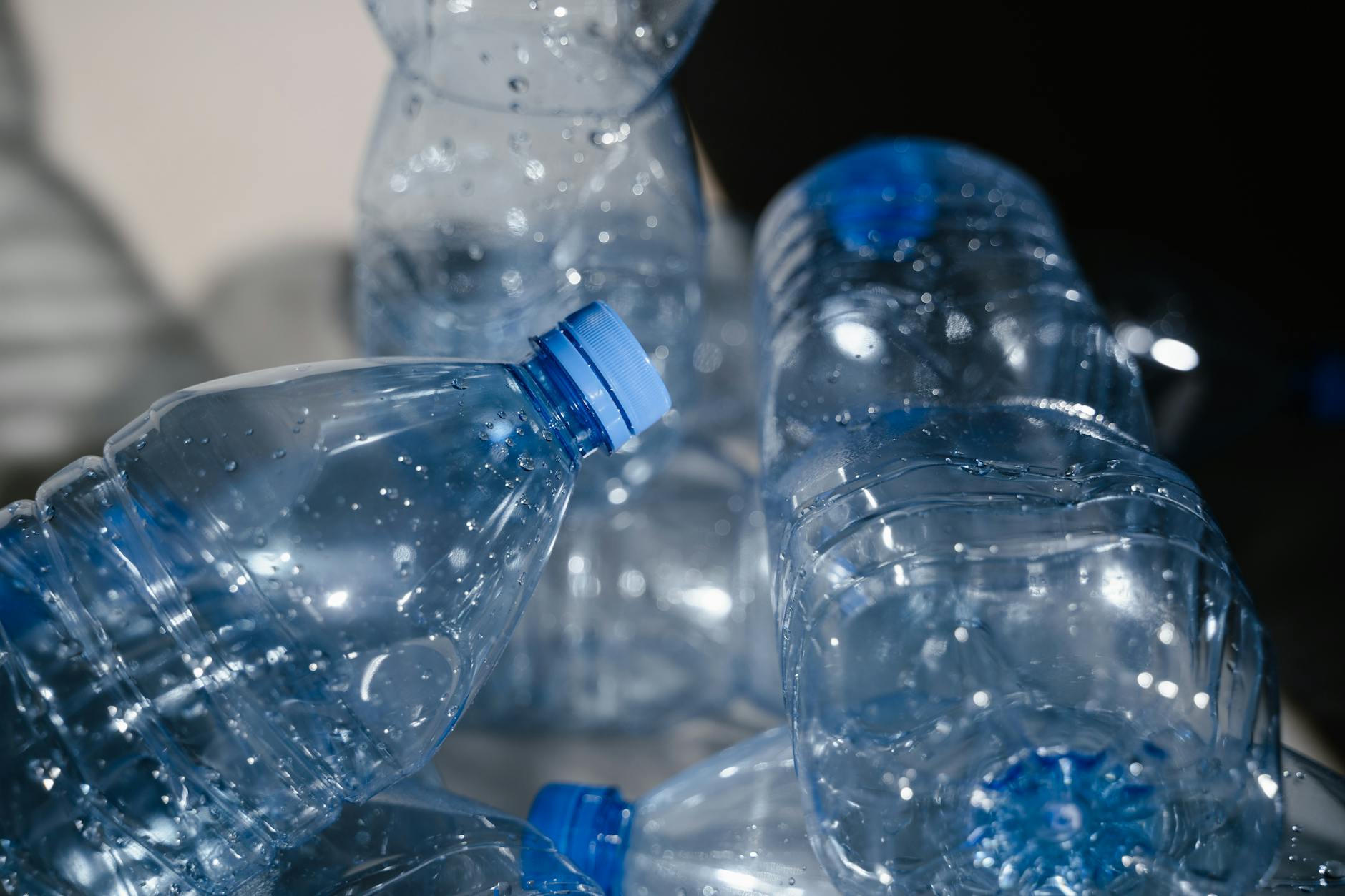
Plastic bottles are ubiquitous in modern life, used for everything from water and soda to juice and other beverages. To understand the potential for leaching, it’s crucial to know what these bottles are made of. The most common type of plastic used in disposable water bottles is polyethylene terephthalate (PET or PETE). Other plastics, such as high-density polyethylene (HDPE) and polycarbonate, are used for reusable water bottles. Each type of plastic has its own chemical properties and potential leaching risks.
The Leaching Process Explained
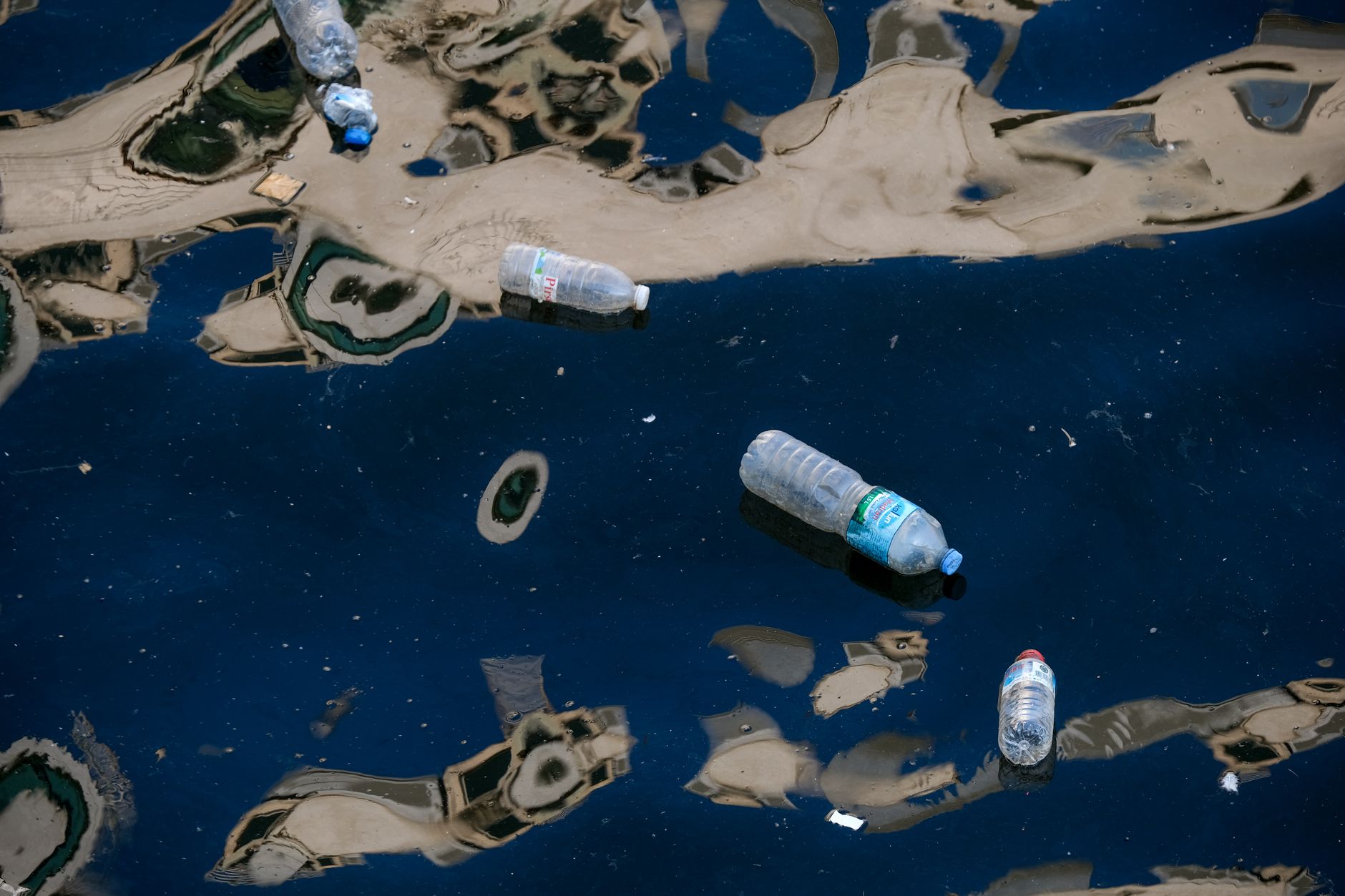
The term “leaching” refers to the migration of chemicals from the plastic material into the water it contains. This process can occur when the bonds holding the plastic polymers together break down. Several factors influence the rate and extent of leaching:
- Temperature: Higher temperatures accelerate the breakdown of plastic polymers. Leaving a water bottle in a hot car significantly increases the risk of leaching.
- Exposure to Sunlight: Ultraviolet (UV) radiation from sunlight can degrade plastic and increase leaching.
- pH Levels: The acidity or alkalinity of the water can also affect leaching. Acidic or alkaline solutions can be more aggressive at breaking down plastic.
- Duration of Storage: The longer water remains in a plastic bottle, the greater the opportunity for chemicals to leach.
- Repeated Use: Reusing disposable plastic bottles can cause microscopic cracks, providing more surface area for leaching.
Potential Chemicals that Leach
Several chemicals have been identified as potential leachates from plastic bottles. These include:
- Antimony: A metal used as a catalyst in PET production.
- Bisphenol A (BPA): Though less common in water bottles now, it’s still found in some plastics and linings. BPA is an endocrine disruptor.
- Phthalates: Plasticizers that can make plastic more flexible, although generally not used in PET bottles.
- Microplastics: Tiny plastic particles that break off from the bottle.
Factors Influencing Leaching Rates
As previously noted, various environmental conditions can affect the rate at which chemicals are released from plastic bottles. Here’s a more detailed breakdown:
- Type of Plastic: Different plastics have different chemical structures and stability. For example, PET is generally considered safer for single use, while polycarbonate bottles containing BPA raise more concerns.
- Manufacturing Process: The quality of the plastic and the manufacturing process can impact the likelihood of leaching. Higher quality plastics are less likely to leach.
- Exposure History: Prior exposure to heat, sunlight, or other chemicals can weaken the plastic and increase leaching.
Health Concerns Associated with Leaching
The potential health effects of consuming water contaminated with leached chemicals are a subject of ongoing research. Some of the concerns include:
- Endocrine Disruption: Chemicals like BPA can interfere with the body’s hormonal system, potentially leading to developmental, reproductive, and neurological problems.
- Carcinogenic Effects: Some chemicals found in plastics are suspected carcinogens, meaning they may increase the risk of cancer.
- General Toxicity: Exposure to certain chemicals can cause general toxicity, leading to a range of health problems.
- Microplastic Accumulation: The long-term effects of ingesting microplastics are still being studied, but there are concerns about their potential to accumulate in the body and cause inflammation or other health issues.
How to Minimize Leaching
While it’s impossible to eliminate the risk of leaching entirely, several steps can be taken to minimize it:
- Choose BPA-Free Bottles: Opt for water bottles made from BPA-free materials such as stainless steel, glass, or Tritan.
- Avoid Reusing Disposable Bottles: Disposable plastic bottles are designed for single use and are more likely to leach chemicals with repeated use.
- Store Bottles Properly: Keep water bottles out of direct sunlight and away from heat sources.
- Wash Bottles Regularly: If using reusable bottles, wash them regularly with soap and water to remove any contaminants.
- Consider Filtration: Using a water filter can remove some chemicals that may have leached into the water.
Alternatives to Plastic Bottles
Considering alternatives to plastic bottles can significantly reduce your exposure to potentially harmful chemicals. Some popular options include:
- Stainless Steel Bottles: Durable, reusable, and won’t leach chemicals.
- Glass Bottles: Inert and recyclable, but more fragile than other options.
- Tritan Bottles: A BPA-free plastic that is durable and dishwasher safe.
- Filtered Water Pitchers: Provide a convenient way to filter tap water and reduce the need for bottled water.
Table: Comparison of Water Bottle Materials
| Material | Advantages | Disadvantages | Leaching Risk |
|---|---|---|---|
| PET (Disposable) | Lightweight, inexpensive | Designed for single-use, less durable | Moderate |
| HDPE | Durable, recyclable | Can absorb odors and flavors | Low |
| Stainless Steel | Durable, reusable, won’t leach | Can be expensive, can dent | None |
| Glass | Inert, recyclable | Fragile, heavier | None |
| Tritan | BPA-free, durable, dishwasher safe | Not as durable as stainless steel | Very Low |
Bullet Points: Simple Steps for Safer Water Consumption
- Choose reusable bottles made of safe materials.
- Avoid leaving plastic bottles in hot environments.
- Regularly clean reusable bottles thoroughly.
- Consider using filtered water when possible.
- Be mindful of the type of plastic your bottle is made from.
Conclusion: Balancing Risk and Convenience
Do plastic bottles leach into water? The answer is a qualified yes. While the levels of chemicals that leach are often within regulatory limits, the potential health risks associated with long-term exposure should not be ignored. By making informed choices about the type of water bottle you use and taking steps to minimize leaching, you can reduce your exposure to potentially harmful chemicals and enjoy your water with greater peace of mind. Choosing sustainable options benefits both your health and the environment.
FAQs: Addressing Your Concerns About Plastic Bottle Leaching
Can freezing a plastic water bottle increase leaching?
Freezing water in plastic bottles can actually make the plastic more brittle. While freezing might not directly increase leaching, the weakened plastic is more prone to cracking and subsequently leaching more chemicals if it’s then used and exposed to warmer temperatures.
Are all plastic water bottles equally likely to leach?
No, different types of plastic have different chemical compositions and stabilities. PET bottles are common for single-use water, while polycarbonate (containing BPA) were previously more prevalent for reusable bottles. Now, more BPA-free options are available.
How long does it take for plastic bottles to start leaching chemicals into the water?
The leaching process can begin relatively quickly, especially under certain conditions like high temperatures. Significant leaching can occur within a few hours or days, depending on the type of plastic, temperature, and pH of the water.
Does the color of a plastic bottle affect its leaching potential?
The color of the plastic itself doesn’t directly affect the leaching potential. However, colored plastics may contain additives that could leach, so it’s essential to ensure the bottle is made from safe, BPA-free materials regardless of color.
Can washing a plastic bottle with hot water increase leaching?
Washing plastic bottles with hot water can accelerate the breakdown of the plastic and increase the likelihood of leaching chemicals. It’s best to wash them with lukewarm or cold water and a mild soap.
Are reusable plastic bottles safer than disposable ones in terms of leaching?
The safety of reusable plastic bottles depends on the type of plastic. Reusable bottles made from BPA-free materials like Tritan or stainless steel are generally safer than reusing disposable PET bottles, which are not designed for repeated use.
What are the most common chemicals that leach from plastic bottles?
The most common chemicals that leach from plastic bottles include antimony (from PET), BPA (from polycarbonate), and phthalates (although less common in water bottles). Microplastics are also a growing concern.
Does the type of water (tap, distilled, spring) affect leaching rates?
The pH level and mineral content of the water can influence leaching. Acidic or alkaline water might be more aggressive at breaking down the plastic, potentially increasing leaching rates compared to neutral water.
How can I tell if my plastic bottle is leaching?
Signs of leaching aren’t always obvious. You might notice a change in the taste or odor of the water, or the bottle might appear cloudy or discolored. If you suspect leaching, discontinue using the bottle.
What are the long-term health effects of drinking water from plastic bottles?
The long-term health effects of drinking water from plastic bottles are still being studied. Concerns include endocrine disruption, potential carcinogenic effects, and the accumulation of microplastics in the body.
Are there regulations in place to limit the amount of chemicals that can leach from plastic bottles?
Yes, regulatory bodies such as the FDA set limits on the amount of chemicals that can leach from plastic bottles into food and beverages. These limits are designed to protect public health.
Is it safer to store water in glass bottles instead of plastic bottles?
Glass bottles are generally safer for storing water than plastic bottles because glass is an inert material and does not leach chemicals. They are a good alternative for minimizing potential exposure to harmful substances.