

Do Mice Hate the Smell of Irish Spring Bar Soap? Unveiling the Truth
While anecdotal evidence suggests it might, scientific consensus indicates that mice don’t inherently hate the smell of Irish Spring bar soap. Whether it acts as an effective deterrent is more complex and related to other factors than just the scent alone.

The Popular Belief: Irish Spring as a Rodent Repellent
The idea that mice hate the smell of Irish Spring bar soap is a widespread, homespun remedy. Many people swear by it, placing bars of the soap in closets, basements, and even cars to keep rodents away. The reasoning behind this belief is that the strong, pungent fragrance of the soap is unpleasant to mice, causing them to avoid areas where it’s present. But is there any truth to this claim?
Understanding Mouse Senses and Behavior
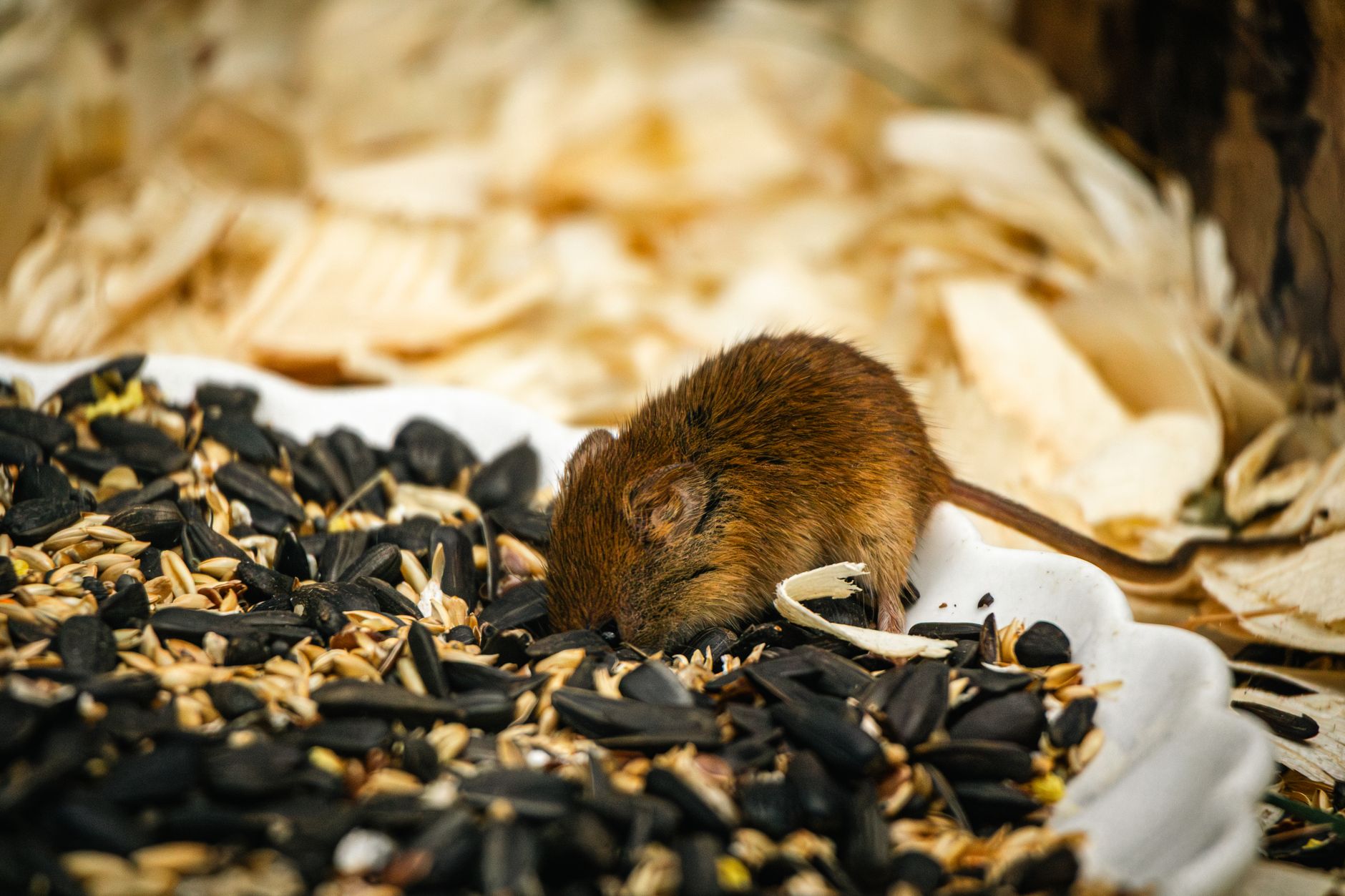
To understand if mice hate the smell of Irish Spring bar soap, we need to consider their sensory world. Mice have a highly developed sense of smell, far more sensitive than humans. They rely on their sense of smell for:
- Finding food sources
- Identifying other mice
- Detecting predators
- Navigating their environment
This heightened sensitivity means they are acutely aware of their surroundings and the scents present. Therefore, strong odors can potentially deter them.
The Ingredients and Their Possible Effects
Irish Spring soap contains several ingredients that contribute to its distinctive scent. These include:
- Fragrance compounds (a complex blend, often proprietary)
- Limonene (a citrus scent)
- Various other aromatic chemicals
While some of these compounds may be irritating or unpleasant to mice in high concentrations, there is no definitive scientific evidence proving that the specific combination in Irish Spring soap consistently repels them.
The Lack of Scientific Evidence
Despite the popularity of this method, few, if any, rigorous scientific studies have examined the efficacy of Irish Spring soap as a rodent repellent. Most evidence is anecdotal – based on personal experiences, which can be unreliable due to other uncontrolled variables.
Practical Application: How People Use It
Despite the lack of proof, people continue to use Irish Spring as a repellent. The typical methods include:
- Placing whole bars of soap in infested areas.
- Grating the soap and scattering it around.
- Placing soap shavings in small bags or containers.
While these methods are low-cost and relatively harmless, relying solely on Irish Spring soap for rodent control is generally not recommended.
Alternative Rodent Control Methods
Effective rodent control involves a multi-pronged approach, including:
- Eliminating food sources: Store food in airtight containers, clean up spills immediately, and keep garbage cans tightly sealed.
- Sealing entry points: Caulk cracks and crevices in walls and foundations, and cover holes with wire mesh.
- Trapping: Use snap traps or humane traps to capture and remove mice.
- Professional pest control: Consult with a qualified pest control company for more severe infestations.
The Placebo Effect and Confirmation Bias
It’s important to acknowledge the potential for the placebo effect. If people believe Irish Spring soap is working, they may be more observant and proactive in other ways, such as cleaning up food crumbs or sealing entry points. Also, confirmation bias could be at play; they may only notice instances where mice are absent after introducing the soap, and ignore instances where mice are still present.
Long-Term Effectiveness: Habituation
Even if Irish Spring soap initially deters mice, they may eventually become habituated to the scent. This means they will get used to the smell and no longer find it unpleasant or threatening. Habituation is a common issue with many scent-based repellents.
Is It Harmful to Pets or Children?
While Irish Spring soap is generally considered safe, it’s essential to keep it out of reach of pets and children. Ingesting large amounts of soap could cause digestive upset.
When Should You Call a Professional?
If you have a persistent or severe mouse infestation, it’s best to contact a professional pest control company. They can identify the source of the problem and implement an effective treatment plan.

Frequently Asked Questions (FAQs)
Is Irish Spring really effective at repelling mice?
The short answer is: probably not as effectively as other methods designed specifically for pest control. While some people report success, scientific evidence is lacking, and habituation is a potential problem. Relying solely on Irish Spring is risky.
What is the best way to use Irish Spring to try to repel mice?
If you decide to try it, place bars of Irish Spring soap in areas where you’ve seen mice activity, such as closets, basements, and pantries. You can also grate the soap and scatter it around, or place shavings in small bags. Remember that this is not a guaranteed solution.
Can Irish Spring attract mice?
It’s unlikely that Irish Spring would attract mice. The strong scent is more likely to deter them, at least initially. However, other factors, such as the presence of food, are far more likely to attract rodents.
Are there any natural alternatives that are more effective than Irish Spring?
Some people have success with other natural repellents, such as peppermint oil, cayenne pepper, or mothballs. However, none of these are foolproof, and professional pest control is often the most effective solution.
Why do people think Irish Spring works?
The belief in Irish Spring as a repellent likely stems from anecdotal evidence and the assumption that its strong scent is unpleasant to mice. However, correlation doesn’t equal causation, and there may be other factors at play.
Does the type of Irish Spring matter?
There’s no evidence to suggest that one type of Irish Spring is more effective than another. The original scent is the most commonly used.
How long does the scent last?
The scent of Irish Spring will gradually fade over time, especially if the soap is exposed to air and moisture. Replace the soap regularly to maintain its potential repellent effect, although effectiveness is not guaranteed.
What other smells do mice dislike?
In addition to the ingredients in Irish Spring that may or may not be effective, mice are often reported to dislike the scent of peppermint oil, ammonia, and strong spices like cayenne pepper. Again, effectiveness varies.
Is Irish Spring safe to use around pets?
While generally considered safe, it’s best to keep Irish Spring out of reach of pets. Ingesting large amounts could cause digestive upset.
Can I use Irish Spring outdoors to keep mice away?
Using Irish Spring outdoors is less likely to be effective because the scent will dissipate quickly. Rain and wind can also wash away the soap.
What should I do if Irish Spring doesn’t work?
If Irish Spring doesn’t deter mice, focus on more effective methods, such as eliminating food sources, sealing entry points, and setting traps. Consider contacting a pest control professional for persistent problems.
Is using Irish Spring soap an environmentally friendly way to deter mice?
Using Irish Spring is generally considered an environmentally friendly alternative compared to some chemical-based pesticides. However, the overall effectiveness might be limited, prompting a need for harsher methods ultimately. Therefore, eco-friendliness alone shouldn’t be the deciding factor.