

Do House Cats Sleep More in Summer? Unveiling the Feline Siesta Secrets
Do house cats sleep more in summer? Yes, while already champion sleepers, house cats often exhibit increased sleep duration during the summer months, influenced by a complex interplay of factors like daylight hours, temperature, and activity levels.
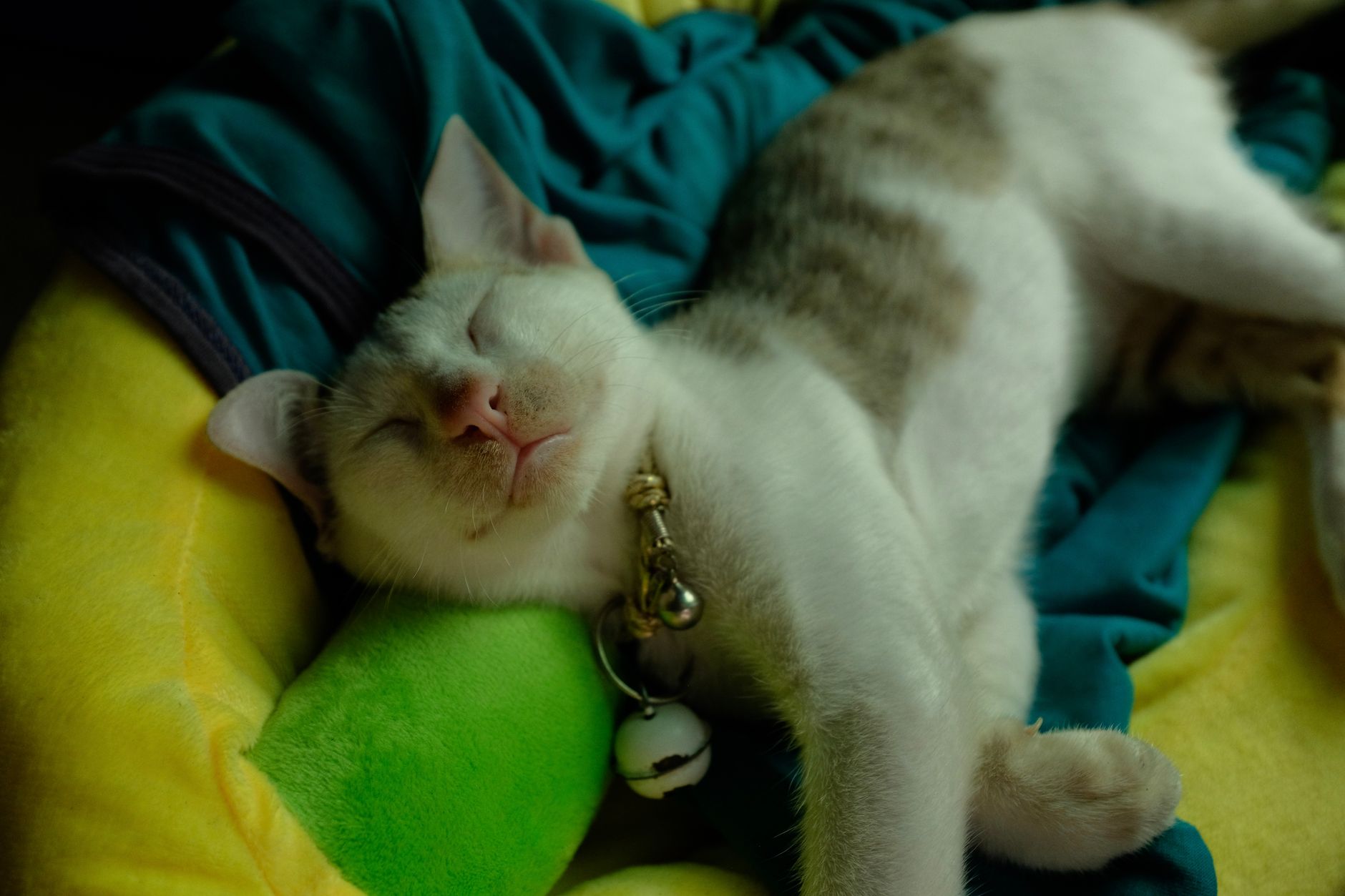
Understanding Feline Sleep Patterns
House cats are renowned for their impressive sleep habits, typically averaging between 12 and 16 hours of slumber per day. This is a natural adaptation stemming from their predatory ancestry, where conserving energy was crucial for short bursts of intense hunting activity. Understanding their baseline sleep behavior is essential before examining potential seasonal variations.
The Summer Sleep Surge: Why the Extra Naps?

Several factors contribute to the observed increase in sleep duration in house cats during the summer. While the core biological imperative to conserve energy remains, the summer environment presents unique challenges and opportunities that influence feline behavior.
- Increased Daylight Hours: The longer days of summer mean extended periods of light exposure. While cats don’t necessarily sleep because it’s bright, the shift in their natural circadian rhythm can influence the timing and duration of their rest periods. Melatonin production, a hormone that promotes sleep, is suppressed by light.
- Temperature Fluctuations: Cats, like humans, prefer a comfortable ambient temperature. Extreme heat can make them lethargic and less inclined to engage in physical activity. Finding a cool spot to rest becomes a priority.
- Decreased Hunting Motivation: For outdoor cats (or indoor/outdoor cats), the abundance of prey in the summer can paradoxically reduce the need for constant hunting. A full belly equals more sleep.
- Owner Behavior: Human activities also shift during summer. Increased travel, altered work schedules, or simply spending more time outdoors can lead to cats having fewer interactive opportunities and thus opting for longer naps.
The Role of Circadian Rhythm
A cat’s circadian rhythm, the internal biological clock, is a crucial element in regulating sleep-wake cycles. This rhythm is influenced by external cues, primarily light and temperature. Seasonal changes profoundly affect these cues, impacting the cat’s sleep patterns. Shorter, darker winter days encourage increased melatonin production and potentially more sleep. Conversely, longer, brighter summer days may disrupt the rhythm, leading to fragmented sleep patterns punctuated by longer periods of rest.
Potential Health Considerations
While increased sleep in the summer is generally normal, it’s crucial to monitor your cat for any signs of underlying health issues. Excessive lethargy coupled with other symptoms such as loss of appetite, vomiting, diarrhea, or changes in litter box habits warrants a veterinary visit.
Creating a Comfortable Summer Environment for Your Cat
You can help your cat manage the summer heat and maintain a healthy sleep schedule by providing a comfortable environment.
- Provide Cool Resting Spots: Ensure access to shaded areas or cool surfaces like tile floors or cooling mats.
- Offer Plenty of Water: Hydration is essential, especially in hot weather.
- Maintain Regular Feeding Schedule: Consistency in feeding times helps regulate their internal clock.
- Engage in Play During Cooler Hours: Offer interactive play sessions in the early morning or late evening to maintain activity levels.
- Consider a Cat Tree: A cat tree placed near a window allows for safe viewing and potentially sunlight during the day.
| Factor | Summer Impact | Winter Impact |
|---|---|---|
| Daylight Hours | Longer, suppresses melatonin | Shorter, promotes melatonin |
| Temperature | Higher, can lead to lethargy | Lower, may increase activity seeking warmth |
| Prey Abundance | Higher, potentially less hunting needed | Lower, may increase hunting need |
| Owner Activity | Potentially less interactive time | Potentially more interactive time |
Frequently Asked Questions (FAQs)

Is it normal for my cat to sleep more during the summer?
Yes, it is generally normal for house cats to exhibit increased sleep duration during the summer months. This is often attributed to the combination of longer daylight hours, higher temperatures, and alterations in activity levels. However, it is always wise to monitor them for other symptoms.
How much sleep is too much for a cat?
While 12-16 hours is the average for an adult cat, significantly more than that (e.g., consistently over 18-20 hours) warrants a veterinary consultation. Significant deviations from your cat’s normal sleep pattern, especially when accompanied by other symptoms, are cause for concern.
Do kittens sleep more in the summer than adult cats?
Kittens naturally sleep more than adult cats, regardless of the season. They require more rest for growth and development. During the summer, the increase in temperature can amplify this tendency, leading to even longer periods of slumber.
Does breed affect how much a cat sleeps in the summer?
While some breeds may be predisposed to certain activity levels, the impact of summer on sleep is generally consistent across breeds. Individual personality and environmental factors play a more significant role than breed alone.
Should I be concerned if my cat is less active in the summer?
A slight decrease in activity during the hottest parts of the day is normal. Cats naturally conserve energy when it’s hot. However, if the reduced activity is extreme and accompanied by other symptoms, it’s important to consult with your veterinarian.
How can I help my cat stay cool and comfortable during the summer heat?
Provide access to cool resting spots, such as tile floors or cooling mats. Ensure a constant supply of fresh, cool water. Avoid strenuous playtime during the hottest hours. Consider using a fan or air conditioner to maintain a comfortable indoor temperature. These steps help regulate their body temperature.
Does my cat’s diet affect how much they sleep in the summer?
A balanced diet is always important for your cat’s overall health and well-being. Ensuring your cat is properly hydrated and has enough of the correct nutrients is crucial to helping them remain energetic.
Are older cats more prone to sleeping more in the summer?
Older cats tend to sleep more regardless of the season due to age-related factors like decreased energy levels and potential joint pain. The summer heat can exacerbate these issues, leading to even longer periods of rest.
Can seasonal allergies affect my cat’s sleep?
Yes, seasonal allergies can disrupt a cat’s sleep. Allergies can cause discomfort, itching, and respiratory issues, making it difficult for them to settle down and sleep soundly. Consult with your veterinarian about allergy management options.
Is it possible my cat is bored and sleeping more in the summer?
Boredom can certainly contribute to increased sleep in house cats. Providing adequate enrichment, such as toys, scratching posts, and interactive play sessions, can help stimulate their minds and bodies, reducing the likelihood of excessive napping.
Do indoor-only cats behave differently in the summer?
Indoor-only cats are less directly affected by temperature fluctuations than outdoor cats but still sensitive to changes in daylight hours and the overall indoor environment. These cats can feel the shift in energy, even without experiencing the outside directly.
How can I tell if my cat’s increased sleep is a sign of a problem?
Look for accompanying symptoms such as loss of appetite, changes in litter box habits, vomiting, diarrhea, lethargy, or changes in behavior. If you notice any of these signs along with increased sleep, consult with your veterinarian. Early detection is key.