

Do Hermit Crabs Eat Daily? Unveiling the Feeding Habits of These Fascinating Creatures
Do hermit crabs eat daily? Yes, most hermit crabs can and often do eat daily, but their actual feeding schedule depends on various factors like age, species, activity level, and environmental conditions.

Understanding Hermit Crab Feeding Habits
Hermit crabs are fascinating creatures known for their scavenging behavior. Understanding their dietary needs and feeding habits is crucial for responsible pet ownership and appreciation of their role in natural ecosystems. While it’s commonly asked, “Do hermit crabs eat daily?,” the answer is nuanced and depends on several factors.
The Omnivorous Diet of Hermit Crabs
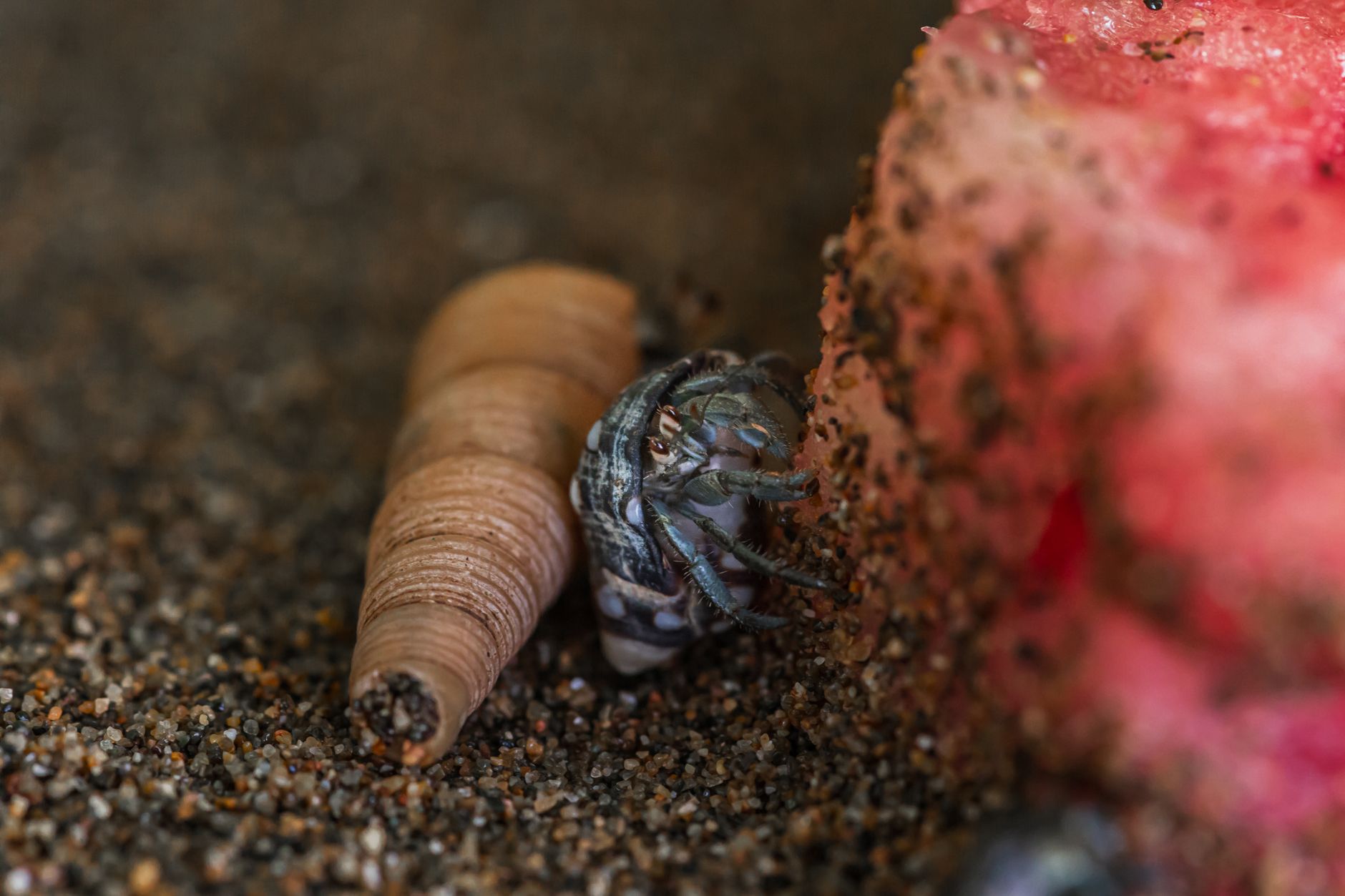
Hermit crabs are omnivores, meaning they consume both plant and animal matter. This broad dietary requirement ensures they can survive in diverse environments. Their natural diet includes:
- Fruits
- Vegetables
- Nuts
- Seeds
- Dead insects
- Decaying wood
- Carrion (dead animals)
- Algae
- Seafood remains
In captivity, it’s important to provide a varied diet to meet their nutritional needs. Commercial hermit crab food is available but should be supplemented with fresh or dried fruits, vegetables, and protein sources.
Factors Influencing Feeding Frequency
Several factors influence how frequently a hermit crab needs to eat.
- Age: Younger hermit crabs, still undergoing rapid growth, may need to eat more frequently than older, mature crabs.
- Species: Different hermit crab species have slightly different metabolic rates and dietary preferences, impacting their feeding frequency. Some species are more active and require more energy.
- Activity Level: Active hermit crabs that explore their environment, climb, and dig will burn more calories and require more frequent feeding than those that are less active.
- Environmental Conditions: Temperature and humidity levels in their habitat affect their metabolism. Higher temperatures can increase activity and therefore food consumption.
- Molting: Before and during molting (shedding their exoskeleton), hermit crabs may eat significantly more to store energy. They may also bury themselves and not eat for extended periods after molting while their new exoskeleton hardens.
Creating a Balanced Diet for Your Hermit Crab
Providing a balanced diet is essential for the health and longevity of your hermit crabs. Consider these tips:
- Variety is key: Offer a wide range of foods from different food groups.
- Calcium source: Provide a constant source of calcium, such as crushed cuttlebone or oyster shells, for shell hardening.
- Avoid harmful foods: Avoid feeding your hermit crabs foods that are toxic, such as avocado, chocolate, and processed foods containing preservatives.
- Fresh water: Always provide access to both fresh and saltwater for drinking and bathing. Use dechlorinated water.
Recognizing Signs of Underfeeding or Overfeeding
Observing your hermit crabs’ behavior can help you determine if they are being fed appropriately.
- Signs of underfeeding:
- Lethargy
- Lack of activity
- Eating substrate or other non-food items
- Reluctance to molt
- Signs of overfeeding:
- Excessive food rotting in the enclosure
- Unusually large droppings
- Burrowing constantly (to hide from food)
Adjust their food intake based on these observations. Remember it’s not just about “Do hermit crabs eat daily?” but what and how much they eat.
How to Provide Food for Hermit Crabs
Offering food to hermit crabs is simple. Here’s how:
- Use a shallow dish that is easy for them to access.
- Offer a small amount of food that they can consume within 24 hours.
- Remove any uneaten food daily to prevent mold and bacteria growth.
- Consider offering food in the evening, as they are most active at night.
Comparing Feeding Schedules
Here’s a table to show potential feeding schedules based on hermit crab age:
| Age Group | Feeding Frequency | Portion Size | Considerations |
|---|---|---|---|
| Young Crabs | Daily | Small, frequent meals | Focus on growth and energy needs. Ensure access to calcium. |
| Adult Crabs | Daily or every other day | Moderate | Monitor for signs of overfeeding or underfeeding. |
| Senior Crabs | Every other day or less | Smaller portions | Reduced activity levels. Ensure easy access to food and water. |
Common Mistakes to Avoid When Feeding Hermit Crabs
- Offering only commercial food: Supplement with fresh and natural foods.
- Using tap water: Always use dechlorinated water.
- Ignoring calcium needs: Ensure a constant calcium source.
- Overfeeding: This can lead to food spoilage and bacterial growth.
- Providing toxic foods: Research safe foods before offering anything new.
- Not cleaning the enclosure: Regularly remove uneaten food and waste.

Frequently Asked Questions About Hermit Crab Feeding
What should I do if my hermit crab isn’t eating?
If your hermit crab isn’t eating, first check the environmental conditions. Ensure the temperature and humidity are within the appropriate range. Also, make sure it has access to fresh water and saltwater. If everything seems normal, your crab may be preparing to molt. Molting hermit crabs often bury themselves and stop eating for weeks or even months. Avoid disturbing it during this time. If the lack of appetite persists after a molting period, consult with a veterinarian specializing in exotic animals.
How much food should I give my hermit crab each day?
The amount of food to give your hermit crab daily depends on its size and species. Start with a small amount of food that it can consume within 24 hours. Observe how much is left over and adjust accordingly. It’s better to underfeed than overfeed, as excess food can spoil and create unsanitary conditions in the enclosure.
Can I feed my hermit crabs table scraps?
While some table scraps are safe for hermit crabs, it’s crucial to be cautious. Avoid anything seasoned with salt, spices, or oils. Safe options include unseasoned cooked vegetables or plain cooked chicken. Always research a food item before offering it to your hermit crabs. Avoid avocado, chocolate, and processed foods.
Is commercial hermit crab food sufficient for their diet?
Commercial hermit crab food can provide a base for their diet, but it should not be the only source of nutrition. Supplement with fresh fruits, vegetables, and protein sources to ensure they receive a balanced diet. Think of it as the supplement that makes sure your hermit crabs get all the essential nutrients that they need to thrive.
What are some good sources of calcium for hermit crabs?
Excellent sources of calcium for hermit crabs include cuttlebone, oyster shells, crushed eggshells, and calcium sand. Provide these options in their enclosure at all times. Calcium is essential for shell hardening and overall health.
Can I feed my hermit crabs fruit?
Yes, most fruits are safe and nutritious for hermit crabs. Good options include mangoes, bananas, grapes, and berries. However, avoid citrus fruits, as the acidity can be harmful. Always wash fruits thoroughly before offering them to your hermit crabs.
Should I provide both fresh and saltwater for my hermit crabs?
Yes, it’s essential to provide both fresh and saltwater. They need fresh water for drinking and saltwater for bathing and maintaining their shell water. Use dechlorinated water for both, and ensure the salinity of the saltwater is appropriate (typically around 1.020-1.026 specific gravity).
What happens if I overfeed my hermit crabs?
Overfeeding can lead to food spoilage, which can attract bacteria and pests to the enclosure. It can also lead to obesity in your hermit crabs, which can negatively impact their health. Remove any uneaten food daily to prevent these issues.
Are there any foods that are toxic to hermit crabs?
Yes, several foods are toxic to hermit crabs, including avocado, chocolate, onions, garlic, citrus fruits, processed foods containing preservatives, and anything seasoned with salt, spices, or oils. Always research a food item before offering it to your hermit crabs.
How do I know if my hermit crab is getting enough nutrients?
Signs that your hermit crab is getting enough nutrients include a healthy appetite, regular molting, activity, and vibrant coloration. If you notice signs of underfeeding or malnutrition, such as lethargy or a lack of appetite, adjust their diet accordingly.
How often should I clean my hermit crab’s food and water dishes?
You should clean your hermit crab’s food and water dishes daily to prevent the growth of bacteria and mold. Use soap and water to clean the dishes thoroughly. Rinse well before returning them to the enclosure.
Do hermit crabs only eat at night?
While hermit crabs are most active at night, they can eat at any time of day. Providing food in the evening can encourage them to eat, but ensure they have access to food throughout the day and night. Therefore, while their peak activity is nocturnal, they will often eat when they find suitable food, and the simple answer to “Do hermit crabs eat daily?” will usually be yes, but in some circumstances, there may be periods of less-frequent eating.