
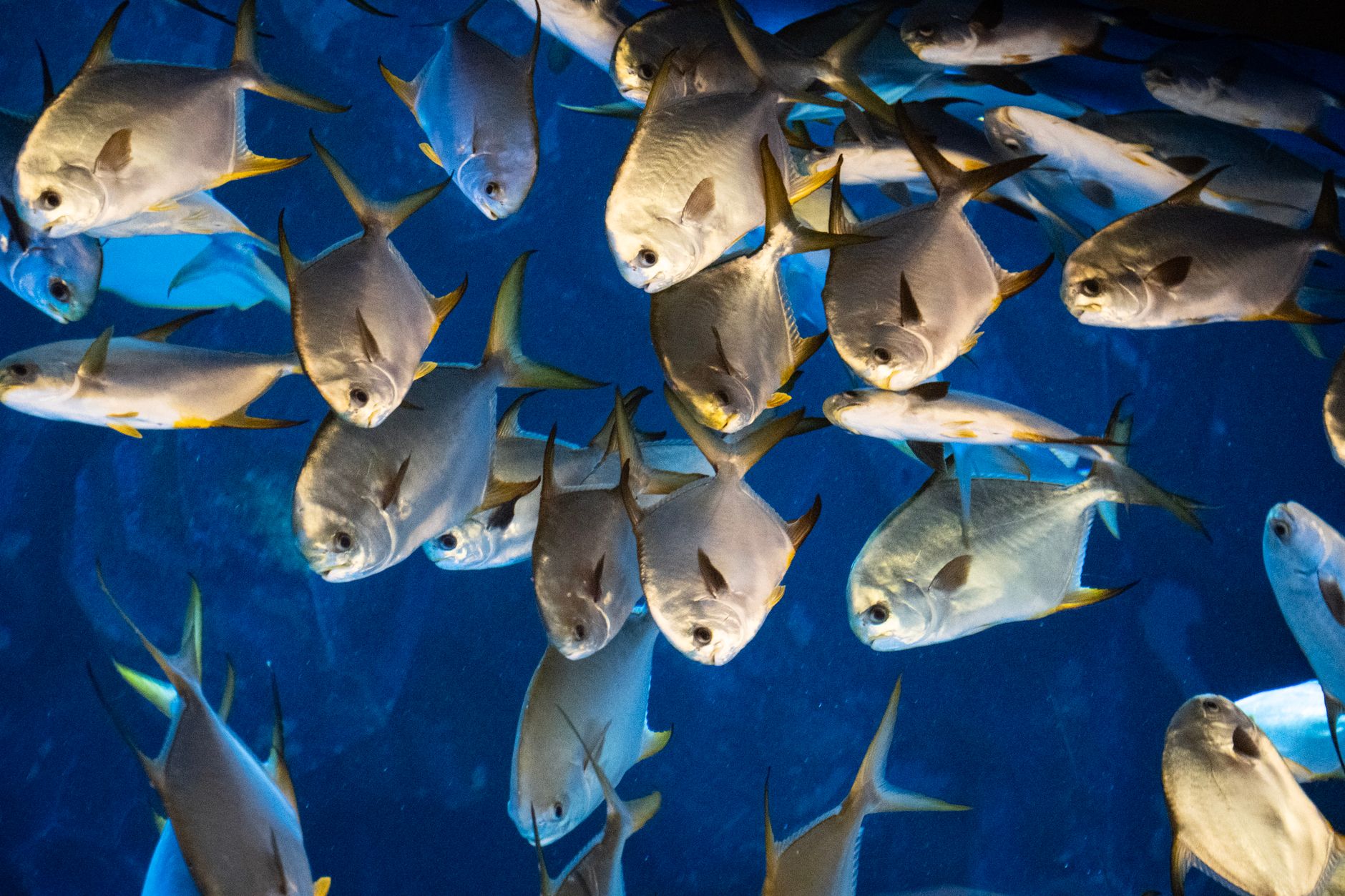
Do Fishes Have Emotions? Unveiling the Sentient Underwater World
Do fishes have emotions? Recent scientific findings strongly suggest the answer is yes. While perhaps different from human emotions, fish possess a complex array of feelings and responses that shape their behavior and well-being.

Introduction: Beyond Scales and Fins
For centuries, fish were often perceived as simple, instinct-driven creatures, devoid of any real emotional life. The prevailing view considered them to be largely unfeeling beings, driven solely by basic survival needs. However, a growing body of scientific evidence is challenging this outdated notion. Researchers are uncovering a surprising level of cognitive and emotional complexity in fish, forcing us to reconsider their place in the animal kingdom and, importantly, our ethical responsibility towards them.
Challenging the “Unfeeling Fish” Myth

The idea of the unfeeling fish stems from several misconceptions. Firstly, the human-centric view often assumes that if an animal’s emotional expressions don’t mirror our own, they don’t exist. Secondly, limited understanding of fish neuroanatomy and behavior hampered early investigations. Technological advancements and innovative research methods are now allowing scientists to delve deeper into the fish brain and behavior, revealing a rich and nuanced emotional landscape.
Evidence of Emotional Capacity in Fish
The emerging evidence for emotional capacity in fish is multi-faceted and compelling:
- Pain Perception: Fishes possess nociceptors (pain receptors) and exhibit behavioral changes indicative of pain, such as reduced feeding, altered swimming patterns, and rubbing the affected area. Brain activity corresponding to pain processing has also been observed.
- Stress Response: Fish exhibit physiological and behavioral responses to stress, including increased cortisol levels, suppressed immune function, and changes in social behavior. This indicates an awareness of and reaction to negative stimuli.
- Social Complexity: Many fish species display intricate social behaviors, including cooperation, communication, and even forming lasting bonds. Some species demonstrate social learning, where they learn by observing others, suggesting a level of empathy or understanding of others’ experiences.
- Cognitive Abilities: Research has demonstrated that fish are capable of learning, problem-solving, and remembering experiences. Some species even exhibit tool use, further highlighting their cognitive sophistication.
- Personality Traits: Studies have found that individual fish exhibit consistent personality traits, such as boldness, shyness, and aggressiveness. This suggests that they possess distinct individual temperaments, which influence their interactions and responses.
Why Does It Matter If Fish Have Emotions?
Recognizing that fish possess emotions carries significant implications for how we treat them. It challenges the ethical justification for intensive aquaculture, recreational fishing practices that cause prolonged suffering, and habitat destruction that negatively impacts fish populations. Treating fish with respect and compassion is not only ethically sound but also contributes to the health and sustainability of aquatic ecosystems. Recognizing fish sentience should inform policy decisions relating to conservation and animal welfare.
The Future of Fish Emotion Research
The field of fish emotion research is rapidly evolving. Future research will likely focus on:
- Developing more sophisticated methods for measuring fish emotions.
- Exploring the neural mechanisms underlying emotional processing in fish.
- Investigating the role of emotions in fish social behavior and ecology.
- Examining the impact of environmental stressors on fish emotional well-being.
| Research Area | Focus |
|---|---|
| Neurobiology | Identifying specific brain regions and neural pathways involved in emotion |
| Behavioral Ecology | Studying how emotions influence fish interactions in natural environments |
| Welfare Science | Developing indicators of fish well-being in captive settings |
| Conservation Biology | Understanding how environmental changes impact fish emotional states |

Frequently Asked Questions (FAQs)
Are fish brains complex enough to support emotions?
While fish brains differ from mammalian brains, they possess homologous structures, such as the amygdala-like area (the pallium), which is involved in processing emotions. The complexity is different, but the basic circuitry is there. Furthermore, research indicates that these brain areas are activated during emotional responses.
Do fish feel pain the same way humans do?
Fish possess nociceptors and exhibit behavioral responses indicative of pain, but it’s difficult to definitively say whether they experience pain in the exact same way as humans. However, the evidence strongly suggests that they do experience aversive sensations and suffer from injuries.
Can fish recognize individual humans?
Yes, some fish species can recognize and distinguish between individual humans. They may learn to associate certain humans with positive or negative experiences, such as feeding or capture. This demonstrates advanced cognitive abilities and social learning.
Do fish get stressed?
Absolutely. Fish experience physiological and behavioral stress responses when exposed to unfavorable conditions, such as poor water quality, overcrowding, or predation threats. Chronic stress can have detrimental effects on their health and well-being.
Do fish play?
Some fish species have been observed engaging in playful behaviors, such as chasing bubbles, manipulating objects, or engaging in seemingly purposeless swimming patterns. This suggests a capacity for enjoyment and curiosity.
Do fishes have emotions like fear?
Yes, research has shown that fishes display clear behavioral and physiological responses indicating fear. For example, they exhibit avoidance behavior, increased heart rate, and changes in hormone levels when exposed to predators or threatening stimuli. This fear response is crucial for survival.
Can fish be happy?
While it’s difficult to definitively say whether fish experience “happiness” in the same way humans do, they can exhibit behaviors associated with positive emotional states, such as reduced stress, increased activity, and social interaction. Providing enriching environments can promote these positive states.
Do fish form bonds with each other?
Many fish species form social bonds and maintain stable social hierarchies. Some species exhibit cooperative behavior, such as working together to find food or defend their territory. These social interactions suggest a capacity for attachment and social awareness.
Is it ethical to keep fish in aquariums?
The ethical implications of keeping fish in aquariums are complex. It’s crucial to provide fish with appropriate living conditions, including adequate space, proper water quality, and enriching environments that meet their behavioral needs. Responsible fishkeeping prioritizes the well-being of the animals.
Are some fish species more emotionally complex than others?
Yes, there is likely variation in emotional complexity among different fish species. Species that exhibit more complex social behaviors and cognitive abilities may also possess a wider range of emotions.
How can we improve fish welfare in aquaculture?
Improving fish welfare in aquaculture requires minimizing stress, providing enriching environments, and implementing humane handling and slaughter practices. Reducing stocking densities and improving water quality are also crucial.
Does recreational fishing cause suffering to fish?
Recreational fishing can cause pain, stress, and injury to fish. Catch-and-release fishing, while often promoted as a conservation measure, can still be harmful if not practiced properly. Using barbless hooks and minimizing handling time can reduce the impact on fish welfare.