

Do Female Dogs Guard Their Owners? A Deep Dive
The answer isn’t a simple yes or no, but generally, female dogs absolutely can and do guard their owners. This protective behavior is influenced by breed, individual temperament, training, and the strength of the bond with their human companions.
Understanding Canine Protective Instincts
The idea that only male dogs are protective is a common misconception. Both male and female dogs possess a natural instinct to protect their pack, which, in a domestic setting, includes their human family. This instinct stems from their ancestral roots as social animals relying on teamwork for survival. However, the expression of this protectiveness can differ between sexes.
-
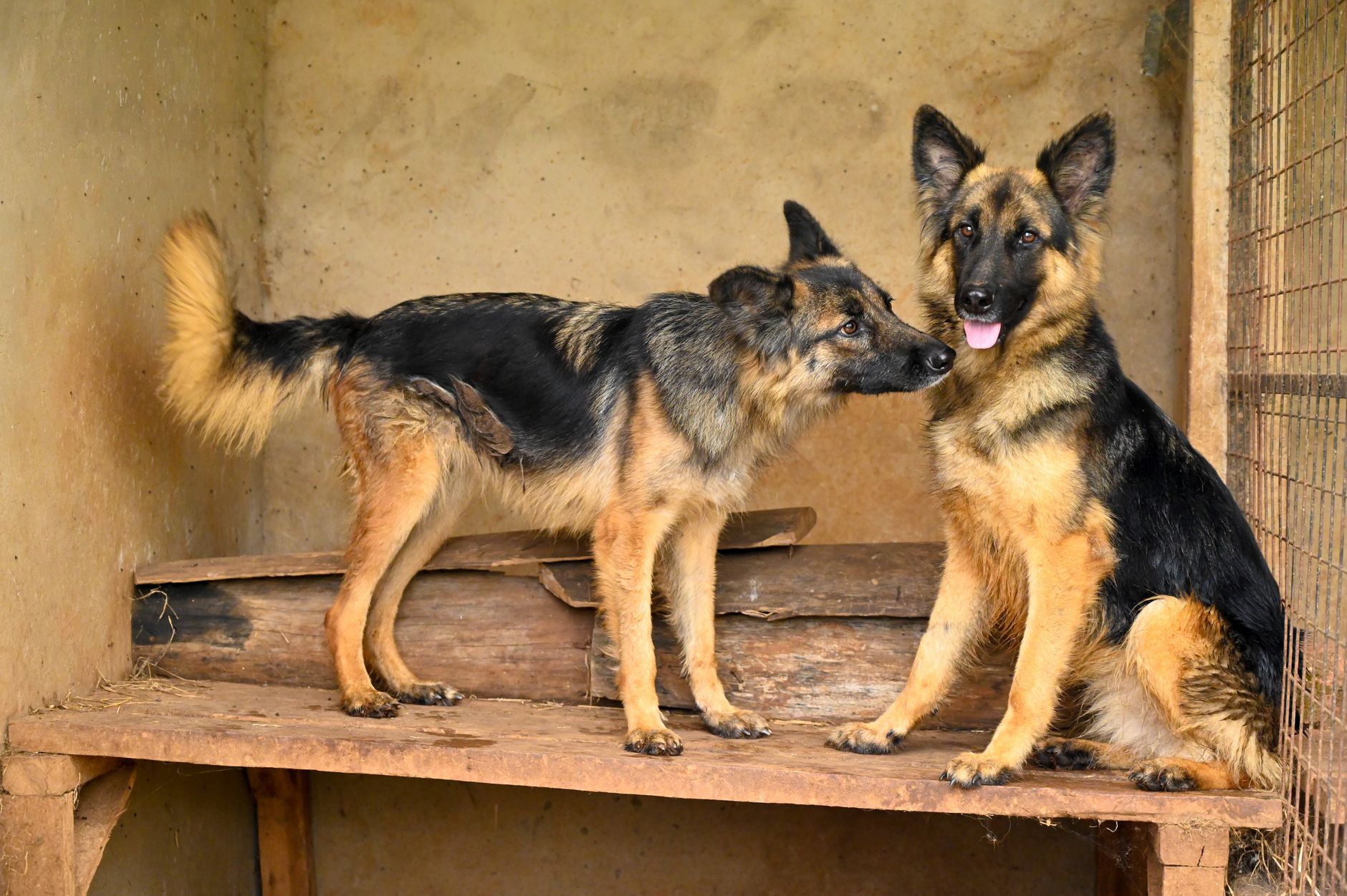
Breed Matters: Certain breeds, like German Shepherds, Rottweilers, and Doberman Pinschers, are inherently more protective than others due to selective breeding over generations. Whether male or female, dogs from these breeds are more likely to exhibit guarding behaviors.
-
Temperament is Key: Regardless of breed, a dog’s individual temperament plays a significant role. A confident and well-socialized dog is more likely to assess threats appropriately and respond accordingly, while a fearful or anxious dog might react defensively out of fear.
-
The Power of the Bond: The strength of the bond between a dog and its owner is a crucial factor. A dog who feels deeply connected to their owner will be more motivated to protect them from perceived dangers.
-
Hormonal Influences: While often overlooked, hormones can play a role. A female dog may exhibit heightened protective behaviors when pregnant or nursing, as she’s driven by maternal instincts to safeguard her “pups,” which can include her human family.
Differences in Protective Behavior: Male vs. Female

While both sexes can be protective, the manifestation of that protection can sometimes differ.

-
Males: Male dogs are often described as more territorial and assertive in their protective behaviors. They might be more prone to displaying aggression towards perceived threats.
-
Females: Female dogs often display a more nurturing and defensive form of protection. They might position themselves between their owner and a perceived threat, bark to warn away intruders, or even attempt to physically shield their human.
It’s important to remember that these are generalizations, and individual dogs can vary greatly.
Nurturing and Encouraging Healthy Protective Behaviors
If you want to encourage your female dog’s protective instincts in a healthy and controlled manner, consider the following:
-
Early Socialization: Expose your dog to a wide variety of people, places, and situations from a young age. This helps them develop into a well-adjusted and confident adult who can differentiate between harmless encounters and genuine threats.
-
Obedience Training: A solid foundation in obedience training is essential for managing any dog’s behavior, including protective instincts. Commands like “leave it,” “stay,” and “quiet” can be invaluable in controlling potentially unwanted behaviors.
-
Positive Reinforcement: Use positive reinforcement techniques to reward your dog for displaying appropriate protective behaviors, such as barking at a stranger approaching your property.
-
Building Trust: A strong bond built on trust and respect is the cornerstone of any successful relationship with a dog. Spend quality time with your dog, engage in activities they enjoy, and always treat them with kindness and compassion.
Avoiding Problematic Protective Behaviors
It’s crucial to ensure that your dog’s protective instincts don’t become problematic or lead to aggression.
-
Recognize the Signs of Anxiety: If your dog is exhibiting signs of anxiety, such as trembling, panting, or excessive barking, consult with a veterinarian or a certified professional dog trainer.
-
Never Encourage Aggression: Avoid encouraging your dog to be aggressive towards others, even in play. This can inadvertently reinforce unwanted behaviors and increase the risk of serious incidents.
-
Seek Professional Help: If you’re struggling to manage your dog’s protective behaviors, don’t hesitate to seek professional help from a certified professional dog trainer or a veterinary behaviorist. They can provide personalized guidance and support to help you address any underlying issues.
The Science Behind Canine Protection
The urge Do female dogs guard their owners? is complex, rooted in both genetics and environmental factors. Studies have shown that certain breeds are genetically predisposed to be more protective than others. However, early experiences and training can also significantly influence a dog’s behavior. Hormones also play a role, especially in females during pregnancy or lactation, which can heighten their protective instincts. Understanding these underlying factors can help owners better manage and shape their dog’s protective behaviors.
Frequently Asked Questions (FAQs)
Are all female dogs naturally protective?
No, not all female dogs are naturally protective. While many possess the instinct to guard their “pack,” the extent to which they exhibit this behavior depends on several factors including breed, temperament, training, and their individual bond with their owner. Some female dogs may be more laid-back and less inclined to be overtly protective, while others may display strong guarding instincts.
Is it possible to train a female dog to be more protective?
Yes, it is possible, but it’s crucial to approach this carefully and ethically. Focus on building confidence and providing clear boundaries. Never encourage aggression, as this can be dangerous and counterproductive. Positive reinforcement techniques and professional guidance from a certified trainer are recommended to ensure the training is safe and effective.
What are the signs that my female dog is being protective?
Signs can include barking, growling, positioning herself between you and a perceived threat, staring intensely, or even attempting to bite. The key is to interpret the behavior in context. A protective dog will usually exhibit these behaviors when she perceives a threat to you or your home. Body language is also vital; look for signs of stress or tension.
Are spayed female dogs less protective?
Spaying can sometimes reduce certain hormone-driven behaviors, such as territorial marking or aggression related to heat cycles. However, spaying typically does not eliminate a female dog’s inherent protective instincts. The strength of the bond with her owner and her individual temperament remain the primary factors influencing her protective behavior.
How can I tell if my female dog is being overly protective?
Overly protective behavior is characterized by excessive barking, growling, or lunging at people or other animals, even when there is no real threat. Fear or anxiety are often underlying causes of excessive protectiveness, and these should be addressed by a veterinarian or a certified professional dog trainer.
What should I do if my female dog bites someone out of protection?
Safety is paramount. Immediately separate your dog from the situation and provide first aid to the person who was bitten. It’s essential to consult with a veterinarian or veterinary behaviorist to assess your dog’s behavior and develop a plan to prevent future incidents. Reporting the bite to local authorities may also be required by law.
Does the breed of a female dog affect how protective she is?
Yes, breed plays a significant role. Breeds specifically bred for guarding, such as German Shepherds, Rottweilers, and Dobermans, tend to be more protective than other breeds. However, individual temperament and training are also important factors.
How does socialization impact a female dog’s protective behavior?
Proper socialization is crucial for developing a well-adjusted and confident dog who can differentiate between harmless encounters and genuine threats. Early exposure to a wide variety of people, places, and situations helps prevent fear-based aggression and allows the dog to assess situations more accurately.
What’s the difference between protection and aggression in female dogs?
Protection is generally a reactive behavior in response to a perceived threat to the owner. Aggression, on the other hand, can be a more proactive behavior stemming from fear, dominance, or territoriality. A well-trained dog displaying protective behavior will usually respond to commands and stop when the threat is removed.
Can a female dog be too protective of children?
Yes, a female dog can be too protective of children, especially if she perceives well-meaning interactions (like playing or wrestling) as a threat. It’s essential to supervise all interactions between dogs and children and to teach both the dog and the children appropriate behavior. If the dog exhibits signs of overprotection, seek professional guidance.
How can I build a strong bond with my female dog to encourage healthy protection?
Building a strong bond involves spending quality time with your dog, engaging in activities she enjoys, providing consistent training, and treating her with kindness and respect. Positive reinforcement techniques are crucial for building trust and encouraging desired behaviors. A strong bond is the foundation for healthy protection.
Are there any specific training techniques that are particularly effective for managing a female dog’s protective instincts?
Obedience training, particularly commands like “leave it,” “stay,” and “quiet,” are invaluable for managing protective instincts. Focus on positive reinforcement techniques and avoid punishment-based methods, as these can increase fear and anxiety, potentially leading to aggression. Consult with a certified professional dog trainer to develop a personalized training plan.