
Do Dogs with Cataracts See Better in the Dark? Unveiling the Truth
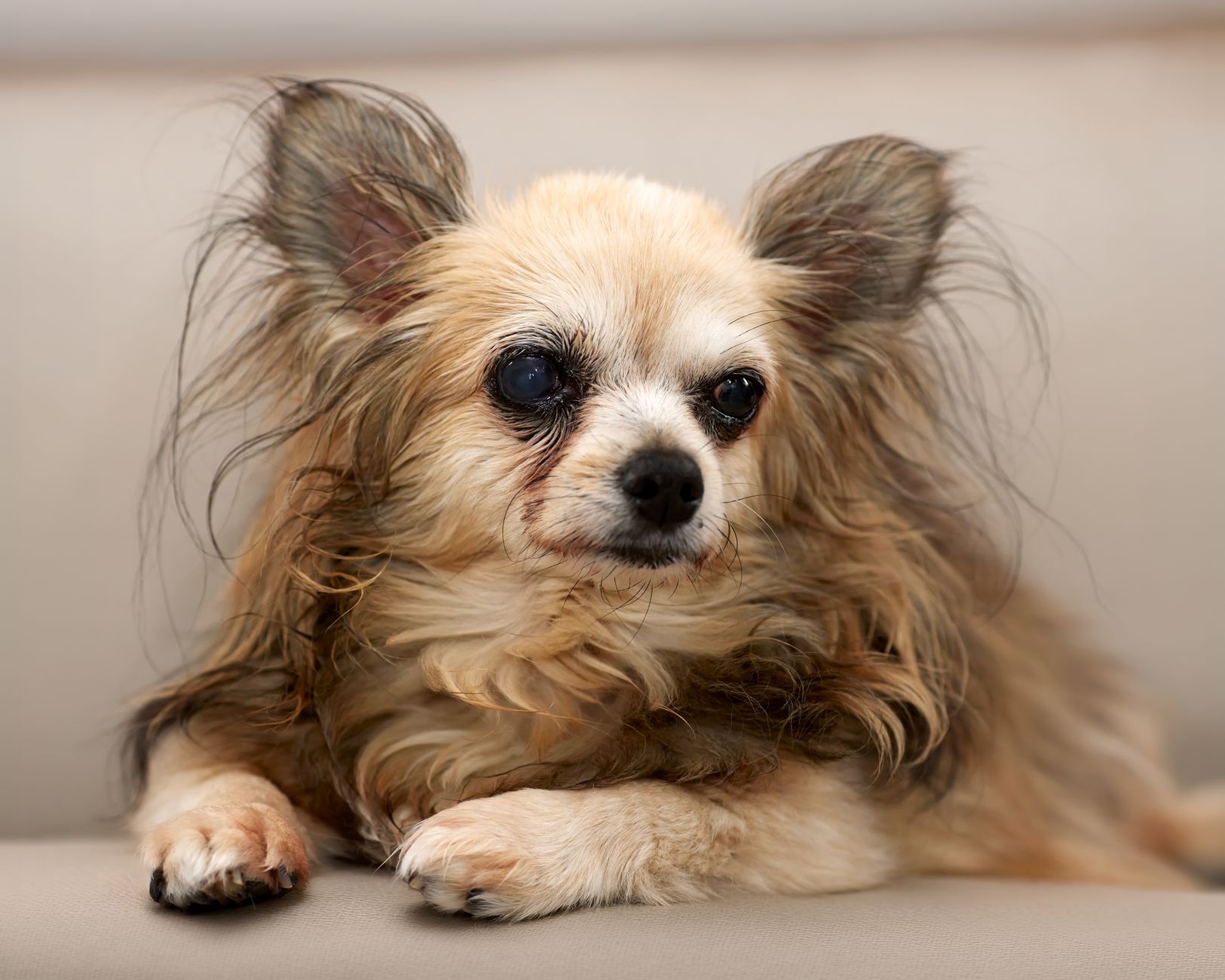
Do dogs with cataracts see better in the dark? No, and in fact, the opposite is usually true. Dogs with cataracts experience decreased vision in all lighting conditions, including low-light environments, as the cataract obstructs light from reaching the retina.

Understanding Cataracts in Dogs
A cataract is a clouding of the lens of the eye. The lens, normally clear, focuses light onto the retina, the light-sensitive layer at the back of the eye. When a cataract develops, it blocks or scatters light, leading to blurred vision or even blindness.
The Canine Eye and Night Vision
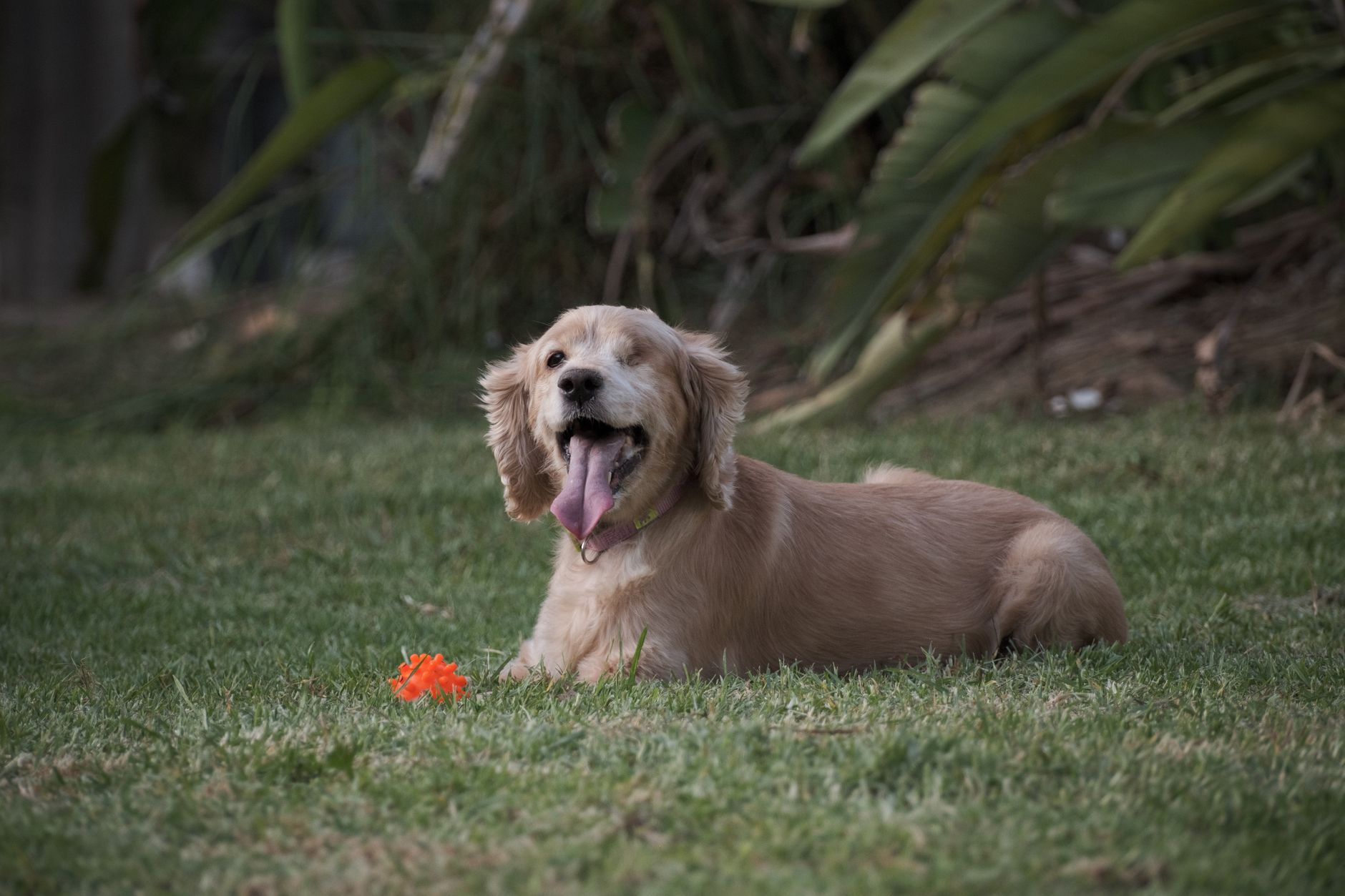
Healthy dogs possess excellent night vision compared to humans due to several adaptations:
- Tapetum Lucidum: This reflective layer behind the retina amplifies available light, enhancing vision in low-light conditions.
- High Rod Cell Density: Rod cells are responsible for detecting movement and vision in dim light. Dogs have a higher density of rod cells than humans.
- Large Pupils: Larger pupils allow more light to enter the eye.
These adaptations contribute to a dog’s natural ability to see well in the dark. However, these natural advantages are nullified when cataracts form.
Cataracts and Light Transmission
The core problem with cataracts is that they impede light transmission. Instead of passing directly through the lens to be properly focused on the retina, the light is either:
- Blocked: Preventing any image formation.
- Scattered: Creating a blurry, distorted image.
This effect is consistent regardless of the amount of ambient light. Therefore, do dogs with cataracts see better in the dark? The answer is a resounding no. The reduced light conditions actually exacerbate the problem, as there is less light available to penetrate the cloudy lens in the first place.
How Cataracts Affect Vision in Low Light
While a healthy dog’s eye can make efficient use of available light at night, a cataract further reduces the amount of light that can reach the retina. This means that even with the tapetum lucidum and a high rod cell density, the canine eye cannot compensate for the light blockage caused by the cataract. In effect, a dog with cataracts would experience an even greater degradation of vision in dark conditions compared to daylight.
Stages of Cataract Development
Cataracts develop in stages, and the impact on vision varies accordingly:
| Stage | Description | Impact on Vision |
|---|---|---|
| Incipient Cataract | Small, localized opacity; minimal impact on vision. | Mild blurring, especially under bright light. |
| Immature Cataract | Larger opacity, covers a significant portion of the lens. | Noticeable blurring; difficulty with detail. |
| Mature Cataract | Entire lens is opaque; complete blockage of light. | Significant vision loss; difficulty navigating. |
| Hypermature Cataract | The lens proteins begin to liquefy, leading to inflammation within the eye. | Complete blindness; potential for pain and complications. |
Diagnosing Cataracts
Veterinarians diagnose cataracts through a thorough eye examination using specialized equipment, including:
- Ophthalmoscope: To examine the internal structures of the eye, including the lens and retina.
- Slit Lamp Biomicroscopy: To evaluate the lens at high magnification.
- Tonometry: To measure intraocular pressure and rule out glaucoma.
Treatment Options
The most effective treatment for cataracts is surgical removal followed by the implantation of an artificial lens.
- Phacoemulsification: This is the most common surgical technique, involving the use of ultrasonic waves to break up the cataract and remove it.
- Lens Implantation: An artificial lens is then implanted to restore vision.
Non-Surgical Management
If surgery is not an option, management focuses on:
- Antioxidant Supplements: To potentially slow the progression of the cataract.
- Eye Drops: To manage inflammation and reduce the risk of secondary complications.
- Environmental Adjustments: Keeping the home environment consistent and free of obstacles to help the dog navigate safely.
Common Mistakes Owners Make
- Delaying Veterinary Care: Assuming the vision loss is age-related and not seeking prompt veterinary evaluation.
- Using Human Eye Drops: Many human eye drops are not safe for dogs and can worsen the condition.
- Ignoring the Dog’s Distress: Failing to recognize the signs of vision loss and adapt the environment to support the dog’s needs.

Frequently Asked Questions
Are all cloudy eyes in dogs cataracts?
No, cloudy eyes can have other causes, such as nuclear sclerosis, which is a normal aging change in the lens. Unlike cataracts, nuclear sclerosis typically does not significantly impair vision. Only a veterinarian can differentiate between the two.
Can cataracts be prevented?
While some cataracts are inherited or related to underlying medical conditions like diabetes, there’s no definitive way to prevent them. However, good overall health management, including a balanced diet and regular veterinary checkups, can help.
How quickly do cataracts progress in dogs?
The rate of cataract progression varies depending on the cause and the individual dog. Some cataracts develop slowly over years, while others can progress rapidly over weeks or months.
Can a dog with cataracts see shadows or movement?
Depending on the stage of cataract development, a dog may still be able to perceive shadows and movement, even if their vision is significantly reduced. However, this is not equivalent to clear vision.
Is cataract surgery safe for dogs?
Cataract surgery in dogs has a high success rate, with most dogs experiencing significant improvement in vision. However, as with any surgical procedure, there are risks involved, such as infection, inflammation, and glaucoma.
How much does cataract surgery cost for dogs?
The cost of cataract surgery varies depending on the location, surgeon, and the complexity of the case. Generally, it can range from $3,000 to $5,000 per eye.
What is the recovery process after cataract surgery?
Recovery typically involves eye drops, restricted activity, and wearing an Elizabethan collar to prevent the dog from rubbing or scratching the eye. Regular follow-up appointments with the veterinarian are essential.
Can diabetes cause cataracts in dogs?
Yes, diabetes is a common cause of cataracts in dogs. Diabetic cataracts tend to develop rapidly and often require surgery.
Are some dog breeds more prone to cataracts?
Yes, certain breeds, such as poodles, cocker spaniels, golden retrievers, and Labrador retrievers, are genetically predisposed to developing cataracts.
Can cataracts cause pain or discomfort for dogs?
Cataracts themselves are not typically painful. However, hypermature cataracts can lead to inflammation and secondary glaucoma, which can cause significant pain and discomfort.
What can I do to help my dog adjust to vision loss from cataracts?
Maintain a consistent environment, avoid rearranging furniture, and use verbal cues to help your dog navigate. Ensure pathways are clear and free of obstacles.
If my dog has cataracts, should I consider surgery right away?
The decision to pursue cataract surgery should be made in consultation with your veterinarian and a veterinary ophthalmologist. They will assess the dog’s overall health, the stage of cataract development, and the potential benefits and risks of surgery. The key thing to remember when asking, “Do dogs with cataracts see better in the dark?” is that cataract surgery is the only proven method to reverse the condition and potentially restore vision, but it is not a guarantee.