

Do Dogs Snort When They Are Happy? Decoding the Canine Snort
The short answer is: Sometimes, yes! While not always indicative of joy, a dog’s snort can be a sign of excitement and playful energy, especially in brachycephalic breeds (short-nosed dogs). Understanding the context is key.

Understanding the Canine Snort
A dog’s snort can mean many things, and pinpointing the exact reason behind each snort requires careful observation of the surrounding circumstances. It’s not a universal sign of happiness across all breeds and individuals. Several factors contribute to this fascinating (and sometimes humorous) canine behavior.
Brachycephalic Breeds and Their Snorts
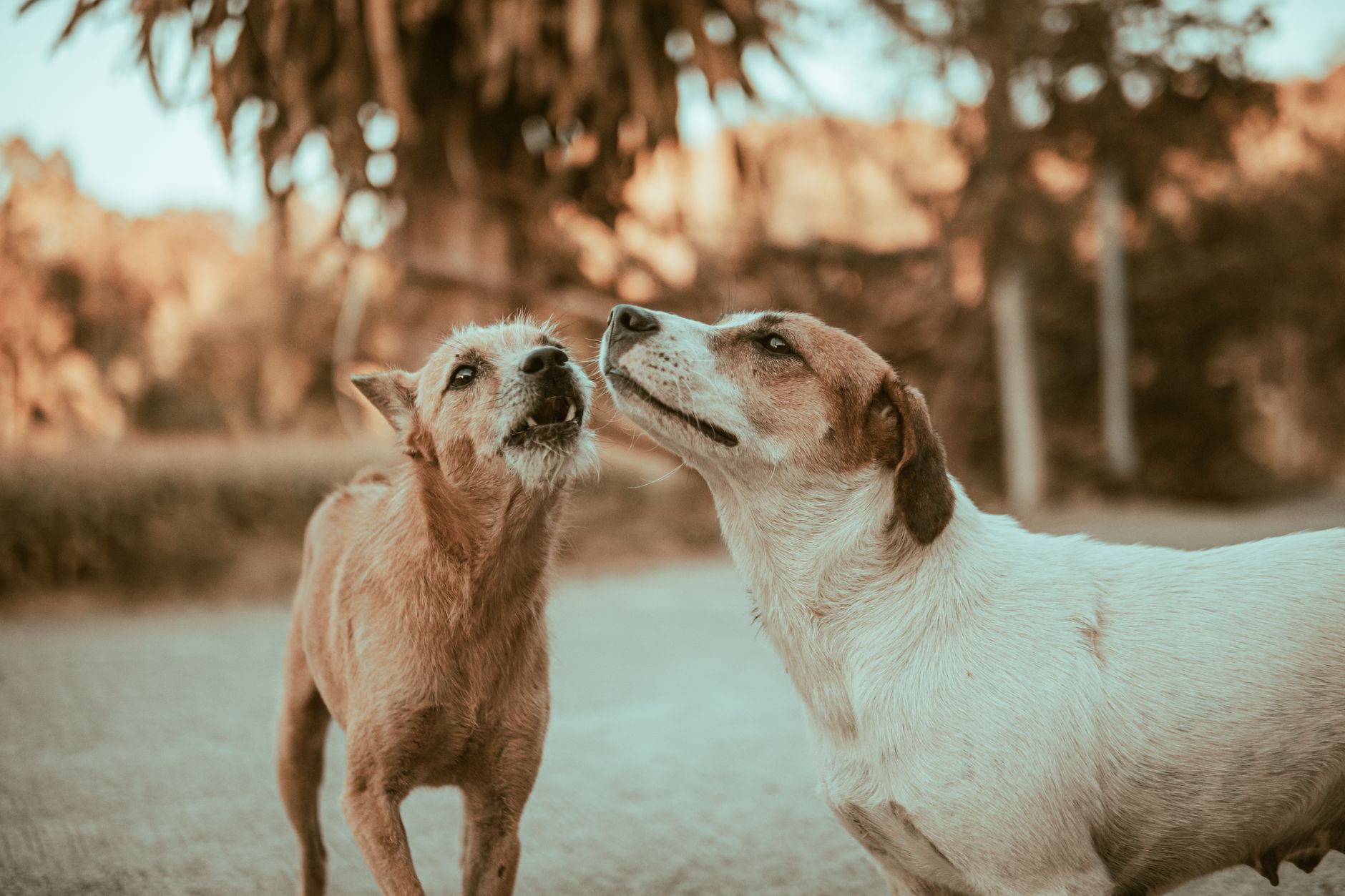
Certain dog breeds, like Bulldogs, Pugs, and Boxers, are brachycephalic, meaning they have shortened noses and skulls. This unique anatomy often leads to:
- Stenotic Nares: Narrowed nostrils that make breathing difficult.
- Elongated Soft Palate: An overly long soft palate that can obstruct the airway.
- Tracheal Hypoplasia: A narrowed trachea (windpipe).
These conditions increase the likelihood of snorting and other respiratory sounds, regardless of the dog’s emotional state. So, with brachycephalic breeds, while the snort can be happiness, it is often a direct result of their anatomy.
Decoding Different Types of Canine Snorts
Not all snorts are created equal. Differentiating between various types of snorts is essential to correctly interpret your dog’s behavior. Here’s a quick guide:
- Playful Snort: Often accompanied by a wagging tail, bouncy movements, and a relaxed body posture. This type of snort is generally associated with excitement and happiness.
- Medical Snort: May indicate an underlying health issue, such as a respiratory infection, allergies, or nasal obstruction. It is usually accompanied by other symptoms, like coughing, sneezing, or nasal discharge.
- Attention-Seeking Snort: Some dogs learn that snorting gets them attention from their owners. These snorts are typically performed strategically and may cease when the desired attention is received.
- Reverse Sneeze: Characterized by a rapid and forceful inhalation of air through the nose, often resulting in a loud snorting sound. Reverse sneezing can be caused by irritants, allergies, or excitement. It can look alarming, but is usually harmless.
Other Signs of Canine Happiness
To properly assess whether your dog is happy, it’s important to consider the snort in conjunction with other signs of contentment:
- Relaxed Body Posture: A loose, wiggly body indicates relaxation and happiness.
- Wagging Tail: A happy wag is typically broad and involves the entire body.
- Play Bow: A common invitation to play, where the dog lowers its front end while keeping its rear end raised.
- Soft Facial Expression: Relaxed ears, a gentle gaze, and a slightly open mouth suggest a positive emotional state.
- Vocalization: Happy dogs may also whine, bark, or grunt in a playful manner.
When to Consult a Veterinarian
While many snorts are harmless, some can indicate an underlying health issue. If your dog’s snorting is accompanied by any of the following symptoms, it’s crucial to consult a veterinarian:
- Difficulty Breathing: Labored breathing or gasping for air.
- Persistent Coughing: A recurring cough that doesn’t seem to resolve.
- Nasal Discharge: Excessive mucus or blood coming from the nose.
- Lethargy: A significant decrease in energy levels.
- Loss of Appetite: Refusal to eat or a decreased interest in food.
- Facial Swelling: Swelling around the nose or face.
Training to Reduce Attention-Seeking Snorting
If your dog uses snorting to get attention, you can implement training strategies to curb this behavior:
- Ignore the Snort: Avoid giving attention when your dog snorts for attention.
- Reward Quiet Behavior: Positively reinforce quiet and calm behavior with treats and praise.
- Provide Alternative Activities: Offer toys, puzzles, and exercise to keep your dog mentally and physically stimulated.
- Consult a Professional Trainer: If the behavior persists, consider working with a certified dog trainer or behaviorist.
Remember: Patience and consistency are key to successfully modifying your dog’s behavior.
Table Comparing Snort Causes
| Snort Type | Likely Cause(s) | Accompanying Symptoms | Action Required |
|---|---|---|---|
| Playful Snort | Excitement, happiness, anticipation of play | Wagging tail, bouncy movements, relaxed body posture | Enjoy the fun! |
| Medical Snort | Respiratory infection, allergies, nasal obstruction | Coughing, sneezing, nasal discharge, lethargy, loss of appetite | Consult a veterinarian |
| Attention-Seeking | Learned behavior to gain attention | Strategically timed snorts, cessation of snorting when attention is received | Ignore the snort, reward quiet behavior |
| Reverse Sneeze | Irritants, allergies, excitement | Rapid and forceful inhalation through the nose, often resulting in a loud snorting sound | Usually no action needed, gently massage the throat if the episode is prolonged |

Frequently Asked Questions (FAQs)
Is snorting always a sign of happiness in dogs?
No, snorting isn’t always a sign of happiness. While it can indicate excitement and playful energy, especially when accompanied by other positive body language cues like a wagging tail and relaxed posture, it can also be caused by underlying medical conditions like respiratory infections or allergies, particularly in brachycephalic breeds.
Why do brachycephalic breeds snort more often?
Brachycephalic breeds, such as Bulldogs and Pugs, have shortened noses and skulls, which can lead to breathing difficulties and increased snorting. This is because their anatomical structure predisposes them to stenotic nares (narrowed nostrils), elongated soft palates, and other respiratory issues. These conditions cause them to snort more frequently, regardless of their emotional state.
What is a reverse sneeze, and is it harmful?
A reverse sneeze is a rapid and forceful inhalation of air through the nose, resulting in a loud snorting sound. It’s often caused by irritants, allergies, or excitement. While it can look alarming, a reverse sneeze is usually harmless and resolves on its own within a few seconds. Gently massaging your dog’s throat or briefly covering their nostrils can help to stop the episode.
How can I tell if my dog’s snorting is a medical issue?
If your dog’s snorting is accompanied by other symptoms like coughing, sneezing, nasal discharge, lethargy, or loss of appetite, it’s likely a medical issue. Consult your veterinarian promptly for diagnosis and treatment.
Can allergies cause dogs to snort?
Yes, allergies can cause dogs to snort. When a dog is exposed to allergens, such as pollen or dust mites, it can cause inflammation in their nasal passages, leading to snorting, sneezing, and nasal discharge. Allergy testing and treatment options are available from your veterinarian.
What should I do if my dog starts snorting suddenly and excessively?
If your dog starts snorting suddenly and excessively, especially if it’s accompanied by difficulty breathing or other concerning symptoms, it’s essential to seek immediate veterinary attention. This could indicate a serious respiratory issue that requires prompt treatment.
Can dogs snort when they are happy during playtime?
Yes, dogs can definitely snort when they are happy during playtime. This is often accompanied by a wagging tail, bouncy movements, and a general display of excitement. The snort can be a part of their playful vocalizations.
Is it possible to stop my dog from snorting if it’s attention-seeking behavior?
Yes, it is possible to curb attention-seeking snorting through consistent training. The best approach is to ignore the snort when it occurs and only provide attention when your dog is exhibiting calm and quiet behavior. Positive reinforcement for quiet behavior is key.
Are there any home remedies to help with my dog’s snorting?
For mild cases of snorting due to allergies or irritants, you can try using a humidifier to moisten the air, which can help to soothe the nasal passages. However, always consult your veterinarian before attempting any home remedies, especially if the snorting is persistent or accompanied by other symptoms.
Does the age of a dog affect how often they snort?
Yes, age can affect how often a dog snorts. Older dogs are more prone to certain health conditions that can contribute to snorting, such as heart disease or collapsing trachea. Regular veterinary checkups are important to monitor the health of older dogs.
What is the difference between a snort and a sneeze in dogs?
A sneeze is a forceful expulsion of air through the nose and mouth, usually to clear irritants. A snort, on the other hand, can be a more subtle sound that may indicate excitement, a physical obstruction, or simply the way your dog breathes. The context and accompanying symptoms are key to differentiation.
Do all dogs snort, or is it specific to certain breeds?
While all dogs can snort under certain circumstances, it’s more common in brachycephalic breeds due to their unique anatomy. However, snorting can occur in any breed due to allergies, irritants, or even just as a form of communication.