

Decoding Canine Affection: Do Dogs Prefer Patting or Stroking?
While individual preferences vary, research suggests that many dogs favor gentle stroking over rapid, repetitive patting, particularly when initiated and regulated by the dog. Understanding canine body language is crucial to providing the type of physical affection your dog enjoys most.

Understanding Canine Communication: More Than Just Wags
The question of “Do dogs prefer patting or stroking?” isn’t simply about tactile sensation. It’s about communication, control, and the overall experience for the dog. Dogs communicate through a complex system of body language, vocalizations, and even scent. Understanding these signals is essential for building a strong and trusting relationship and ensuring that physical interactions are positive for both of you. Misinterpreting canine cues can lead to anxiety, fear, or even defensive behaviors.
The Science Behind the Scratches: How Dogs Experience Touch

Dogs have specialized nerve endings in their skin called mechanoreceptors that are sensitive to different types of touch. These receptors transmit information about pressure, temperature, and texture to the brain, allowing dogs to experience a wide range of sensations. Gentle stroking can stimulate the release of endorphins, which are natural pain relievers and mood boosters. However, forceful patting might be perceived as an unpleasant intrusion or even a threat, especially if unexpected or unwanted.
Distinguishing Patting from Stroking: A Matter of Technique
The key difference between patting and stroking lies in the rhythm, pressure, and intention behind the touch.
- Patting: Usually involves short, repetitive taps or slaps. It tends to be faster and more forceful than stroking.
- Stroking: Characterized by long, smooth, and gentle movements. It usually involves a consistent pressure applied across a larger surface area.
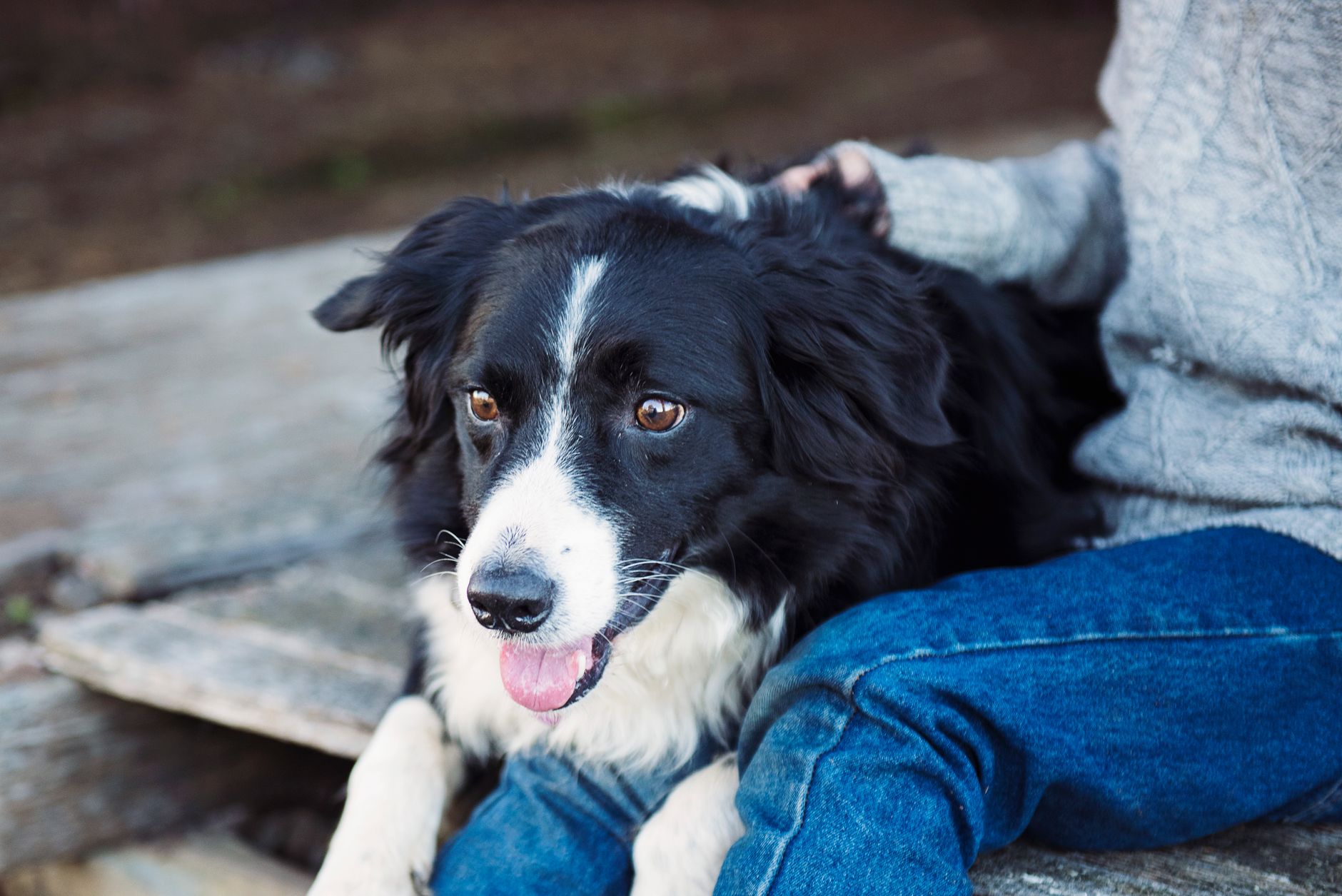
While some dogs may tolerate or even enjoy light, rhythmic patting, most prefer the calming and reassuring sensation of stroking. Observation is crucial: always look for signs of discomfort.
Reading Your Dog’s Body Language: Deciphering the Signals
Before initiating any physical interaction, it’s crucial to observe your dog’s body language. Look for:
- Relaxed posture: Loose muscles, soft eyes, and a slightly open mouth.
- Ears forward or relaxed: Not pinned back against the head.
- Tail wagging loosely: A slow, gentle wag is generally positive, while a rapid, high wag may indicate excitement or anxiety.
- Leaning into the touch: Actively seeking physical contact.
If your dog displays any of the following signs, it’s best to refrain from touching them or to adjust your technique:
- Lip licking: Often indicates anxiety or discomfort.
- Yawning: Can be a sign of stress.
- Turning away: Avoiding eye contact or physically moving away from you.
- Ears pinned back: A clear sign of fear or submission.
- Stiff posture: Tense muscles indicate discomfort.
- Whale eye: Showing the whites of the eyes.
- Growling or snapping: A warning signal that should never be ignored.
The Benefits of Gentle Stroking: Strengthening the Bond
Gentle stroking offers numerous benefits for both dogs and their owners:
- Reduces stress and anxiety: Stroking releases endorphins, promoting relaxation and a sense of well-being.
- Strengthens the bond: Physical touch is a powerful way to communicate affection and build trust.
- Lowers blood pressure and heart rate: For both dogs and humans.
- Provides opportunities for bonding and observation: Stroking gives you time to calmly interact with your dog and notice any changes in their body.
Best Practices: How to Approach Your Dog for Physical Affection
Here’s a step-by-step guide to ensuring positive physical interactions:
- Approach calmly and slowly: Avoid sudden movements or loud noises.
- Offer your hand for a sniff: Allow the dog to initiate contact.
- Start with gentle stroking: Focus on areas where dogs typically enjoy being touched, such as the chest, shoulders, and base of the tail.
- Observe your dog’s body language: Pay close attention to their reactions and adjust your technique accordingly.
- Respect their boundaries: If the dog moves away or shows signs of discomfort, stop the interaction immediately.
Preferred Touch Zones: Where Dogs Like to Be Touched
Most dogs enjoy being stroked on the following areas:
- Chest: A gentle, slow stroking motion on the chest can be very calming.
- Shoulders: Many dogs enjoy having their shoulders rubbed or stroked.
- Base of the tail: A scratching or rubbing motion at the base of the tail can be particularly pleasurable, as this area is often difficult for them to reach themselves.
- Chin and neck: Gentle scratching or stroking under the chin and along the neck.
However, some dogs may be sensitive about having their heads, paws, or tails touched. It’s important to learn your individual dog’s preferences and respect their boundaries.
Common Mistakes to Avoid: What Not to Do
- Forcing interaction: Never force a dog to be touched if they are reluctant or showing signs of discomfort.
- Ignoring body language: Pay close attention to your dog’s cues and adjust your technique accordingly.
- Using rough or forceful movements: Always be gentle and avoid applying excessive pressure.
- Touching sensitive areas without permission: Respect your dog’s boundaries and avoid touching areas they may not enjoy.
- Misinterpreting a wagging tail: Remember that a wagging tail doesn’t always mean the dog is happy. Consider the entire body language.
Individual Preferences: Every Dog is Different
Just as humans have different preferences, so do dogs. Some dogs may adore being patted vigorously, while others may prefer the softest of strokes. The key is to observe your dog’s individual reactions and tailor your approach accordingly. Understanding that do dogs prefer patting or stroking? isn’t a universal truth, but a question of individual preference is crucial for responsible pet ownership.
The Power of Positive Reinforcement: Rewarding Good Behavior
When your dog willingly accepts and enjoys being touched, reward them with praise, treats, or other forms of positive reinforcement. This will help to strengthen the association between physical touch and positive experiences.
Summary: Tailoring Touch for a Happy Dog
Ultimately, the answer to the question “Do dogs prefer patting or stroking?” comes down to individual preference, observational skills, and respectful interaction. Prioritize gentle stroking and careful observation to build trust and strengthen your bond.
Frequently Asked Questions
Are there certain breeds that prefer patting over stroking?
While there aren’t specific breed-wide preferences, individual personality plays a larger role than breed. Some breeds may be more stoic or tolerant of different types of touch, but ultimately, it’s best to observe each dog individually.
How do I introduce touch to a fearful or shy dog?
Start slowly and gradually. Offer your hand for a sniff and avoid direct eye contact. If the dog approaches you, offer a gentle scratch under the chin or on the chest. Never force interaction and always respect their boundaries.
What if my dog doesn’t seem to like being touched at all?
Some dogs are simply less affectionate than others. Respect their boundaries and focus on other ways to bond, such as playing games or going for walks. You can also consult with a veterinarian or certified dog trainer to rule out any underlying medical or behavioral issues.
Why does my dog sometimes nudge me with their head?
A head nudge can have several meanings. It could be a sign of affection, a request for attention, or even a sign of dominance. Observe the context and your dog’s overall body language to determine the meaning.
Is it okay to hug my dog?
While some dogs tolerate hugs, many find them uncomfortable or even threatening. A hug can restrict their movement and make them feel trapped. It’s generally safer to stick to gentle stroking and other forms of physical affection that your dog clearly enjoys.
My dog suddenly started disliking being touched. What could be the reason?
A sudden change in behavior could indicate an underlying medical issue. Consult with a veterinarian to rule out any pain or discomfort. It could also be related to stress, anxiety, or a negative experience.
What are some signs that my dog is enjoying being touched?
Signs of enjoyment include relaxed muscles, soft eyes, a slightly open mouth, leaning into the touch, and a gentle tail wag.
Can children understand canine body language?
Children can learn to understand canine body language with proper education and guidance. Teach them to approach dogs calmly and respectfully and to recognize signs of discomfort or fear. Supervise all interactions between children and dogs.
Is there a connection between training and a dog’s preference for petting vs. stroking?
Training can positively influence a dog’s receptiveness to touch. Using positive reinforcement during training can create positive associations with human interaction, making them more likely to enjoy petting and stroking.
How does a dog’s age affect its preference for touch?
Older dogs may have reduced mobility or increased sensitivity to touch. Be gentle and avoid putting pressure on any painful areas. Puppies are often more tolerant of different types of touch, but it’s still important to be gentle and respectful.
What if I accidentally hurt my dog while petting or stroking them?
If you accidentally hurt your dog, stop the interaction immediately and apologize to them in a calm, reassuring voice. Monitor them for any signs of pain or discomfort and consult with a veterinarian if necessary.
Where can I learn more about canine body language and communication?
There are many resources available to help you learn more about canine body language, including books, websites, and classes offered by certified dog trainers and behaviorists.