

Do Dogs Recognize Puppyhood? Unveiling Canine Understanding of Age
It appears dogs can differentiate between puppies and adult dogs, exhibiting modified behaviors that suggest an understanding of a dog’s vulnerability and need for gentleness associated with being a puppy. This recognition is likely based on a complex interplay of olfactory cues, body language, and vocalizations.
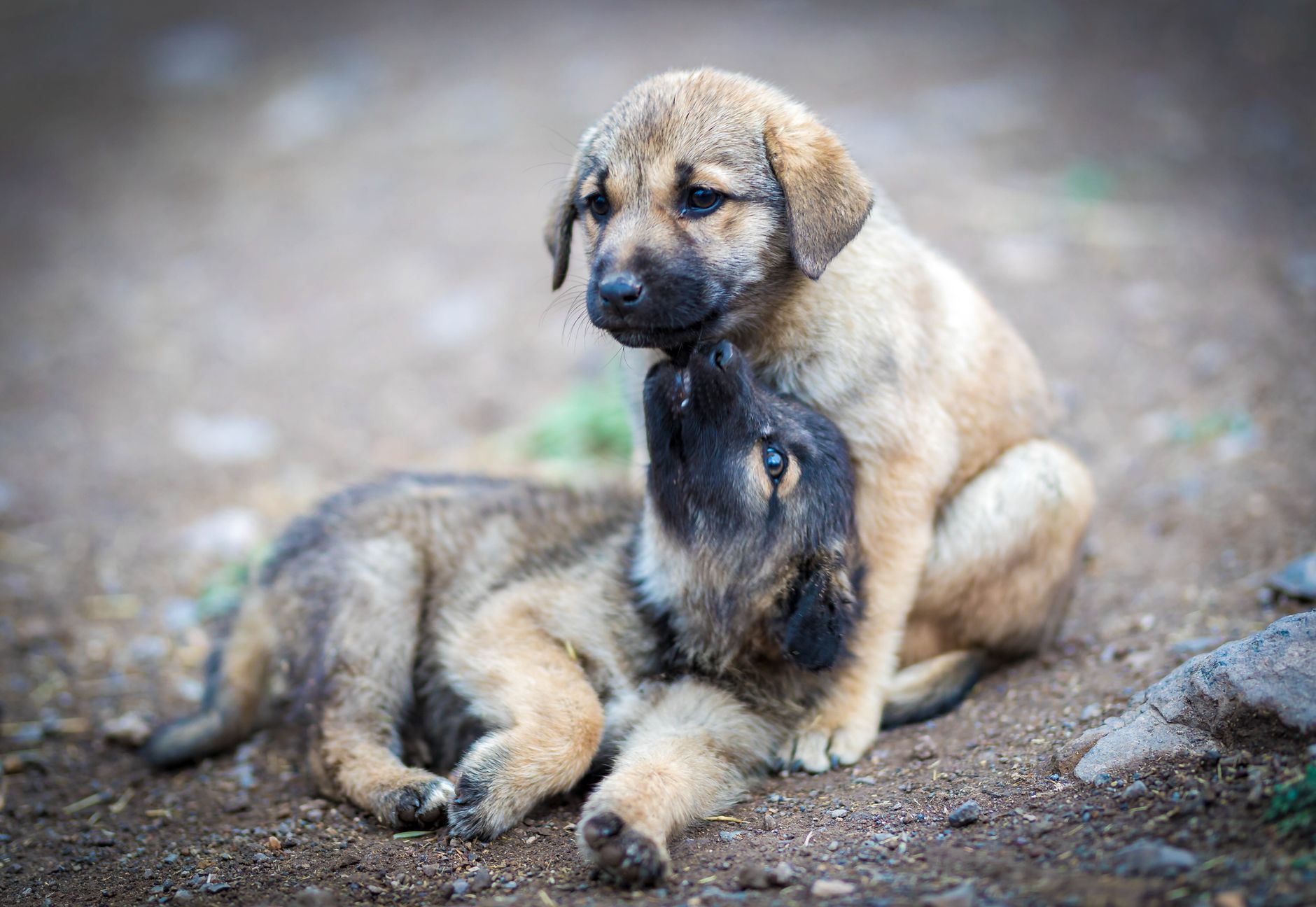
Understanding Canine Perception of Age
While we can’t definitively ask dogs what they know, observational and experimental research provides compelling evidence that adult dogs recognize puppies as different and deserving of special consideration. This recognition isn’t necessarily the same as a human understanding of age as a chronological concept, but rather a response to a specific set of characteristics associated with puppyhood.
The Role of Scent in Puppy Recognition

Dogs rely heavily on their sense of smell to navigate the world and identify individuals. Puppies possess unique scent profiles, largely due to differences in their diet, hormonal development, and the presence of maternal pheromones. These distinct olfactory signatures likely play a crucial role in alerting adult dogs to the presence of a puppy.
Body Language and Vocalizations: Visual and Auditory Cues
Beyond scent, puppies exhibit distinctive body language and vocalizations that differ significantly from adult dogs.
- Puppies often display exaggerated submissive behaviors, such as licking the faces of adult dogs, crouching low to the ground, and avoiding direct eye contact.
- Their vocalizations also differ, with higher-pitched whines, yelps, and barks that may elicit specific responses from adult dogs.
Adult dogs often respond to these cues with:
- Increased tolerance
- Gentle play behavior
- Reduced aggression
These modified behaviors suggest an innate understanding of the puppy’s vulnerability and need for protection.
The Importance of Socialization in Shaping Dog Behavior
Early socialization experiences significantly influence how a dog interacts with puppies later in life. Dogs who were well-socialized with puppies during their critical developmental period (roughly 3-16 weeks) are more likely to exhibit appropriate and tolerant behavior towards puppies as adults. Conversely, dogs who lacked these positive early interactions may display fear, aggression, or indifference towards puppies.
Breed-Specific Differences in Puppy Interactions
While a general tendency exists for adult dogs to recognize and treat puppies differently, breed-specific differences can influence these interactions. Some breeds, known for their nurturing and protective instincts (e.g., Labrador Retrievers, Golden Retrievers), may be more naturally inclined to exhibit gentle behavior towards puppies. Other breeds, particularly those bred for guarding or fighting, may require more careful socialization and supervision around young dogs.
Potential for Misinterpretation and Aggression
Despite the general tendency for adult dogs to show leniency towards puppies, it’s important to remember that individual dogs vary in their temperaments and experiences. A poorly socialized or fearful dog may still react aggressively towards a puppy, especially if the puppy is overly boisterous or encroaches on the adult dog’s resources (food, toys, space). Adult dogs can also mistake a puppy’s submissive signals as a challenge if they have anxiety. Therefore, careful supervision is crucial when introducing puppies to adult dogs.
Table: Comparing Puppy and Adult Dog Characteristics
| Feature | Puppy | Adult Dog |
|---|---|---|
| Scent | Unique, often influenced by mother’s scent | More established, individual scent |
| Body Language | Submissive, exaggerated movements | More confident, controlled movements |
| Vocalizations | Higher-pitched, whines, yelps | Deeper barks, growls, howls |
| Energy Levels | High, often erratic | More controlled and regulated |
Ensuring Safe Interactions Between Puppies and Adult Dogs
- Controlled Introductions: Always introduce puppies and adult dogs gradually, in a neutral and safe environment.
- Supervision is Key: Closely supervise all interactions between puppies and adult dogs, especially during the initial stages.
- Provide Escape Routes: Ensure that the puppy has easy access to a safe space where they can retreat if they feel overwhelmed.
- Positive Reinforcement: Reward both the puppy and the adult dog for calm and appropriate behavior.
- Separate Resources: Avoid competition for resources by providing separate food bowls, toys, and beds.

Frequently Asked Questions About Dog Perception of Puppyhood
Does a dog recognize its own puppies?
Yes, a mother dog almost certainly recognizes her own puppies, primarily through scent. This recognition is vital for maternal care, including nursing, grooming, and protecting the pups. The bond established during the early weeks of life is crucial for the puppies’ survival and development.
Do older dogs treat puppies differently than younger adult dogs?
While it’s not always a clear distinction, older dogs may exhibit increased tolerance and patience towards puppies compared to younger adult dogs. This could be due to accumulated experience and a decrease in their own energy levels and territorial instincts.
Can dogs tell the difference between puppies of different breeds?
Likely, yes. While the core puppy scent and behaviors remain consistent, breed-specific characteristics, such as size, coat type, and vocalizations, likely contribute to a dog’s ability to differentiate between puppies of various breeds.
Do neutered or spayed dogs still recognize puppies?
Yes, neutering or spaying does not eliminate a dog’s ability to recognize puppies. While hormones play a role in maternal and paternal behaviors, the capacity to perceive and respond to puppy cues remains intact after these procedures.
What happens if a puppy is introduced to a dog who has never met a puppy before?
The reaction can vary. A dog with good temperament and socialization may adapt quickly and display appropriate behavior. However, a dog with limited socialization or a history of aggression may be more cautious or reactive. Careful monitoring and gradual introductions are essential in such cases.
How long does the “puppy license” last? At what age does the adult dog stop treating a young dog as a puppy?
There’s no fixed timeframe. The “puppy license,” the period of leniency adult dogs grant puppies, typically lasts until the young dog reaches adolescence (around 6-12 months of age). As the young dog matures and exhibits more adult behaviors, the adult dog’s tolerance may decrease.
What are the signs that an adult dog is accepting a puppy?
Signs of acceptance include: playful interactions, gentle grooming, allowing the puppy to eat nearby, relaxing in the puppy’s presence, and showing no signs of aggression or avoidance.
What are the signs that an adult dog is NOT accepting a puppy?
Signs of rejection or intolerance include: growling, snapping, baring teeth, chasing the puppy away, avoiding the puppy altogether, excessive mounting, and displaying stiff or tense body language.
Can a puppy be too annoying for an adult dog?
Yes, a puppy’s boundless energy and persistent playfulness can be overwhelming for some adult dogs. It’s crucial to ensure that the adult dog has opportunities for rest and solitude away from the puppy.
Is it cruel to introduce a puppy to an older dog who is frail or unwell?
Introducing a puppy to a frail or unwell older dog should be approached with extreme caution. The puppy’s energy and demands may be too stressful for the older dog. Prioritize the older dog’s well-being and comfort.
Do dogs grieve when a puppy they were close to dies?
Dogs can exhibit signs of grief when a puppy they were close to dies, including changes in appetite, sleep patterns, activity levels, and overall demeanor. They may also search for the missing puppy or show signs of distress when in areas associated with the puppy.
How does early experience with puppies affect how a dog will interact with them later in life?
Early positive experiences with puppies significantly increase the likelihood that a dog will exhibit tolerant and friendly behavior towards puppies throughout their life. These early interactions help shape their understanding of puppy behavior and their ability to respond appropriately. Lack of early exposure or negative experiences can lead to fear, aggression, or avoidance.