
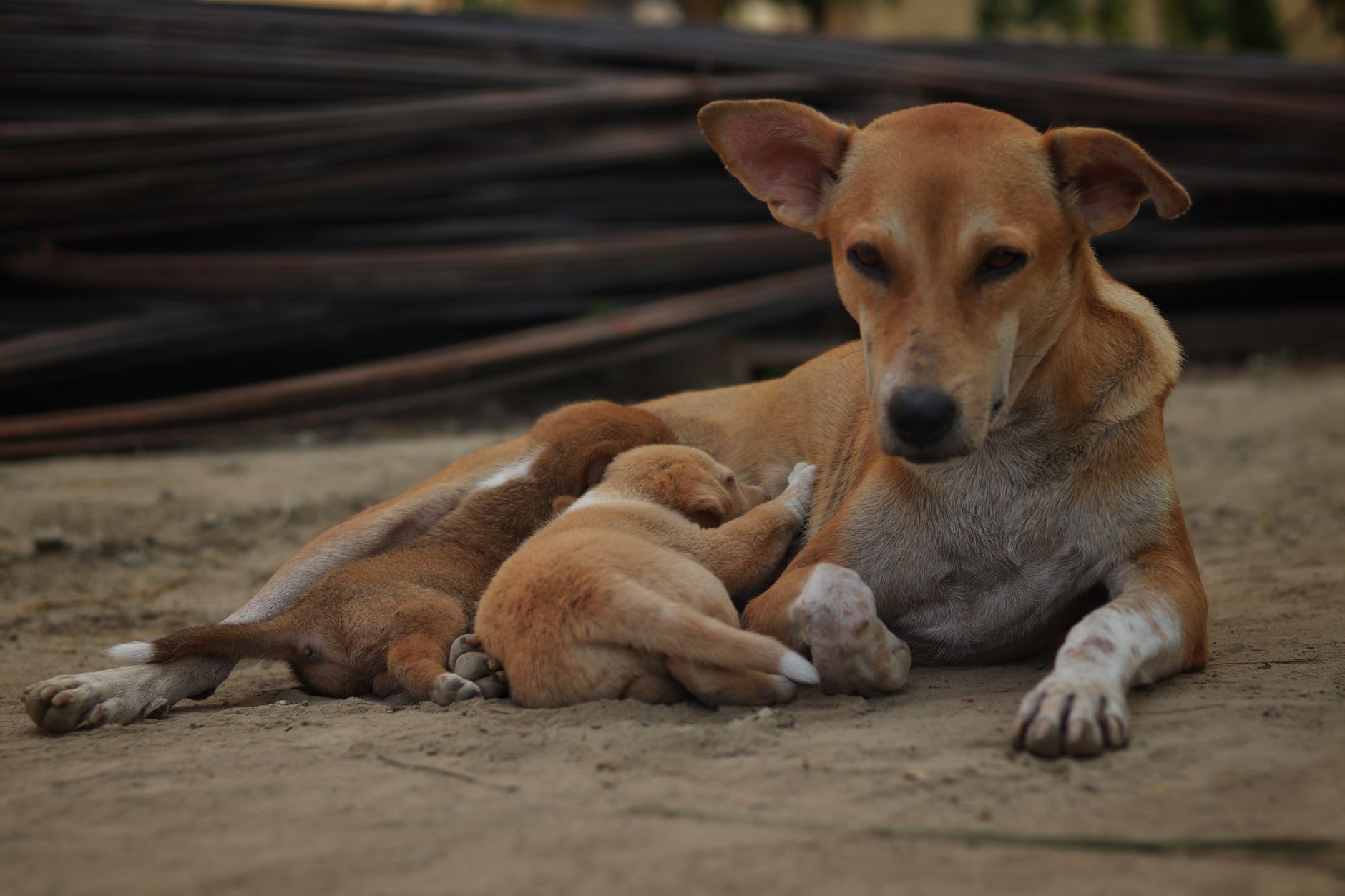
Do Dog Moms Recognize Their Puppies? A Mother’s Love Knows Best
Yes, dog moms do recognize their puppies, primarily through scent and sound, even after periods of separation. The bond is powerful, though recognition can be influenced by factors like age and familiarity.

Understanding the Maternal Bond in Canines
The maternal bond is a fundamental aspect of canine behavior, ensuring the survival and well-being of newborn puppies. It’s a complex interplay of hormones, instincts, and learned behaviors. Understanding this bond is crucial to understanding how a dog mom recognizes her young.
The Science Behind Recognition

- Scent: A dog’s sense of smell is far superior to that of a human. Pheromones and unique scent profiles allow a mother dog to identify her puppies, even in a crowded environment.
- Sound: Puppies have distinct vocalizations. A mother can differentiate her offspring by their individual cries and whimpers.
- Sight: While not the primary sense used for recognition, a mother dog can learn to identify her puppies visually, especially in conjunction with scent and sound cues.
How the Recognition Process Works
The recognition process isn’t instantaneous. It develops over time as the mother cares for her pups.
- Initial Imprinting: Immediately after birth, the mother dog begins to imprint on her puppies through scent and sound.
- Constant Reinforcement: Continuous interaction reinforces the recognition. Nursing, grooming, and general proximity all contribute to the bond.
- Memory Formation: As the puppies grow, the mother dog forms memories associated with their unique characteristics.
- Reacting to Distress Signals: The mother is especially tuned to distress signals from her puppies, demonstrating her ability to discern them from others.
Factors Affecting Recognition
Several factors can impact a mother dog’s ability to recognize her puppies:
- Age: As puppies get older, their scents and vocalizations change, potentially making recognition more challenging, especially if they’ve been separated.
- Separation: Prolonged separation can weaken the bond and hinder recognition. The longer the separation, the more difficult it may be.
- Environment: A stimulating and complex environment with many smells and sounds can make it harder for a mother to single out her puppies.
- Breed: While not definitively proven, some anecdotal evidence suggests breed may play a role, with some breeds displaying stronger maternal instincts than others.
Comparing Senses: Human vs. Canine
| Sense | Human | Canine |
|---|---|---|
| Smell | Relatively weak | Extremely sensitive |
| Hearing | Moderate | Excellent |
| Sight | Primary sense | Important, but secondary |
| Touch | Important | Important |
| Taste | Limited | Even more limited |
This table illustrates the vast difference in olfactory capabilities, highlighting why scent is paramount for canine maternal recognition.
Evidence from Research
Research into canine behavior continues to reveal insights into the maternal bond. Studies have shown measurable physiological responses in mother dogs when exposed to the scent of their puppies, further supporting the idea that dog moms do recognize their offspring. While direct brain scans proving recognition are challenging, behavioral observations strongly suggest it.
Common Misconceptions
- All dogs are naturally maternal: While most are, some dogs, especially first-time mothers or those with certain temperament issues, may not immediately bond with their puppies.
- Mother dogs don’t care after weaning: While the intensity of the bond may lessen, recognition can persist, especially with continued interaction.
- One puppy looks the same as any other: Mother dogs can distinguish between individual puppies, even those that appear very similar to human eyes.
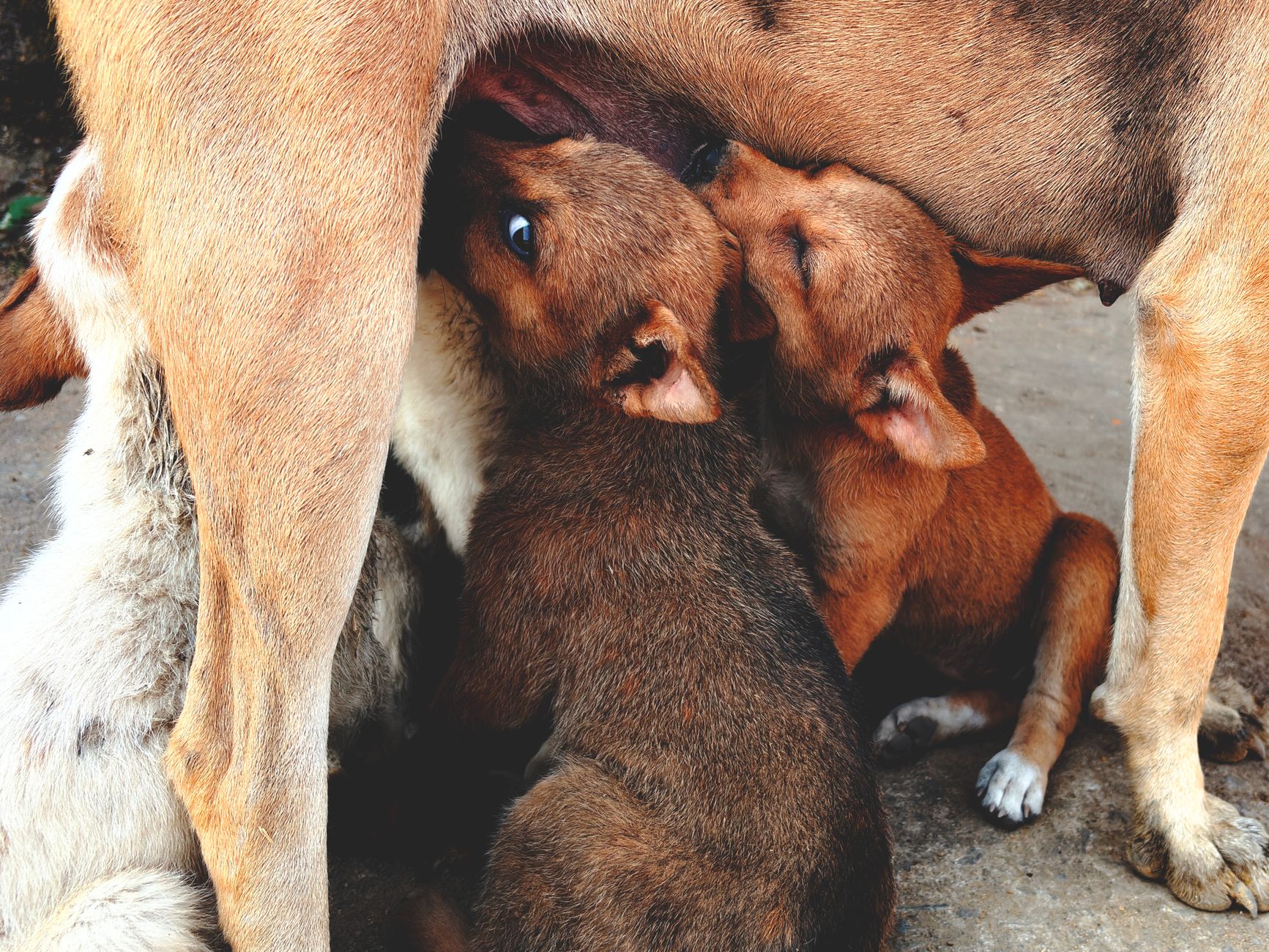
Frequently Asked Questions about Maternal Recognition in Dogs
Does a dog mom forget her puppies after a while?
While the intensity of the maternal bond may decrease over time, particularly after weaning and separation, studies suggest that recognition can persist. The duration of recognition depends on factors like the frequency of interaction and the length of separation.
Can a dog mom tell the difference between her puppies and other puppies?
Yes, a dog mom can typically distinguish her puppies from others, primarily through scent and sound cues. This is essential for providing targeted care and protection to her own offspring.
What happens if a puppy is taken away from its mother too early?
Early separation can have negative consequences for both the mother and the puppy. The puppy may experience developmental issues, while the mother may exhibit signs of distress and anxiety. Responsible breeders ensure puppies stay with their mothers for at least eight weeks.
How important is scent in a dog mom’s recognition of her puppies?
Scent is paramount in maternal recognition. Mother dogs rely heavily on their keen sense of smell to identify and differentiate their puppies. Pheromones and unique scent profiles play a crucial role.
Do all mother dogs exhibit the same level of recognition towards their puppies?
No, the level of recognition and maternal care can vary depending on individual factors such as breed, temperament, and prior experience. First-time mothers may exhibit less instinctive behavior compared to experienced mothers.
Can a dog mom recognize her puppy if it’s covered in a different scent?
While masking scents can temporarily confuse a mother dog, she will likely still recognize her puppy, especially if she is already familiar with its unique scent. Prolonged masking may, however, weaken the recognition over time.
How does a dog mom react when she reunites with her puppies after a long separation?
Reunions can elicit a range of responses, from enthusiastic greetings and affectionate licking to more subdued, curious sniffing. The specific reaction depends on the length of the separation and the individual dog’s personality.
Is there a specific age when puppies are no longer recognized by their mother?
There is no definitive age, but as puppies mature and their scents and vocalizations change, recognition may become less certain, especially after prolonged separation. Regular interaction helps maintain the bond.
Do human scents interfere with a dog mom’s ability to recognize her puppies?
Excessive handling of puppies by humans can potentially transfer human scents, which might temporarily confuse a mother dog. However, the mother’s strong maternal instincts and her puppies’ inherent scent will usually prevail. It is always best to wash your hands before handling the puppies.
Can other dogs in the household tell that a dog mom recognizes her puppies?
Other dogs may pick up on the subtle cues of the maternal bond, such as the mother dog’s protective behavior and preferential treatment towards her puppies. They may exhibit submissive behaviors or avoid interfering with the mother-pup interactions.
What are some signs that a dog mom recognizes her puppies?
Signs include:
- Providing preferential care and attention (nursing, grooming).
- Responding to their specific distress signals.
- Displaying protective behavior towards them.
- Exhibiting signs of excitement or calmness upon reunion.
Does spaying or neutering a dog mom affect her ability to remember her puppies?
Spaying or neutering does not erase the memory of her puppies. However, it may impact hormonal influences on maternal behaviors, potentially leading to a decrease in the intensity of the bond over time if they are separated.