
Do Deer Have Veins in Antlers? Exploring the Vascular System of Growing Antlers
The answer is a resounding yes. Growing deer antlers are not solid bone; they are living tissue richly supplied with blood vessels, including veins, that facilitate rapid growth and nutrient delivery.

The Marvel of Antler Growth: A Vascular Phenomenon
Antlers, unique to the deer family (Cervidae), are bony outgrowths from the skull that are shed and regrown annually by most species. This incredible feat of regeneration relies heavily on a sophisticated vascular system. Do deer have veins in antlers? Understanding this question requires delving into the complexities of antler development.
Antler Development: A Stage-by-Stage Look

Antler growth is a cyclical process, hormonally driven and linked to the seasons. It can be broken down into several distinct stages:
- Initiation: Triggered by increasing daylight, the pituitary gland stimulates testosterone production. This initiates the growth of antlers from pedicles, bony protrusions on the skull.
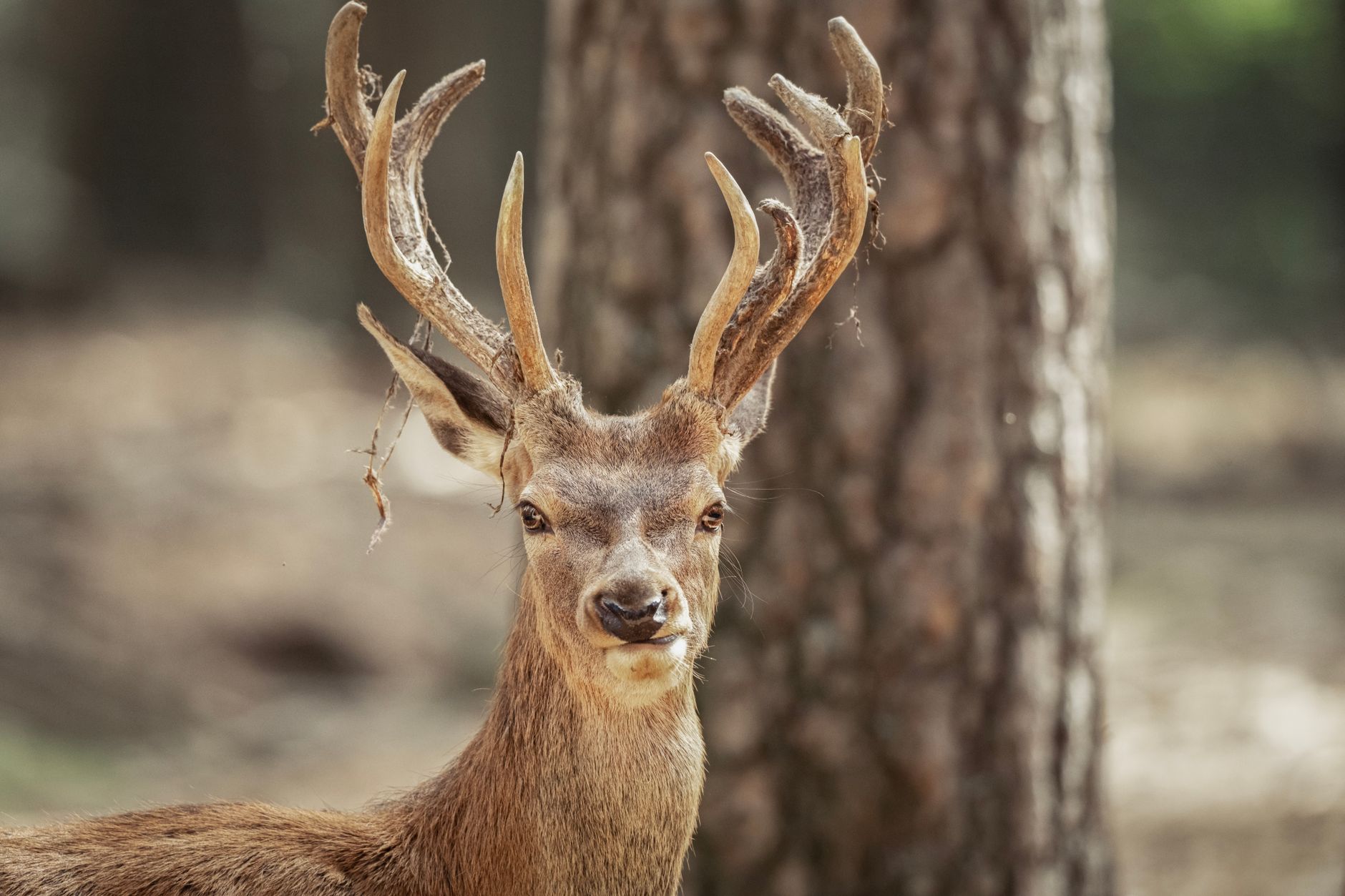
- Rapid Growth: During this phase, antlers are covered in a soft, velvety skin richly supplied with blood vessels. This velvet provides nutrients and oxygen necessary for rapid bone deposition. Do deer have veins in antlers? The velvet contains a dense network of both arteries and veins.
- Mineralization: As testosterone levels peak, the velvet begins to dry and peel off. Blood flow to the antler ceases, and the bone hardens and mineralizes.
- Hard Antler: The fully developed, hard antlers are dead bone. They are used for display and combat during the mating season (rut).
- Shedding: After the rut, decreasing testosterone levels weaken the connection between the antler and the pedicle, causing the antler to be shed.
The Role of the Velvet: A Vascular Highway
The velvet is critical to antler growth. It’s not just skin; it’s a complex structure filled with blood vessels, nerves, and other tissues. The blood vessels within the velvet, including veins, deliver crucial nutrients and minerals like calcium and phosphorus to the growing bone. This is why damaged velvet can result in deformed or stunted antlers.
Arteries and Veins: A Balanced System
While arteries deliver oxygenated blood and nutrients to the growing antler tissue, veins are equally important. They are responsible for removing waste products and deoxygenated blood, ensuring a healthy environment for bone deposition. The balance between arterial inflow and venous outflow is critical for optimal antler growth.
Common Misconceptions about Antlers
One common misconception is that hard antlers are living tissue. Once the velvet is shed and the antler is fully mineralized, it becomes dead bone, similar to our own bones, but external. Another myth is that all deer grow antlers annually. Only males (with the exception of female reindeer/caribou) grow antlers, and some species in tropical climates may not shed their antlers annually.
The Importance of Minerals for Antler Growth
The mineral composition of antlers is primarily calcium and phosphorus. Deficiencies in these minerals can lead to poorly developed antlers. Deer obtain these minerals through their diet, and areas with mineral-rich soils tend to produce deer with larger antlers. Supplements, such as mineral licks, can also support antler growth, ensuring that the velvet has the nutrients needed for the blood circulating to create strong, healthy antlers.

Table: Comparison of Velvet Antler vs. Hard Antler
| Feature | Velvet Antler | Hard Antler |
|---|---|---|
| Tissue Type | Living tissue, covered in velvet | Dead bone |
| Blood Supply | Richly vascularized (arteries & veins) | Avascular (no blood supply) |
| Nerve Supply | Present | Absent |
| Function | Growth and nutrient delivery | Display, combat |
| Shedding | No | Yes |
Frequently Asked Questions (FAQs)
Are antlers made of bone?
Yes, antlers are made of bone. They are composed primarily of calcium phosphate, the same mineral that makes up our own bones. The initial growth of antlers is cartilage, which is then gradually replaced by bone.
Why do deer shed their antlers?
Antler shedding is controlled by hormones, specifically testosterone. As testosterone levels decline after the breeding season, the connection between the antler and the pedicle weakens, leading to shedding.
Do female deer grow antlers?
Generally, only male deer grow antlers. However, female reindeer (caribou) also grow antlers. In rare cases, hormonal abnormalities can cause female deer of other species to grow small, deformed antlers.
What is velvet antler used for?
Velvet antler has been used in traditional medicine for centuries, particularly in Asian cultures. It is believed to have various health benefits, including improving athletic performance, boosting the immune system, and treating arthritis. However, scientific evidence supporting these claims is limited.
How fast do deer antlers grow?
Antlers can grow incredibly fast, sometimes adding inches of length per day during the peak growth period. This makes antlers one of the fastest-growing tissues in the animal kingdom.
What factors affect antler size?
Antler size is influenced by several factors, including genetics, age, nutrition, and overall health. Deer with good genetics, access to high-quality food, and no underlying health problems tend to grow larger antlers.
What is the purpose of antlers?
Antlers serve primarily as a display of dominance and fitness during the breeding season. Males use their antlers to compete for mates, engaging in fights or displays of strength.
Can deer feel pain in their antlers?
While growing antlers are covered in velvet, which contains nerves, the mature, hard antlers are dead bone and do not have nerve endings. Therefore, deer cannot feel pain in their hard antlers.
How are antlers different from horns?
Antlers and horns are both head appendages, but they differ significantly in structure and growth. Antlers are made of bone and are shed annually, while horns are made of keratin (the same material as our fingernails) and are permanent. Horns also have a bony core, but it is covered by a keratin sheath.
What happens if a deer damages its velvet antler?
Damaging velvet antler can disrupt blood flow and nutrient supply to the growing antler, potentially resulting in deformed or stunted antler growth. Infections can also occur.
How many points do deer antlers typically have?
The number of points on deer antlers varies depending on the species, age, and genetics of the deer. Some species, like whitetail deer, can have numerous points, while others, like mule deer, tend to have fewer.
What are the arteries and veins in antlers called?
While specific names for the major arteries and veins in deer antlers may vary depending on the source, generally, the main arterial supply is referred to as the antler artery or supraorbital artery branching into a network. The corresponding veins are part of the venous network that drains blood from the antler. Do deer have veins in antlers? Yes, and these veins are critical to the overall antler growth.