

Do Coyotes Eat Dogs? Unveiling the Truth About Canine Interactions
Yes, coyotes can and sometimes do eat dogs, particularly smaller breeds. However, the primary threat coyotes pose to dogs is not usually predation but rather territorial disputes, resulting in injury or even death.

The Coyote Landscape: Understanding the Predator
Coyotes (Canis latrans) are highly adaptable canids found throughout North America, thriving in diverse environments, from wilderness areas to suburban neighborhoods. Their presence in close proximity to humans and their pets has inevitably led to increased interaction, sometimes with tragic consequences. Understanding coyote behavior and ecology is crucial to mitigating potential conflicts.
Coyote Diet: An Opportunistic Omnivore
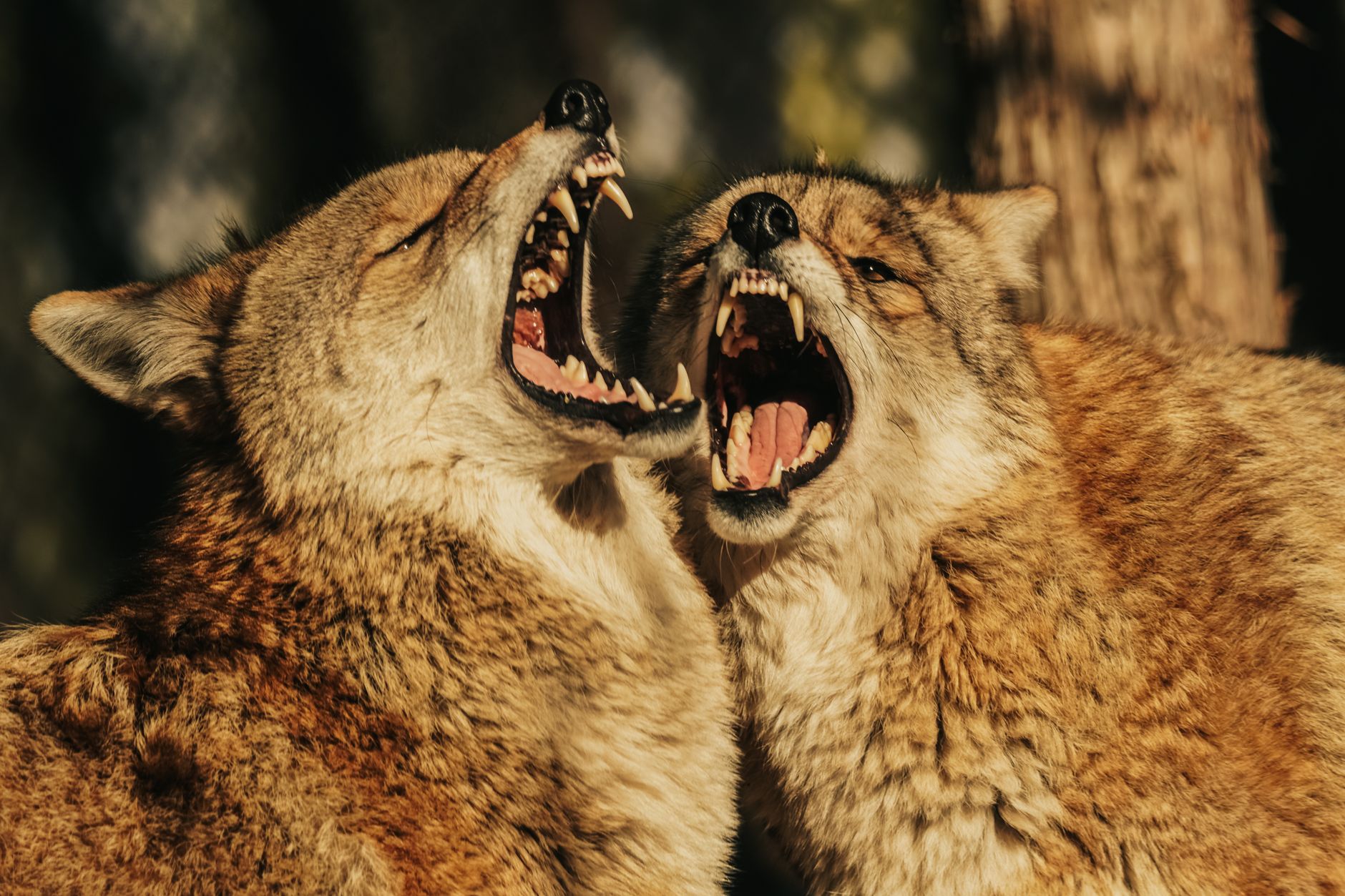
Coyotes are opportunistic omnivores, meaning they consume a wide variety of foods based on availability. Their diet primarily consists of:
- Small mammals (rodents, rabbits)
- Birds
- Insects
- Fruits and vegetables
- Carrion (dead animals)
While small pets, including cats and dogs, can occasionally be part of their diet, they are not a coyote’s primary food source.
Territoriality and Conflict: The Real Danger
The more common threat to dogs isn’t consumption, but territorial aggression. Coyotes establish territories and aggressively defend them against intruders, including other canids like dogs. This can lead to:
- Chasing
- Biting
- Attacking, potentially resulting in serious injury or death, especially for smaller or weaker dogs.
- Group attacks: Coyotes sometimes hunt or defend territory in packs.
Size Matters: Vulnerability of Small Dogs
The size and breed of a dog significantly influence its vulnerability to coyote attacks. Smaller breeds are more likely to be perceived as prey, while larger breeds may be seen as a threat, leading to territorial disputes.
- Small breeds: Yorkies, Chihuahuas, and toy poodles are at higher risk of being targeted as prey.
- Medium breeds: Beagles, terriers, and spaniels may be involved in territorial disputes.
- Large breeds: German Shepherds, Rottweilers, and Huskies can deter coyotes but are still not immune to attack.
Minimizing the Risk: Protective Measures
Several proactive measures can reduce the risk of coyote-dog conflict:

- Keep dogs on a leash: This allows for better control and prevents them from wandering into coyote territory.
- Supervise pets in unfenced areas: Never leave dogs unattended, especially at dawn and dusk, when coyotes are most active.
- Install fencing: A tall, sturdy fence can deter coyotes from entering your property. The fence should be at least 6 feet tall and extend at least 12 inches below ground to prevent digging.
- Eliminate food sources: Secure garbage cans, clean up fallen fruit, and avoid leaving pet food outdoors.
- Use deterrents: Motion-activated lights, noise-making devices, and coyote rollers on fences can discourage coyotes.
- Hazing: If you encounter a coyote, make loud noises, wave your arms, and throw objects to scare it away. Do not turn your back or run.
Myth vs. Reality: Separating Fact from Fiction
The idea that coyotes are constantly hunting dogs is largely a myth. While they are predators, they are more likely to scavenge or hunt smaller prey. Understanding this difference is essential for effective prevention. Overstating the danger can lead to unnecessary fear and potentially harmful actions against coyotes.
Reporting Coyote Encounters: Documenting and Alerting
Reporting coyote sightings and encounters to local animal control or wildlife agencies can help track coyote activity and implement appropriate management strategies. Accurate information is critical for understanding coyote behavior and developing effective prevention measures.
Frequently Asked Questions (FAQs)
Are coyotes more active at certain times of the day?
Yes, coyotes are crepuscular, meaning they are most active at dawn and dusk. This is when they primarily hunt. It is essential to be extra vigilant with your dogs during these times.
How can I tell if a coyote is aggressive?
Signs of aggressive behavior include staring, growling, snapping, and approaching without fear. If a coyote exhibits these behaviors, it is crucial to remain calm and assertively attempt to scare it away.
Can a large dog successfully defend itself against a coyote?
While a large dog may be able to defend itself, there is always a risk of injury. Even large dogs can be overwhelmed by a pack of coyotes. Supervision is always the best protection.
Do coyotes hunt in packs?
Coyotes sometimes hunt in packs, especially during breeding season or when prey is scarce. Pack hunting can increase their success in taking down larger prey or defending territory.
Are coyote attacks on humans common?
Coyote attacks on humans are rare. Most incidents occur when coyotes have become habituated to humans or are defending their pups.
What should I do if I see a coyote near my dog?
Keep your dog on a leash and slowly back away. Make loud noises and wave your arms to scare the coyote away. Report the sighting to local animal control.
Is it safe to let my dog play off-leash in a fenced yard?
While a fence can provide some protection, coyotes can jump over or dig under fences. It is always best to supervise your dog, especially if you live in an area with a known coyote population.
How can I make my property less attractive to coyotes?
Remove potential food sources, such as fallen fruit, pet food, and unsecured garbage. Install motion-activated lights and noise-making devices.
Do coyotes carry diseases that can affect dogs?
Yes, coyotes can carry diseases such as rabies, distemper, and parvovirus, which can be transmitted to dogs. Keep your dog up-to-date on its vaccinations. They can also carry parasites such as heartworm.
Are there any specific breeds of dogs that coyotes are more likely to target?
Smaller breeds, such as Yorkies, Chihuahuas, and toy poodles, are generally more vulnerable to coyote attacks due to their size.
How often Do coyotes eat dogs?
While difficult to quantify precisely, predation by coyotes on dogs is relatively infrequent compared to other sources of conflict. Territorial disputes are a far more common reason for injury or death.
What should I do if my dog is attacked by a coyote?
Seek immediate veterinary care for your dog. Report the incident to local animal control or wildlife authorities.