

Do Coyotes Accept Dogs? Unveiling the Complex Relationship
Do coyotes accept dogs? The relationship between coyotes and dogs is complex and generally, the answer is no. While interactions can occur, they are more likely to be aggressive or territorial than friendly.

Understanding the Coyote-Dog Dynamic
The question of whether do coyotes accept dogs is multifaceted and depends on several factors. Coyotes are wild canids with complex social structures and territorial instincts. Dogs, while domesticated, still retain some of their ancestral canid behaviors. This overlap, coupled with differing survival strategies, creates a dynamic filled with potential for both conflict and, occasionally, surprising alliances.
Coyotes: Territoriality and Pack Structure
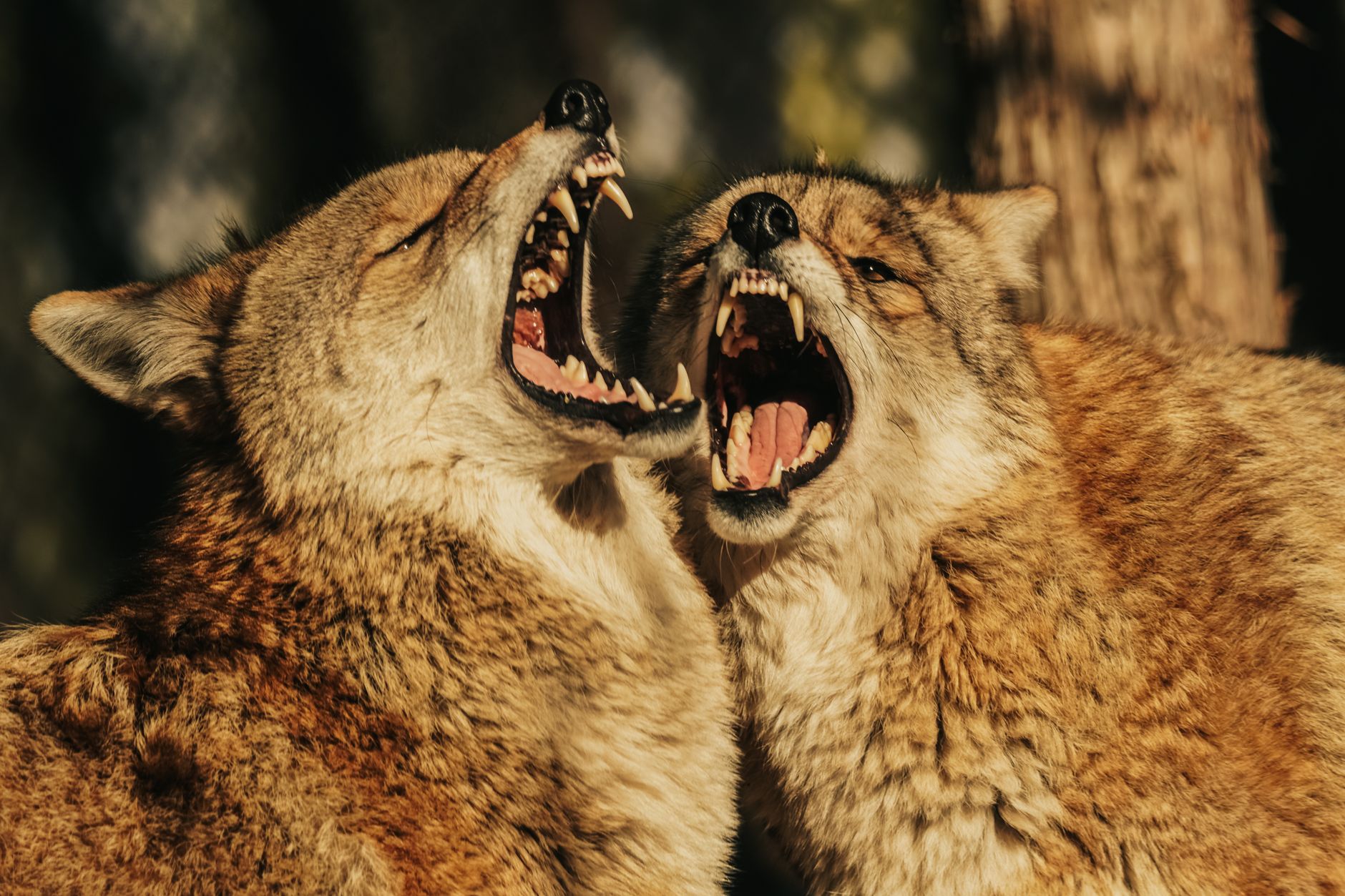
Coyotes are highly territorial animals, especially during breeding season (typically January to March). They establish and defend territories to ensure access to resources like food and denning sites. Their pack structure usually consists of a breeding pair and their offspring. Intruders, including dogs, are often seen as a threat.
Dogs: Domestication vs. Instinct
Dogs, descended from wolves, share a common ancestry with coyotes. However, domestication has significantly altered their behavior and social structure. While some dogs may retain strong pack instincts, their behavior is largely influenced by their human owners and training. Their interactions with coyotes can vary widely depending on breed, size, and individual personality.
Potential Scenarios: Conflict and Cooperation
While outright acceptance is rare, the relationship between coyotes and dogs isn’t always hostile. Potential scenarios include:
- Aggression: Coyotes may attack dogs, particularly smaller breeds, viewing them as prey. Larger dogs can also be targets if they are perceived as a threat to the coyote’s territory or young.
- Territorial Defense: Coyotes may chase or harass dogs that enter their territory to drive them away. This is more common during breeding season.
- Allo-Parenting (Rare): Anecdotal evidence suggests rare instances where coyotes have been seen caring for orphaned puppies or vice-versa. These are highly unusual and not representative of typical coyote behavior.
- Hybridization: Coyotes and dogs can interbreed, resulting in hybrids known as “coydogs.” However, this is relatively uncommon due to behavioral differences and timing of breeding cycles.
- Luring and Predation: Coyotes have been known to lure dogs away from their homes, often to their detriment. This is especially true for smaller dogs.
Factors Influencing Interactions
Several factors play a role in determining how do coyotes accept dogs:
- Size of the Dog: Smaller dogs are more vulnerable to predation by coyotes.
- Location: Interactions are more likely in areas where coyote populations are high and human development encroaches on their habitat.
- Time of Year: Breeding season increases territorial aggression.
- Dog’s Behavior: A dog that chases or barks at coyotes is more likely to provoke a negative response.
- Coyote Population Density: Higher coyote densities increases competition for resources, thus increasing the chance of encounters.
Mitigating the Risk of Coyote-Dog Encounters
Taking preventative measures is crucial to protecting your dog from coyotes:
- Keep Dogs Leashed: When walking in areas known to have coyotes, always keep your dog on a leash.
- Avoid Walks at Dawn and Dusk: Coyotes are most active during these times.
- Supervise Dogs in the Yard: Never leave your dog unattended in the yard, especially at night.
- Haze Coyotes: If you encounter a coyote, make loud noises, wave your arms, and throw objects to scare it away.
- Secure Food Sources: Do not leave pet food or water outside, as this can attract coyotes.
- Consider Fencing: A tall, sturdy fence can deter coyotes from entering your property.
- Install Motion-Activated Lights: These can startle coyotes and discourage them from approaching your home.
The Impact on Ecosystems
Understanding the interaction between do coyotes accept dogs or not, also impacts ecosystem health. Hybridization, while rare, can dilute the genetic integrity of coyote populations. Furthermore, competition for resources between coyotes and feral dogs can affect the distribution and abundance of other wildlife species.
| Factor | Impact on Coyote-Dog Interaction |
|---|---|
| Dog Size | Smaller dogs more vulnerable |
| Time of Year | Breeding season = increased aggression |
| Human Activity | Increased interactions near human settlements |
| Food Scarcity | More agression |

Frequently Asked Questions About Coyote-Dog Interactions
What should I do if I see a coyote in my yard?
Stay calm. Do not approach the coyote. Make loud noises, wave your arms, and throw objects to scare it away. Bring your pets inside immediately. If the coyote is aggressive or poses a threat, contact your local animal control. Remember to never feed or give water to the coyote.
Are some dog breeds more vulnerable to coyote attacks?
Yes, smaller dog breeds, such as Chihuahuas, Yorkshire Terriers, and Pomeranians, are more vulnerable to coyote attacks because they are seen as easier prey. However, even larger dogs can be at risk if they are outnumbered or perceived as a threat to the coyote’s territory or young.
Can coyotes and dogs ever be friends?
While it is extremely rare, there have been anecdotal reports of coyotes and dogs forming temporary bonds. However, these situations are highly unusual and should not be relied upon. The overwhelming majority of interactions are characterized by conflict or avoidance.
What are the signs that a coyote is aggressive towards my dog?
Signs of aggression include direct staring, snarling, growling, snapping, and lunging. The coyote may also lower its body, flatten its ears, and wag its tail stiffly. If you observe any of these behaviors, immediately remove your dog from the area.
Are coyotes more likely to attack dogs in urban or rural areas?
Coyotes can be found in both urban and rural areas. In urban areas, they may be more accustomed to humans and less fearful, which can increase the likelihood of encounters with dogs. In rural areas, their territory and hunting ranges often overlap with residential areas, also increasing the risk.
Do coyotes hunt in packs?
While coyotes can hunt in packs, especially during the winter months when food is scarce, they often hunt alone or in pairs. Pack hunting is more common when targeting larger prey, such as deer. Pack dynamics do not always include accepting non-pack member animals such as stray dogs.
How can I tell if my dog has been attacked by a coyote?
Signs of a coyote attack include bite wounds, scratches, and puncture marks. Your dog may also be limping, vocalizing in pain, or exhibiting signs of shock. If you suspect your dog has been attacked, seek veterinary care immediately.
What role does scent play in coyote-dog interactions?
Scent plays a significant role. Coyotes use scent marking to establish and defend their territories. Dogs, with their keen sense of smell, are able to detect these scent markings and may react defensively, leading to conflict.
Are there any preventative measures I can take beyond leashes and fences?
Yes. Consider using coyote vests or other protective gear for your dog, especially if you live in an area with a high coyote population. You can also try using motion-activated sprinklers to deter coyotes from entering your yard. Regular patrols of your property, especially at night, can also help.
Do coyotes mate with dogs? What are the offspring like?
Coyotes and dogs can interbreed, producing offspring known as “coydogs.” However, this is relatively uncommon due to differences in breeding cycles and behavior. Coydogs typically exhibit a mix of coyote and dog traits, including physical appearance and behavioral characteristics. These animals usually have a lower life expectancy.
How do I teach my dog to avoid coyotes?
Train your dog to obey recall commands reliably. Teach your dog to “leave it” on command. These commands can be vital in preventing your dog from approaching or interacting with coyotes. Practice these commands regularly in a safe, controlled environment.
Is it ever safe to let my dog interact with a coyote?
No. It is never safe to let your dog interact with a coyote. Even seemingly friendly interactions can quickly turn aggressive. Coyotes are wild animals with unpredictable behavior, and the risk of harm to your dog is always present. Safety should be the top priority for you and your pet.