

Do Cats and Possums Fight? Understanding Feline-Marsupial Interactions
Do cats and possums fight? The answer is nuanced: While direct, violent conflict is not always the outcome, the potential for fighting exists, driven by competition and perceived threats to territory or safety.

Introduction: Decoding the Cat-Possum Dynamic
The question of whether cats and possums engage in physical altercations is a common one, especially for homeowners who share their property with both species. These two very different creatures—one a meticulous hunter and the other a resourceful scavenger—often find themselves in close proximity, leading to curiosity, apprehension, and sometimes, confrontation. Understanding their behaviors and motivations is crucial to predicting and potentially preventing unwanted interactions. This article delves into the complex relationship between cats and possums, exploring the factors that influence their encounters and outlining strategies for peaceful coexistence.
Understanding the Players: Cats and Possums
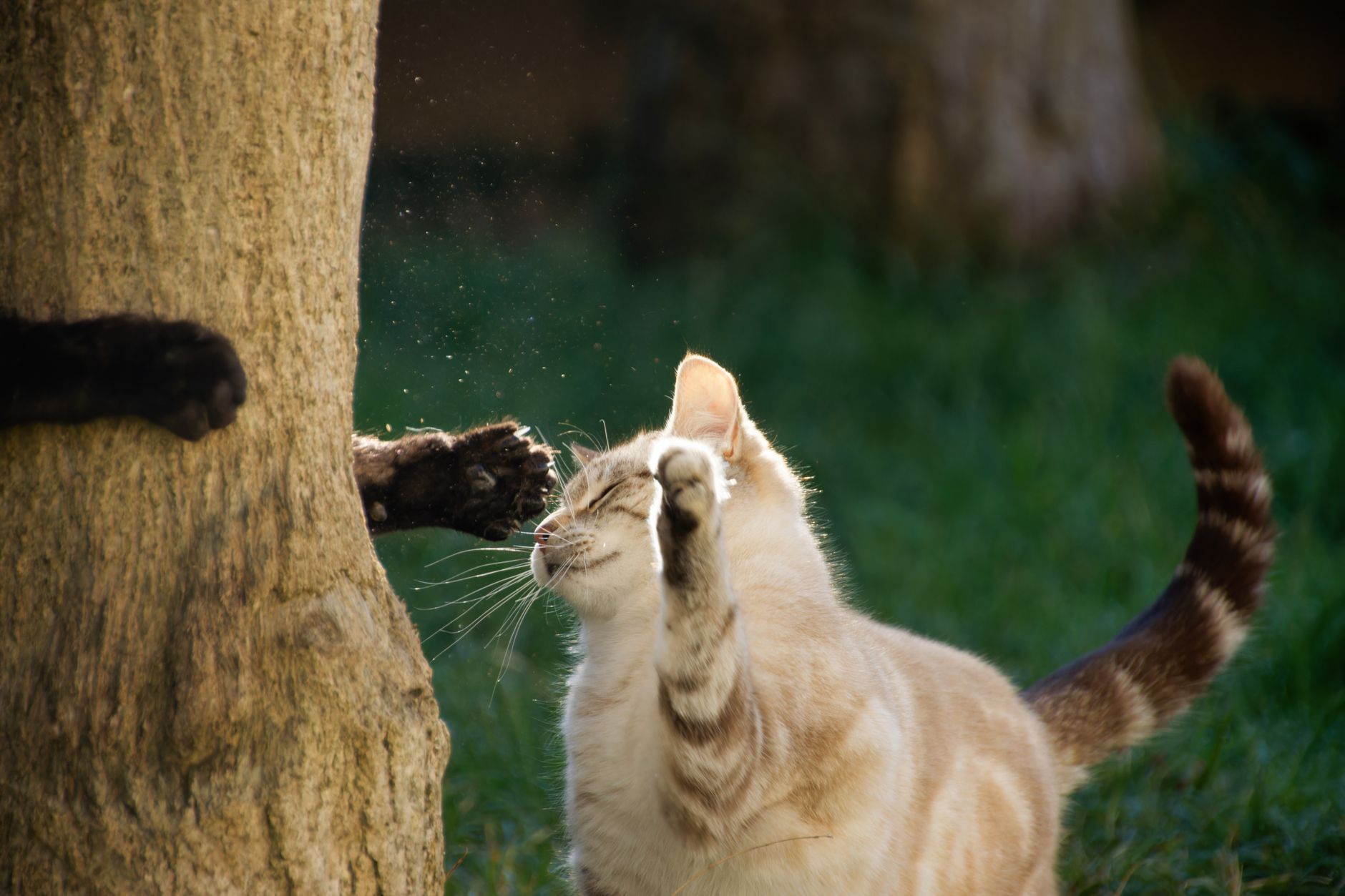
To understand whether cats and possums fight, it’s important to know a bit about each animal:
-
Cats (Felis catus): Cats are obligate carnivores, meaning their diet consists primarily of meat. They are known for their hunting prowess, territoriality, and agility. Their behavior ranges from playful and affectionate to aloof and aggressive, depending on their individual personality and experiences.
-
Possums (Didelphis virginiana): Possums are the only marsupials native to North America. They are omnivores, with a diet including insects, fruits, vegetables, and even carrion. Possums are generally nocturnal and are known for their “playing possum” defense mechanism, where they feign death to deter predators.
Factors Influencing Cat-Possum Interactions
Several factors determine whether cats and possums fight, or peacefully coexist.
-
Territoriality: Cats are highly territorial animals, and they will defend their perceived territory from intruders. If a possum enters a cat’s territory, the cat may view it as a threat and attempt to drive it away.
-
Food Resources: Competition for food can also lead to conflict. If cats and possums are competing for the same food sources, such as pet food left outdoors, the likelihood of fighting increases.
-
Size and Aggression: The size and temperament of both animals play a role. A large, aggressive cat is more likely to initiate a fight with a possum, while a smaller or more timid cat may choose to avoid confrontation. Conversely, a larger, more confident possum might stand its ground.
-
Habituation: Repeated exposure to each other can lead to habituation, where the cats and possums become accustomed to each other’s presence and learn to coexist peacefully. This is more likely if they have consistent, non-threatening interactions.
Types of Encounters: From Curiosity to Conflict
The interaction between cats and possums fight can range from simple curiosity to aggressive confrontation.
-
Curiosity: A cat may simply be curious about a possum and approach it cautiously to investigate. This often involves sniffing and observing the possum from a distance.
-
Chasing: A cat may chase a possum out of its territory. This is a common behavior, particularly if the cat views the possum as an intruder.
-
Confrontation: In some cases, the cats and possums fight. This can involve hissing, spitting, swatting, and even biting. These fights are usually brief and rarely result in serious injury. Possums are surprisingly resilient and, despite their seemingly docile nature, can defend themselves quite effectively.
Signs of a Cat-Possum Fight
- Agitated hissing or growling from your cat.
- Visible injuries on either animal, such as scratches or bite marks.
- Tufts of fur or blood in the area where the encounter occurred.
- Unusual behavior from your cat, such as hiding or acting fearful.
Preventing Conflict: Tips for Peaceful Coexistence
While it’s impossible to guarantee that cats and possums fight won’t happen, here are steps you can take:
- Remove Food Sources: Keep pet food indoors or in secure containers. Clean up any spilled food or garbage that might attract possums.
- Secure Your Property: Seal any holes or openings in your home or shed that possums could use as shelter.
- Supervise Outdoor Cats: Keep an eye on your cat when it’s outside, especially at night. Consider keeping your cat indoors, especially at night.
- Provide Safe Havens: Ensure that your cat has access to safe places where it can retreat if it feels threatened by a possum.
- Motion-Activated Deterrents: Motion-activated lights or sprinklers can deter possums from entering your yard.
Comparing Cat and Possum Attributes
| Feature | Cat (Felis catus) | Possum (Didelphis virginiana) |
|---|---|---|
| Diet | Carnivorous | Omnivorous |
| Activity | Diurnal/Nocturnal | Nocturnal |
| Temperament | Variable | Generally docile |
| Fighting Ability | Agile, sharp claws | Defensive posturing, teeth |
| Territory | Highly Territorial | Less Territorial |
| Defense Mechanism | Flight, Fight | Playing Possum, Defensiveness |

Frequently Asked Questions
Will a cat kill a possum?
While a cat could potentially kill a small or weakened possum, it is unlikely in most cases. Possums are surprisingly resilient and capable of defending themselves. More often, the encounter will result in a chase or a brief scuffle.
Are possums dangerous to cats?
Possums are generally not dangerous to cats. They are more likely to run away than to attack. However, they can bite or scratch if they feel threatened. The main concern is the potential transmission of diseases or parasites.
What should I do if I see my cat fighting with a possum?
The best course of action is to safely break up the fight. You can do this by making a loud noise, squirting water on the animals, or gently separating them with a broom. Avoid physically intervening, as you could get bitten or scratched.
Are possums attracted to cat food?
Yes, possums are attracted to cat food, especially if it’s left outdoors. This is a major reason why cats and possums fight.
Should I be worried about my cat catching diseases from a possum?
There is a potential risk of disease transmission. Possums can carry diseases such as leptospirosis, tuberculosis, and rabies (although rabies is rare in possums). It’s important to keep your cat vaccinated and to consult with your veterinarian if you suspect your cat has been exposed to a disease.
Do possums eat cats?
Possums are not predators of cats. They are primarily scavengers and omnivores. They are much more likely to eat insects, fruits, and vegetables than to attack a cat.
Are possums protected animals?
The protection status of possums varies by location. In some areas, they are considered protected animals, while in others, they are not. It’s important to check your local regulations before attempting to remove or relocate a possum.
How can I keep possums out of my yard?
To deter possums from entering your yard:
- Remove food sources.
- Secure your trash cans.
- Seal any openings in your home or shed.
- Trim tree branches that overhang your roof.
- Install motion-activated lights or sprinklers.
Will a fence keep possums out?
A fence can help deter possums, but they are excellent climbers. A fence will need to be tall and have an overhang to prevent them from climbing over it.
Is it safe to relocate a possum?
Relocating a possum is not recommended, as it can be stressful for the animal and may violate local regulations. Possums are also important for controlling insect populations. It’s generally better to focus on deterring them from entering your property in the first place.
What do I do if a possum is injured?
If you find an injured possum, contact a local wildlife rehabilitator. They have the expertise and resources to provide the possum with the care it needs.
What time of year are possums most active?
Possums are active year-round, but they are most active during the warmer months, when food is more abundant. You’re more likely to see them in the spring and summer.