
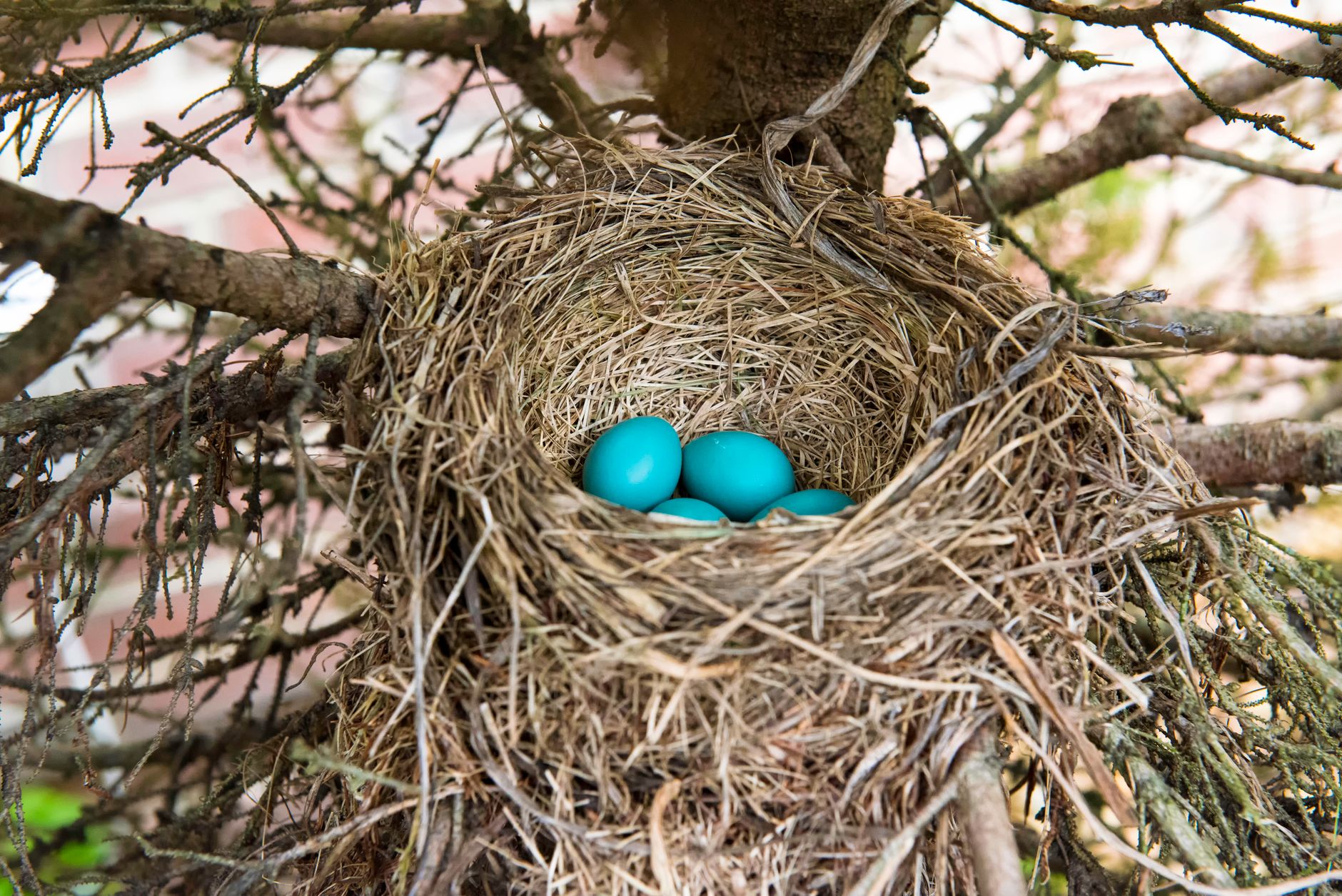
Do Birds Mourn Eggs? Understanding Avian Grief and Egg Loss
The question of whether birds mourn lost eggs is complex. While birds don’t express grief in the human sense, evidence suggests they exhibit behaviors indicating distress and altered behavior following egg loss, implying a form of emotional response. Do birds mourn eggs? is a question that science is still actively exploring.

Introduction: Beyond Instinct – The Emotional Lives of Birds
For centuries, birds were viewed primarily as creatures driven solely by instinct. Modern research, however, paints a far more nuanced picture of avian intelligence and behavior, revealing complex cognitive abilities and, potentially, even emotional depth. Do birds mourn eggs? Exploring this question allows us to delve into the fascinating and often surprising emotional lives of our feathered friends. This article will explore the science-backed behavioral responses birds exhibit when eggs are lost.
The Evolutionary Imperative: Parental Care and Reproductive Investment

Birds invest significant resources in reproduction. From building nests and laying eggs to incubating them diligently and feeding hatchlings, the process demands considerable time, energy, and risk. This high level of parental investment means that egg loss can have a significant impact on a bird’s reproductive success. The following factors contribute:
- Energy Expenditure: Egg production is metabolically costly.
- Time Investment: Incubation requires constant attention.
- Risk of Predation: Nests are vulnerable to predators.
- Future Reproduction: Lost eggs mean lost opportunities to pass on genes.
Behavioral Responses to Egg Loss: Signs of Distress
While definitively proving “mourning” in birds is challenging, behavioral observations reveal patterns suggesting a response to egg loss that goes beyond simple instinct. These behaviors can be grouped into several categories:
- Nest Attendance: Birds may continue to visit and sit on an empty nest for a period after the eggs are gone. This lingering behavior suggests attachment to the nest site and the lost eggs.
- Increased Vocalization: Some birds exhibit increased calling or changes in their vocalizations after egg loss, potentially indicating distress or communication with their mate.
- Aggression and Defense: Birds may become more aggressive towards potential threats, even in the absence of eggs, demonstrating a continued protective instinct.
- Nest Reconstruction: In some species, birds will immediately begin rebuilding a damaged or destroyed nest, showing a persistence in reproductive efforts.
- Changes in Foraging Behavior: Some studies indicate changes in foraging patterns after egg loss, suggesting altered priorities or stress.
Comparing Bird Behavior to Human Mourning: A Cautious Approach
It is important to avoid anthropomorphizing bird behavior. While we can observe similarities between avian responses to egg loss and human expressions of grief, the underlying mechanisms and emotional experiences are likely different. Human mourning involves complex cognitive processes, self-awareness, and an understanding of death, which may not be present in birds. However, this does not diminish the significance of observed behavioral changes in birds.
The Role of Hormones and Neurotransmitters: The Biological Basis of Grief?
The biological basis of grief in any species is complex and not fully understood. However, research suggests that hormones and neurotransmitters play a crucial role. Studies on other animals have shown that changes in levels of cortisol (a stress hormone), oxytocin (associated with bonding), and serotonin (involved in mood regulation) are associated with grief-like behaviors. It is plausible that similar hormonal and neurochemical changes occur in birds following egg loss, contributing to the observed behavioral changes. Further research is necessary.
Methodologies in Studying Avian Emotions: What the Scientists Do
Studying emotions in birds requires careful and ethical research methods. Observational studies are common, where researchers monitor bird behavior in their natural habitat. Experimental studies can be conducted in controlled environments, such as aviaries, to assess responses to specific stimuli, such as the removal of eggs. Technological advancements, such as biologging devices, allow researchers to track bird movements, vocalizations, and even physiological parameters, providing valuable data on their responses to different situations.

Common Misconceptions About Bird Behavior: Separating Fact from Fiction
Several common misconceptions exist about bird behavior, often stemming from anthropomorphism. One misconception is that birds are simple, instinct-driven creatures without any capacity for learning or emotion. Another is that all birds respond to egg loss in the same way. In reality, bird behavior is complex and varies greatly depending on species, individual personality, and environmental factors. Do birds mourn eggs? is still a topic under review, and generalizing based on limited observations is not effective.
Frequently Asked Questions (FAQs)
What is the definition of “mourning” in the context of animal behavior?
The term “mourning” is often used cautiously in animal behavior, as it implies a subjective emotional experience similar to human grief. Scientists typically use the term to describe behavioral changes observed after the loss of a conspecific, such as increased vigilance, altered vocalizations, or prolonged proximity to the deceased individual.
Do all bird species exhibit signs of distress after egg loss?
No, not all bird species respond to egg loss in the same way. The intensity and type of response can vary depending on the species, the stage of the breeding cycle, the number of eggs lost, and individual differences. Some birds may show very little behavioral change, while others may exhibit more pronounced signs of distress.
Can birds distinguish between their own eggs and the eggs of another bird?
Yes, many birds are capable of recognizing their own eggs. This ability is crucial for preventing brood parasitism, where other birds lay their eggs in the nests of other species. Birds may use visual cues, such as size, shape, color, and markings, to identify their own eggs.
What happens if a bird’s nest is destroyed completely?
If a bird’s nest is destroyed, the bird’s reaction depends on the stage of the breeding cycle and the bird’s resilience. Some birds will abandon the nesting site and seek a new location to build a new nest. Others will attempt to rebuild the nest in the same location, especially if the eggs were close to hatching.
Is it harmful to remove abandoned bird eggs from a nest?
Generally, it is best to leave abandoned bird eggs in the nest. Removing them can disrupt the bird’s natural processes and potentially interfere with their future breeding attempts. It’s usually difficult to tell if the eggs are truly abandoned, and it’s best to leave nature undisturbed.
Do male birds exhibit signs of mourning after egg loss?
Yes, both male and female birds can exhibit signs of distress after egg loss. Male birds often play a significant role in incubation and chick rearing, and they may experience similar emotional responses to females when eggs are lost.
How long do birds typically exhibit signs of distress after egg loss?
The duration of distress behaviors varies depending on the species and the individual bird. Some birds may only show signs of distress for a few hours or days, while others may exhibit altered behavior for several weeks. The duration may also depend on whether the bird is able to re-nest successfully.
Can stress from egg loss affect a bird’s future reproductive success?
Yes, chronic stress can negatively impact a bird’s future reproductive success. Stress hormones can interfere with egg production, incubation behavior, and chick rearing. Therefore, it is important to minimize disturbances to nesting birds.
Are there any ethical considerations when studying avian emotions?
Yes, ethical considerations are paramount when studying avian emotions. Researchers must ensure that their studies do not cause undue stress or harm to the birds. The use of minimally invasive techniques, such as observational studies and remote monitoring, is preferred.
How can humans help protect nesting birds and their eggs?
There are several ways humans can help protect nesting birds:
- Avoid disturbing nesting sites.
- Keep pets indoors or on a leash.
- Provide bird-friendly habitats in your yard.
- Support conservation organizations that protect bird habitats.
What are some examples of birds known to exhibit strong responses to egg loss?
While observations vary between individuals and species, some species noted for showing strong responses to egg loss include: American Robins, Black-billed Magpies, and various corvids. These species display increased vigilance, nest attendance, and vocalizations.
What is the most significant thing science has taught us about avian cognition and emotions?
One of the most significant revelations in recent years is the degree of cognitive complexity and social intelligence present in birds. They are not simply instinct-driven creatures. Do birds mourn eggs? The better question might be, “To what extent do birds experience distress in the loss of their eggs, and what can we learn from their reaction about the impact of loss on the lives of all animals, including humans?”