

Do Marine Turtles Have Their Backbone Attached to Their Shell? A Deep Dive
No, not all marine turtles have their backbone directly attached to the inside of their shell. While the vertebrae are fused to the carapace in many species, particularly sea turtles, some have varying degrees of connection, offering a fascinating look into evolutionary adaptations.
The Evolutionary Marvel of the Turtle Shell
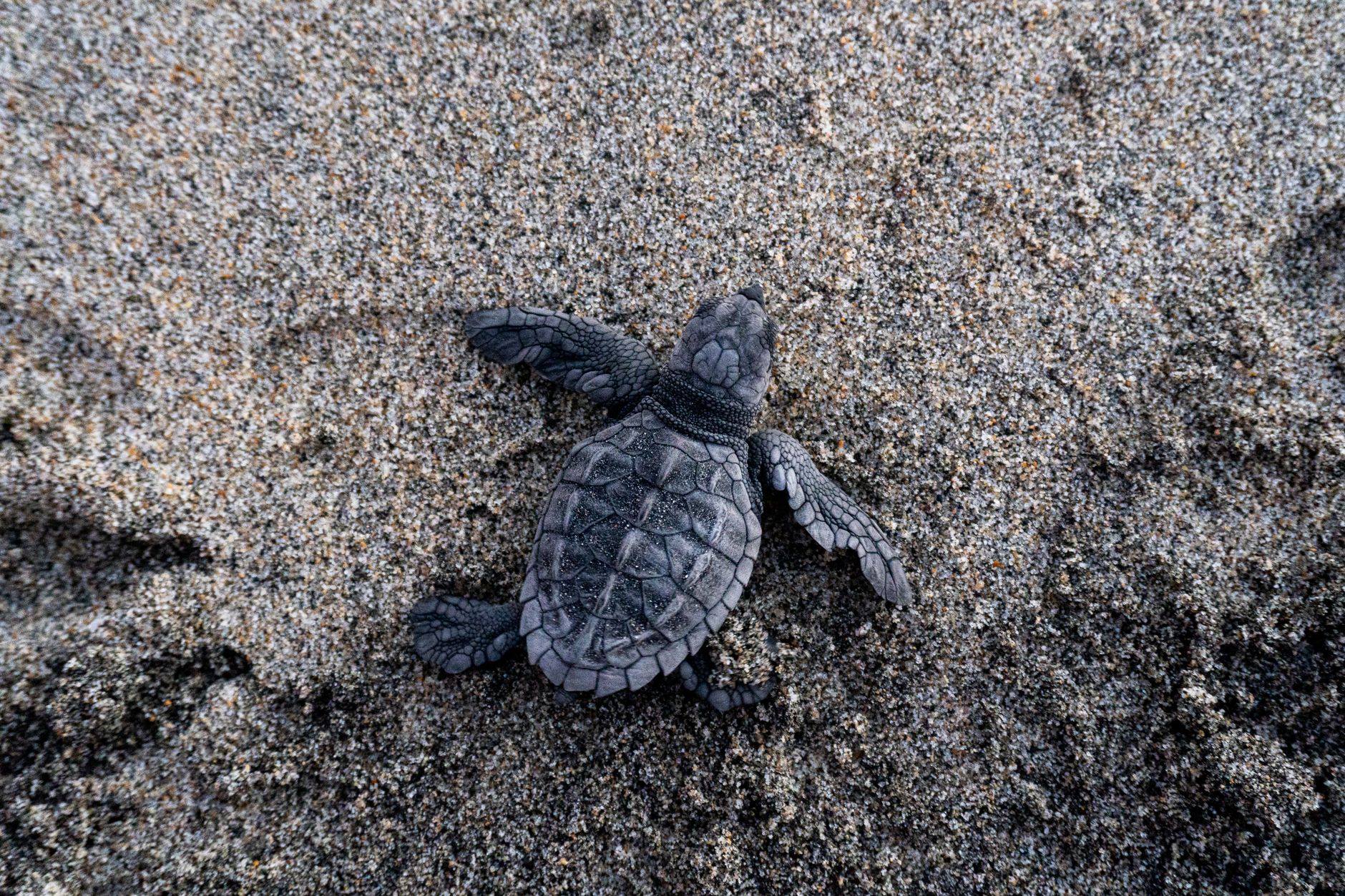
The turtle shell is a structure unlike any other in the animal kingdom. It’s not simply an external covering, but a complex composite of bone and modified skin. Understanding its origins and the unique way it interacts with the turtle’s skeleton is key to answering the question of whether the backbone is truly attached.
Bone and Carapace: A Tangled Tale

The turtle shell, or carapace, is formed from about 50 bones, including the ribs and vertebrae, which have broadened and fused together over millions of years. This process, known as ossification, creates a rigid protective shield. However, the extent of this fusion varies across turtle species.
Differences in Attachment: Sea Turtles vs. Others
While the ribs and vertebrae fuse to the carapace in many turtle species, including sea turtles, the specific degree and manner of attachment varies. This variation reflects the diverse ecological niches that turtles occupy and the selective pressures they face.
- Sea Turtles: In most sea turtles, the vertebral column is extensively fused to the inner surface of the carapace. This solid connection provides structural support, essential for swimming and diving in the open ocean.
- Other Turtles: Some turtle species, particularly those that are more terrestrial or freshwater-dwelling, may have a less complete fusion of the backbone to the shell, allowing for greater flexibility and movement.
The Role of Costal Bones
The costal bones, which are modified ribs, play a critical role in the formation of the carapace. In sea turtles, these bones are fused to the vertebrae and dermal bone plates, creating a solid and integrated shell structure.
Evolutionary Significance of the Shell
The evolution of the turtle shell is one of the most intriguing topics in evolutionary biology. The shell’s origins can be traced back over 200 million years. This adaptation has provided turtles with exceptional protection against predators, allowing them to thrive in diverse environments.
Shell Structure and Buoyancy
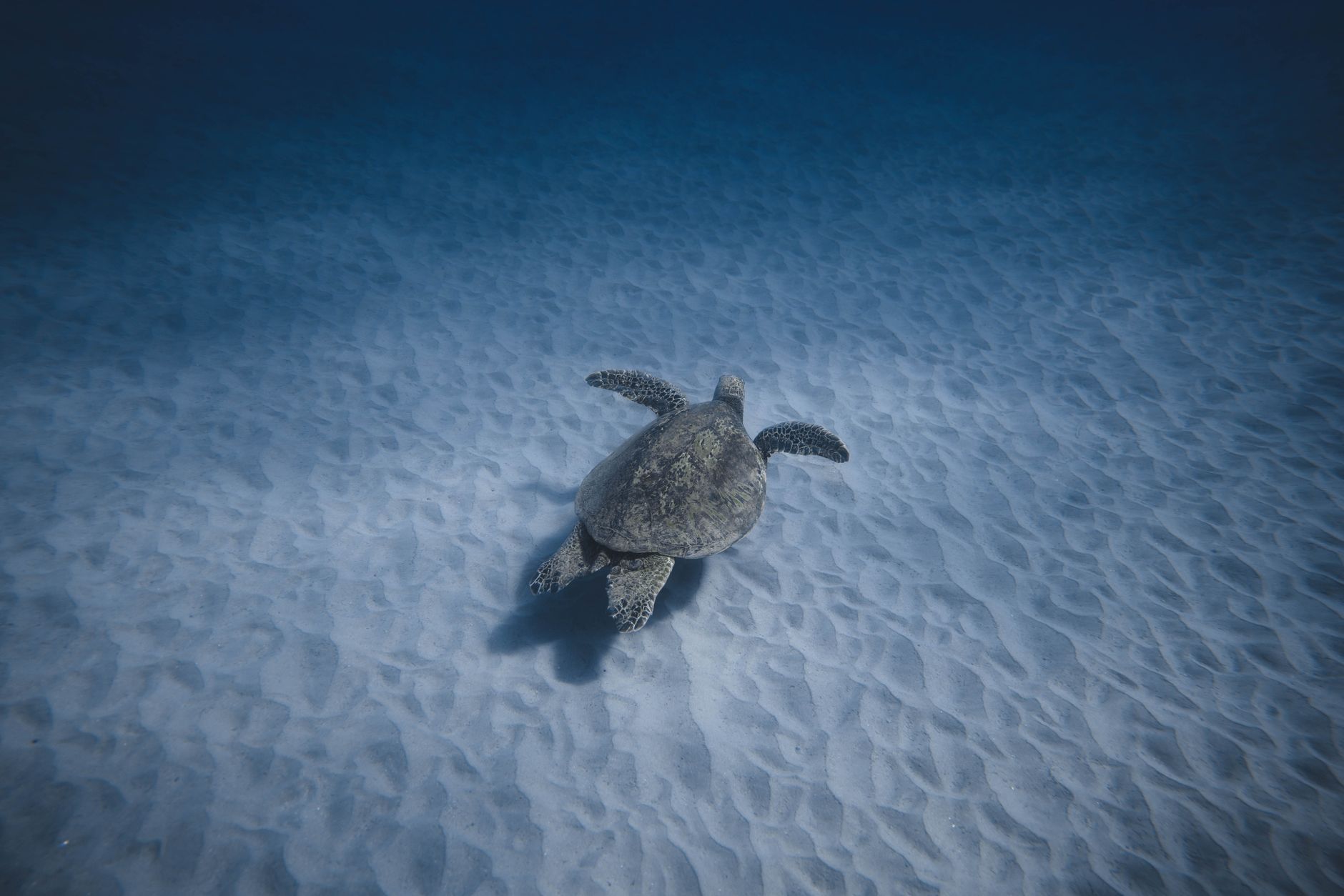
The shell’s structure also plays a role in buoyancy control for sea turtles. The shell is lightweight yet strong, allowing turtles to move effortlessly through the water. Air spaces within the shell bones can contribute to buoyancy adjustments, aiding in diving and surfacing.
Common Misconceptions About Turtle Shells
There are many misconceptions about turtle shells. Some people believe that turtles can leave their shells, which is, of course, impossible. The shell is an integral part of the turtle’s skeleton, and the animal cannot survive without it.
Threats to Turtle Shells
Sadly, turtle shells are threatened by human activities. Pollution, habitat destruction, and illegal trade all pose significant risks to turtle populations. Conservation efforts are crucial to protecting these remarkable creatures and their unique shells.
Importance of Conservation
Protecting sea turtles and their habitats is essential for maintaining marine biodiversity. These ancient reptiles play a vital role in the marine ecosystem, and their conservation is crucial for the health of our oceans.
The Future of Turtle Research
Research on turtle shells continues to advance our understanding of their evolution, anatomy, and biomechanics. New technologies, such as CT scanning and genetic analysis, are providing valuable insights into the intricate workings of these amazing animals.
Comparative Table: Shell Attachment in Different Turtles
| Turtle Type | Vertebrae Attachment to Shell | Flexibility | Habitat |
|---|---|---|---|
| Sea Turtles | Extensive fusion | Limited | Marine |
| Freshwater Turtles | Variable fusion | Moderate | Freshwater |
| Terrestrial Turtles | Variable fusion | Moderate | Terrestrial |
Conclusion
While many marine turtle species have a strong fusion between their backbone and shell, the degree of attachment can vary. Understanding these differences requires further research and conservation efforts to protect these remarkable creatures. The question of “Do all marine turtles have their backbone attached to the inside of their shell?” reveals the complexity of their adaptation.
Frequently Asked Questions (FAQs)
Is the turtle shell part of its skeleton?
Yes, absolutely. The turtle shell is an integral part of its skeleton, consisting of fused ribs and vertebrae, along with dermal bone plates. This makes it a uniquely complex and essential structure for the turtle’s survival.
Can a turtle feel through its shell?
Yes, turtles can indeed feel through their shells. The shell is covered with sensitive nerve endings, allowing turtles to sense touch, pressure, and even temperature. This sensitivity helps them detect predators and navigate their environment.
What is the shell made of?
The turtle shell is made of bone and keratin. The bony plates are covered with scutes made of keratin, the same material as our fingernails and hair. This combination provides both strength and protection.
How does a turtle breathe with a shell?
Turtles breathe using a unique system of muscles that pump air in and out of their lungs. They cannot expand their chest like mammals because of their shell, so they rely on these specialized muscles to move their internal organs and facilitate respiration.
Does the shell grow with the turtle?
Yes, the turtle shell grows along with the turtle. The bony plates expand, and the scutes add new layers, allowing the shell to accommodate the turtle’s increasing size.
What is the purpose of the scutes on a turtle shell?
The scutes, or scales, on a turtle shell provide an extra layer of protection. They are made of keratin and help to resist abrasion and damage, as well as provide camouflage.
Can a turtle come out of its shell?
No, a turtle cannot come out of its shell. The shell is directly attached to its skeleton, including the spine and ribs. Removing a turtle from its shell would be fatal.
How strong is a turtle shell?
Turtle shells are remarkably strong and can withstand significant amounts of pressure and impact. This strength is due to the combination of bone and keratin, as well as the shell’s arched shape, which distributes forces effectively.
How does the shell protect the turtle?
The shell protects the turtle from predators, harsh environmental conditions, and physical injuries. Its hard, rigid structure acts as a shield, deflecting attacks and providing a safe haven for the turtle’s soft tissues.
What are some threats to turtle shells?
Threats to turtle shells include pollution, habitat destruction, and illegal trade. Pollution can weaken the shell, while habitat loss reduces the availability of essential resources. Illegal trade often targets turtle shells for decorative or medicinal purposes.
How do scientists study turtle shells?
Scientists use a variety of methods to study turtle shells, including CT scanning, genetic analysis, and biomechanical testing. These techniques allow them to investigate the shell’s structure, evolution, and functional properties.
Is it true that Do all marine turtles have their backbone attached to the inside of their shell?
While extensive fusion is the norm, the degree of fusion can vary, and the answer to the question “Do all marine turtles have their backbone attached to the inside of their shell?” is nuanced. There is evidence that some species have some variance, and the solid fusion is not as all-encompassing as once assumed. The backbone is embedded in the shell, but the extent of that embedment can be variable.