

Do All Corals Need Feeding? Unveiling the Nutritional Secrets of the Reef
While some corals thrive almost entirely on sunlight and symbiotic algae, the definitive answer to “Do all corals need feeding?” is a resounding no. Many, if not most, corals benefit significantly from, and some absolutely require, supplemental feeding to achieve optimal health and growth.
The Symbiotic Foundation: Zooxanthellae and Photosynthesis
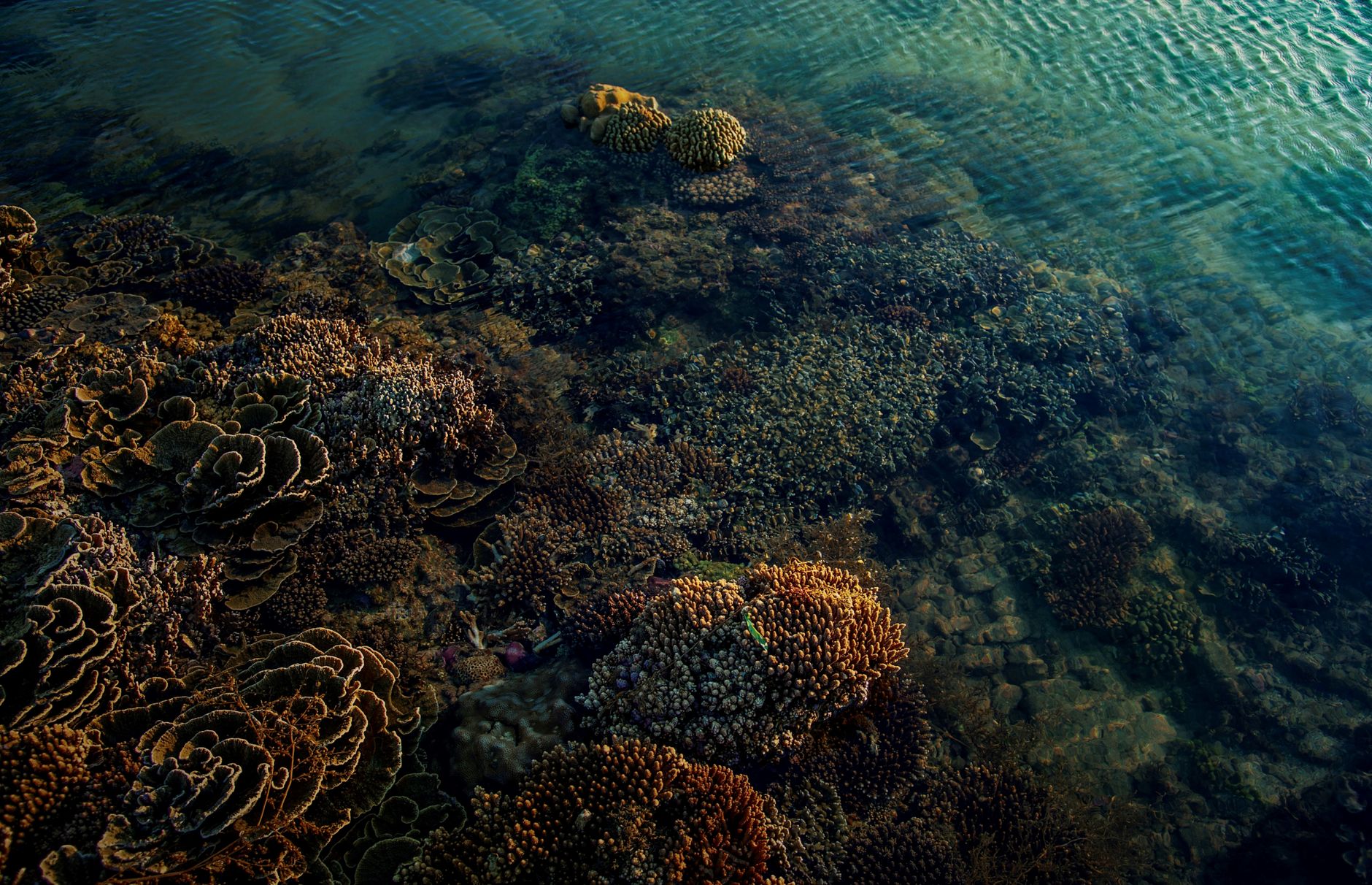
The vibrant colours and flourishing reefs we admire often mask a complex nutritional web. At its core lies a symbiotic relationship between corals and microscopic algae called zooxanthellae. These algae reside within the coral’s tissues and, through photosynthesis, convert sunlight into energy-rich compounds like sugars, glycerol, and amino acids. This process provides a significant portion of the coral’s nutritional needs – sometimes up to 95% in some species.
Think of it like this: the coral provides the algae with a safe home and access to essential nutrients (nitrogen and phosphorus), while the algae provide the coral with food. This mutualistic partnership is the foundation of coral reef ecosystems.

Do all snakes have poison in them?
Are all shrimps born female?
What is the GREY African clawed frog?
Is distilled water good for goldfish?
Beyond Sunlight: The Need for Supplemental Feeding

While zooxanthellae are essential, they don’t provide a complete diet for all corals. Many species also rely on capturing prey from the surrounding water. The dependence on supplemental feeding varies significantly among coral species and even within the same species depending on environmental conditions. Factors influencing this need include:
- Coral Morphology: Corals with larger polyps and more complex feeding structures often rely more heavily on capturing prey.
- Water Quality: Nutrient-poor water forces corals to seek alternative food sources. In nutrient-rich environments, they may rely more on zooxanthellae.
- Light Availability: In shaded areas or deeper waters, photosynthesis is less efficient, necessitating greater reliance on direct feeding.
Identifying Corals that Benefit from Feeding
Determining which corals in your aquarium or reef system require or benefit from supplemental feeding is crucial. Here are some indicators:
- Polyp Extension: Observe how well your corals extend their polyps. Healthy, actively feeding corals will display extended polyps, especially at night.
- Growth Rate: Notice the rate at which your corals are growing. Slower growth or receding tissues can indicate insufficient nutrition.
- Coral Type: Research the specific needs of each coral species in your collection. Soft corals, large polyp stony (LPS) corals, and non-photosynthetic corals generally require more frequent feeding.
Types of Coral Foods
A wide variety of coral foods are available, each catering to different needs and preferences. Consider the following:
- Liquid Foods: These contain a blend of amino acids, vitamins, and other nutrients readily absorbed by corals.
- Powdered Foods: These can be mixed with water to create a slurry that is easy to target feed.
- Frozen Foods: Mysis shrimp, brine shrimp, and rotifers are excellent sources of protein and other essential nutrients.
- Pellet Foods: These provide a balanced diet and are easy to administer.
The choice of food should be tailored to the specific needs of the corals you are keeping. Some corals prefer smaller particles, while others can handle larger prey items.
Target Feeding vs. Broadcast Feeding
There are two main methods of feeding corals: target feeding and broadcast feeding.
- Target Feeding: This involves directly delivering food to individual corals using a pipette or syringe. This is ideal for corals that require more precise feeding or are located in hard-to-reach areas.
- Broadcast Feeding: This involves adding food to the aquarium water, allowing corals to capture it as it drifts by. This method is more convenient for feeding a large number of corals, but it can also lead to increased nutrient levels in the water.
Common Mistakes in Coral Feeding
Overfeeding is a common mistake that can lead to water quality problems and algal blooms. It is important to feed corals in moderation and to monitor water parameters closely. Other common mistakes include:
- Using the wrong type of food: Ensure the food is appropriately sized and formulated for the target species.
- Feeding too infrequently: Even corals that primarily rely on photosynthesis may benefit from occasional supplemental feeding.
- Ignoring water quality: Regular water changes and proper filtration are essential for maintaining a healthy reef environment.
The Future of Coral Nutrition Research
Scientists continue to research the intricate relationships between corals, zooxanthellae, and other microorganisms. Understanding the complex nutritional requirements of corals is essential for developing effective strategies for coral conservation and restoration. New research explores the role of bacterial communities in coral nutrition and the potential for using probiotics to improve coral health.
Frequently Asked Questions (FAQs)
What are zooxanthellae?
Zooxanthellae are single-celled algae that live within the tissues of corals in a symbiotic relationship. They provide the coral with energy through photosynthesis, while the coral provides them with shelter and nutrients. This relationship is critical for the survival of many coral species.
Why can’t all corals survive on sunlight alone?
While some corals can obtain most of their energy from zooxanthellae, others require supplemental feeding to meet their nutritional needs. This is especially true for corals in low-light environments or those with high metabolic demands.
How often should I feed my corals?
The frequency of feeding depends on the species of coral, the size of the colony, and the water quality. As a general guideline, most corals benefit from feeding 1-3 times per week.
What is the best type of food to feed corals?
The best type of food depends on the specific needs of the coral. Some corals prefer small particles like phytoplankton or zooplankton, while others can handle larger prey like mysis shrimp or brine shrimp.
How can I tell if my corals are hungry?
Signs of hunger in corals include poor polyp extension, slow growth, tissue recession, and fading colour.
Is it possible to overfeed corals?
Yes, it is possible to overfeed corals. Overfeeding can lead to increased nutrient levels in the water, which can promote algal blooms and harm corals.
Can I feed my corals too much light?
No, corals cannot be overfed with light. While too little light can be detrimental, the converse, too much light, is not harmful.
Do all LPS corals need to be target fed?
Not all LPS corals require target feeding, but most benefit from it. Target feeding allows you to ensure that each coral receives an adequate amount of food, especially those that are located in hard-to-reach areas or are competing for food with other inhabitants.
Can I use reef tank supplements like amino acids and vitamins as coral food?
While amino acids and vitamins are beneficial for coral health, they should not be considered a complete food source. They provide essential building blocks, but corals still need to consume particulate matter to obtain all the nutrients they require.
Are non-photosynthetic corals more difficult to keep?
Yes, non-photosynthetic (azooxanthellate) corals are generally more difficult to keep because they rely entirely on supplemental feeding. They require frequent and varied feeding to thrive.
What water parameters should I monitor when feeding corals?
It is important to monitor nitrate, phosphate, and alkalinity levels when feeding corals. Overfeeding can lead to increased nutrient levels, which can disrupt the delicate balance of the reef ecosystem.
Where can I learn more about coral nutrition?
There are many resources available online and in print that can provide more information about coral nutrition. Reputable reef keeping forums, scientific publications, and books on coral husbandry are valuable sources of information. Always research the specific needs of the corals you are keeping.