
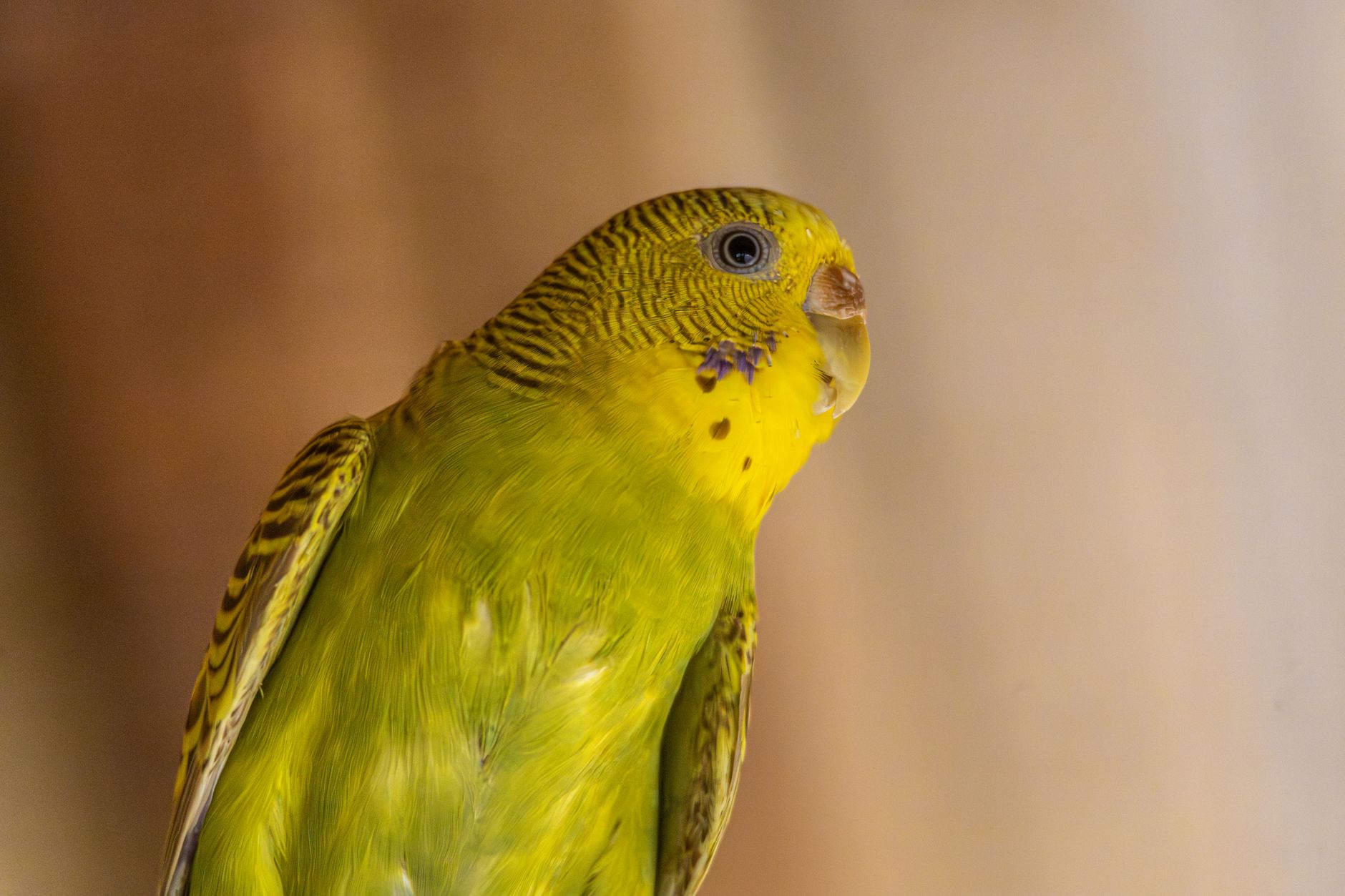
Do All Budgerigars Talk? Unveiling the Vocal Secrets of Budgies
No, not all budgerigars talk, but many possess the potential to learn and mimic human speech. It depends on factors like individual personality, training, and environment.

Understanding the Budgerigar’s Vocal Capabilities
Budgerigars, also known as budgies or parakeets, are highly intelligent and social birds. Their capacity for mimicking sounds, including human speech, is a fascinating aspect of their behavior. However, understanding how they vocalize and why some learn to talk while others don’t is key to answering the question: Do all budgerigar talk?

Are all shrimps born female?
What is the GREY African clawed frog?
Is distilled water good for goldfish?
What colours are fish most attracted to?
The Mechanics of Budgie Speech
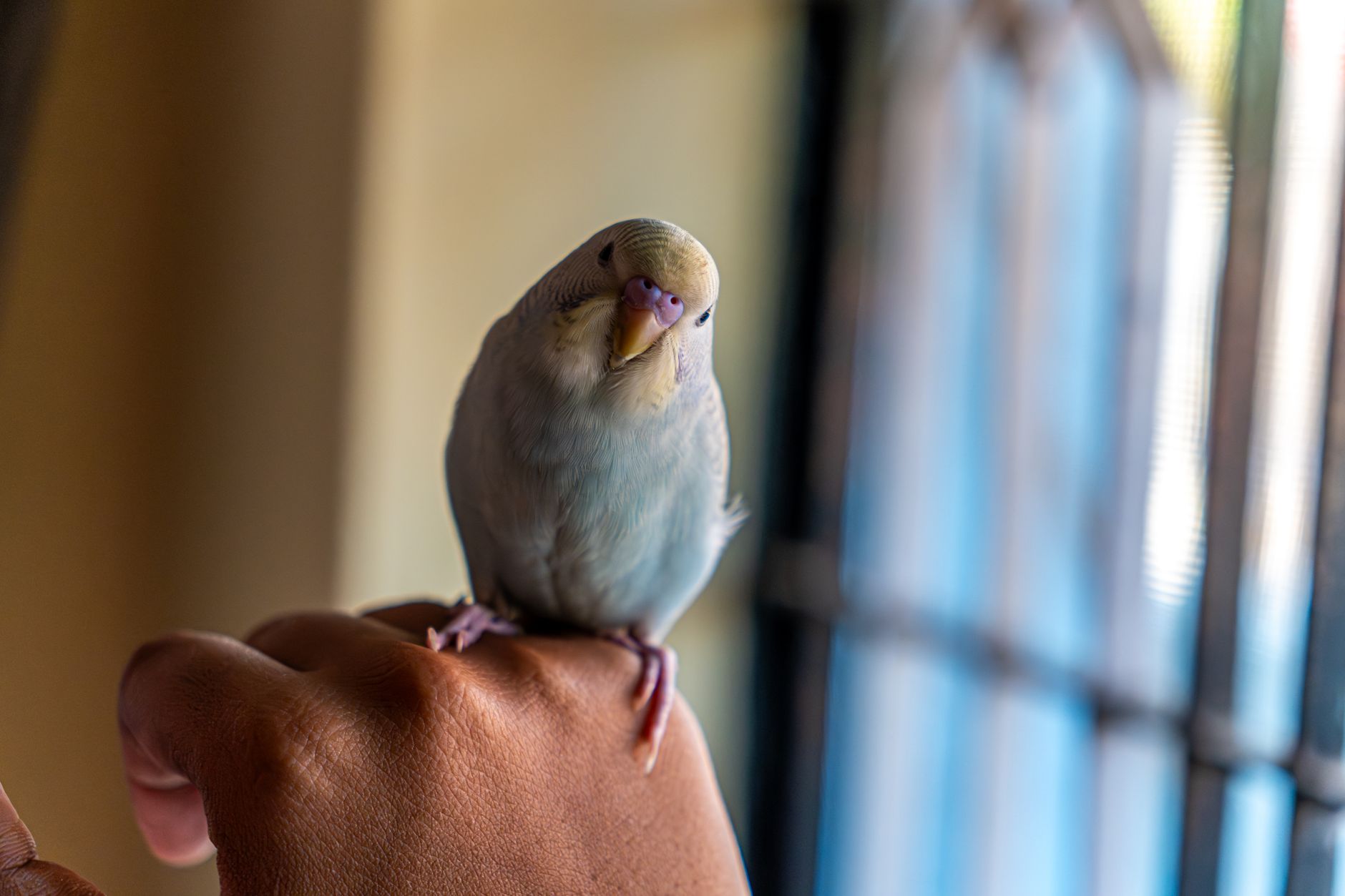
Unlike humans, budgies don’t have vocal cords. Instead, they use a syrinx, a vocal organ located where the trachea splits into the lungs. By controlling air flow and manipulating the membranes in the syrinx, they can produce a wide range of sounds, from chirps and whistles to remarkably clear words and phrases. This ability to manipulate sound is what allows some budgies to imitate human speech.
Factors Influencing a Budgie’s Talking Ability
Several factors play a crucial role in whether a budgie learns to talk:
- Genetics: While not definitively proven, some suggest that genetics may play a role. Birds from lines where talking has been observed may be more predisposed to learning.
- Age: Younger budgies, particularly those still in their juvenile phase, tend to learn faster and more readily than older birds.
- Environment: A stimulating environment filled with human interaction and regular speech input is crucial. Budgies learn by mimicking what they hear frequently.
- Training: Consistent and patient training is essential. Using positive reinforcement, such as treats and praise, can significantly increase the likelihood of success.
- Individual Personality: Some budgies are simply more inclined to mimic sounds than others. Their curiosity and willingness to interact with their owners greatly influence their learning.
Training Techniques for Budgerigar Speech
Training a budgie to talk requires patience and consistency. Here are some effective techniques:
- Start Early: Begin training as soon as you bring your young budgie home.
- Repetition: Repeat simple words and phrases clearly and frequently.
- Positive Reinforcement: Reward your budgie with treats or praise when they attempt to mimic your words.
- Associate Words with Objects: Show your budgie the object while saying its name.
- Use a Gentle and Enthusiastic Tone: Budgies respond better to a positive and encouraging tone of voice.
- Keep Training Sessions Short and Frequent: Short, focused sessions of 5-10 minutes are more effective than longer, less frequent ones.
Common Mistakes in Training Budgies
Avoiding common training mistakes is vital for success:
- Inconsistency: Lack of consistent training leads to confusion and discouragement for the bird.
- Punishment: Never punish your budgie for not talking. This will only create fear and anxiety.
- Too Many Words at Once: Start with simple, single words and gradually introduce more complex phrases.
- Lack of Patience: Budgies learn at their own pace. Be patient and celebrate even small successes.
- Ignoring the Budgie’s Personality: Some budgies may be more shy or reserved. Adjust your training methods to suit their individual personality.
Are Male or Female Budgies Better Talkers?
Generally, male budgies are considered to be more prolific talkers than females. They tend to be more vocal and have a greater capacity for mimicking sounds and learning new words. However, female budgies can also learn to talk, although they may not develop the same vocabulary or fluency as males. Individual personality and training still play a significant role, regardless of gender.
Understanding the Different Vocalizations of Budgerigars
Even if a budgie doesn’t talk in human words, they communicate through various vocalizations. Recognizing these sounds can help you understand their mood and needs.
| Vocalization | Meaning |
|---|---|
| Chirping | General contentment, communication with other birds |
| Chattering | Excitement, happiness, or a request for attention |
| Screaming | Distress, fear, or attention-seeking (if excessive, address it) |
| Clicking | Curiosity, investigation, or mild alarm |
| Whistling | Playfulness, mimicking sounds from the environment |
| Grinding | Contentment, often done before sleeping |
Is Talking the Only Sign of Intelligence in Budgies?
Absolutely not. Talking is just one manifestation of a budgie’s intelligence. They demonstrate intelligence in many other ways, including:
- Problem-solving: Figuring out how to open cages, manipulate toys, or access food.
- Learning tricks: Responding to commands, such as stepping up or coming when called.
- Recognizing their owners: Distinguishing between familiar and unfamiliar people.
- Understanding object permanence: Knowing that an object still exists even when it’s hidden.
- Social interaction: Forming bonds with their owners and other birds.
Frequently Asked Questions
Will my budgie definitely talk if I train it?
No, there’s no guarantee your budgie will talk, even with dedicated training. While many budgies have the potential to learn, their willingness and aptitude varies. Consistent effort will improve your chances, but ultimately it depends on the individual bird.
What is the best age to start teaching a budgie to talk?
The best age to start training a budgie to talk is when they are young, typically between 8 weeks and 6 months. At this age, they are more receptive to learning and mimicking new sounds. Their brains are still developing, making them more adaptable.
How long does it take for a budgie to start talking?
The time it takes for a budgie to start talking varies greatly. Some budgies may start mimicking words within a few weeks, while others may take several months or even years. Patience and consistent training are key.
Are some budgie breeds or colors better at talking?
There is no definitive evidence that specific budgie breeds or colors are inherently better at talking. Talking ability is more related to individual personality, training, and environment than genetics.
My budgie used to talk, but has stopped. Why?
Several reasons could explain this. It may be due to stress, illness, a change in environment, or simply a loss of interest. Ensure your budgie is healthy and comfortable, and continue engaging with it. Sometimes, resuming training sessions can reignite their interest.
How can I make my training sessions more effective?
Make training sessions short, frequent, and fun. Use positive reinforcement, such as treats and praise, and associate words with objects. Be patient and enthusiastic, and adapt your approach to your budgie’s personality.
What words should I start with when teaching my budgie to talk?
Start with simple, one-syllable words that are easy for your budgie to pronounce, such as “hello,” “up,” “good,” or the budgie’s name. Focus on clear pronunciation and repetition.
Do budgies understand what they are saying?
While budgies may not fully grasp the meaning of every word, they can associate words with specific objects, actions, or people. They learn through repetition and association, often mimicking sounds without understanding the underlying concepts.
Can budgies learn to sing?
Yes, budgies can learn to sing, or rather, mimic songs. They have a remarkable ability to reproduce melodies and rhythms they hear frequently. Playing music for your budgie can encourage them to learn and mimic songs.
Is it cruel to keep a budgie if it doesn’t talk?
Absolutely not. A budgie’s value as a pet doesn’t depend on its ability to talk. They are intelligent, affectionate companions who bring joy through their playful behavior, social interaction, and unique personalities. Focus on providing a stimulating and loving environment regardless of their talking ability.
What if my budgie only mimics sounds other than words?
Some budgies may prefer mimicking other sounds, such as doorbells, microwave beeps, or other animal noises. This is perfectly normal and still demonstrates their intelligence and mimicking abilities. You can still encourage them to learn words, but don’t discourage their natural inclinations.
My budgie seems afraid to talk. How can I encourage it?
Ensure your budgie feels safe and comfortable in its environment. Speak to it in a calm and reassuring voice, and avoid any sudden movements or loud noises that might frighten it. Build trust and create a positive association with training sessions.