

Do Adult Turtles Need a Heater? Ensuring Optimal Temperature for Aquatic Companions
Generally, yes. Adult aquatic turtles typically require a heater to maintain a stable and appropriate water temperature, especially in climates where the ambient temperature fluctuates or consistently falls below their ideal range.

Understanding the Thermal Needs of Aquatic Turtles
Aquatic turtles are ectothermic animals, meaning they rely on external sources of heat to regulate their body temperature. Unlike mammals who can internally regulate their temperature, turtles depend on their environment to stay warm enough to digest food, move, and perform essential bodily functions. Understanding the temperature ranges necessary for healthy turtles is crucial for responsible care.
Ideal Temperature Ranges for Adult Turtles
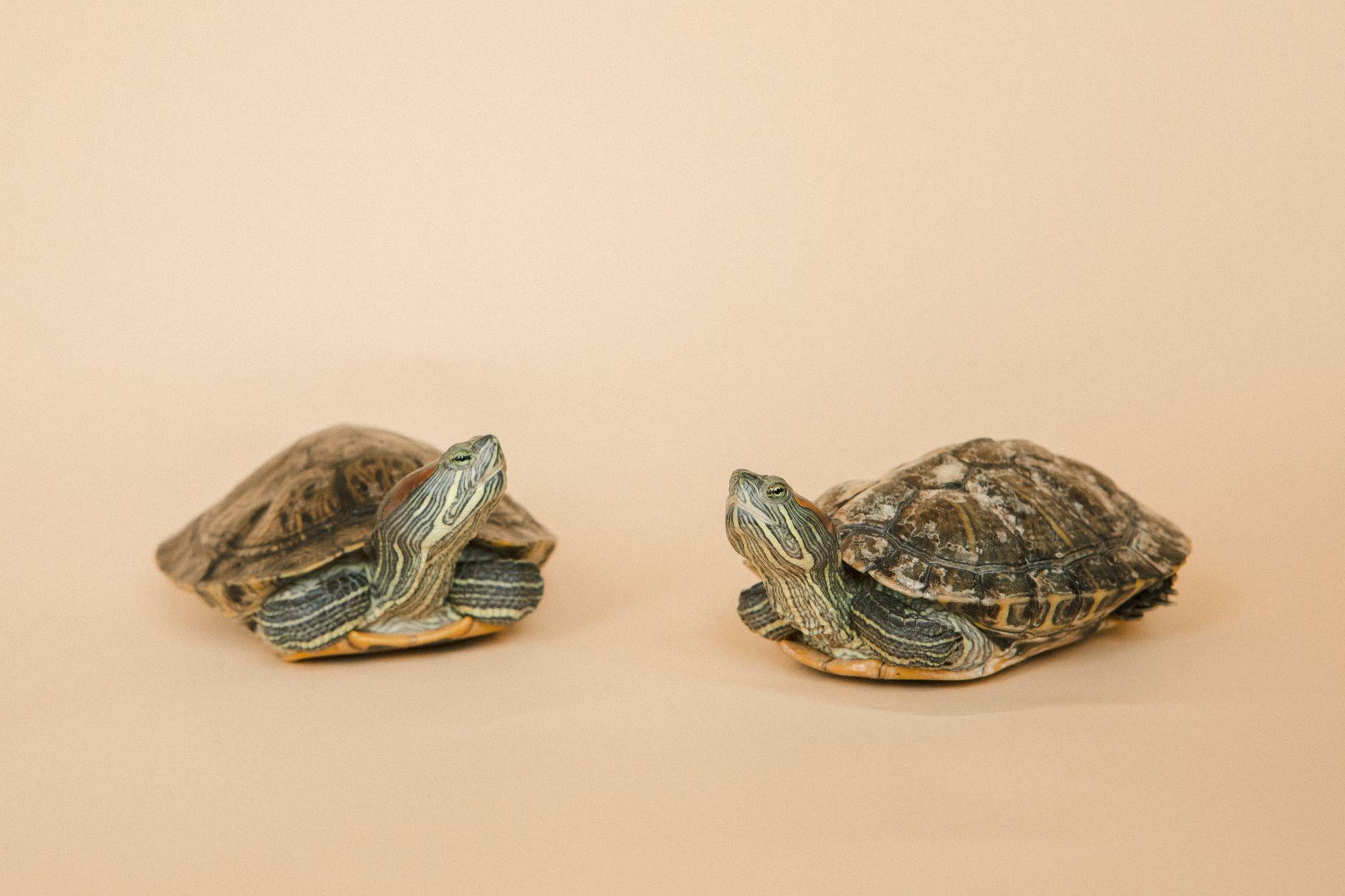
Different species of turtles have varying temperature needs. However, some general guidelines apply:
- Water Temperature: Most adult aquatic turtles thrive in water temperatures between 75°F and 85°F (24°C to 29°C).
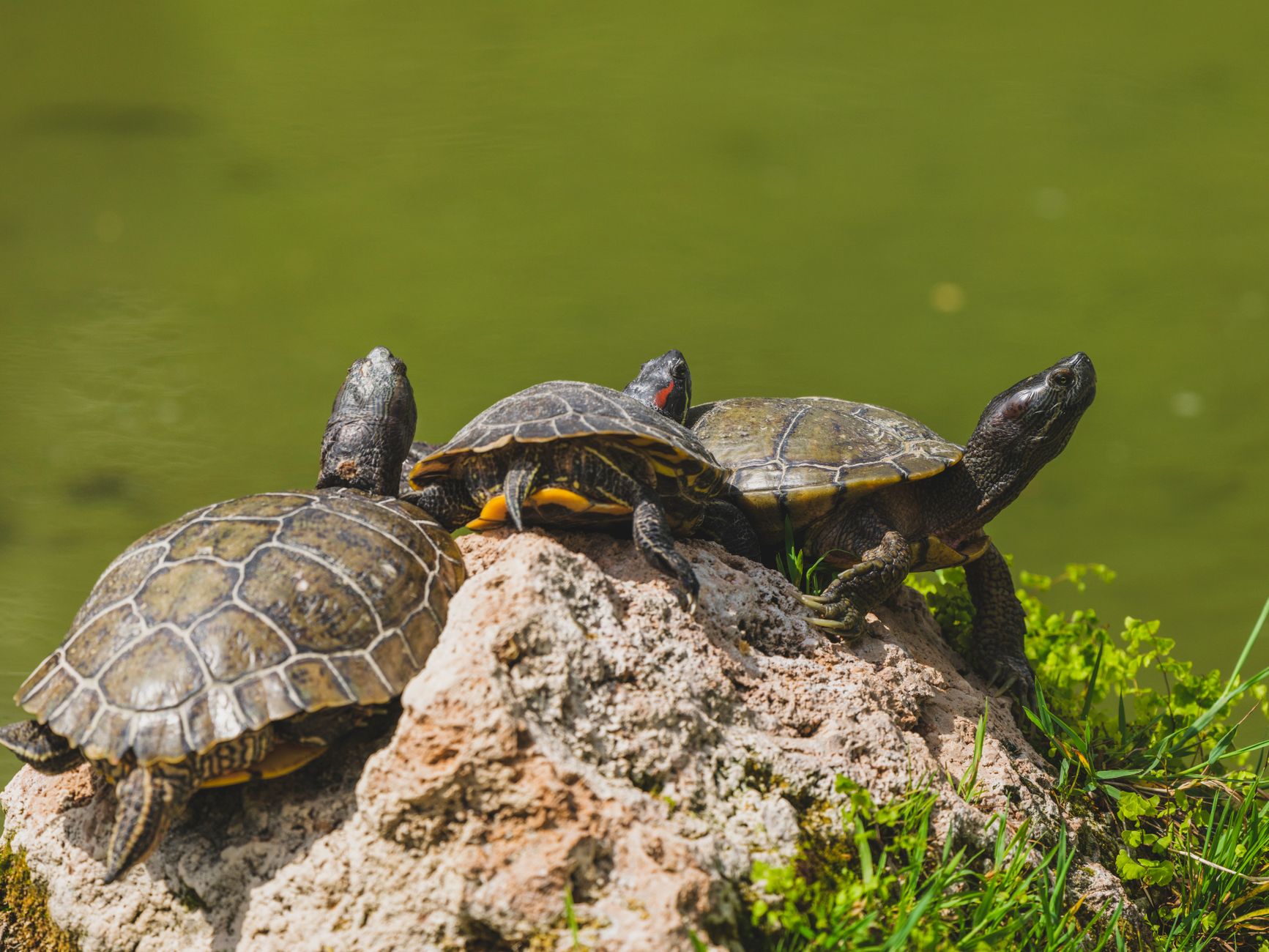
- Basking Area Temperature: A basking spot should be significantly warmer, typically between 85°F and 95°F (29°C to 35°C). This allows them to thermoregulate effectively.
- Air Temperature (Ambient): The surrounding air temperature in their enclosure also matters. Avoid extreme temperature swings or drafts.
A good thermometer is essential for accurately monitoring these temperatures.
Benefits of Maintaining Proper Water Temperature
Maintaining the correct water temperature in your turtle’s tank offers numerous benefits:
- Improved Digestion: Warmer temperatures aid in proper digestion, preventing impaction and other digestive issues.
- Enhanced Immune System: A stable, appropriate temperature strengthens the turtle’s immune system, making it less susceptible to infections.
- Increased Activity and Appetite: Turtles are generally more active and have a better appetite when kept at their preferred temperature.
- Prevention of Respiratory Infections: Cold water can significantly increase the risk of respiratory infections, a common and serious ailment in aquatic turtles.
Choosing the Right Heater for Your Turtle
Selecting the right heater depends on the size of your tank and the ambient temperature of your room.
- Submersible Heaters: These are placed directly inside the tank and are suitable for most turtle setups. Choose a heater with adjustable temperature settings and automatic shut-off features to prevent overheating.
- In-Line Heaters: These are installed outside the tank, connected to the filter system. They are generally more powerful and better suited for larger tanks.
- Sizing the Heater: A good rule of thumb is to use 5 watts of heater power per gallon of water. For example, a 50-gallon tank would need a 250-watt heater.
- Safety Features: Ensure the heater has a protective guard to prevent the turtle from direct contact, which could cause burns.
Common Mistakes to Avoid When Using a Heater
- Inadequate Heater Size: Using a heater that is too small for the tank will not effectively raise the water temperature.
- Lack of a Thermometer: Without a thermometer, you cannot accurately monitor the water temperature and ensure it remains within the ideal range.
- Placing the Heater Near the Basking Area: This can create hot spots and prevent proper temperature gradient.
- Failure to Regularly Check the Heater: Heaters can malfunction, so regular inspection is crucial.
- Ignoring Temperature Fluctuations: Changes in room temperature can affect the water temperature. Monitor and adjust accordingly.
Addressing the “Dormancy” Myth
While some turtle species undergo a period of brumation (a reptile’s version of hibernation) in the wild, mimicking this in captivity without careful planning and expert guidance can be dangerous. Do adult turtles need heater? Even if you are trying to simulate brumation, the water temperature must not drop too low, or the turtle could experience health complications. Generally, it’s best to avoid inducing brumation in captive turtles unless you have extensive experience and a thorough understanding of their specific needs. Maintaining a stable temperature throughout the year is often the safer option.
Impact of Climate on Heater Necessity
Whether or not adult turtles need heater is also heavily influenced by the local climate where you live.
| Climate Type | Heater Requirement | Justification |
|---|---|---|
| Tropical/Subtropical | Often less critical, but still beneficial for stability | Consistent warm ambient temperatures can reduce the need, but heaters prevent temperature dips at night. |
| Temperate | Generally necessary, especially during colder months | Significant seasonal temperature variations necessitate a heater to maintain stable water temperature. |
| Cold/Arctic | Absolutely essential year-round | Ambient temperatures are consistently too low for turtle survival without supplemental heating. |
Alternative Heating Methods (Considerations)
While submersible or in-line heaters are the most common methods, some owners explore alternatives:
- Heat Lamps: Primarily used for basking areas, but can indirectly raise water temperature slightly.
- Under-Tank Heaters (UTH): Generally not recommended for aquatic turtle setups, as they are not effective at heating water and pose a burn risk.
These alternatives should always be used in conjunction with a reliable water heater for optimal temperature regulation.
FAQs: Further Insights into Turtle Heating
Is it okay if my turtle’s water is slightly cooler than the recommended range?
No, consistently keeping your turtle’s water below the optimal temperature range can lead to health problems. Even a few degrees below the recommended range can stress the turtle’s immune system and increase the risk of illness. Aim to maintain the temperature as consistently as possible.
How do I know if my turtle is too cold?
Signs of a turtle being too cold include decreased activity, loss of appetite, lethargy, and spending an unusual amount of time basking. If you notice these symptoms, immediately check the water temperature and adjust the heater accordingly.
Can a heater malfunction and overheat the water?
Yes, heaters can malfunction and overheat the water. That’s why it’s essential to choose a heater with an automatic shut-off feature and to regularly monitor the water temperature with a reliable thermometer.
How often should I replace my turtle heater?
It’s recommended to replace your turtle heater every 1-2 years, even if it appears to be working correctly. Heaters can degrade over time and become less efficient or prone to malfunction. Regular replacement helps ensure consistent and reliable temperature control.
Can I use a fish tank heater for my turtle?
Yes, you can use a fish tank heater for your turtle, as long as it is appropriately sized for the tank, has adjustable temperature settings, and is equipped with a protective guard to prevent burns.
What should I do if my heater breaks down?
If your heater breaks down, immediately take steps to provide alternative heating, such as using a temporary heater or moving the turtle to a warmer location. Replace the broken heater as soon as possible.
Is it safe for my turtle to touch the heater?
No, direct contact with a heater can cause burns. Always use a heater with a protective guard or shield to prevent the turtle from touching the heating element.
Does the size of the tank affect the type of heater I need?
Yes, the size of the tank significantly affects the type of heater you need. Larger tanks require more powerful heaters to effectively raise and maintain the water temperature.
Can I use a timer to turn the heater on and off at night?
Generally, it is not recommended to use a timer to turn the heater on and off, as this can cause temperature fluctuations that stress the turtle. It’s best to use a heater with a built-in thermostat to maintain a consistent temperature 24/7.
How do I prevent my turtle from breaking the heater?
To prevent your turtle from breaking the heater, choose a durable heater with a protective guard and secure it firmly to the tank wall or bottom. You can also place rocks or decorations around the heater to further protect it.
Is it possible to overheat the water for my turtle?
Yes, it is definitely possible to overheat the water for your turtle, which can be fatal. Regularly monitor the temperature with a thermometer and ensure the heater is functioning correctly.
If I live in a warm climate, do I ever need a heater?
Even in warm climates, temperature fluctuations can occur, especially at night. A heater can provide a stable and consistent temperature, which is beneficial for your turtle’s health. Monitor the water temperature and use a heater when necessary. So while you might not always need a heater, it’s wise to have one on hand.