
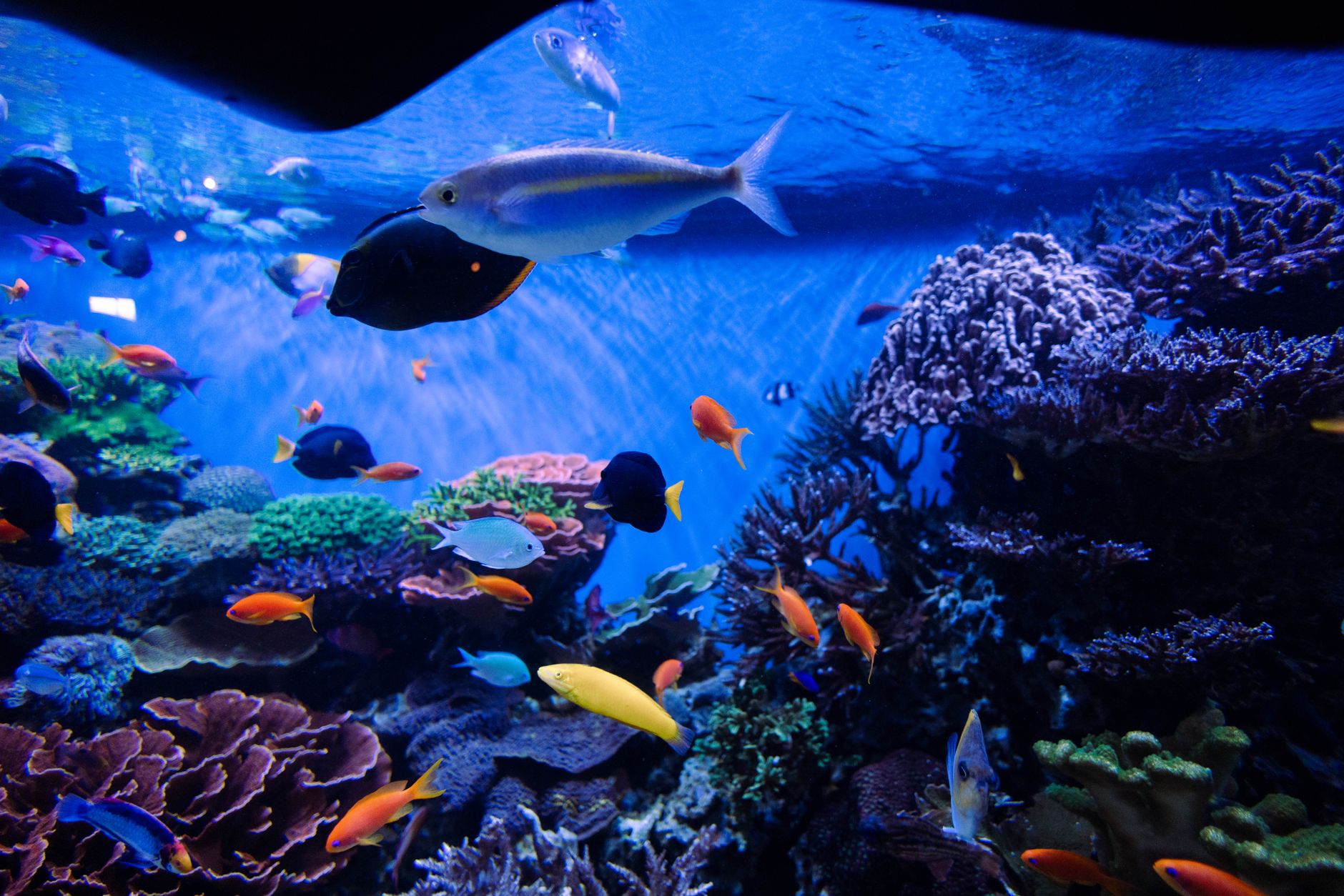
Can You Put Tropical Fish Straight Into a New Tank? The Definitive Guide
The short answer is a resounding no. Putting tropical fish straight into a new tank without properly cycling it is almost guaranteed to cause stress and death – a process known as ‘new tank syndrome’.

Understanding the Nitrogen Cycle: The Foundation of a Healthy Aquarium
The success of any tropical aquarium hinges on understanding and establishing the nitrogen cycle. This is a natural biological process where beneficial bacteria convert toxic fish waste into less harmful substances. Without a properly established nitrogen cycle, your fish will be exposed to lethal levels of ammonia and nitrite. Can you put tropical fish straight into a new tank? The answer is definitively no, because the nitrogen cycle hasn’t had time to establish.
- Ammonia (NH3/NH4+): Produced by fish waste, decaying food, and plant matter. Highly toxic.
- Nitrite (NO2-): Produced when ammonia-oxidizing bacteria convert ammonia. Still toxic.
- Nitrate (NO3-): Produced when nitrite-oxidizing bacteria convert nitrite. Much less toxic than ammonia or nitrite, but still needs to be controlled through water changes.
Think of it like a mini-sewage treatment plant within your aquarium. Without the right bacteria, it’s like dumping raw sewage directly into a pristine environment.
Why Cycling is Crucial Before Introducing Fish

Cycling a new aquarium means establishing a colony of beneficial bacteria capable of processing waste. This process naturally takes time – typically 4-8 weeks. Can you put tropical fish straight into a new tank? Because the bacteria are absent, water quality plummets rapidly.
- Prevention of New Tank Syndrome: Protects fish from ammonia and nitrite poisoning.
- Creation of a Stable Environment: Provides a safe and healthy home for your fish.
- Long-Term Fish Health: Minimizes stress, boosting immunity and lifespan.
Introducing fish before the cycle is complete exposes them to extremely toxic conditions. Even hardy fish are unlikely to survive, and more sensitive species will perish quickly.
The Fishless Cycling Process: Step-by-Step
Fishless cycling is the preferred method for establishing the nitrogen cycle because it eliminates the risk to live fish.
- Set up your tank: Add substrate, decorations, filter, heater, and water.
- Add an ammonia source: Use pure ammonia (ammonium chloride) – usually available at hardware stores or dedicated aquarium start-up chemicals. Aim for a concentration of 2-4 ppm (parts per million).
- Test your water: Use a reliable aquarium test kit (liquid test kits are more accurate than test strips) to monitor ammonia, nitrite, and nitrate levels.
- Wait and monitor: Keep adding ammonia as needed to maintain a concentration of 2-4 ppm. Eventually, you’ll see ammonia levels drop to zero, followed by a rise in nitrite.
- Continue monitoring: Once nitrite levels also drop to zero and nitrate levels rise, your tank is cycled!
- Perform a large water change: Reduce nitrate levels before introducing fish. Aim for a level below 20 ppm.
- Introduce fish gradually: Start with a few hardy fish and monitor water parameters closely.
The Fish-In Cycling Method: A Less Desirable Option
While not recommended, fish-in cycling involves adding fish to the tank during the cycling process. This is stressful and potentially lethal for the fish. If you must use this method, extreme caution is required. Frequent water changes are essential.
- Daily Water Changes: Perform 25-50% water changes daily to keep ammonia and nitrite levels as low as possible.
- Ammonia Detoxifiers: Use products like Seachem Prime to temporarily detoxify ammonia and nitrite.
- Careful Monitoring: Test water parameters daily and adjust water changes accordingly.
- Avoid Overstocking: Start with a very small number of hardy fish.
| Feature | Fishless Cycling | Fish-In Cycling |
|---|---|---|
| Fish Safety | 100% Safe | High Risk |
| Time Required | 4-8 Weeks | 4-8 Weeks |
| Water Changes | Minimal during cycling | Frequent & Large |
| Monitoring Frequency | Less Frequent | Daily |
| Stress Level | Low | Extremely High |
Common Mistakes to Avoid
- Not testing the water: Monitoring water parameters is critical.
- Adding too many fish at once: Overwhelms the beneficial bacteria.
- Overfeeding: Creates excess waste and elevates ammonia levels.
- Using tap water without dechlorinating: Chlorine and chloramine kill beneficial bacteria.
- Cleaning the filter too thoroughly: Removes beneficial bacteria. Rinse filter media gently in removed tank water.
Acclimating Fish to Their New Home
Even after your tank is cycled, it’s crucial to properly acclimate new fish to their environment. This minimizes stress and helps them adjust to the water parameters in your tank.
- Float the bag: Place the sealed bag containing the fish in the tank for 15-30 minutes to equalize the temperature.
- Gradual water mixing: Slowly add small amounts of tank water to the bag over the next hour to acclimate the fish to the water chemistry.
- Release the fish: Gently release the fish into the tank. Avoid pouring the bag water into the tank.
- Observe: Monitor the fish closely for signs of stress.
Frequently Asked Questions (FAQs)
Can I use used filter media to speed up the cycling process?
Yes! Using established filter media from a healthy aquarium is one of the fastest ways to cycle a new tank. The used media contains a thriving colony of beneficial bacteria, which will quickly colonize the new tank.
How do I know when my tank is fully cycled?
Your tank is considered fully cycled when you can add ammonia to the tank (to a level of 2-4 ppm), and it will be converted to zero ammonia and zero nitrite within 24 hours, with a measurable level of nitrates present.
What is “cloudy water” during cycling?
Cloudy water, often called a bacterial bloom, is a common occurrence during the cycling process. It’s caused by a rapid increase in bacteria populations as they colonize the tank. It is usually harmless and will clear up on its own as the nitrogen cycle stabilizes.
Can I use aquarium salt to help my fish during cycling?
While aquarium salt can help reduce the toxicity of nitrite, it’s generally not recommended for all fish species. Some fish are sensitive to salt. Research your specific fish species before adding salt to the tank. Proper cycling and frequent water changes are far more effective.
What are some signs of ammonia or nitrite poisoning in fish?
Signs of ammonia or nitrite poisoning include gasping for air at the surface, lethargy, clamped fins, red or inflamed gills, and erratic swimming. If you observe these symptoms, perform an immediate water change and test your water parameters.
Can I add plants to my tank during cycling?
Yes! Live plants can help to reduce ammonia and nitrate levels, making the cycling process more efficient. However, plants will compete with the beneficial bacteria for ammonia, so monitor ammonia levels closely.
How often should I test my water during cycling?
During cycling, you should test your water at least every other day, and ideally daily, until the cycle is complete. Once the tank is established, weekly testing is sufficient.
What is the ideal pH for a tropical fish tank?
The ideal pH level varies depending on the species of fish you are keeping. However, most tropical fish thrive in a pH range of 6.5 to 7.5.
Can I use tap water in my aquarium?
Yes, but you must dechlorinate it first. Tap water contains chlorine and chloramine, which are toxic to fish and beneficial bacteria. Use a water conditioner designed to remove these chemicals.
How large of a water change should I do after cycling is complete?
After cycling is complete and before adding fish, you should perform a large water change of 50-75% to reduce nitrate levels.
What are the best hardy fish to use for fish-in cycling (if absolutely necessary)?
If fish-in cycling is unavoidable, consider using hardy fish such as danios, white cloud mountain minnows, or certain types of tetras. Research the specific needs of each species before adding them to your tank. Remember that even hardy fish are susceptible to ammonia and nitrite poisoning.
Is there anything else I can add to my tank to help the beneficial bacteria grow?
You can use commercial bacteria starters to introduce beneficial bacteria to your tank. These products can help to speed up the cycling process.