
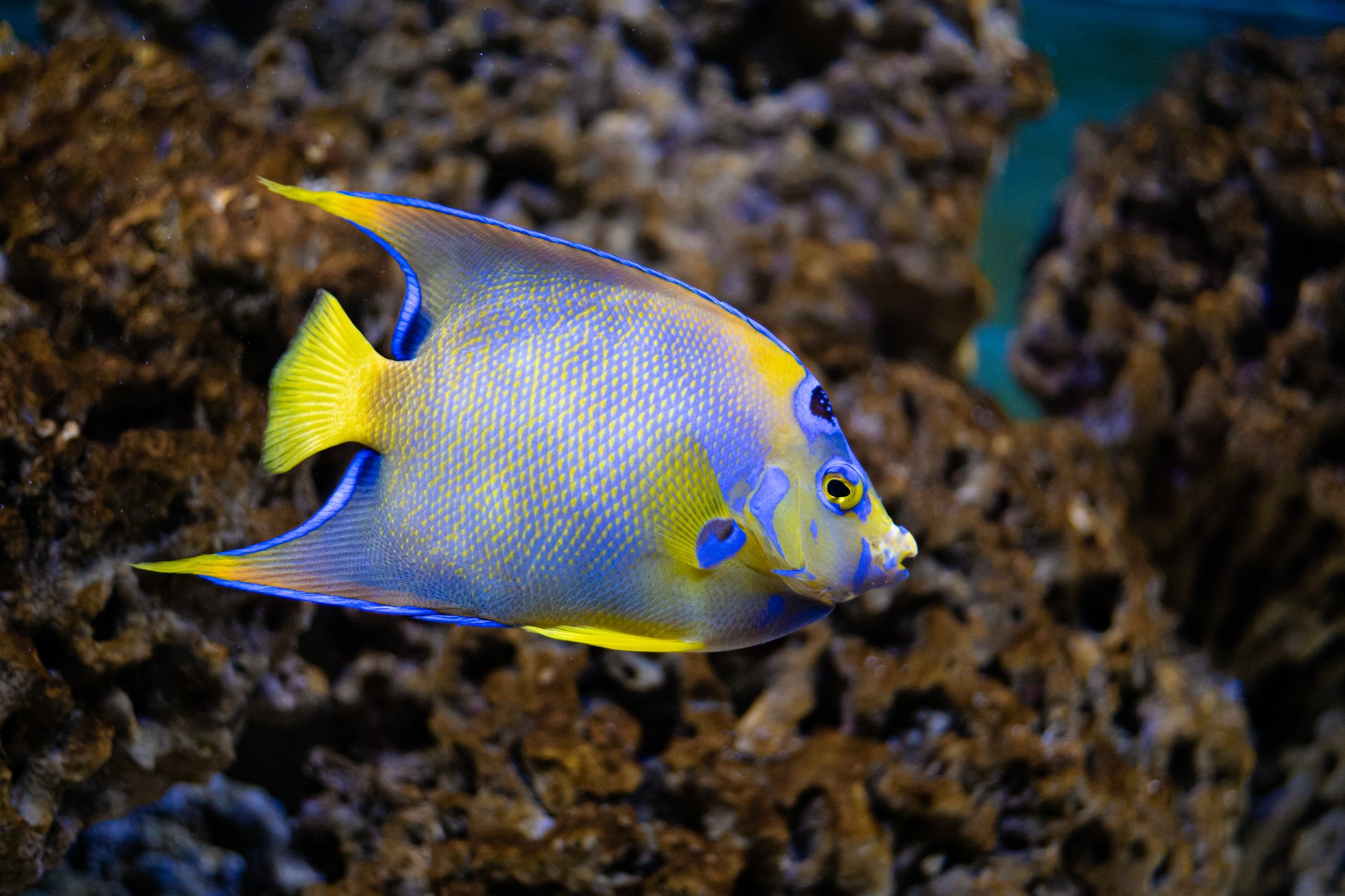
Can You Put Tetras with Angelfish?: A Comprehensive Guide
Can you put tetras with angelfish? The answer is a cautious yes, but it critically depends on the specific tetra species, the size of the angelfish, and the tank environment. Careful consideration is essential to ensure the well-being of all your fish.
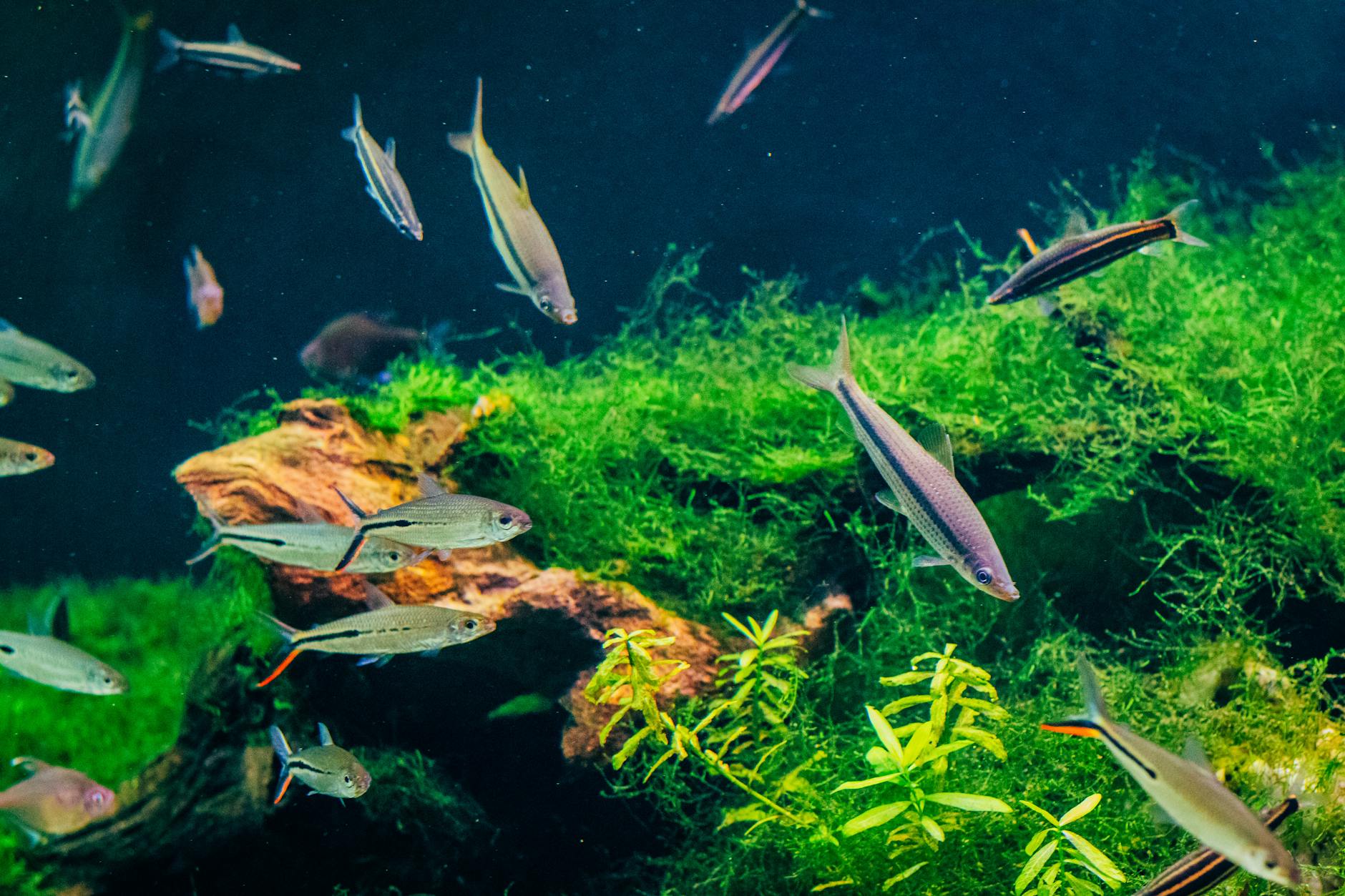
Understanding the Dynamics: Angelfish and Tetras
Angelfish, majestic and graceful, are a popular choice for freshwater aquariums. Tetras, on the other hand, are known for their vibrant colors and schooling behavior. While both can thrive in similar water parameters, their compatibility hinges on understanding the predatory instincts of angelfish. Angelfish are opportunistic feeders, and smaller fish can become targets as they grow. Choosing the right tetra species and providing ample space and hiding places are crucial for a successful community tank.
Factors Influencing Compatibility

Several factors determine whether can you put tetras with angelfish? successfully. Ignoring these can lead to stress, injury, or even death for your tetras.
- Tetra Size: Larger tetras are generally safer. Avoid small species like Neon Tetras as they are often seen as food.
- Angelfish Size and Temperament: Young angelfish are less likely to pose a threat, but their predatory instincts develop as they mature. Some individuals are simply more aggressive than others.
- Tank Size: A larger tank (at least 55 gallons, preferably more) is essential. This provides enough space for the tetras to escape and reduces stress.
- Tank Setup: Provide plenty of hiding places such as plants, driftwood, and caves. This gives tetras a safe haven and reduces the chance of being hunted.
- Feeding Habits: Ensure all fish are adequately fed. Underfed angelfish are more likely to prey on smaller tankmates.
Suitable Tetra Species
Some tetra species are more compatible with angelfish than others. These tend to be larger, more robust, and better able to defend themselves.
- Black Skirt Tetras (Gymnocorymbus ternetzi): A good choice due to their larger size and active swimming behavior.
- Serpae Tetras (Hyphessobrycon eques): These are another robust option, but can be nippy with slower-moving fish. Monitor their behavior closely.
- Diamond Tetras (Moenkhausia pittieri): These are beautiful and relatively peaceful, making them a suitable choice.
- Lemon Tetras (Hyphessobrycon pulchripinnis): While not as large as some others, their schooling behavior can provide some safety in numbers.
Unsuitable Tetra Species
Certain tetra species are almost guaranteed to become food for angelfish. Never attempt to house these together.
- Neon Tetras (Paracheirodon innesi): These are simply too small and defenseless.
- Ember Tetras (Hyphessobrycon amandae): Similar to neons, their small size makes them easy targets.
- Glowlight Tetras (Hemigrammus erythrozonus): Another small and peaceful species that is vulnerable to predation.
Setting Up the Tank for Success
If you’re determined to try and house tetras and angelfish together, careful tank setup is paramount.
- Tank Size: As mentioned, at least 55 gallons is required, with larger tanks being preferable.
- Water Parameters: Maintain a temperature of 78-82°F (25-28°C), a pH of 6.0-7.0, and soft to moderately hard water.
- Filtration: Use a powerful filter to maintain water quality. Angelfish and tetras are sensitive to ammonia and nitrite.
- Plants: Include plenty of live plants such as Amazon Swords, Anubias, and Java Fern. These provide hiding places and help maintain water quality.
- Decor: Add driftwood, rocks, and caves to create a more natural environment and offer additional hiding spots.
A Gradual Introduction Process
Introducing the fish slowly is key to minimizing stress and allowing them to establish territories.
- Introduce the tetras first. Allow them a week or two to settle into the tank.
- Introduce the angelfish later. Choose young angelfish if possible, as they are less likely to be aggressive.
- Monitor the fish closely for signs of aggression. Be prepared to separate them if necessary.
Signs of Aggression and Stress
Knowing the signs of aggression and stress is vital to ensure the well-being of your fish.
- Chasing: Angelfish relentlessly chasing tetras.
- Nipping: Angelfish nipping at the fins of tetras.
- Hiding: Tetras constantly hiding and refusing to come out.
- Loss of Color: Tetras losing their vibrant colors due to stress.
- Erratic Swimming: Tetras swimming erratically or flashing against objects.
Alternative Tank Mates
If you’re unsure about tetras, there are other fish species that are more reliably compatible with angelfish.
- Corydoras Catfish: These are peaceful bottom-dwellers that are unlikely to be bothered by angelfish.
- Plecos: Larger plecos are generally safe with angelfish.
- Giant Danios: These are fast-moving and can often evade predation.
Comparing Tetra Types for Angelfish Compatibility
| Tetra Species | Size | Temperament | Compatibility | Notes |
|---|---|---|---|---|
| Neon Tetra | Very Small | Peaceful | Low | Almost always eaten; not recommended. |
| Black Skirt Tetra | Medium | Active | Medium | Generally safe if the tank is large and there are plenty of hiding places. |
| Serpae Tetra | Medium | Semi-Aggressive | Medium | Can be nippy; monitor closely. |
| Diamond Tetra | Medium | Peaceful | Medium-High | A good choice if the tank is large enough. |
| Lemon Tetra | Small-Medium | Peaceful | Medium | Best kept in large schools for safety. |
| Emperor Tetra | Medium | Peaceful | Medium-High | Peaceful, but make sure to offer plentiful hiding places. |

Frequently Asked Questions (FAQs)
Can I put Neon Tetras with Angelfish?
No, you should never put Neon Tetras with Angelfish. Neon Tetras are simply too small and defenseless and are almost guaranteed to become food for the angelfish. It is a recipe for disaster.
What size tank is needed for Angelfish and Tetras?
A minimum of 55 gallons is required, but a larger tank, such as a 75-gallon or larger, is highly recommended. The larger the tank, the more space the tetras have to escape the angelfish and the less likely the angelfish is to see them as a constant food source.
How do I introduce Tetras and Angelfish to the tank?
Introduce the tetras first and allow them to settle in for at least a week or two. Then, introduce the angelfish. This gives the tetras time to establish territories and reduces the chance of the angelfish immediately targeting them.
What are the signs that my Angelfish is attacking my Tetras?
Signs of aggression include the angelfish chasing or nipping at the tetras. The tetras may also hide constantly, lose their color, or exhibit erratic swimming behavior.
What if my Angelfish starts eating my Tetras?
If you see your angelfish eating your tetras, you need to separate them immediately. This could involve moving the angelfish to another tank or rehoming the tetras.
Are all Angelfish aggressive?
No, not all angelfish are aggressive, but they are opportunistic feeders. Some individuals are more prone to preying on smaller fish than others.
Are there any specific tank decorations that can help with compatibility?
Yes, provide plenty of hiding places such as live plants, driftwood, and caves. These offer the tetras refuge and help break up the line of sight, reducing the chance of the angelfish spotting them.
What water parameters are best for Angelfish and Tetras?
Maintain a temperature of 78-82°F (25-28°C), a pH of 6.0-7.0, and soft to moderately hard water. Stable water parameters are crucial for the health of both species.
How often should I feed my Angelfish and Tetras?
Feed your angelfish and tetras once or twice a day with a high-quality flake or pellet food. Supplement their diet with occasional live or frozen foods.
Can I keep other fish with Angelfish and Tetras?
Yes, you can keep other peaceful fish with angelfish and tetras, such as Corydoras Catfish or Plecos. Avoid any small, slow-moving fish that could become prey.
Is it better to keep Tetras in large schools for safety?
Yes, keeping tetras in large schools (at least six or more) can help them feel safer and reduce the chance of predation. The larger the school, the more likely they are to be able to defend themselves.
What should I do if my Tetras are stressed?
If your tetras are stressed, check the water parameters, ensure there are plenty of hiding places, and observe the tank for signs of aggression from the angelfish or other tank mates. If necessary, separate the tetras into a different tank.