
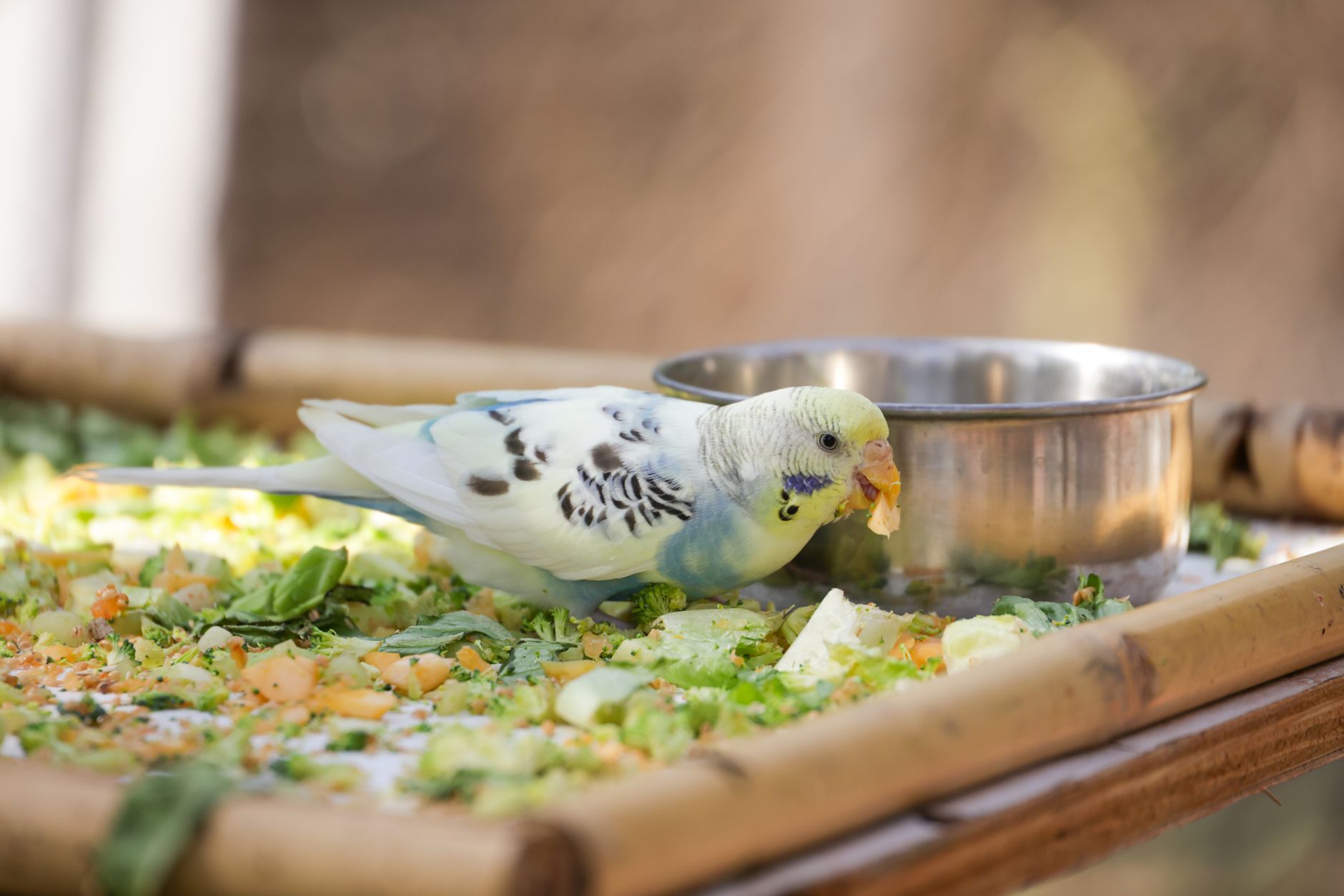
Leaving Your Feathered Friend: Can You Leave a Bird for a Weekend?
It’s possible, but the answer to “Can you leave a bird for a weekend?” is a nuanced one. It depends heavily on the bird’s species, age, health, and how well prepared you are beforehand. Careful planning and understanding your bird’s individual needs are crucial for their safety and well-being.

Introduction: Weighing the Wings of Freedom and Responsibility
For bird owners, the question of leaving their avian companions for even a short period can be fraught with worry. Birds are intelligent and sensitive creatures who rely on their humans for not just food and water, but also for social interaction and mental stimulation. Can you leave a bird for a weekend? The easy answer might seem like “yes,” but responsible bird ownership demands a more thoughtful approach. This article will delve into the key factors to consider before deciding whether or not a weekend away is feasible, providing expert advice to ensure your bird’s well-being in your absence.
Understanding Your Bird’s Needs
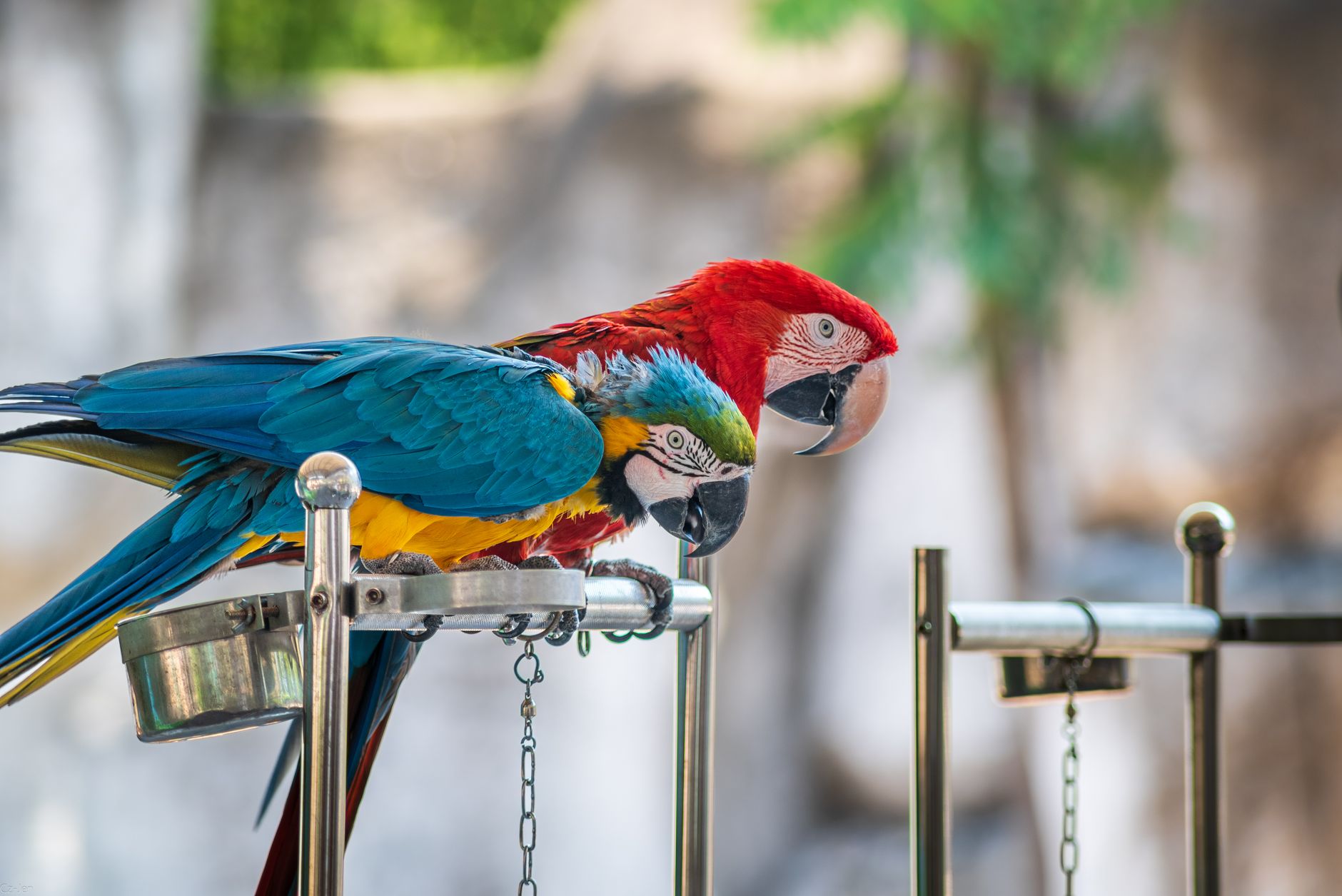
Before even considering a weekend trip, it’s vital to have a deep understanding of your individual bird’s specific requirements. Not all birds are created equal; a hardy budgie might tolerate a weekend alone better than a demanding macaw, for example.
- Species-Specific Needs: Research the dietary requirements, environmental conditions, and social needs specific to your bird’s species.
- Individual Temperament: Some birds are more independent than others. Observe your bird’s behavior; does it seem overly attached or does it exhibit signs of independence?
- Health Conditions: Any pre-existing health conditions, even seemingly minor ones, can dramatically change the risk factor of leaving a bird unattended. Birds are masters at hiding illness.
Preparing for Your Absence
If you decide to leave your bird for the weekend, meticulous preparation is essential. This isn’t a decision to take lightly.
- Food and Water: Provide ample fresh food and water. Consider multiple water sources to minimize the risk of one being contaminated or overturned. Using a gravity feeder and a large water dispenser can be helpful.
- Cage Environment: Ensure the cage is clean and free of hazards. Check toys for wear and tear and remove anything that could be a choking hazard.
- Temperature Control: Maintain a stable and comfortable temperature in the room where the bird is housed. Extreme temperature fluctuations can be detrimental to their health.
- Lighting: Set up a timer for the lights to mimic a natural day-night cycle.
- Enrichment: Provide a variety of toys and activities to keep your bird mentally stimulated. This can include foraging toys, puzzle feeders, and shredding materials.
The “Buddy System”: Arranging for a Bird Sitter
Ideally, even for a weekend, arranging for a trusted bird sitter is the best option. Even a brief daily check-in can make a world of difference.
- Finding a Reliable Sitter: Look for someone experienced with birds, preferably with knowledge of your bird’s specific species.
- Detailed Instructions: Provide clear and detailed instructions on feeding, watering, cleaning, and any specific care requirements. Include emergency contact information.
- Practice Run: If possible, have the sitter spend some time with your bird before you leave to allow them to become acquainted.
- Vet Information: Leave the name and contact information of your avian veterinarian, along with any relevant medical history.
Risks of Leaving a Bird Unattended
Despite careful preparation, there are inherent risks associated with leaving a bird alone, even for a short period.
- Illness or Injury: A bird can become ill or injured while you are away, without anyone to notice or provide immediate care.
- Food or Water Deprivation: Even with ample supplies, a bird can accidentally knock over its water dish or become unable to access its food.
- Environmental Hazards: Unexpected temperature fluctuations, drafts, or even a broken window can pose a threat.
- Loneliness and Stress: Some birds are highly social and can experience significant stress and loneliness when left alone for extended periods.
Making the Right Decision
Ultimately, the decision of whether or not to leave your bird for a weekend rests on your shoulders. Carefully weigh the risks and benefits, taking into account your bird’s individual needs and your ability to provide adequate preparation. Can you leave a bird for a weekend and feel confident in their safety and well-being? If there’s any doubt, it’s always best to err on the side of caution and find a reliable bird sitter.
| Factor | Considerations |
|---|---|
| Bird Species | Some species are more independent than others. |
| Bird’s Age | Younger birds and senior birds may require more attention. |
| Bird’s Health | Any existing health condition increases the risk of leaving a bird alone. |
| Length of Absence | Even a weekend can be too long for some birds. |
| Environmental Control | Ability to maintain stable temperature and lighting. |
| Sitter Availability | Can a trusted friend or family member check on your bird? |

FAQs: Delving Deeper into Bird Care During Short Absences
Is it ever okay to leave a bird alone for a weekend?
While not ideal, it can be acceptable for certain birds, like some budgies or finches, if all preparations are meticulously followed and the bird is healthy and relatively independent. However, for larger, more social birds, or those with health issues, it is strongly discouraged.
What are the absolute minimum requirements for leaving a bird alone for a weekend?
The minimum requirements include ample fresh food and water in multiple locations, a clean and safe cage environment, stable temperature and lighting, and emergency contact information readily available. However, this is a bare minimum and not a substitute for proper care.
How much food and water should I provide if I’m leaving my bird for a weekend?
Provide significantly more food and water than your bird typically consumes in a single day. Multiply their average daily intake by at least three, erring on the side of excess to account for potential spills or waste.
What types of toys are best for keeping a bird entertained while I’m away?
Focus on foraging toys, puzzle feeders, and shreddable toys that encourage natural behaviors and provide mental stimulation. Rotate the toys regularly to keep your bird engaged.
How can I ensure the temperature in my bird’s room stays consistent?
Use a reliable thermostat to maintain a stable temperature. Avoid placing the cage near windows or drafts. Consider using a space heater or air conditioner if necessary, but ensure the cage is not directly exposed to the airflow.
What are the signs that my bird is stressed while I’m away?
Signs of stress in birds include excessive feather plucking, changes in vocalization, decreased appetite, and lethargy. If you notice any of these signs upon your return, consult with your avian veterinarian immediately.
Is it safe to leave a bird with a self-filling water dish for a weekend?
While self-filling water dishes can be convenient, they can also malfunction or become contaminated. It’s best to provide multiple water sources, including a self-filling dish and a regular bowl, to minimize the risk of dehydration.
What should I do if I can’t find a bird sitter for the weekend?
If you absolutely cannot find a bird sitter, consider boarding your bird at a reputable avian veterinarian’s office or a specialized bird boarding facility. This is often a safer alternative to leaving them completely unattended.
How often should I clean my bird’s cage before leaving for a weekend?
Thoroughly clean the cage the day before you leave, removing all droppings and replacing the bedding. This will help minimize the risk of bacterial growth and unpleasant odors while you’re away.
What kind of lighting setup is best for birds when you’re gone for a weekend?
Use a timer to regulate the lights, providing a consistent day-night cycle. Aim for 10-12 hours of light and 12-14 hours of darkness.
What are the legal implications of neglecting a bird?
In many jurisdictions, neglecting an animal, including a bird, is a form of animal cruelty and can result in fines, legal charges, and even the loss of pet ownership privileges. Always prioritize your bird’s well-being.
If I leave my bird alone for a weekend, should I apologize to them when I get back?
While birds don’t understand human apologies, spending extra time with your bird upon your return, offering treats, and providing enrichment can help reassure them and strengthen your bond. This is always a good idea to reassure your feathered friend.