

Can You Keep Male Goldfish Together?: Unveiling the Truth
Yes, you can keep male goldfish together successfully, provided certain conditions are met; however, careful observation and understanding of goldfish behavior is crucial to avoid aggression and ensure a harmonious environment.
Introduction: Dispelling Myths and Establishing Facts
Keeping goldfish, those shimmering jewels of the aquarium world, can be a delightful experience. However, myths and misconceptions often surround their care, particularly regarding compatibility. One common question is: Can you keep male goldfish together? The answer isn’t a simple yes or no; it depends on several factors that influence their behavior and well-being. This article aims to provide a comprehensive understanding of these factors, enabling you to make informed decisions about your goldfish community.
Understanding Goldfish Behavior
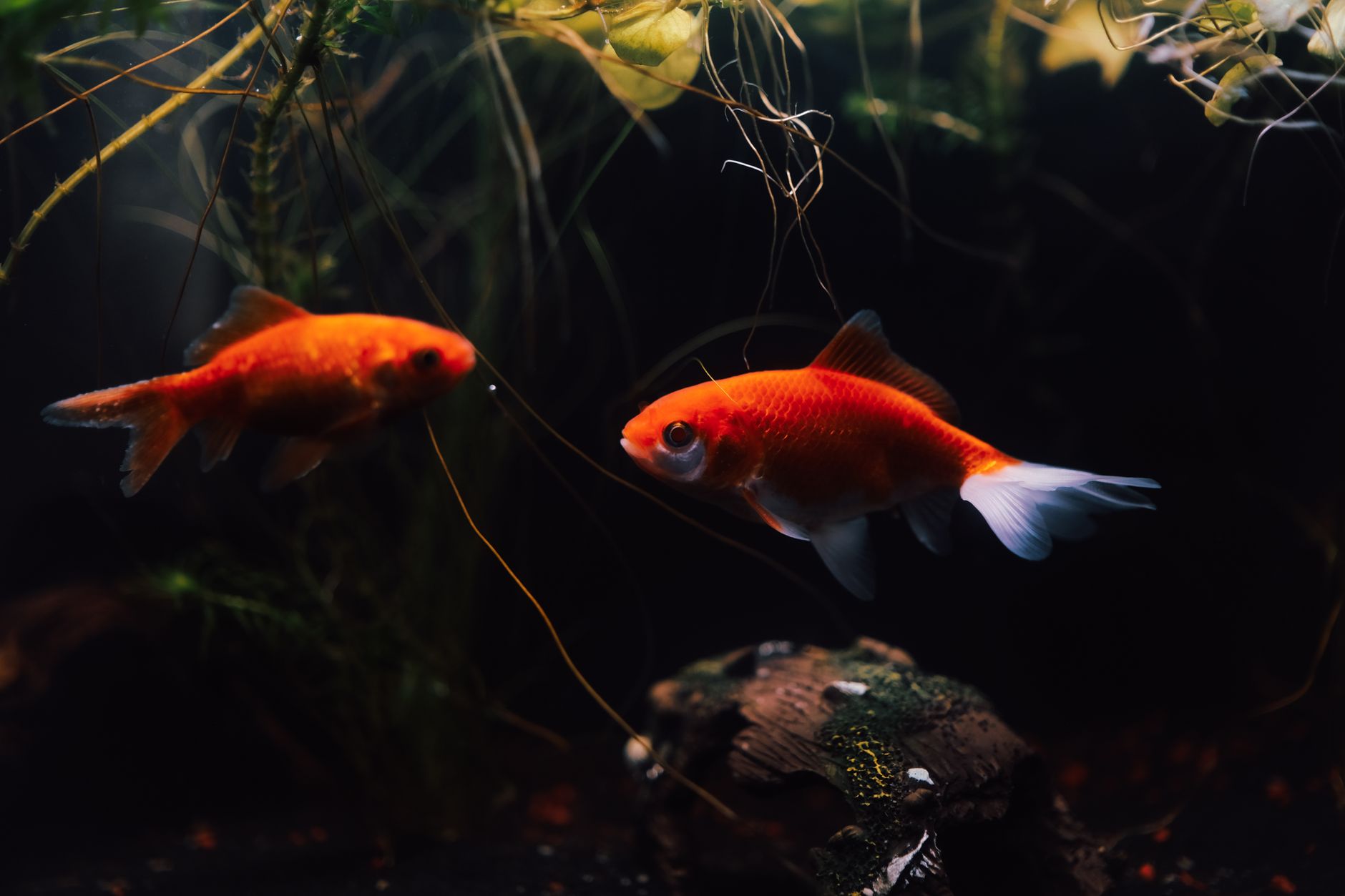
Goldfish, while seemingly simple creatures, exhibit a range of behaviors. Understanding these behaviors is key to successfully keeping males together.
- Social Hierarchy: Goldfish can establish a subtle social hierarchy, particularly in larger groups.
- Breeding Season: During breeding season, males can become extremely aggressive, relentlessly chasing females and even other males. This is a critical period to monitor closely.
- Environmental Stress: Stressors like poor water quality, overcrowding, or inadequate hiding places can exacerbate aggression.
Tank Size: A Foundation for Harmony
The size of the aquarium is paramount when housing male goldfish together. Overcrowding is a primary cause of stress and aggression.
- Minimum Size: For two fancy goldfish, a 20-gallon tank is the bare minimum. For each additional goldfish, add at least 10 gallons.
- Swim Space: Ensure ample open swimming space to allow goldfish to move freely and avoid feeling trapped.
- Filtration: A powerful filtration system is essential to maintain water quality in a larger tank with multiple goldfish.
Creating a Suitable Environment
A well-designed environment can significantly reduce the likelihood of aggression amongst male goldfish.
- Hiding Places: Provide plenty of hiding places, such as plants (real or artificial), caves, or decorations. These allow fish to escape from potential aggressors.
- Substrate: A smooth substrate like sand or large pebbles is preferable to avoid injury.
- Water Quality: Regularly test and maintain optimal water parameters (ammonia, nitrite, nitrate, pH). Poor water quality is a major stressor.
Identifying and Addressing Aggression
Recognizing signs of aggression early on is crucial. Common signs include:
- Chasing and Nipping: Persistent chasing and nipping at fins are clear indicators of aggression.
- Fin Damage: Torn or frayed fins suggest bullying.
- Isolation: A fish that consistently hides or isolates itself may be a victim of aggression.
If aggression is observed:
- Increase Tank Size: If possible, upgrade to a larger tank.
- Increase Hiding Places: Add more plants and decorations to provide refuge.
- Separate Aggressors: As a last resort, separate the aggressive fish into a different tank or use a tank divider.
Choosing Compatible Tank Mates
While this article focuses on keeping male goldfish together, it’s important to consider tank mate compatibility if other species are introduced.
- Goldfish Only: Generally, the best approach is to keep only goldfish together, avoiding the introduction of other species that might compete for resources or harass the goldfish.
- Similar Temperaments: If considering other species, choose those with similar temperaments and environmental needs. Avoid fin-nipping fish.
Addressing Common Mistakes
Many common mistakes contribute to aggression when keeping male goldfish together.
- Overcrowding: As mentioned, overcrowding is a major problem.
- Inadequate Filtration: Insufficient filtration leads to poor water quality and stress.
- Ignoring Breeding Behavior: Failing to recognize and address breeding behavior can lead to intense aggression.
- Lack of Observation: Not observing the fish regularly to identify signs of stress or aggression.
Table: Ideal Tank Size for Goldfish
| Number of Goldfish | Minimum Tank Size (Gallons) |
|---|---|
| 2 Fancy Goldfish | 20 |
| 3 Fancy Goldfish | 30 |
| 4 Fancy Goldfish | 40 |
| 2 Common Goldfish | 75 |
| 3 Common Goldfish | 100 |

Frequently Asked Questions (FAQs)
Is it always possible to keep male goldfish together without any problems?
No, it’s not always possible. While the chances of success increase with proper tank size, environment, and monitoring, some individual goldfish may simply not be compatible. Be prepared to separate them if necessary.
What if I only have a small tank?
If you only have a small tank (less than 20 gallons), you should only keep one goldfish, regardless of gender. Overcrowding is a major cause of stress and health problems.
How do I tell if my goldfish are male or female?
During breeding season, males develop small white bumps (breeding tubercles) on their gill covers and pectoral fins. Females tend to be rounder in the abdomen, especially when carrying eggs. However, sexing goldfish outside of breeding season can be difficult and unreliable.
What do I do if one of my goldfish is constantly chasing the others?
If one goldfish is constantly chasing the others, first ensure adequate tank size and hiding places. If the behavior persists, consider separating the aggressive fish.
Can I keep different types of goldfish together (e.g., fancy and common)?
Yes, you can keep different types of goldfish together, but it’s generally recommended to stick to either all fancy goldfish or all common goldfish. Common goldfish are much faster and can outcompete fancy goldfish for food, stressing them. Ensure the tank size is appropriate for the most active type.
How often should I change the water in my goldfish tank?
Water changes should be performed weekly, replacing approximately 25-50% of the water. This helps to remove accumulated nitrates and maintain water quality. Always use a dechlorinator to remove chlorine and chloramine from tap water.
What are some signs that my goldfish are stressed?
Signs of stress in goldfish include: clamped fins, lethargy, loss of appetite, gasping at the surface, erratic swimming, and changes in coloration. These symptoms can have multiple underlying causes, but stress is a common factor.
What kind of filtration system should I use for a goldfish tank?
A filter rated for at least twice the tank volume is recommended. Canister filters, hang-on-back filters, and sponge filters are all suitable options. Regular maintenance of the filter is essential.
Are live plants safe for goldfish?
Yes, some live plants are safe and beneficial for goldfish. Anubias, Java fern, and hornwort are hardy options that goldfish are less likely to eat. However, goldfish may still nibble on plants.
What should I feed my goldfish?
Feed your goldfish a high-quality goldfish flake or pellet food. Supplement their diet with occasional treats like blanched vegetables (peas, spinach) or bloodworms. Avoid overfeeding, as this can lead to health problems.
Can you keep male goldfish together if one is much larger than the others?
It can be risky. A much larger goldfish could potentially bully the smaller ones, especially during feeding. Ensure there’s enough food for all and monitor for any signs of aggression.
Can you keep male goldfish together successfully in a pond, or is a tank better?
Keeping male goldfish together in a pond is often easier than in a tank, provided the pond is sufficiently large and well-maintained. The larger volume of water and natural environment can help to reduce aggression and provide more space for the fish to establish territories.