
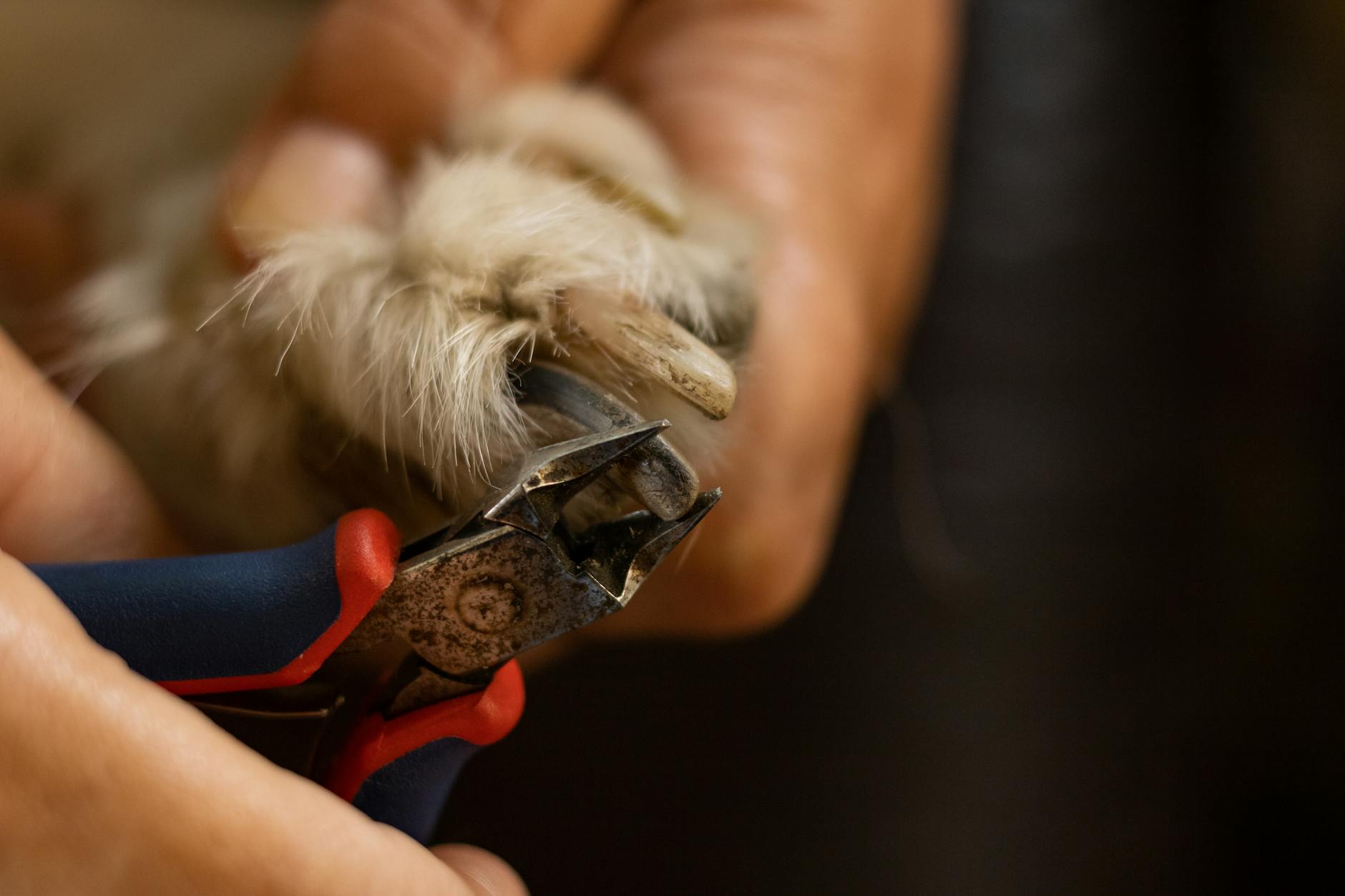
Can You Injure a Dog with Clippers? Understanding the Risks and Safe Grooming Practices
Yes, it is possible to injure a dog with clippers if used improperly or carelessly. These injuries can range from minor skin irritations to more severe cuts and burns, making proper training and technique essential for safe grooming.

Introduction: The Importance of Safe Dog Grooming
Grooming is an essential part of maintaining a dog’s health and well-being. While professional groomers are often the best option, many owners choose to groom their dogs at home. Clippers are a common tool for achieving a well-maintained coat, but can you injure a dog with clippers? Understanding the risks and adopting safe practices are crucial to prevent injuries and ensure a positive grooming experience for your furry friend.
Potential Injuries When Using Clippers

Several factors can lead to injuries when using clippers on a dog. Knowing these potential risks is the first step in preventing them.
- Cuts and Nicks: These are perhaps the most common injuries. Sharp clipper blades can easily cut the skin, especially in areas with loose skin or folds.
- Clipper Burn: Friction from the blades can generate heat, leading to clipper burn. This is more likely with dull blades or prolonged use in one area.
- Irritation and Allergies: Certain blade materials or cleaning solutions may cause skin irritation or allergic reactions in sensitive dogs.
- Nervousness and Trauma: Even if no physical injury occurs, a negative grooming experience can traumatize a dog, making future sessions difficult.
- Infection: Any break in the skin, even a small nick, can become infected if not properly cleaned and cared for.
Safe Grooming Practices to Prevent Injuries
Preventing injuries when clipping a dog requires careful preparation, the right tools, and a gentle approach.
- Choose the Right Clippers and Blades: Opt for high-quality, dog-specific clippers with adjustable blade settings. Select the appropriate blade for your dog’s coat type.
- Maintain Your Equipment: Keep clipper blades sharp and well-lubricated. Dull blades require more pressure, increasing the risk of clipper burn and uneven cuts. Clean and disinfect clippers after each use.
- Prepare Your Dog: Brush your dog thoroughly before clipping to remove mats and tangles. This will prevent the clippers from snagging and pulling, reducing the risk of injury.
- Introduce Clippers Gradually: If your dog is new to clipping, introduce the clippers slowly. Let them sniff and investigate the tool while it’s turned off. Then, turn it on briefly, gradually increasing the time.
- Use Proper Technique: Hold the clippers parallel to the skin and use smooth, even strokes in the direction of hair growth. Avoid applying too much pressure.
- Take Breaks: Clipping can be tiring for both you and your dog. Take frequent breaks to allow your dog to relax and cool down, and to prevent overheating of the clippers.
- Monitor Blade Temperature: Regularly check the temperature of the clipper blades. If they become too hot, stop and let them cool down before continuing. You can also use blade coolant.
- Watch for Skin Reactions: Be vigilant for signs of skin irritation, such as redness, swelling, or itching. If you notice any of these symptoms, stop clipping and consult your veterinarian.
Recognizing and Treating Clipper-Related Injuries
Even with careful precautions, accidents can happen. Knowing how to recognize and treat common clipper injuries is crucial.
- Cuts and Nicks: Clean the wound immediately with a mild antiseptic solution, such as diluted povidone-iodine or chlorhexidine. Apply a thin layer of antibiotic ointment. Monitor the wound for signs of infection (redness, swelling, pus).
- Clipper Burn: Apply a cool compress to the affected area. Use a soothing ointment, such as aloe vera or a veterinarian-recommended skin balm. Avoid clipping the area until it has fully healed.
- Infection: If a wound becomes infected, consult your veterinarian for appropriate treatment. This may involve oral or topical antibiotics.
When to Seek Professional Help
While minor injuries can often be treated at home, it’s important to know when to seek professional veterinary care.
- Deep Cuts: Any deep cut that bleeds heavily or doesn’t stop bleeding with pressure requires immediate veterinary attention.
- Severe Clipper Burn: Extensive or severe clipper burn should be examined by a veterinarian to prevent infection and promote healing.
- Signs of Infection: If a wound shows signs of infection (redness, swelling, pus, fever), seek veterinary care.
- Behavioral Issues: If your dog becomes extremely anxious or aggressive during grooming, consider consulting a professional groomer or veterinary behaviorist.
The Importance of Patience and Positive Reinforcement
Grooming should be a positive experience for your dog. Patience, positive reinforcement, and gentle handling are key to building trust and cooperation. Reward your dog with treats and praise throughout the grooming process. If your dog becomes stressed or anxious, stop and try again later.
Ultimately, while can you injure a dog with clippers is a valid concern, understanding the risks, employing proper techniques, and prioritizing your dog’s comfort will ensure a safe and enjoyable grooming experience.

Frequently Asked Questions (FAQs)
Can I use human clippers on my dog?
No, it is generally not recommended to use human clippers on dogs. Dog clippers are specifically designed with different blade configurations and motor power to handle the varying coat types of dogs. Human clippers may overheat quickly, have the incorrect blade size, or not be strong enough to cut through thick dog fur, increasing the risk of injury.
How often should I sharpen my clipper blades?
The frequency of sharpening depends on how often you groom your dog and the type of coat. As a general guideline, sharpening every 3-6 months is recommended for regular use. You’ll know it’s time to sharpen your blades when they start to pull the hair instead of cutting it cleanly, or when they begin to heat up more quickly.
What is clipper burn and how can I prevent it?
Clipper burn is a skin irritation caused by friction from the clipper blades. Prevent clipper burn by using sharp, well-lubricated blades, keeping the blades moving, and not applying too much pressure. Taking frequent breaks to allow the blades to cool down is also helpful.
How do I choose the right clipper blade for my dog’s coat?
The appropriate clipper blade depends on your dog’s coat type and the desired length of the trim. Shorter blades (e.g., #10) are used for very short trims, while longer blades (e.g., #7, #5) are used for longer trims. Consult a grooming guide or a professional groomer for recommendations.
What should I do if I accidentally cut my dog with clippers?
If you accidentally cut your dog, immediately clean the wound with a mild antiseptic solution. Apply a thin layer of antibiotic ointment and monitor the wound for signs of infection. If the cut is deep or doesn’t stop bleeding, seek veterinary care.
How can I make my dog more comfortable during grooming?
To make grooming more comfortable, introduce the clippers gradually, use positive reinforcement (treats and praise), and keep the sessions short and positive. Consider using a grooming table with a non-slip surface and a restraint to help keep your dog still.
What are the signs of clipper blade overheating?
Signs of clipper blade overheating include the blade feeling hot to the touch, your dog flinching or pulling away, and a burning smell. If you notice any of these signs, stop clipping and let the blades cool down before continuing.
Can I use blade coolant on my clippers?
Yes, blade coolant is highly recommended to keep your clipper blades cool and lubricated. Spray blade coolant on the blades regularly during grooming to prevent overheating and reduce friction.
Are cordless clippers better than corded clippers for dog grooming?
Both cordless and corded clippers have their pros and cons. Cordless clippers offer more freedom of movement, while corded clippers provide consistent power. The best choice depends on your grooming style and the size of your dog. For beginners, corded clippers are often recommended for constant power.
How do I clean and maintain my dog clippers?
To clean and maintain your dog clippers, brush off any hair after each use, use a cleaning brush to remove debris from the blades, and lubricate the blades with clipper oil. Disinfect the blades with a clipper disinfectant spray. Store the clippers in a clean, dry place.
Is it better to bathe my dog before or after clipping?
It’s generally recommended to bathe your dog before clipping, ensuring their coat is completely dry. A clean coat allows the clippers to glide more smoothly and provides a more even trim. Mats and tangles are also easier to remove after a bath.
What if my dog is extremely scared of clippers?
If your dog is extremely scared of clippers, consult a professional groomer or a veterinary behaviorist. They can help you develop a desensitization and counter-conditioning plan to gradually acclimate your dog to the clippers. Medication or calming aids may also be helpful.